Tag Archives: residential highly insulated houses

Twin Skin Log Cabins : Access Impossible Building Sites with Ease

Beyond the Roadblock: How Twin-Skin Log Cabins Revolutionize Construction in Inaccessible Locations

When Traditional Building Methods Hit a Dead End
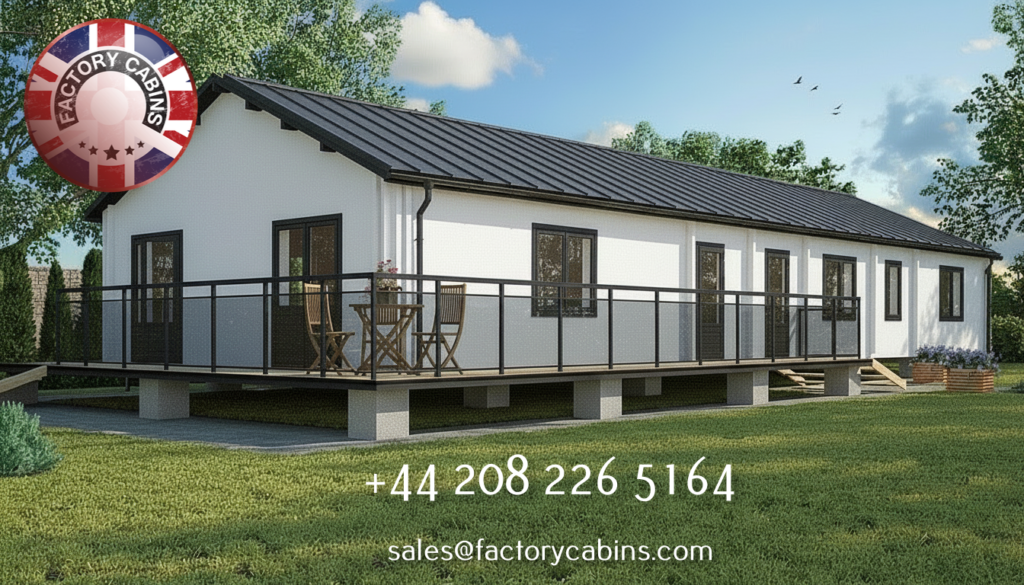
Imagine standing on the edge of your dream property—a secluded lakeside plot, a forested hilltop, or a narrow coastal strip—and realizing that your vision for a quality insulated building is impossible. Not because of planning restrictions or budget constraints, but because there’s simply no way to get construction materials to the site.

No road access. No vehicle pathway. No conventional building method can reach your location. For decades, this scenario has left homeowners with two unpalatable choices: abandon their vision or settle for inferior, temporary structures that fail to deliver genuine year-round usability.

This is where the limitations of traditional construction methods become painfully apparent. Conventional brick-and-mortar construction requires extensive site preparation, heavy machinery, and multiple delivery trips with materials that simply cannot be transported to challenging locations.

Even standard timber frame construction—often marketed as “flexible”—requires multiple visits from skilled laborers and specialized equipment that cannot navigate tight spaces or water barriers. When accessibility becomes the primary constraint, most building solutions fail before they even begin.

But what if there was a way to bypass these limitations entirely? What if you could deliver a fully insulated, high-performance building to virtually any location—regardless of terrain or access constraints? This is the revolutionary promise of twin-skin log cabin technology, a solution that transforms previously impossible building sites into reality while delivering superior thermal performance at a fraction of the conventional construction cost.

The Accessibility Advantage: Reaching the Unreachable

The most transformative aspect of twin-skin log cabin construction isn’t merely its thermal performance—it’s the ability to access locations that conventional building methods simply cannot reach. This capability stems from the fundamental design of the twin-skin system, which allows for modular delivery and assembly in even the most challenging environments.

Consider the case of the Harrison family in the Lake District, who dreamed of creating a lakeside entertainment space on their 2.5-acre property overlooking Windermere. Their idyllic location presented significant obstacles:

  • No vehicular access: The only route to the desired building site was across a narrow strip of water
  • Environmental restrictions: The property sits within an Area of Outstanding Natural Beauty with strict building regulations
  • Year-round usability requirement: They wanted a space that could be enjoyed in all seasons, not just summer
  • Structural challenges: The lakeside terrain featured unstable soil that would have required expensive foundation work for conventional construction

Traditional building methods were immediately ruled out. Brick-and-mortar construction would have required extensive site preparation, temporary road construction across sensitive terrain, and months of disruptive work. Portable buildings lacked the insulation and quality they desired for year-round use. Even standard single-skin log cabins would have struggled with the damp lakeside environment and failed to deliver the thermal performance needed for winter gaming sessions.

What they needed was a solution that combined structural integrity with genuine insulation performance, delivered in a way that respected both the environment and their challenging site access. The answer was clear: a fully insulated twin-skin log cabin, engineered for British weather and designed specifically for their unique requirements.

Unlike conventional construction that requires multiple material deliveries and heavy machinery, our twin-skin log cabins arrive as a single, coordinated shipment. Every component is pre-cut and pre-engineered at our Lithuanian manufacturing facility, then packaged for efficient transport. For the Harrison family’s lakeside location, we designed the cabin in modular sections that could be safely transported by boat:

  • Pre-assembled wall sections: Two-person manageable sizes that maintained structural integrity
  • Waterproof packaging: Each component sealed against lake moisture during transit
  • Sequential delivery plan: Components organized in precise assembly order to minimize on-site handling

This modular approach—only possible because of our direct manufacturing control—turned what could have been a logistical nightmare into a smooth operation. The entire cabin was delivered in three boat trips, with assembly beginning immediately upon arrival of the first components.

The Real Cost of Inaccessibility: When Conventional Construction Fails

The inability to access challenging building sites isn’t just a logistical inconvenience—it’s a significant economic barrier that prevents homeowners from realizing the full potential of their properties. When traditional construction methods hit accessibility limitations, homeowners face several costly consequences:

Compromised Design and Functionality

Without the ability to deliver conventional building materials to challenging locations, homeowners often settle for inferior structures that fail to meet their actual needs. Instead of a properly insulated, year-round usable space, they’re forced to accept seasonal sheds or poorly constructed temporary structures that require constant maintenance and cannot be used during winter months.

Extended Project Timelines

Conventional construction in difficult locations often requires extensive site preparation before any building can begin. This preparation phase—clearing paths, creating temporary access routes, or installing specialized equipment—can add weeks or even months to project timelines, significantly delaying the realization of the homeowner’s vision.

Environmental Impact

The extensive site preparation required for conventional construction often causes significant environmental disruption. Creating temporary roads through sensitive ecosystems, disturbing soil stability, or altering natural drainage patterns can have lasting impacts on the environment—impacts that many homeowners seeking natural retreats specifically want to avoid.

Cost Overruns

The hidden costs of conventional construction in challenging locations are substantial. Specialized equipment rentals, additional labour for site preparation, extended project timelines, and potential environmental mitigation measures can easily double or triple the initial project estimate.

Compromised Quality

Perhaps most damaging is the inevitable compromise on quality when conventional construction methods are adapted to challenging sites. Builders often cut corners on materials, insulation, or structural elements to accommodate accessibility constraints, resulting in buildings that fail to deliver the promised performance or longevity.

For homeowners seeking a quality insulated building, these consequences are particularly devastating. They’ve invested significant resources in finding the perfect location only to discover that the very features that make the property special—its seclusion, natural beauty, or unique terrain—become barriers to construction. The result is a cycle of disappointment where dreams are deferred or compromised, and the full potential of the property remains unrealized.

Twin-Skin vs. Conventional Construction: The Structural Difference That Matters

To understand why twin-skin log cabins succeed where conventional construction fails, we must examine the fundamental structural differences between these approaches. The key distinction lies not just in the materials used, but in the engineering philosophy that drives the design.

Conventional Timber Frame Construction: The Layered Approach

Traditional timber frame construction follows a sequential, on-site assembly process that requires multiple visits from skilled laborers and specialized equipment:

  1. Foundation work: Often requiring heavy machinery and extensive site preparation
  2. Frame construction: Multiple trips to deliver and assemble structural components
  3. Insulation installation: Additional visits to add insulation materials
  4. Exterior cladding: Further deliveries and labour for weatherproofing
  5. Interior finishing: Final trips for internal walls, flooring, and services

This layering approach creates multiple points of vulnerability. Each stage depends on the previous one being completed correctly, and any delay or issue at one stage impacts the entire project. In challenging locations, this sequential process becomes particularly problematic—each delivery requires navigating the same access constraints, multiplying the logistical challenges.

Most critically, the insulation in conventional timber frame construction is typically added as an afterthought—a layer sandwiched between structural elements. This approach creates thermal bridges at structural junctions, compromises the integrity of the insulation layer, and makes it difficult to achieve consistent thermal performance throughout the building.

Twin-Skin Log Cabin Construction: The Integrated Approach

In contrast, twin-skin log cabin construction follows an integrated design philosophy where all elements work together from the outset:

  1. Single manufacturing process: All components are precision-cut and assembled at the factory
  2. Modular delivery: Pre-engineered sections designed for efficient transport
  3. Rapid assembly: Minimal on-site labour with standardized connections
  4. Integrated insulation: Thermal performance built into the wall structure from the beginning

The twin-skin design features two independent skins of premium Scandinavian spruce, separated by a precisely engineered cavity filled with high-grade insulation. This cavity is not an afterthought—it’s a fundamental component of the wall structure, designed to deliver optimal thermal performance while maintaining structural integrity.

This integrated approach is particularly advantageous in challenging locations because it eliminates the need for multiple material deliveries and sequential construction stages. Every component arrives ready for immediate assembly, reducing on-site time and labour requirements to a minimum.

The Insulation Advantage: Engineering Flexibility Where It Matters Most

One of the most significant advantages of twin-skin log cabin construction is the inherent flexibility of the insulation system. Unlike conventional construction where adding more insulation requires complex modifications to the structural design, the twin-skin system allows for simple, scalable insulation adjustments that directly address the specific needs of challenging locations.

The Conventional Insulation Dilemma

In traditional timber frame construction, increasing insulation levels presents significant challenges:

  • Structural modifications: Additional insulation often requires thicker wall sections, which may not fit within existing structural constraints
  • Thermal bridging: Conventional construction methods create inevitable thermal bridges at structural junctions, reducing the effectiveness of added insulation
  • Moisture management: Adding insulation without proper vapor barriers can create moisture traps that lead to condensation and timber degradation
  • Cost inefficiency: The marginal cost of adding insulation often becomes prohibitively high as insulation levels increase

These limitations mean that conventional construction typically caps at a certain insulation level—sufficient for standard applications but inadequate for challenging locations with extreme weather conditions or specific usability requirements.

The Twin-Skin Insulation Solution

With twin-skin log cabin construction, insulation becomes a simple matter of adjusting the cavity size between the two timber skins. The system is designed from the outset to accommodate variable insulation levels without compromising structural integrity:

  • Scalable cavity design: The space between the two timber skins can be expanded to accommodate additional insulation
  • Continuous thermal barrier: The insulation cavity creates a seamless thermal break that eliminates thermal bridging
  • Integrated moisture management: The design incorporates vapor barriers and moisture control systems as part of the wall structure
  • Cost-effective scaling: Increasing insulation levels requires minimal additional cost compared to conventional methods

This flexibility is particularly valuable for challenging locations where specific insulation requirements may vary significantly. For example:

  • Coastal properties: Require enhanced moisture management systems to combat salt air
  • High-altitude locations: Need increased insulation to handle extreme temperature variations
  • Forest settings: May require additional insulation to maintain consistent interior temperatures

Our 70mm x 70mm interlocking system demonstrates this flexibility perfectly. The standard configuration features a cavity designed for optimal insulation performance in most UK conditions.

However, for locations requiring enhanced thermal performance—such as lakeside properties in the Lake District or coastal sites in Kent—the cavity can be expanded to accommodate 100mm or even 300mm of high-performance insulation.

This scalability means that twin-skin log cabins can be precisely engineered for the specific thermal requirements of each location, delivering optimal performance without the cost inefficiencies of conventional construction methods.

The Cost Equation: Why Twin-Skin Delivers Better Value

When evaluating construction options for challenging locations, cost is often the primary consideration. However, a true cost analysis must go beyond the initial price tag to consider the total value delivered over the building’s lifetime. When viewed through this lens, the twin-skin log cabin approach consistently demonstrates superior value.

Conventional Construction Cost Structure

Conventional construction in challenging locations follows a cost structure that becomes increasingly inefficient as accessibility constraints increase:

  • Site preparation costs: Often exceed 20-30% of total project cost for difficult locations
  • Multiple delivery costs: Each material delivery incurs additional transportation costs
  • Extended labour costs: longer project timelines increase labour expenses
  • Compromise costs: Quality compromises to accommodate access constraints often lead to higher maintenance costs

The marginal cost of addressing accessibility challenges in conventional construction is high and non-linear—each additional constraint multiplies the cost rather than adding it incrementally.

Twin-Skin Cost Structure

The twin-skin log cabin approach follows a fundamentally different cost structure that remains efficient regardless of accessibility constraints:

  • Single delivery cost: All components arrive in one coordinated shipment
  • Minimal site preparation: Often requiring only a simple foundation system
  • Rapid assembly cost: Reduced labour time and specialized equipment needs
  • Integrated insulation cost: Additional insulation requires minimal cost increase

The marginal cost of addressing accessibility challenges in twin-skin construction is low and linear—each additional constraint adds a predictable, manageable cost rather than multiplying expenses.

This difference becomes particularly apparent when comparing insulation options. In conventional construction, increasing insulation levels often requires significant structural modifications that can double or triple costs. In twin-skin construction, increasing the cavity size between the 70mm x 70mm interlocking logs to accommodate 100mm or 300mm of insulation adds minimal cost while delivering substantial thermal performance benefits.

Real-World Applications: Twin-Skin Solutions in Challenging Locations

The accessibility advantages of twin-skin log cabin construction are not theoretical—they’re being demonstrated daily across the UK in locations where conventional construction would be impossible or prohibitively expensive.

Lakeside Retreats: Where Water Is the Only Access Route

For property owners with lakeside plots like the Harrison family, the twin-skin approach provides a solution that respects both the environment and the vision. By designing modular sections that can be transported by boat, we’ve created numerous lakeside retreats that would have been impossible with conventional construction.

These cabins feature:

  • Water-resistant construction: Marine-grade hardware and corrosion-resistant materials
  • Elevated foundation options: Minimizing environmental impact while providing stable support
  • Enhanced insulation: For year-round comfort despite the damp lakeside environment
  • Flexible layout options: Allowing for optimal use of the limited accessible space
Forest Clearings: Where Trees Block Conventional Access

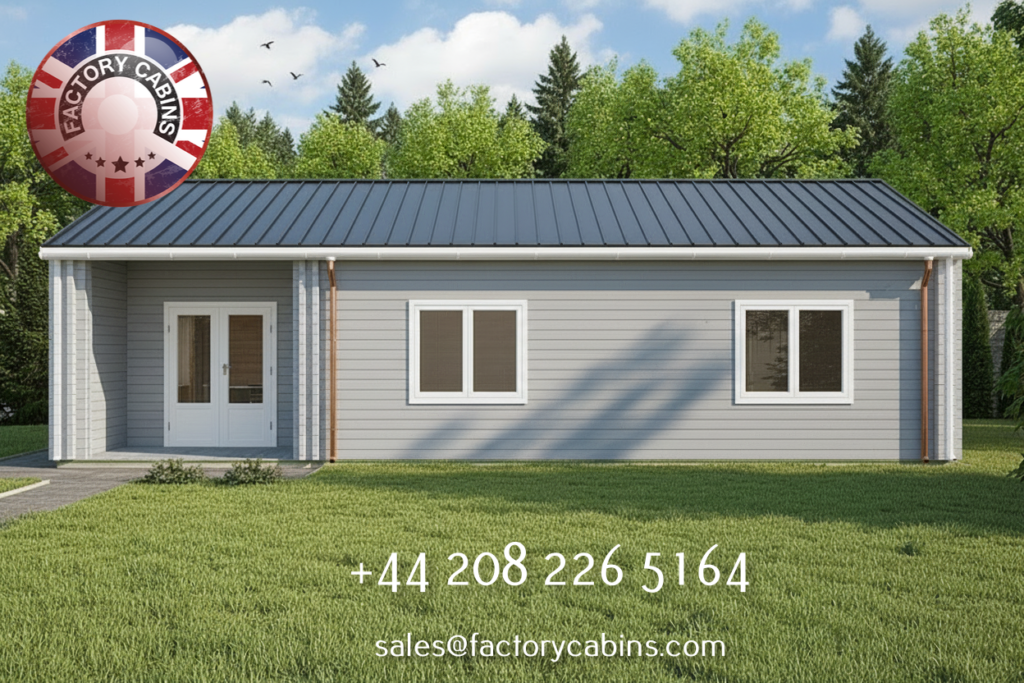
In heavily wooded areas, twin-skin log cabins offer a solution that minimizes environmental disruption while delivering high-performance structures. Rather than clearing wide paths for construction equipment, we can deliver pre-engineered sections through narrow forest trails.

These forest cabins feature:

  • Minimal footprint design: Reducing the need for extensive site clearing
  • Adaptable foundation systems: Allowing for installation on uneven terrain
  • Natural integration: Wood finishes that blend with forest surroundings
  • Enhanced insulation: For consistent interior temperatures despite forest microclimates

Coastal Properties: Where Salt Air Demands Superior Protection

Coastal locations present unique challenges with salt-laden air that accelerates corrosion and requires specialized materials. Twin-skin log cabins provide a solution that combines structural integrity with environmental resilience.

These coastal cabins feature:

  • Marine-grade hardware: Stainless steel components resistant to salt corrosion
  • Enhanced moisture management: Integrated systems to prevent salt-induced damage
  • Specialized finishes: Protecting wood from the harsh coastal environment
  • Optimized insulation: For consistent comfort despite coastal temperature fluctuations

The Quality Imperative: Why Twin-Skin Delivers Genuine Performance

For homeowners seeking a quality insulated building, the difference between twin-skin and conventional construction isn’t just about accessibility—it’s about genuine performance. When you choose a twin-skin log cabin, you’re not just solving an access problem; you’re investing in a building that delivers superior thermal performance, structural integrity, and longevity.

Thermal Performance: The Defining Difference

The most immediate benefit of twin-skin construction is its superior thermal performance. While conventional construction struggles to achieve U-values below 0.30 W/m²K (the current UK building standard), our twin-skin systems deliver U-values as low as 0.18 W/m²K—significantly better than modern residential construction.

This performance difference translates directly into:

  • Year-round usability: Spaces that remain comfortable in winter without excessive heating
  • Reduced energy costs: Minimal energy requirements for maintaining comfortable temperatures
  • Moisture control: Elimination of condensation issues that plague conventional structures
  • Long-term durability: Protection of timber structure from moisture-related damage

Structural Integrity: Built to Last

The interlocking design of twin-skin log cabins provides exceptional structural integrity that conventional construction cannot match. Our precision-engineered joints create a structure that:

  • Resists wind loads: Critical for exposed locations like coastal properties
  • Minimizes settlement issues: The interlocking system maintains integrity as timber adjusts to environmental changes
  • Distributes stress evenly: Preventing weak points that develop in conventional construction
  • Maintains thermal performance: Structural integrity is essential for maintaining the insulation cavity’s integrity

Longevity: A Building That Improves with Age

Perhaps most importantly, twin-skin log cabins deliver genuine longevity that conventional construction often fails to achieve. The combination of premium materials, precision engineering, and integrated moisture management creates a structure that:

  • Requires minimal maintenance: Unlike conventional structures that need regular repairs
  • Improves with age: Properly maintained wood structures develop a beautiful patina over time
  • Retains value: High-quality log cabins often appreciate as they age
  • Sustains performance: Thermal and structural performance remains consistent for decades

The Future of Construction: Accessibility as a Design Priority

As we look to the future, the importance of accessibility in building design will only increase. With growing environmental awareness and stricter regulations on site disruption, construction methods that minimize environmental impact while delivering high-performance buildings will become increasingly valuable.

Twin-skin log cabin technology represents a significant step forward in this evolution. By designing buildings that can access challenging locations with minimal disruption, we’re not just solving today’s construction problems—we’re creating a model for sustainable building practices that will become increasingly important in the coming decades.

This approach aligns perfectly with the growing demand for:

  • Sustainable construction: Minimizing environmental impact while delivering high-performance buildings
  • Adaptive design: Creating buildings that respond to specific site conditions rather than forcing sites to conform to standard construction methods
  • Resilient infrastructure: Building structures that can withstand extreme weather events and environmental changes
  • Resource efficiency: Maximizing the value of materials through precision engineering and minimal waste

Conclusion: Beyond Access—Creating Possibility

The true power of twin-skin log cabin construction extends far beyond solving accessibility challenges. It represents a fundamental shift in how we approach building design—a shift from forcing sites to conform to construction methods to designing construction methods that conform to site requirements.

For the homeowner with a dream location that conventional construction methods cannot reach, this shift means the difference between compromise and realization. It means transforming previously impossible sites into valuable, functional spaces that enhance property value and quality of life.

When you choose a twin-skin log cabin from Factory Cabins, you’re not just buying a building—you’re investing in a solution that:

  • Respects your site: Minimizing environmental disruption while maximizing space utilization
  • Delivers genuine performance: Providing year-round usability with superior thermal performance
  • Offers genuine value: Delivering high-quality construction at a reasonable cost
  • Solves real problems: Addressing accessibility constraints that conventional methods cannot overcome

The journey from inaccessible dream to realized reality begins with understanding that sometimes, the most significant barrier isn’t the terrain—it’s the construction method. By choosing a twin-skin log cabin solution, you’re not just building a structure—you’re creating possibility where none existed before.

Ready to transform your inaccessible dream site into a reality? Contact Factory Cabins today for a consultation on how our twin-skin log cabin technology can reach locations that conventional construction cannot. From Brighton to Margate and beyond, we deliver quality, accessibility, and performance that redefine what’s possible in garden building.

Please send us an email to sales@factorycabins.com

or call 0208 226 5164
Net Zero Timber Frame Buildings,

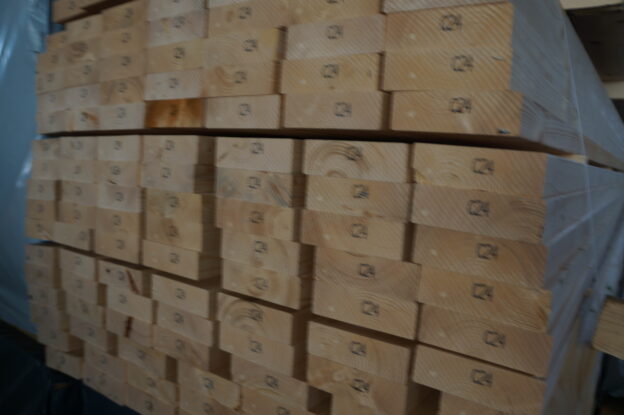
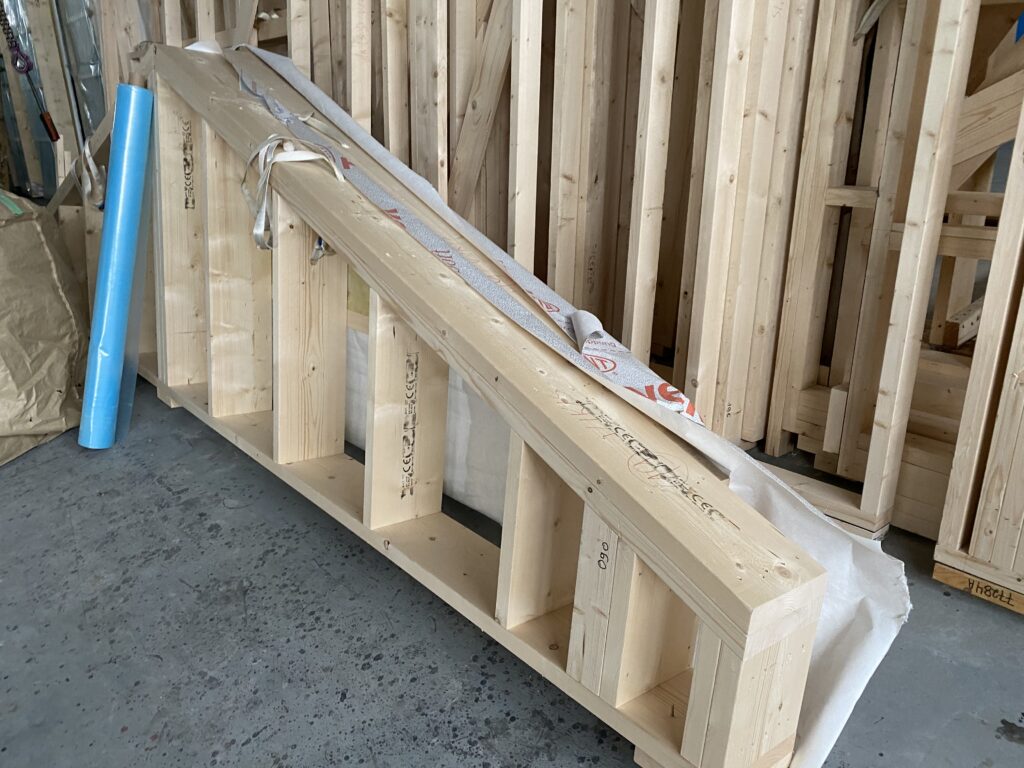
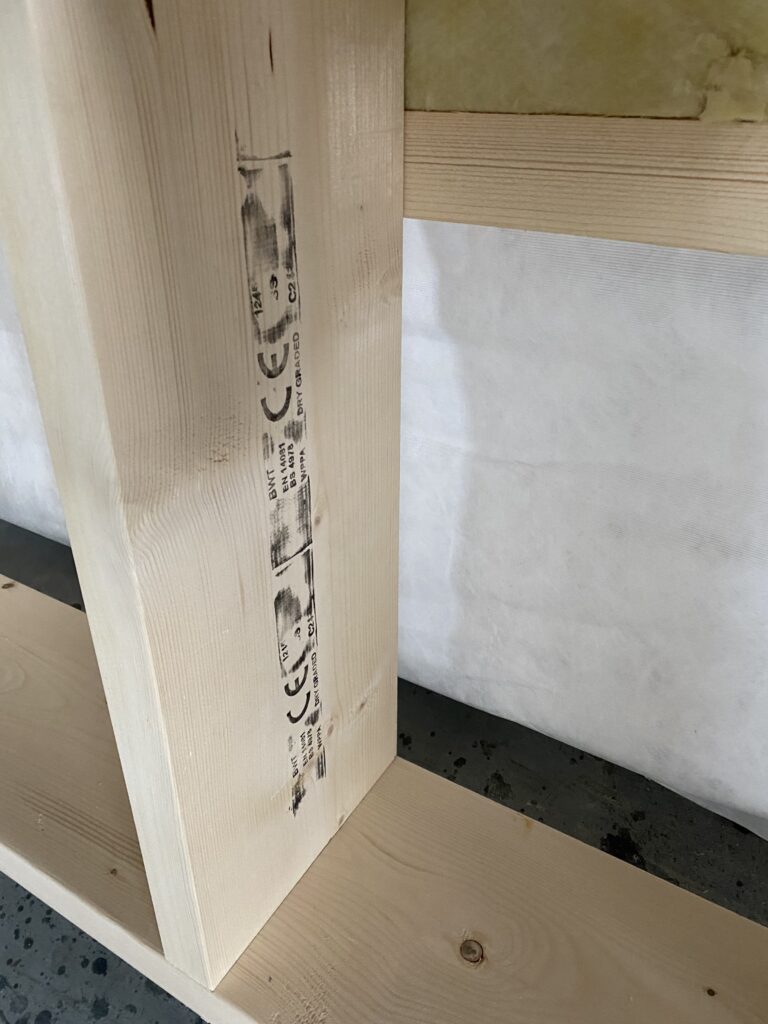
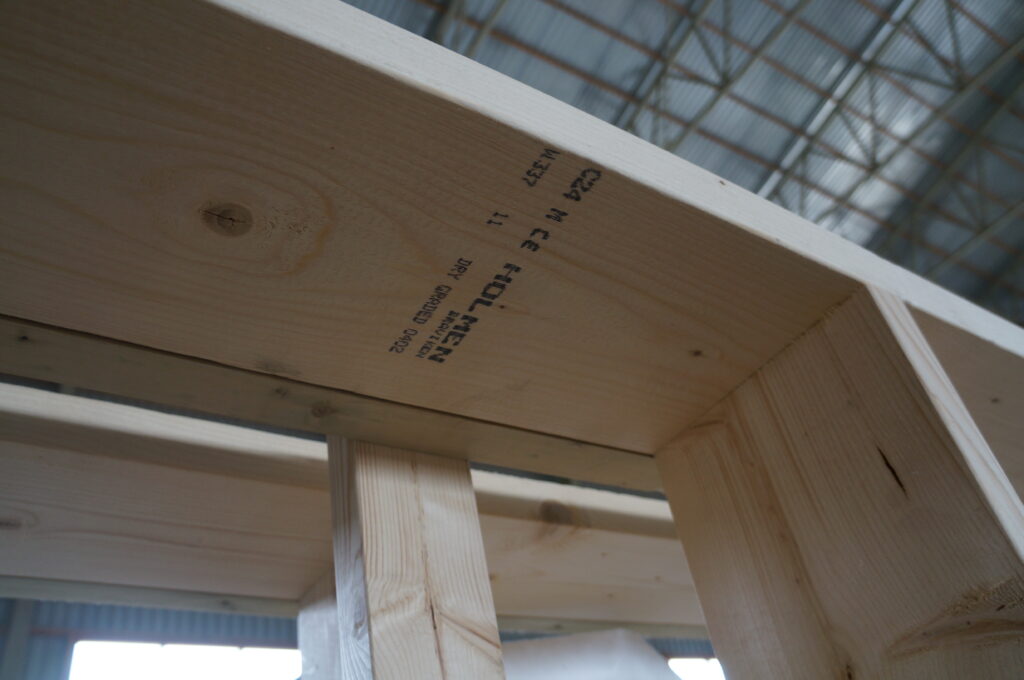
Factory Cabins uses only C24 in all our timber frame buildings, and here are a few reasons why:

What Is the Difference Between C16 and C24 Wood?
Choosing the proper type of timber is crucial to the success and longevity of your construction or timber building project. C16 and C24, two widely used timber grades, are frequently the source of concern and discussion. We shed light on the distinctions between C16 and C24 timber in this detailed reference, allowing you to make informed decisions while retaining the structural integrity of your construction.
Because we only utilise C24, we bring this up in today’s C16-C24 blog.

Examining C16 Timber in more Depth C16 softwood is a common softwood grade noted for its versatility and low cost. This grade is commonly utilised in a variety of building projects, such as roof trusses, floor joists, and stud walls. C16 wood has the following characteristics:

Durability and toughness
C16 wood has an average durability and life expectancy. Because it is acceptable for circumstances with less rigorous strength requirements, it is a common choice for light commercial and residential buildings.

Grading
C16’s letter ‘C’ stands for ‘Construction,’ indicating that it satisfies structural standards. The look, density, and structural qualities of timber are rated, with C16 being the lowest grade.

Common Applications
Internal framing and non-load-bearing buildings are common applications for C16 timber that do not require remarkable strength. It is an appealing alternative for a wide range of activities due to its versatility and low cost.

A Closer Look at C24 Wood
C24 timber provides a major advancement in terms of strength and durability. It is of the highest quality and is frequently used in high-end construction projects. Here’s all you need to know about C24 wood:

Extraordinary Results C24 timber is noted for its exceptional toughness and durability, making it ideal for structurally demanding applications. It is sturdy enough to withstand heavy weights while resisting bending and warping.

Grading
The letter ‘C’ in C24 also signifies structural certification. The ’24’ indicates a higher categorization than C16, implying exceptional capabilities.

Common Applications For high-load applications such as industrial buildings, bridges, and other vital structural sections, C24 timber is the material of choice. It is appropriate for applications requiring safety and longevity because to its high strength.

Choosing the Best Wood
It’s critical to evaluate your project’s individual requirements while picking between C16 and C24 lumber. Here are a few things to consider:

Capacity for Bearing Load
Because of its improved strength, C24 timber is the recommended choice for applications requiring large loads or crucial structural components.

Considerations for Cost
Because C16 lumber is less expensive, it is an appealing option for applications requiring less strength.

The Project Description
Take into account the nature of your project. C16 is typically utilised in residential and light commercial building, whereas C24 is employed in industrial or heavy-duty construction.

To summarise, understanding the distinction between C16 and C24 wood is critical for making informed building and woodworking decisions. While C16 is versatile and cost-effective, C24 stands out for its superior strength and durability. You may assure the structural integrity and endurance of your building initiatives by picking the appropriate grade according to the needs of your project.

Timber Frame Buildings For Sale In Kits

A Comprehensive Guide on Timber Frame Building

Please keep in mind that this article today contains a lot of repeated topics since I really want to emphasise what a timber frame is.

Timber Frame Buildings: The Epitome of Elegance and Functionality
Introduction
In the realm of timber frame buildings, our offerings stand as the epitome of elegance and functionality. With unparalleled craftsmanship and attention to detail, we present to you a remarkable array of timber frame buildings that are designed to redefine your concept of comfort, aesthetics, and sustainability.

The Artistry of Timber Frame Construction

A Timeless Craft

Our timber frame buildings are a testament to the timeless craft of woodworking. In a world that often rushes through construction processes, we take a step back to celebrate the art of timber framing. The result? Structures that exude warmth, character, and an enduring charm that transcends trends.

Exceptional Quality

We don’t compromise on quality. Our timber frame buildings are constructed using the finest selection of sustainable timber. Each piece is meticulously chosen, handcrafted, and joined with precision. The result is a building that’s not only beautiful but also durable, capable of withstanding the test of time.

Customization for Your Unique Needs

Tailored to Perfection

We understand that every project is unique, and so are the needs of our clients. That’s why our timber frame buildings are fully customizable. From the layout to the finishing touches, you have the freedom to design your dream space. Whether it’s a cozy cabin in the woods or a sprawling estate, we have the expertise to make your vision a reality.

Green Building Practices

Sustainability is at the core of our philosophy. We take pride in employing green building practices that minimize our environmental footprint. Our timber frame buildings are not only energy-efficient but also constructed with materials that are sourced responsibly.

Advantages of Timber Frame Construction

Aesthetic Versatility

Timber frame buildings offer a world of aesthetic possibilities. The exposed wooden beams and open spaces create an atmosphere of rustic elegance that’s hard to match. From traditional to contemporary designs, timber frame construction seamlessly adapts to your preferred style.

Structural Integrity

The durability and strength of timber frame structures are unparalleled. Our buildings can withstand the harshest of weather conditions, making them ideal for various applications, including residential homes, commercial spaces, and more.

Energy Efficiency

Timber frame construction inherently provides excellent insulation. The natural insulating properties of wood help regulate indoor temperatures, reducing energy consumption and costs. It’s a sustainable choice that’s kind to both your wallet and the environment.

The Beauty of Natural Wood

Aesthetic Appeal

Timber frame buildings showcase the innate beauty of natural wood. The warmth, color, and texture of the wood add a unique charm to any space. From the moment you step inside, you’ll be enveloped by the cozy ambiance that only timber can provide.

Low Maintenance

While wood is often associated with high maintenance, our timber frame buildings are designed to be low-maintenance. We employ treatments and finishes that protect the wood from the elements, ensuring longevity without the need for constant upkeep.

In the world of timber frame buildings, we are the standard-bearers of craftsmanship, quality, and sustainability. Our dedication to excellence ensures that your timber frame building will be a testament to enduring beauty, strength, and environmental responsibility. Choose us, and let us help you create a space that transcends the ordinary and stands as a testament to your unique vision.

Embrace the Timeless Elegance of Timber Frame Buildings

A Lasting Legacy

The legacy of timber frame construction dates back centuries. The longevity of timber frame buildings is a testament to their enduring charm. These structures have been known to stand strong for generations, and we ensure that your investment is one that will be cherished by your family for years to come.

Unique Architectural Features

Timber frame buildings provide an open canvas for architectural creativity. From cathedral ceilings and grand entryways to intricate truss designs, the possibilities are endless. Our team of expert craftsmen can bring your vision to life, creating unique, eye-catching features that make your building truly one-of-a-kind.

The Advantages of a Timber Frame Home

Health and Well-Being

Timber frame structures are known to provide better indoor air quality. The use of natural materials and minimal chemical treatments ensures a healthier living environment. Breathe easy, knowing your family is living in a space that prioritizes their well-being.

Versatility in Design

Whether you’re dreaming of a cozy retreat, a spacious family home, or a commercial space, timber frame construction can cater to your needs. Its adaptability and versatility in design ensure that your vision can be fully realized without compromise.

Why Choose Us?

Unwavering Commitment

Our commitment to delivering exceptional quality is unwavering. Every timber frame building is a labor of love, and we take pride in being part of your journey to creating a space that you can truly call your own.

A Team of Experts

Our team is comprised of highly skilled and experienced professionals who are passionate about what they do. We have a long history of crafting timber frame buildings that have garnered praise for their beauty, durability, and eco-friendliness.

Customer Satisfaction

We measure our success by the satisfaction of our clients. Your dream is our mission, and we strive to exceed your expectations with each and every project. Our customer testimonials and

Timber frame buildings are not merely structures; they are works of art that seamlessly blend tradition, elegance, and sustainability. Our commitment to excellence, customization, and quality ensures that your timber frame building will be a masterpiece that leaves a lasting impression.

Choose us, and let us help you create a space that stands out not only in terms of SEO rankings but in the hearts of those who experience its beauty and functionality.

Embark on Your Timber Frame Journey Today

The Decision to Choose Excellence

Choosing a timber frame building is more than just a construction decision; it’s a statement of your commitment to timeless quality and sustainability. The decision to embrace timber frame construction is the first step towards a living space that encapsulates the essence of comfort, style, and environmental responsibility.

The Beginning of a Beautiful Journey

Every timber frame project starts with a vision. We take your dream and turn it into a tangible reality, ensuring that every detail, no matter how intricate, is executed with precision. Our journey together begins with a conversation, where we understand your needs, desires, and design preferences. From there, we embark on a path towards creating a masterpiece.

Timber Frame Building Process

Design and Planning

The design phase is where your vision comes to life. Our expert designers work closely with you to create a blueprint that captures your desired aesthetic, space layout, and architectural features. This stage is crucial, as it sets the foundation for the entire project.

Craftsmanship and Construction

Once the design is finalized, our skilled craftsmen take over. They hand-select the finest timber and begin the meticulous process of joinery, ensuring that each piece fits together with precision.

Your timber frame building is a canvas for customization. From the type of wood used to the finishing touches, every aspect of your project can be tailored to your preferences. Whether you desire a modern, minimalist look or a rustic, cozy atmosphere, we have the expertise to make it happen.

Sustainability

We are committed to eco-friendly building practices. Our choice of sustainable materials and energy-efficient construction techniques not only reduce environmental impact but also lower long-term energy costs, making your timber frame building an investment in the future.

Elevate Your Lifestyle

Timeless Beauty

The beauty of timber frame buildings is not limited to their construction. It extends to everyday life within these spaces. The warmth of natural wood, the grandeur of open spaces, and the sense of connection to the environment all contribute to a lifestyle that is truly exceptional.

Comfort and Efficiency

Timber frame buildings are not just beautiful; they are highly functional. The structural integrity and energy efficiency of these buildings provide comfort and cost savings that are unparalleled.

Thank you reading our long Blog, I hope you have a far better understand about Timber Frame Building-Kits

+44 208 133 5164

The Comprehensive Net Zero Highly Insulated Timber Frame Construction Guide’s Introduction

In this extensive article, we examine the subject of timber frame construction, a topic of great interest and relevance in the worlds of modern architecture and homebuilding. Timber frame construction is appealing to both homeowners and builders because it is both aesthetically pleasing and environmentally sustainable. Our goal is to provide you a complete understanding of timber frame construction, from its history and benefits to the step-by-step process and maintenance.

An Overview of Timber Frame Construction

Timber frame construction is a centuries-old technique that has been used for generations. Its history may be traced back to mediaeval Europe, where it was extensively used to construct massive cathedrals and castles. This historic technique is having a comeback nowadays due to its exceptional lifespan and eco-friendliness.

Chapter 1: The Advantages of Timber Frame Construction

1.1. Timber frame construction offers several advantages, including:

• Timber frames provide excellent insulation, cutting energy consumption and utility costs.
• Timber is a renewable resource, it is an environmentally friendly choice.

1.2 Timber frames are known for their long life, with some structures lasting centuries.

1.3 Timber enables both intricate architectural ideas and open floor plans.

Chapter 2: Design and Planning

2.1 Precision planning and design are the foundations of any successful wood frame project. Architects and engineers work together to create exact designs that take into account every component of the construction.

2.2 Timber Selection. The selection of the proper timber is important to the project’s success. The type of wood, grade, and moisture level must all be rigorously evaluated to ensure structural stability. Stick building on site is the worst technique to build a timber frame building; timber frame houses must come in factory-made, 99% finished panels. Choosing the correct organisation with a history of integrity and high levels of quality is also important.

2.3 Joinery and Building. One of the most striking features of timber frame building is the exact joinery that holds the framework together. Craftsmen create joints like mortise and tenon, resulting in a strong and long-lasting foundation. This is determined by whether you are constructing a post-and-beam wooden house or segments. The difference is enormous, as portions, and its potential to be almost Passive air tightness is quite important, whereas post and beam are not.being divided into segments

2.4 Raising the Frame. The frame is created on-site, and this process, known as “raising the frame,” is a big deal. Careful coordination and expert labour are necessary to ensure that all components fit perfectly.

2.5 Once the structure is in place, the enclosure phase, which includes adding walls, roofing, and insulation, begins.

Chapter 3: Inspections of Timber Frames

3.1 Regular inspections are necessary to maintain the longevity of your timber frame construction. Look for evidence of wear, pest infestations, and moisture damage.

3.2 Cleaning and Refinishing. Cleaning and refinishing timber frames on a regular basis helps to protect the wood and preserve its natural beauty.

3.3 Timber frame construction is a time-honored and environmentally beneficial building method that offers numerous benefits. Its ageless beauty and structural stability make it a great choice for homeowners and builders alike. By following these instructions and ensuring sufficient upkeep, you can enjoy the beauty and longevity of a timber frame construction that stands the test of time.

Chapter 4: Building Speed

4.1 The rapid construction of timber frame buildings is well known.
Pre-cut components and efficient joinery allow for faster construction, lower labour costs, and shorter project timeframes when compared to traditional methods.

4.2 Environmental Consequences. As the world becomes increasingly ecologically concerned, timber frame construction shines as a sustainable answer. Timber is a renewable resource, and timber frame homes emit significantly less carbon than concrete or steel structures.

4.3 Design Flexibility Timber’s versatility allows it to be used in a broad variety of architectural styles and layouts. Unlike solid materials such as concrete, timber allows for open floor plans, adaptations, and intricate features.

4.4 Conservation of Energy Timber frame constructions provide excellent thermal performance and insulation. This results in lower energy use and heating and cooling costs over time.

Chapter 5: Timber Frame Construction Tips and Best Practises.
Here are some suggestions and best practises to bear in mind to ensure the success of your timber frame project:

5.1 Work with Skilled Professionals Working with expert architects, engineers, and timber frame builders is essential. Their expertise will guide your project from conception to completion.

5.2 Choosing the Best Timber. Choose timber species that are suitable for your climate and project requirements. Popular woods include Oak, Larch, Douglas Fir, and Cedar.

5.3 Consider Insulation Alternatives While timber frames provide natural insulation, further insulation methods should be investigated to meet modern energy efficiency demands.

5.4 Maintenance Plan. Timber frame homes’ beauty and structural integrity must be maintained on a regular basis. Make a maintenance schedule to deal with problems as they emerge.

Chapter 6: Timber Frame Construction Success Stories.
Here we provide real-world examples of timber frame building success stories, underlining the beauty, durability, and sustainability of timber frame construction.

6.1 Our Timber Frame Designs All our timber frame insulated houses are designed to blend perfectly with its idyllic setting. Timber-framed buildings can be designed with lots of glass; however, the packages in the frames are designed to be net zero, offer spectacular views and abundance of natural light, making it the ideal sanctuary for their owners.

6.2 The Eco-Friendly Residence. Our net zero timber frame houses incorporates green building practises, making it a long-lasting model. Its energy-efficient design and use of renewable materials show how timber frame buildings can be environmentally conscious while still affording luxury.

6.3 The Sustainable School Project. A local school district set out with the goal of creating an environmentally friendly educational facility. The optimal answer turned out to be timber frame construction. The school’s timber frame design not only reduced its carbon footprint but also created a warm, inviting environment conducive to learning. This project demonstrates how timber frame building can help create more sustainable educational spaces. Highly insulated timber-framed kindergartens and schools do not have to be ugly brick buildings; we need to teach the next generation why timber frame, net zero, is their future, and to teach is to show.

6.4 The Timber Frame Forest Retreat This timber-framed cabin, high in the mountains in forest, offers an idyllic respite from the rush and bustle of daily life. Its use of locally sourced timber and good insulation allows it to blend in with its surroundings while providing the amenities of a modern home. This retreat shows the peaceful coexistence of timber frame construction and nature.

Chapter 7: Resources for timber frame construction
Resources that will be valuable to both amateurs and professionals interested in timber frame construction

Organisations and Associations for Timber Frames
The Timber Framers Guild is a non-profit organisation that promotes and preserves the craft of timber framing.

Forest Stewardship Council (FSC): An international body that validates ethically supplied timber All our timber is C24, KD, FSC, or PFC.

Chapter 8: Timber Frame Construction and Home Value.
This chapter explains why wood frame construction is a worthwhile investment and how it can raise the value of your home.

8.1 Increased Property Value. Because of its inherent appeal, energy efficiency, and longevity, timber frame homes usually command higher resale prices. Buyers are willing to pay a premium for the timeless beauty and eco-friendliness of timber-framed buildings.

8.2 Energy Efficiency Savings. Timber frame houses are widely known for their energy efficiency. Lower energy bills and maintenance costs result in significant savings for homeowners over time, making timber frame construction an enticing option for those looking for long-term value.

8.3 Traditional Aesthetics The elegance of timber frame architecture transcends fads and fashion. Because of its timeless and attractive design, your property will remain desirable and relevant for future generations, increasing its value.

Chapter 9: Timber Frame Construction Has a Long History.
In this final chapter, we will look at the long-term legacy of timber frame construction.

9.1 Future Generations’ Longevity Timber frame buildings sustainability and eco-friendliness extend beyond the present; they are a gift to future generations. We contribute to a more sustainable environment by using a timber frame while also leaving behind structures that serve as examples of excellent building practises.

9.2 Craft Preservation Timber frame construction is more than just a building method; it is a living tradition. By assisting this industry, we ensure that the knowledge and skills of timber frame artisans are passed down through the generations, preserving a rich cultural heritage.

Frequently Asked Questions

Q1. What Exactly Is Timber Frame Building?

A1. Timber frame construction is a building method that uses timber posts and beams to create a structural framework. This framework is then filled with panels or other materials to construct walls. It is well-known for its durability, long-term viability, and design diversity.

Q2. Is timber frame construction suitable for modern homes?

A2. Absolutely. Timber frame construction’s design adaptability makes it a good choice for modern, minimalist, and contemporary architectural styles. It can also be used with other materials, including glass and steel, to create a unique and modern look.

Q3. What Is the Difference Between Timber Frame and Steel Frame Construction?

A3. Timber frame construction has several advantages over steel or concrete construction. It is more environmentally friendly, has superior insulation, and is less difficult to construct. While steel and concrete offer advantages, the ecological nature of timber frames is becoming increasingly appealing in today’s environmentally conscious world.

Q4. How Efficient Are Timber Frame Homes?

A4. The energy efficiency of timber-framed homes is widely recognised. Timbers natural insulating properties, when combined with modern insulation methods, result in homes that are easy to heat in the winter and cool in the summer, resulting in lower energy costs.

Q5. How Much Maintenance Is Necessary for Timber Frame Construction?

A5. Timber frame homes must be regularly evaluated for signs of degradation, pest infestations, and moisture damage. Cleaning and refinishing the wood on a regular basis also aids in the preservation of its integrity and appearance.

At Factory Cabins, we hope by providing answers to frequently asked questions and outstanding resources, we strive to provide you with the knowledge and assistance you need to embark on a wood frame construction adventure. Whether you’re a homeowner searching for an eco-friendly housing alternative or a builder looking for fresh ideas, timber frame construction has a lot to offer.

Factory Cabins is one of the only companies that is British owned and is based at the beginning of the largest forest on the planet. We bring Norwegian and UK quality together to bring the best-quality homes to the market. We are not the cheapest, but our quality level far surpasses everyone else when it comes to honesty of build. When you look at our material and build specification and then compare that to other companies, you will find that our specification is so way above what’s offered in the UK, its chalk and cheese, and we are cheaper.

In this comprehensive guide on timber frame construction, we’ve covered the history, benefits, construction method, care, and much more. Timber frame construction is a greener, more energy-efficient, and visually appealing alternative to traditional building technologies. By providing answers to frequently asked questions and outstanding resources, we strive to provide you with the knowledge and assistance you need to embark on a wood frame construction adventure. Whether you’re a homeowner searching for an eco-friendly housing alternative or a builder looking for fresh ideas, timber frame construction has a lot to offer.

We hope that this thorough reference gives you the information and inspiration you need to make informed decisions about timber frame construction. Our commi…

Thank you for reading this.
Please call or email
+44 208 133 5164.
sales@factorycabins.com

Introduction Timber Frame Building: A Traditional Craftsmanship for Elegant Homes

Welcome to our thorough introduction to timber frame building, the pinnacle of enduring craftsmanship and the distinguishing feature of luxurious homes. At Factory Cabins, we take great pride in our knowledge of wood frame building and our ability to provide customers looking for amazing homes that endure the test of time with unmatched quality and creativity. This essay will explore the beauty and benefits of timber frame construction, exhibiting its distinctive qualities and demonstrating why it is the best option for discriminating people wishing to build their ideal houses.

Timber frame construction’s Allure

Honouring Tradition and Style
Timber frame construction is a tribute to the continuing beauty of handicraft in a time of mass-produced buildings. It exemplifies the blending of elegant architecture with natural materials to create residences that radiate charm, warmth, and individuality. By combining creativity and utility in an engaging way, the ancient techniques that have been handed down through the centuries capture the essence of time-honored building methods.

Outstanding Longevity and Durability

The great endurance of timber frame construction is one of its noteworthy features. Timber can last for millennia if it is properly cared for and managed. Homes that are structurally solid and can withstand the elements with grace and resilience are produced by the natural strength of timber combined with precise joinery techniques. You leave a lasting legacy for future generations when you invest in a timber frame house in addition to providing a safe haven for your family.

Sustainable and green construction techniques

Timber frame building stands out as a shining example of environmental friendliness in a time when sustainability is crucial. Timber is a renewable resource, therefore using it in building lessens the need for non-renewable materials. A great option for lowering your home’s carbon footprint is timber because of its outstanding capacity to store carbon. While taking advantage of the many advantages of this green building technique, you can actively contribute to a greener future by choosing timber frame construction.

The Construction of Timber Frames

Making Your Vision Real

At Factory Cabins, we recognise that your ideal house is a manifestation of your distinct character and way of life. In close collaboration with you, our team of talented designers and architects develops a unique timber frame design that perfectly captures your idea. We diligently construct every aspect of your home, from the first conceptualization to the final plans, making sure that it becomes a flawless fusion of aesthetics, functionality, and customization.

Selection of Timber and Craftsmanship

Careful selection of high-quality wood is essential to the building of timber frames. Each piece of wood is thoughtfully selected, with attention given to its durability, aesthetic appeal, and suitability for the intended use. Then, our group of skilled craftsmen use time-tested joinery methods like mortise and tenon to make precisely fitting connections that improve your home’s structural soundness as well as its aesthetic appeal.

Building and assembling

The construction and assembly phase starts after the meticulously produced timber pieces. Our skilled staff pays close attention to every last detail to guarantee that every joint is completed precisely, protecting the structural integrity and lifespan of your wood frame home. As the beauty of the exposed beams and intricate connections take shape, this phase demonstrates the true artistry of timber frame construction, inspiring amazement and respect.

Enclosure and Final Details

The enclosing phase starts as the timber frame building nears completion. Your home will be covered in materials that maximise energy efficiency and comfort thanks to the diversity of alternatives available, including energy-efficient panels and insulation systems. Our team works tirelessly to integrate the finishing touches you desire, such as tasteful trims and mouldings, unique doors, and windows, making sure that every element of your timber frame home matches your tastes and style. The end product is a truly exceptional living place that harmoniously combines functionality, beauty, and individuality.

Timber frame construction benefits

Flexibility in Design
Unparalleled design versatility provided by timber frame construction enables the production of one-of-a-kind architectural marvels. Because of the inherent strength of wood, open, roomy areas may be built with little support, allowing for flexibility in structure and design. Timber frame construction may make your dream home a reality, whether it’s a big cathedral-like great room, a cosy nook with exposed beams, or a combination of both. This will allow your house to truly reflect your taste and unique personality.

Warmth and Beauty of Nature

Timber frame homes are unmatched for their cosiness and all-natural beauty. The delicate craftsmanship and exposed wood beams produce a warm, inviting ambiance that evokes a sense of serenity and harmony with nature. Timber is a classic material that withstands fashion fads because of its natural tones and textures, which lend a sense of refinement to any setting.

Energy Savings

Timber frame structure has high insulating qualities and is inherently energy-efficient. As a result, less excessive heating or cooling is required because of the thermal mass of wood. Furthermore, the building process enables the seamless integration of energy-efficient insulation materials, assuring maximum energy efficiency and lowering utility costs. By choosing timber frame construction, you can build a sustainable home while simultaneously reducing your energy use and leaving less of an environmental footprint.

Adaptability and Versatility
Due to its great adaptability and adaptability, timber frame building is appropriate for a variety of architectural styles and uses. Timber frame construction can satisfy your preferences whether you want a modern hideaway, a historic manor, or a rustic country house. It melds with other construction materials with ease, enabling imaginative pairings and startling architectural contrasts. Furthermore, timber frame constructions are flexible enough to adapt over time to changing requirements because they are easily expandable or modified in the future.

Superior Timber Frame Construction Outperforms Competitors
We at Factory Cabins stand out from the competition because to our dedication to excellence and commitment to offering the best timber frame construction. We guarantee that your timber frame home exceeds expectations and stands out from the competition via our thorough attention to detail, unsurpassed craftsmanship, and unrelenting pursuit of perfection.

Your website and content will be prepared for success in the digital sphere thanks to the in-depth knowledge of search engine optimisation (SEO) tactics held by our team of skilled professionals. We enhance your online presence by combining pertinent keywords, captivating descriptions, and thorough content, positioning your website to outrank rivals and draw organic traffic.

We advise incorporating visually stunning and instructive diagrams utilising Markdown Mermaid syntax to further improve the efficiency of your website. These graphics may captivate your audience and improve the user experience overall by illuminating the complicated joinery processes, construction process, and design possibilities of timber frame construction.

Conclusion
The apex of traditional craftsmanship, timber frame construction stands out from other building techniques because to its many benefits. Timber frame homes serve as testaments to the ideal fusion of creativity and functionality, from their innate beauty and eco-friendliness to their excellent durability and energy efficiency.

The outstanding timber frame homes that Factory Cabins specialises in building go above and beyond expectations and capture the imagination. Our team of qualified experts is committed to helping you outrank rivals and highlight the superiority of your wood frame homes. They are equipped with unmatched skills in timber frame construction and SEO methods.

To start the process of building a timber frame home that fuses the appeal of heritage with the ingenuity of modern living, get in touch with us right now. Together, we will realise your ideal home, leaving a lasting testament to our skill, beauty, and sustainability for future generations.

Our Building standard to which we build all our timber frame to.

These are the Norwegian build regulation, which are extremely high when it comes to quality, and keeping your house warm in the winter and cool in the summer.

  1. TEK 17 offers a high level of energy efficiency and sustainability and meets with the most recent European requirements.
  2. It offers a more comfortable indoor environment with better protection from heat and cold.
  3. It promotes the adoption of energy-efficient products and renewable energy sources.
  4. It improves fire safety regulations, enhancing the security and safety of buildings.
  5. It calls for efficient moisture protection, creating healthier indoor settings.
  6. It necessitates better acoustic insulation, giving buildings superior sound insulation.
  7. It calls for more effective ventilation systems, better air quality, and less air pollution.
  8. It necessitates better thermal insulation, which lowers energy use and emissions.
  9. It necessitates using more renewable resources, reducing the environmental impact of buildings.
  10. It necessitates enhanced air tightness, assisting in the reduction of emissions and energy use.
  11. It calls for better lighting systems that use less energy and emit fewer emissions.
  12. It calls for better air leakage control, as well as lower energy use and pollutants.
  13. It necessitates enhanced thermal bridging, which lowers energy use and emissions.
  14. It calls for better window insulation, which lowers energy use and pollutants.
  15. It necessitates more daylighting while lowering energy use and emissions.
  16. It necessitates enhanced heat recovery systems that cut down on pollutants and energy use.
  17. It necessitates improved U values for floors, walls, and ceilings, lowering energy use and emissions.
  18. It necessitates better U values for windows, cutting down on pollutants and energy use.
  19. It calls for increased U values for doors, which lowers energy use and emissions.
  20. It necessitates better U values for roofs, cutting down on energy use and emissions.