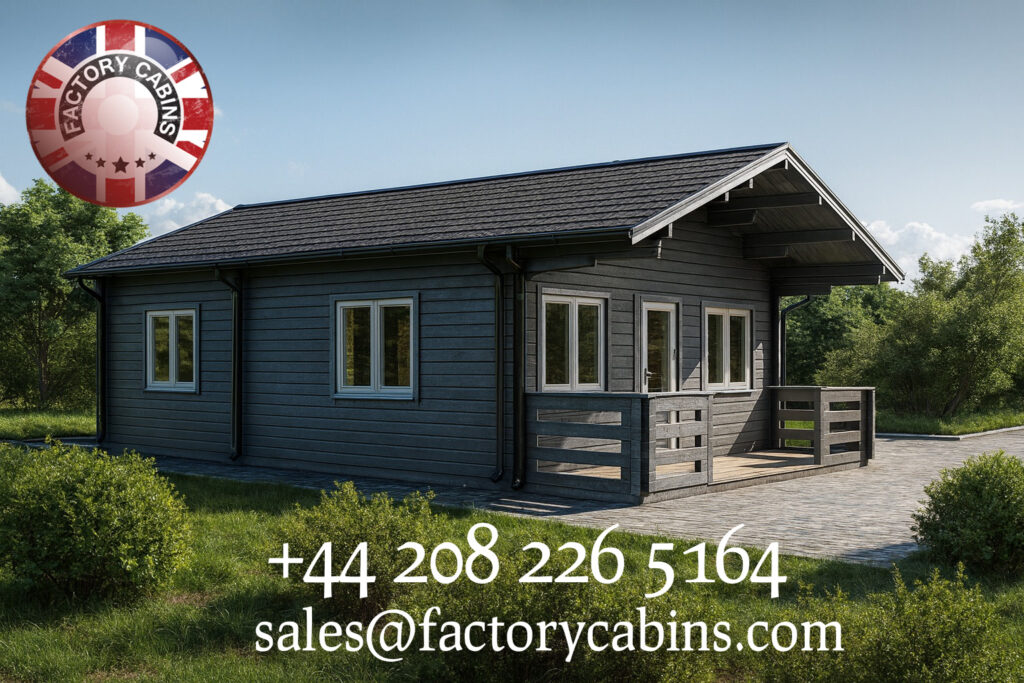
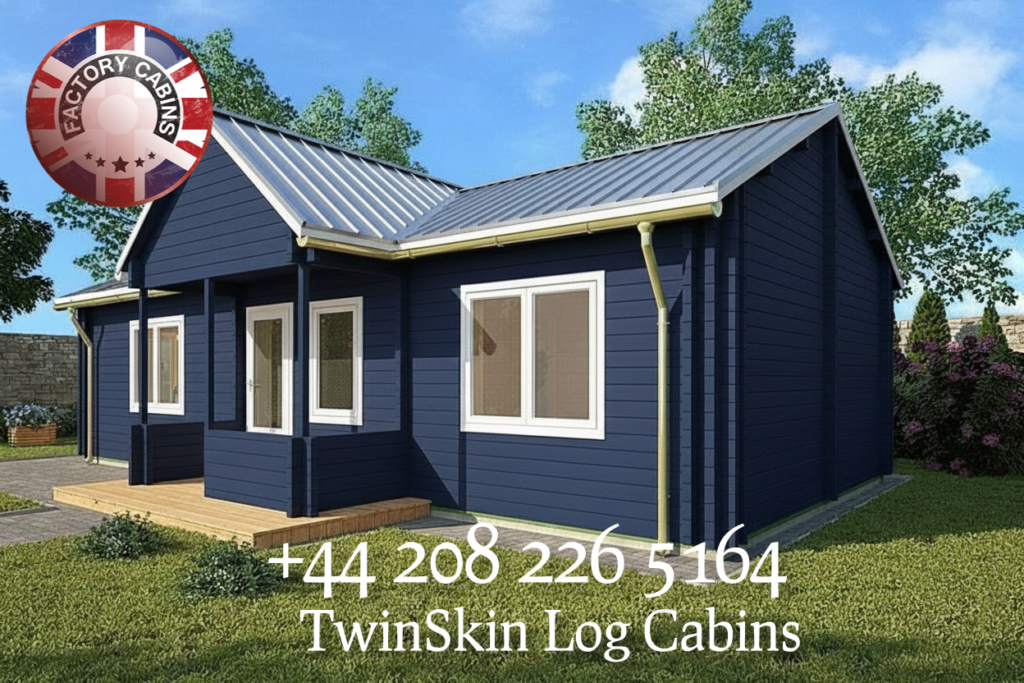
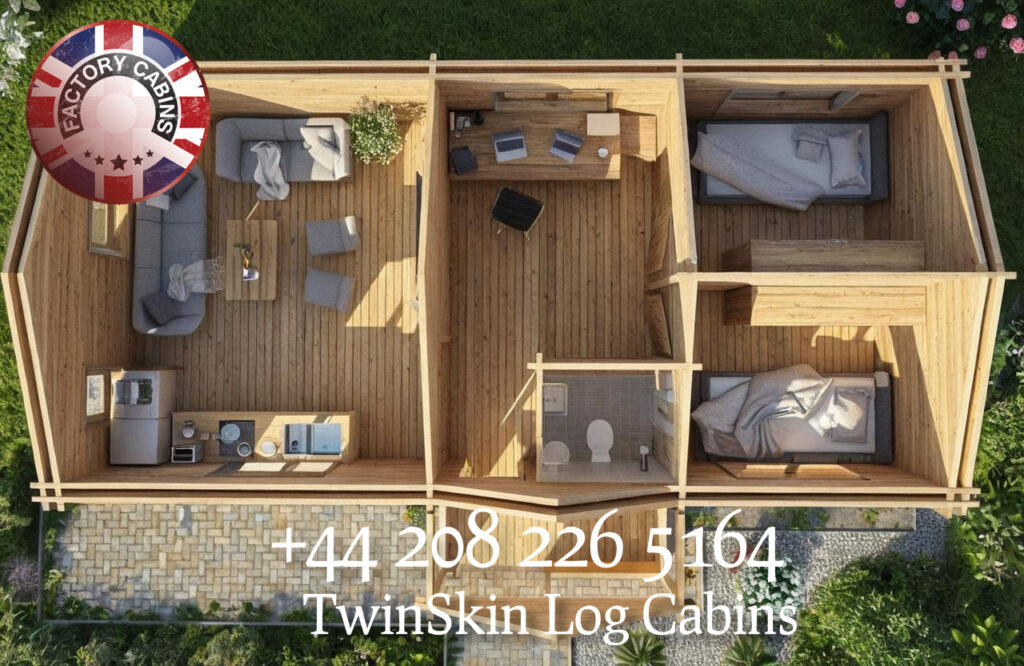
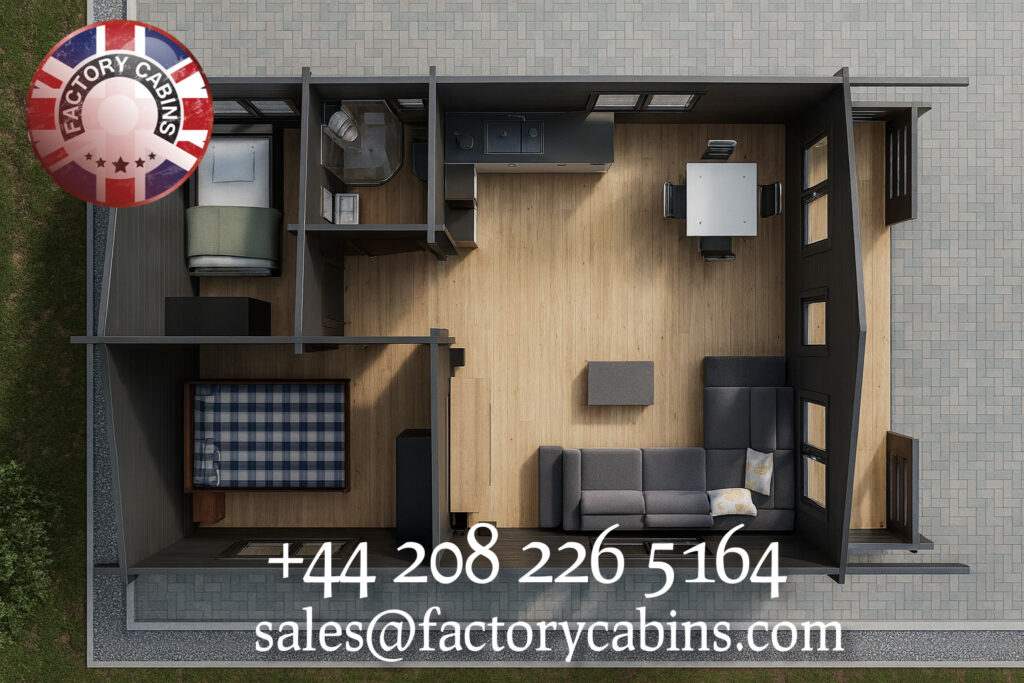
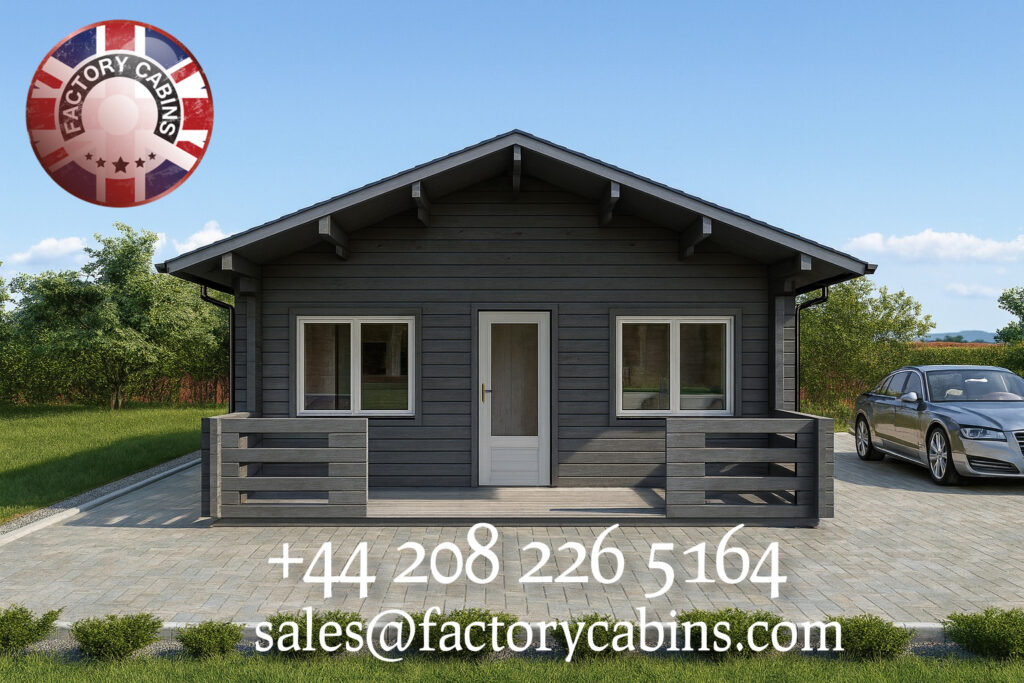
Category Archives: Bespoke Timber Frame Log Cabin Designs

The Micro House Mirage: Why Timber-Frame Is the Real Small Home Solution

Micro Houses, and the Truth.
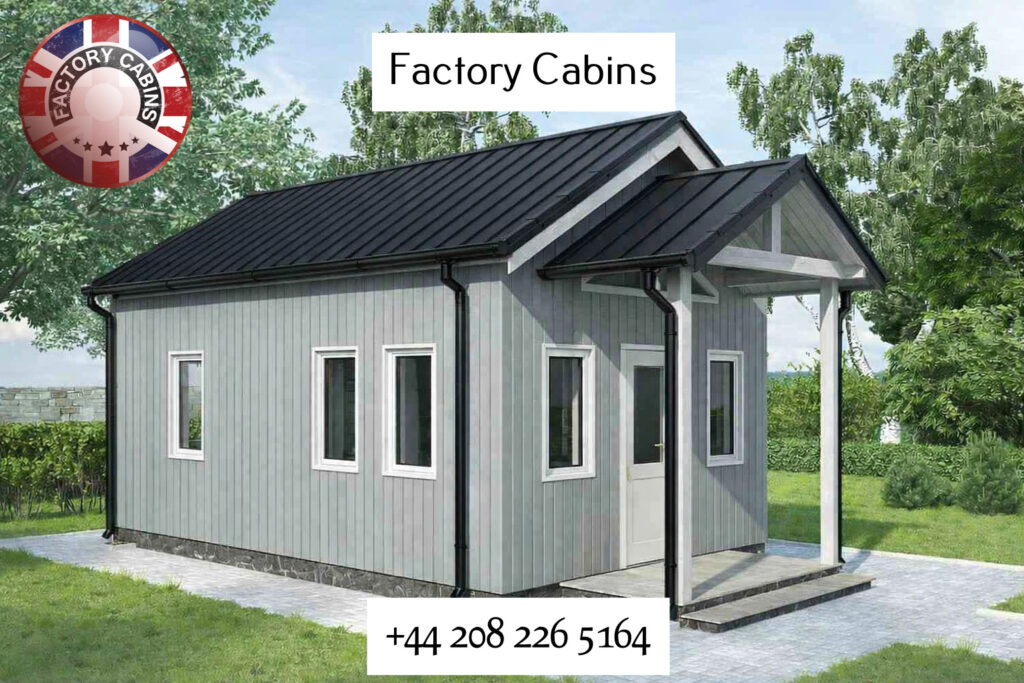
The idea of living small is everywhere now. Scroll through Instagram, flip through a magazine, or listen to a podcast, and you’ll see these dreamy promises: step into a tiny, perfectly designed cube, sphere, or pod—embrace radical simplicity, toss out the mortgage, and forget about endless maintenance chores and wasted space. The “micro house” movement, as it’s sold today, is all about looks. It’s more about the aesthetic than the actual lifestyle. Once you get past those cinematic drone shots and minimalist setups, there’s a problem buyers are starting to notice: a lot of what claims to be “micro housing” isn’t anything of the sort. It’s expensive, overdesigned, and crammed into a small box, but it falls apart when real life moves in.

Highly Insulated Tiny Houses cost pennies to heat!

Strip away the marketing, and what you get is this: How should we really build small? Should we chase flashy shapes and custom everything, or stick to proven construction methods and simply size them down? More and more, the answer is timber-frame. When you do timber-frame right, a micro house isn’t a sacrifice. It feels like precision—it’s just a smaller, legitimate home that meets standards and keeps you comfy year after year. Unlike those geometric pods that only look good online, timber-frame micro homes survive daily life, time and time again.

The Illusion of “Micro” Housing

“Micro” used to mean something practical—a scaled-down home to lower costs, cut environmental impact, and make maintenance easier. Early pioneers figured out that downsizing meant rethinking storage, flow, and how the space could multitask. Then the movement went mainstream. Now “micro” is more about branding than actual design.
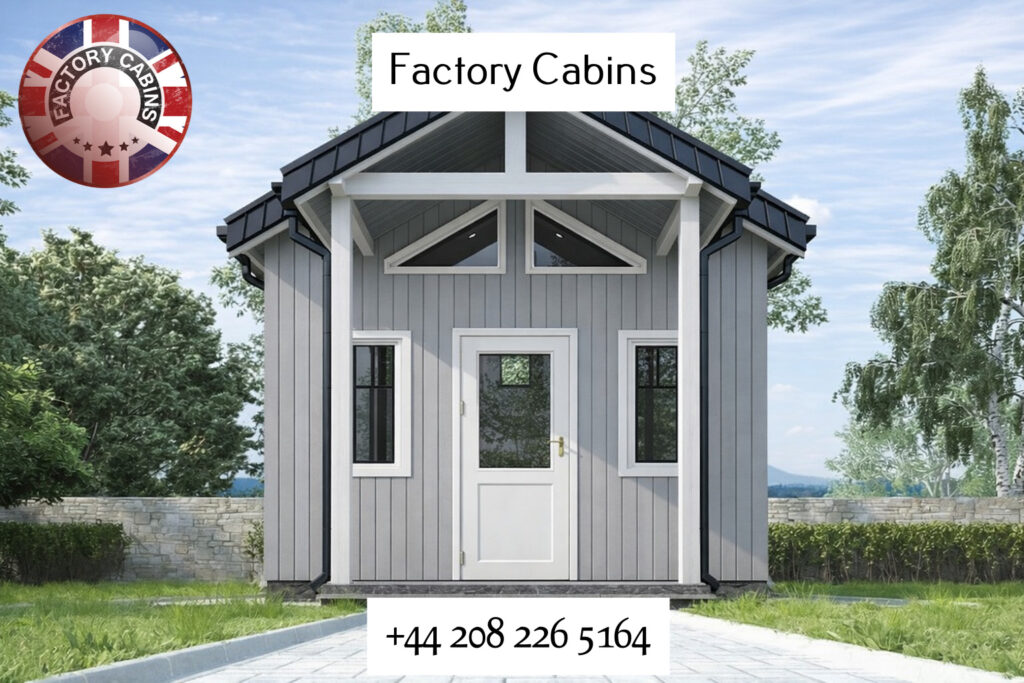
Tons of companies push structures between 200 and 400 square feet as “affordable micro homes,” but price them at $80,000, $150,000, or even higher. Add in prepping the land, utility hookups, permits, and delivery, and your total is often just as high—or higher—than an ordinary starter home. Many of these so-called micro homes come loaded with fancy appliances, custom woodwork, and designer fixtures, which totally contradict the whole “affordable” angle. They’re built for photos, not for real people.

And if you look closer, you’ll notice these designs ignore how folks actually live in a tiny space. Open layouts, perfect for an 800-square-foot apartment, turn chaotic in 250 square feet. Sleeping lofts with ladders aren’t ideal as you age. Thin walls and bad insulation make these places miserable in harsh weather. So what looks innovative on paper turns into a headache in day-to-day life. Buyers soon realize that living in a space designed only for looks means sacrificing comfort, storage, and functionality—constantly.

The Problem with Novelty Shapes

Maybe the biggest mistake in the micro-house scene is this obsession with weird footprints. Cubes, hexagons, cylinders, domes—these geometric pods are everywhere. Designers call these shapes “cutting edge,” “green,” or “space-saving.” But honestly, they create a bunch of issues nobody talks about until after you buy.

Furniture is the first big headache. The entire world of furniture, appliances, and building materials runs on rectangles and squares. Beds, cabinets, fridges, sofas, desks—even dry wall—all are sized for normal walls. Stick a standard bed next to a curved wall or a cube’s weird corner, and boom, you lose usable floor space. Corners die. You need custom furniture, which costs more and takes longer. What was sold as super-efficient ends up being anything but.

Thermal performance tanks, too. Curved or angled walls make insulation hard to install, create gaps, and make air sealing a nightmare. With rectangles, you get straightforward vapor barriers, continuous insulation, and HVAC that makes sense. Odd shapes need special climate controls—expensive, inefficient, and full of headaches. Cold areas? Condensation collects in curved walls. Hot climates? Weird roofs cook the interior. Building science rewards simplicity, not novelty.

Maintenance and construction just make things worse. Materials for those funky shapes mean long waits, more waste, and extra labor. Roofing, siding, windows, doors—they’re all custom, not off the shelf. If something breaks, you’re not popping over to the hardware store—you’re contacting the manufacturer, waiting weeks for a part, and paying more for the fix. Micro houses are supposed to simplify life—not pile on complexity.

Timber-Frame: Timeless Engineering, Scaled Down

Timber-frame stands out as the quiet solution, ignoring trends. It’s an old-school method, refined over centuries. Heavy wood beams connect with precise mortise-and-tenon joints, pegged together to make a self-supporting skeleton. The spaces between the beams get filled with insulated panels, SIPs, straw bale, or modern walls—but the wood does all the real work.

Timber-frame is perfect for micro housing because it’s honest. There’s nothing hidden behind drywall—the structure is the design. Shrink a timber-frame house to 200–400 square feet, and you don’t make it “cute” by removing features. You keep the proportional logic of real homebuilding and just reduce the excess. It’s a grounded, intentional, and highly functional space.

Timber-frame micro houses crush novelty pods in several key ways:
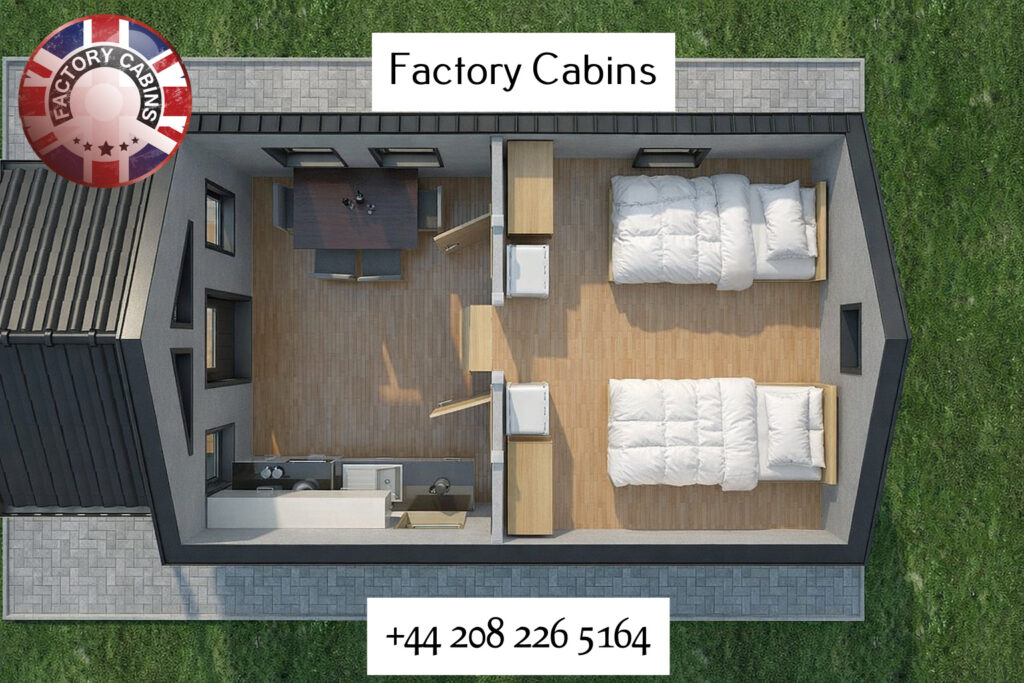
Structural Integrity: Heavy timber beams are great at handling wind, snow, earthquakes. You don’t need interior load-bearing walls, so layouts are flexible—even when the footprint’s small.

Thermal Efficiency: Because wood is doing the heavy lifting, exterior walls become thick insulation and weather shields. Modern timber-frame micro homes use SIPs or advanced infill that beat code requirements. You’re left with a tight envelope—comfortable all year, minimal energy needed.

Natural Material Benefits: Wood keeps indoor humidity steady, absorbs noise, and ages well. Steel pods sweat in humidity; concrete shells feel cold. Timber interiors are warm and breathable, making tiny spaces feel brighter and more welcoming.

Adaptability and Longevity: Timber-frame lasts forever. Tons of old timber buildings survive centuries with little maintenance. Build a micro house with solid joinery, moisture management, and good finishes, and you’ve got a long-term asset—not a short-lived trend.

Shrink a timber-frame house and you don’t lose what makes it feel like home—you concentrate it. Ceiling height stays right. Windows line up with your vision and sunlight. Roof sheds rain and snow well. The layout flows from entrance to living to sleep, no weird corners or dead spaces.

Building to Code vs. Building for Instagram

Here’s something people miss: codes. A lot of designer micro homes are pitched as “portable,” “temporary,” or “accessory units,” hoping to dodge residential building codes. But once you connect to water, sewer, electricity, or put the house on a foundation, the codes matter. For a reason.

Building codes aren’t just red tape—they’re the collected wisdom about fire safety, structure, electrical, plumbing, ventilation, and emergency exits. Ignoring these standards isn’t clever—it’s dangerous. Bad window placement can kill in a fire. Low ceilings or steep stairs cause daily hazards. Undersized electric panels trip with normal use. These aren’t abstract—they’re what owners of “almost legal” pods deal with every day.

Timber-frame micro homes, properly designed and built to code, sidestep these issues. They have safe windows for escape, correctly sized electrical, vented roofs, moisture-proof foundations, and insulation that beats local energy standards. They can be permitted, financed, insured, and appraised just like any regular home. That’s not just about legality—it’s about making life safe, livable, and secure.

Look at resale and financing. Banks and appraisers have a hard time with funky micro houses. Lenders often say no—forcing buyers into cash or high-interest loans. Insurance companies call them “alternative structures” or “park models”—leaving owners underinsured. A timber-frame micro home to code fits into standard lending and appraisal. It holds value because it meets quality, safety, and durability standards.

The Real Investment: Practicality Over Novelty
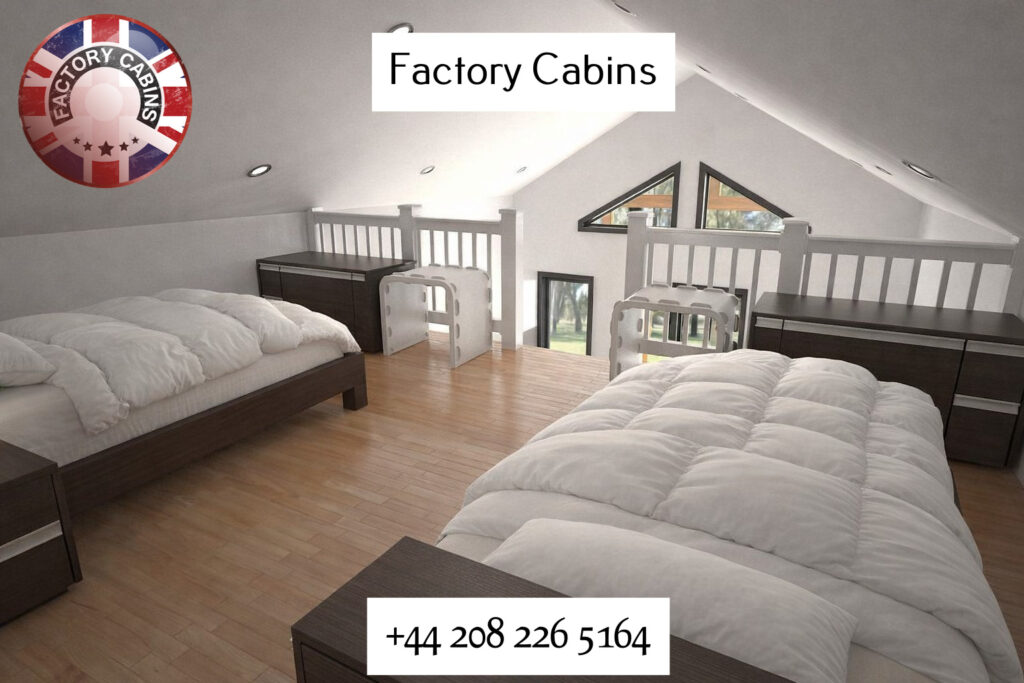
Buying a home isn’t just about the sticker price—it’s about the total cost over time, how well it works, and whether you can sell it later. Novelty micro homes fail on all three points. Custom parts bump up maintenance. Inefficient layouts mean furniture break down faster. If it doesn’t meet code, it’s tough to resell. Owners often find themselves spending more energy wrestling with the space than living in it—usually within two or three years.

A well-built timber-frame micro house plays a different game. Construction might cost more than a prefab pod, but over its lifetime you save. Standard windows, doors, fixtures—easy to replace. Good insulation and sealing keep energy bills steady. Strong joinery and finishes age nicely—not fast decay. The rectangular, code-compliant layout means furniture fits, storage works, and daily life flows without constant fixes.

Most important, timber-frame micro houses understand the psychology of living small. People don’t do well in experimental spaces—they do well in ones that feel reliable, comfortable, and organized. A proper 300-square-foot timber-frame design has an entry, kitchen with counter space, a well-ventilated bathroom, a living area big enough for everyday seating, and a restful sleeping zone. It makes smart use of vertical space—no daily circus tricks required. Windows are placed for daylight and breeze. There’s room for real life—laundry, groceries, books, shoes, seasonal stuff, and visitors.

That’s not giving up anything. That’s exactly what matters.

How to Choose or Build a Real Micro House

Thinking about a micro home? Slow down and be picky. Look past pretty pictures and marketing buzzwords—ask the tough questions:

  1. Is it rectangular or close to it? Right angles aren’t dull—they’re practical. They fit furniture and maximize living space.
  2. Does it follow residential building codes? Check for compliance—structure, electrical, plumbing, egress. If someone says “codes don’t matter,” just walk away.
  3. Can you fit normal furniture? Get the floor plan with actual sizes. Try placing a real bed, sofa, table, wardrobe—if it doesn’t work, the design is broken.
  4. What’s the insulation and sealing plan? Ask for R-values, vapor barrier details, HVAC specs. Tiny spaces make bad thermal planning obvious—and miserable fast.
  5. Who designed it, and are they experienced? Look for licensed architects or engineers with a track record in small residential projects—not just exhibition booths or art installations.
  6. Is it financeable and insurable? If lenders and insurers treat it like a novelty, you’re in for trouble later on.

When you look at timber-frame micro houses this way, the perks pile up. You’re not just buying a talking point—you’re buying a real home. Tiny, sure—but legitimate.

So!
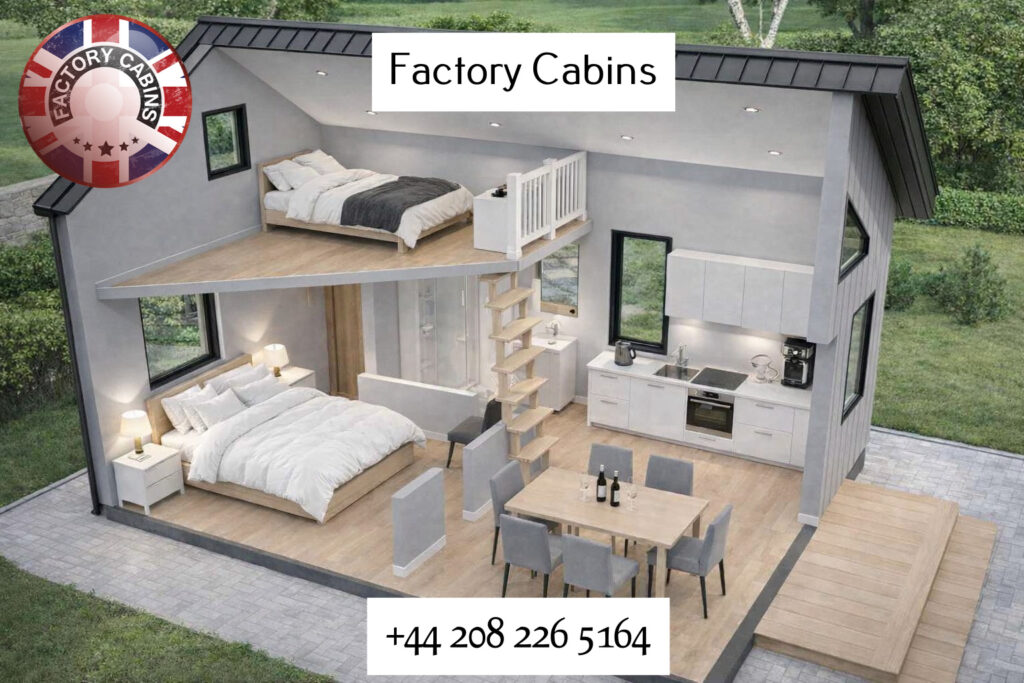
The micro house movement doesn’t need more weird shapes or luxury finishes squeezed into 250 square feet. It needs honesty, practicality, and respect for real life. Timber-frame construction delivers all that: a method tested by time, scaled down, built to perform, and aging gracefully. It shows that small doesn’t mean fantasy—it means improvement.

As housing costs explode and we all care more about the environment, people will want sensible small homes. The winners won’t be the ones selling Instagram-worthy pods with hidden flaws. They’ll be the ones making timber-frame micro houses to code, ready to live in from day one, decade one, and beyond. Because a home isn’t just decoration. It’s shelter, sanctuary, and the foundation for life. Build it right, keep it small, and let the design work for you—not the other way around.

Please send us an email to sales@factorycabins.com

All bespoke designs are welcome. PLEASE call 0208 226 5164

Bespoke Log Cabins 2026

Beyond the Garden Shed: Discovering What Bespoke Log Cabins Can Really Do!

Say “log cabin”, and most people picture a cosy holiday getaway tucked into the woods, or maybe just a garden shed crammed with old tools and bikes. Those are the obvious uses, sure, but honestly, that’s just the tip of the iceberg. Modern, custom-built timber cabins can do so much more. In a world where space costs a premium and everyone’s juggling work, family, and downtime, a bespoke log cabin isn’t just another building out back. It’s a game-changer. It can totally reshape how you live, work, and relax.

At Factory Cabins, we’ve learned that “cheap and cheerful” only works until the weather turns nasty or the insulation gives up. Real value comes from building something that lasts — something precise, adaptable, and tough. That’s why we use winter-cut, slow-grown Swedish spruce, glulam windows, German hardware, and twin-skin construction. These cabins stand up to the elements like proper brick houses but still feel warm and natural. And when you throw out the design rulebook? Honestly, you can build almost anything you can imagine.

Home Offices and Creative Studios, Your Way

With remote work now the norm, garden offices have exploded in Kent, Sussex, and everywhere else. But those generic prefab pods? They often fall short. They usually miss the details that matter — like proper soundproofing, good airflow, or enough power for all your gear. A made-to-measure log cabin gives you total control.

Picture a music studio where you can actually play drums and record vocals without bothering the neighbours, thanks to thick insulation and high ceilings. Or maybe you want a light-filled art studio with big windows bringing in that perfect north light and climate control to keep your paints and canvases safe. Tech professionals can have a cabin wired from the ground up for servers, fibre optics, and ergonomic lighting—a real workspace that’s separate from home but just a few steps away. We build with CNC precision, so every socket, data port, and shelf fits right into the timber walls. No messy cables, no wasted space.

Your Own Private Spa or Leisure Retreat

Why drive hours to a spa when you can build your own sanctuary right outside? More people are turning bespoke cabins into private wellness centres. With our focus on net-zero design and top-notch insulation, these spaces stay comfortable all year, which makes them perfect for saunas, yoga, or meditation rooms.

Imagine a pool house with showers, a changing area, and a comfy lounge that looks out over the water — all built with timber that shrugs off humidity. Or maybe you want a gym at home, with rubber floors, mirrored walls, and heavy-duty ventilation, ready for serious workouts. Because it’s all custom, we can add full plumbing and electrics from the start, so your retreat works as good as it looks. Whether you’re dreaming of a cinema room with perfect sound or a games room for the kids, your cabin becomes the place everyone wants to be—right in your own backyard.

Sustainable Living and Ancillary Accommodation

Bespoke timber framing isn’t just about beautiful buildings—it’s a real answer to the housing crisis and the needs of families living together across generations. If you’ve ever tried to build something new, you know how planning rules can tie you up in knots. But here’s the thing: granny flats and annexe often get the green light under different, more flexible rules—especially if they meet standards like BS 3632 for park homes.

Picture this: a log cabin designed just for you, tucked in your garden. Maybe it’s a one- or two-bedroom place for your parents, giving them independence but keeping them close when they need you. These homes come with proper kitchens, easy-access bathrooms, underfloor heating, and insulation that actually keeps energy bills in check. They’re not just for parents, either. Young adults who want their own space while they save up for a home love them, too. Or maybe you’re eyeing Airbnb income—these cabins make perfect holiday lets. In places like the South Downs or the Kent countryside, a stylish eco-lodge can pull in serious nightly rates. Suddenly, a forgotten patch of your garden becomes a steady income stream.

Specialized Commercial and Community Uses

Timber structures aren’t just for homes. All over the UK, businesses are getting creative—using these buildings for pop-up shops, rural coffee stops, and reception areas that actually look like they belong in the landscape. Because we handle everything—from the groundworks to electrics and plumbing—you’re looking at a finished, ready-to-use space in weeks, not months.

Schools and nurseries are catching on, too. Outdoor classrooms made from timber give kids a real connection to nature, plus they’re weatherproof, so rain doesn’t cancel class. These buildings grow with you: need more space? Just add on. Equestrian centres love them for tack rooms, grooming stations, or even workshops for the farrier. They’re tough enough for farm life but comfortable enough to spend your day in.

The Importance of “Bespoke” vs. “Off-the-Shelf”

The real magic is in “bespoke.” Off-the-shelf cabins force you to compromise—with fixed sizes, awkward window placements, and flimsy walls that just don’t handle British weather. Buy cheap, buy twice, as they say.

But when you go bespoke with Factory Cabins, the building fits your life—not the other way around. Need a 10-meter open span for a dance studio? We engineer glulam beams for it. Want triple glazing and airtight, passive-house standards for year-round living? We build that right in. Looking to match a historic home or make a bold, modern statement? We tweak the cladding, roof shape, and finish until it’s perfect.

We use toughened glass, high-spec windows, and insulated doors, so whether you want a secure site office or a sun-drenched art studio, your cabin just works. And because we manufacture directly, there’s no middleman, so your money goes into better timber, hardware, and finishing—not someone else’s pocket.

Future-Proofing Your Investment

A bespoke log cabin is about flexibility. Maybe today it’s your home office. Down the line, it could be a teenager’s hangout or a guest suite. Swedish spruce and CNC precision mean it’ll stand up to decades of weather, resisting rot and warping. It’s a building that grows with you.

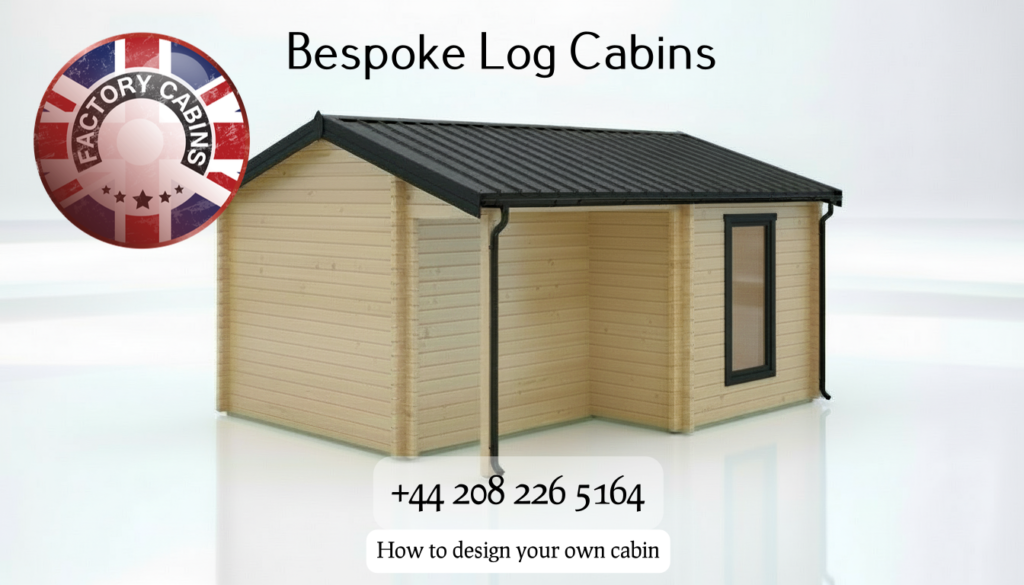
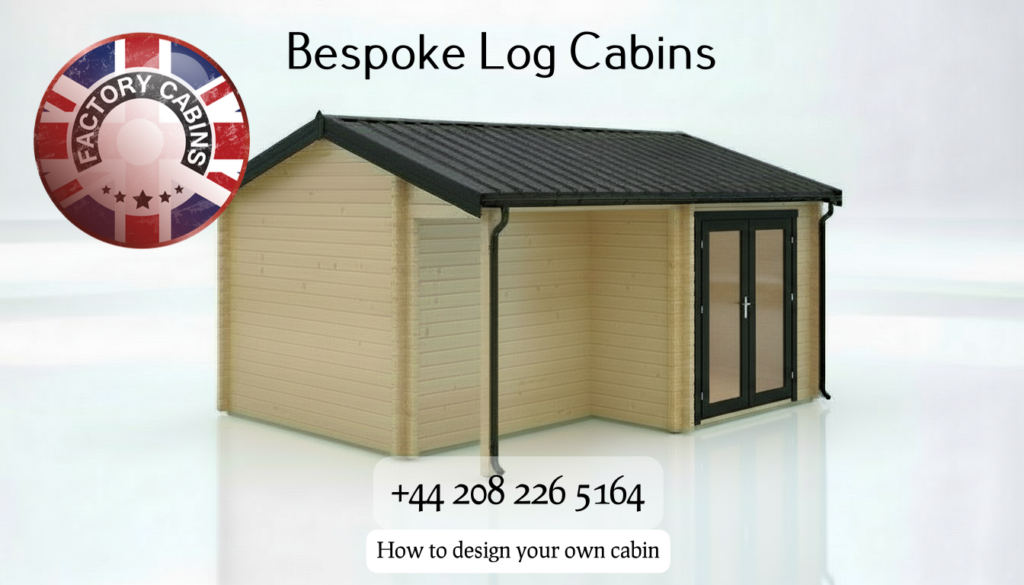
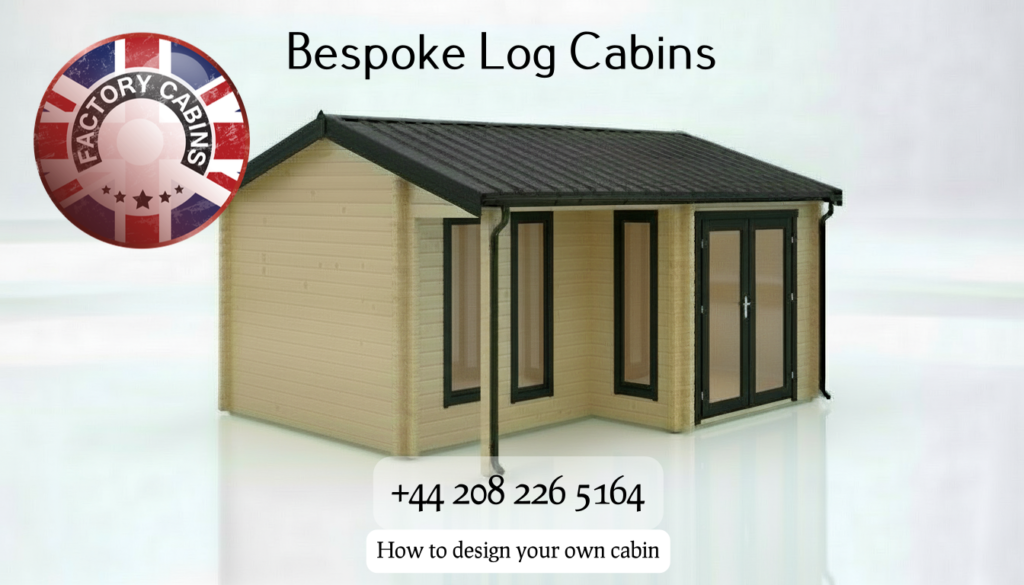
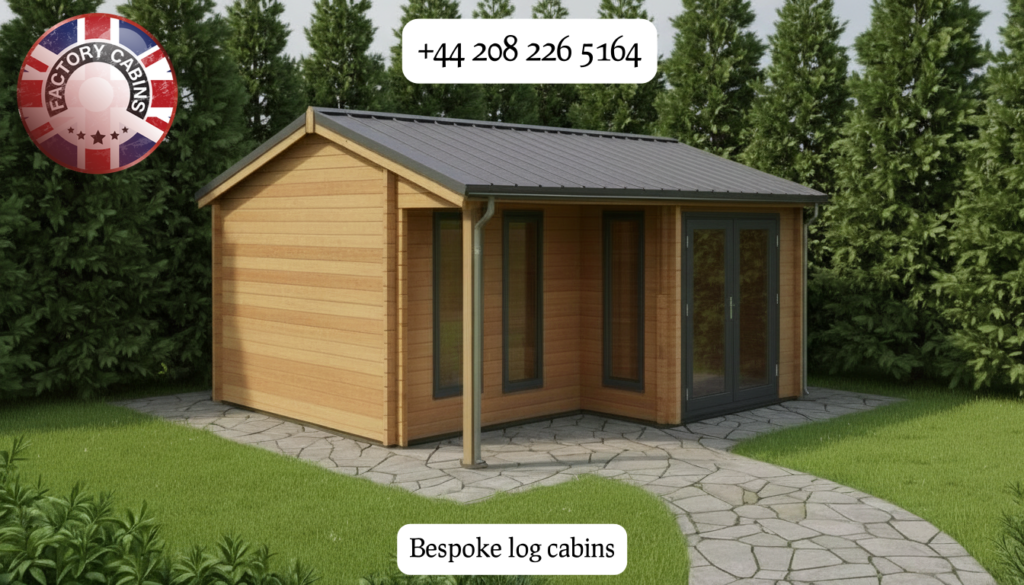
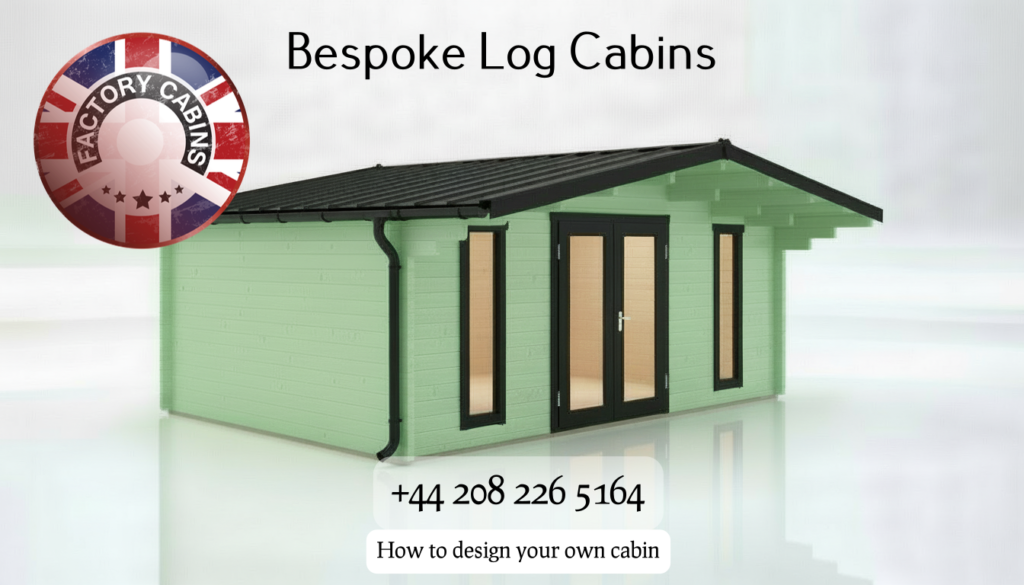
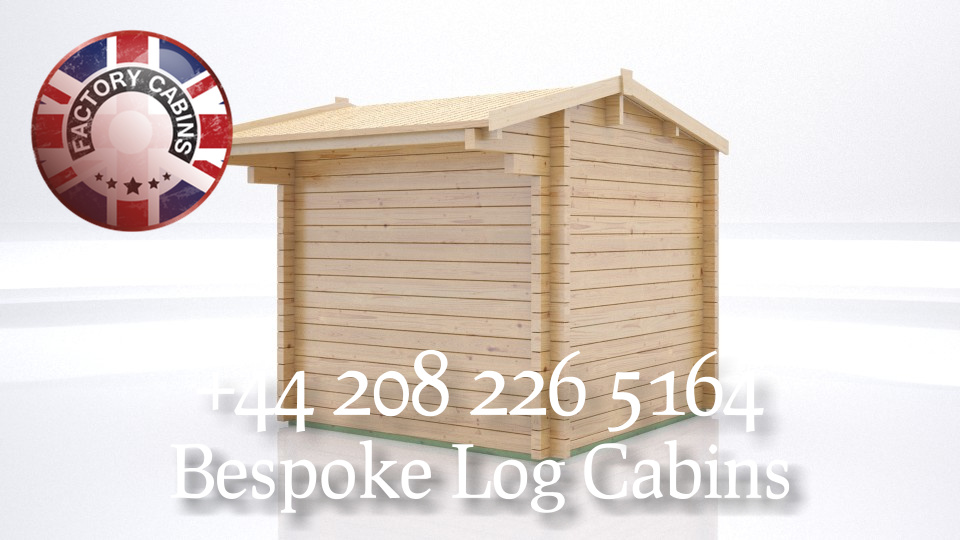
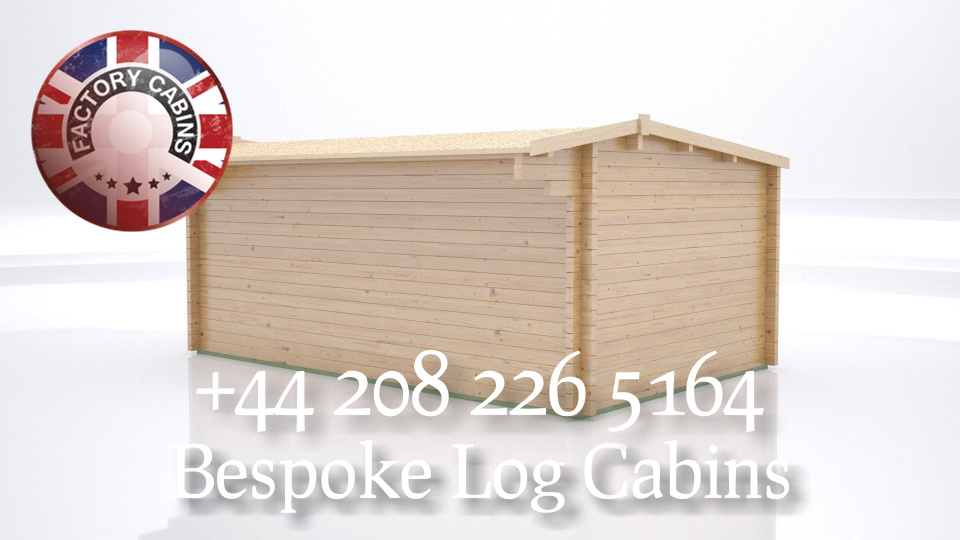
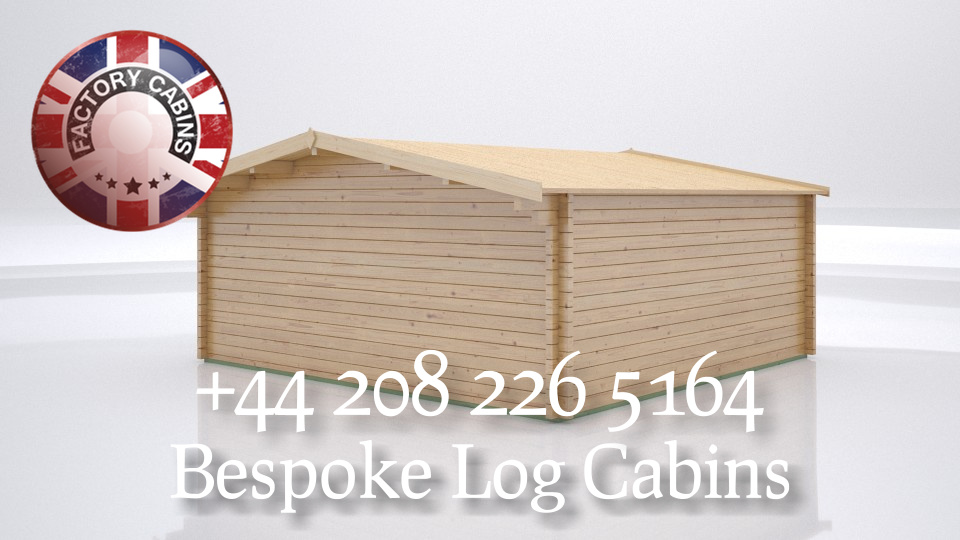
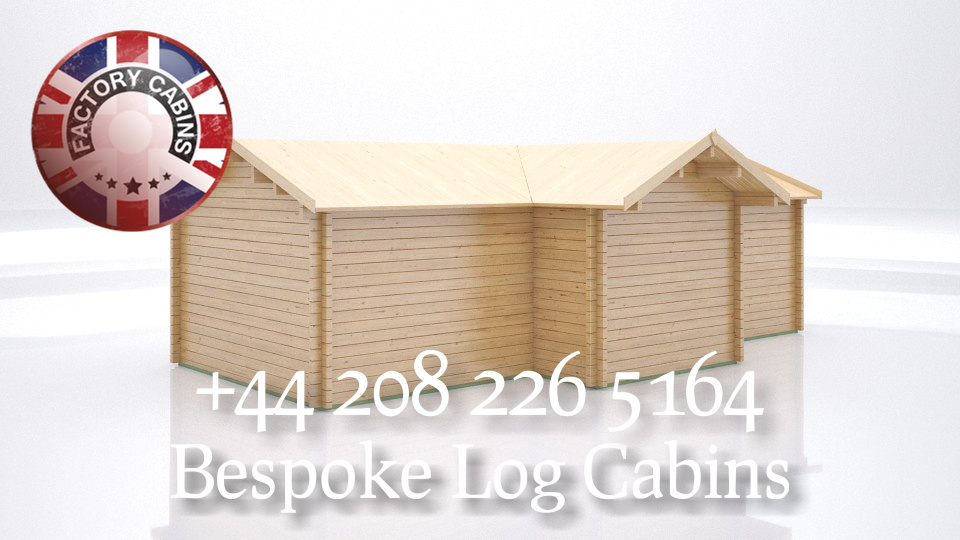
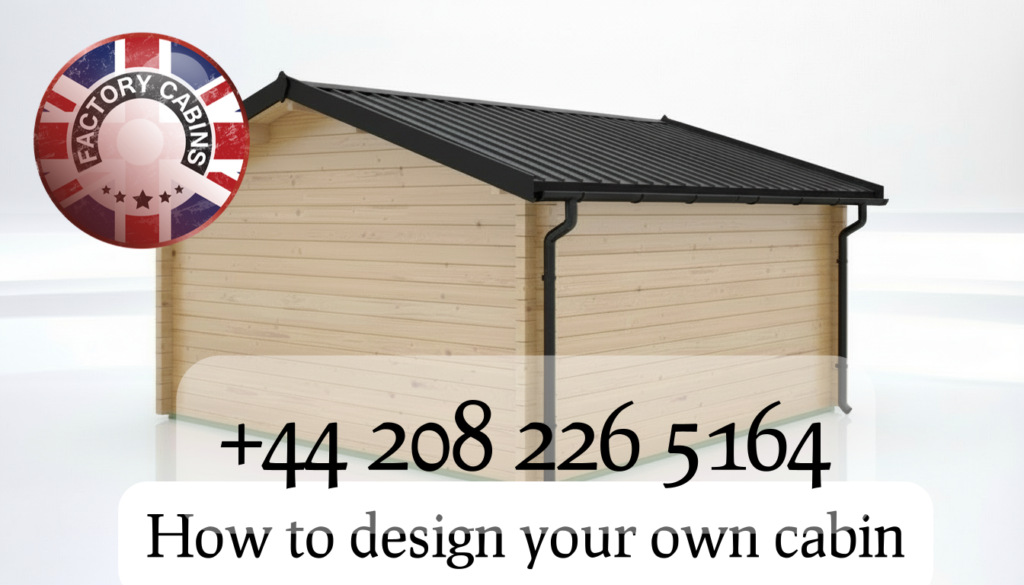
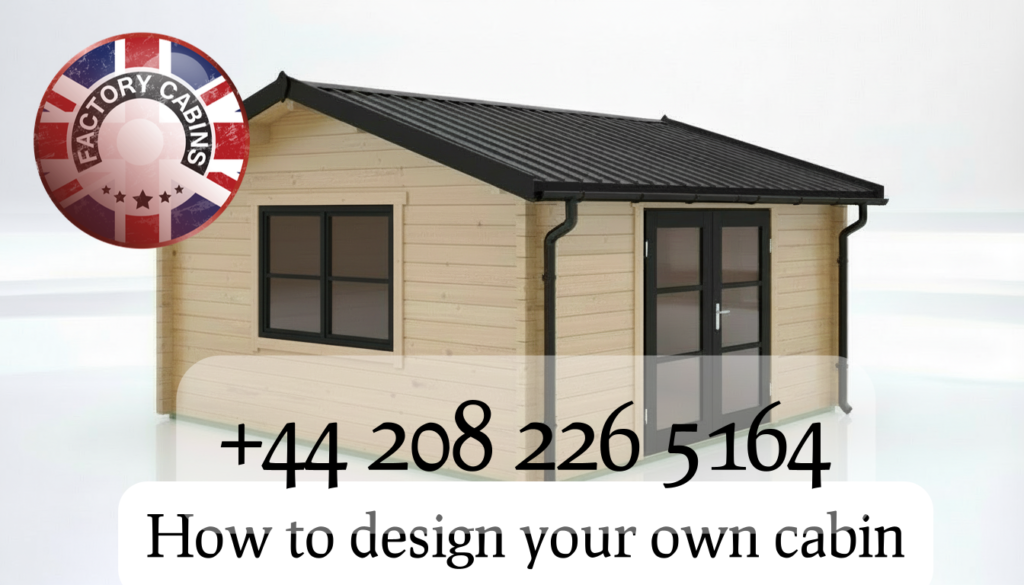
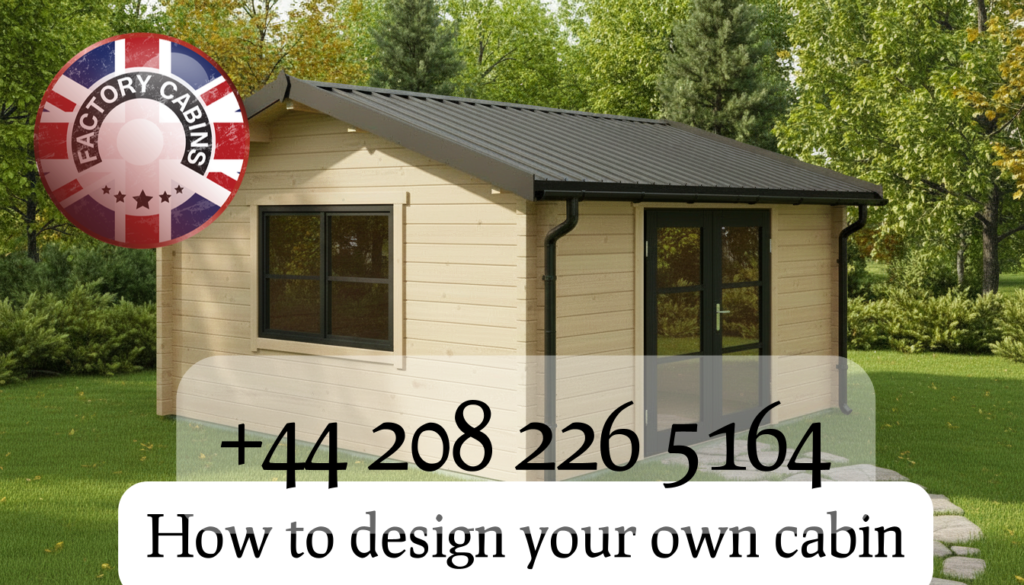
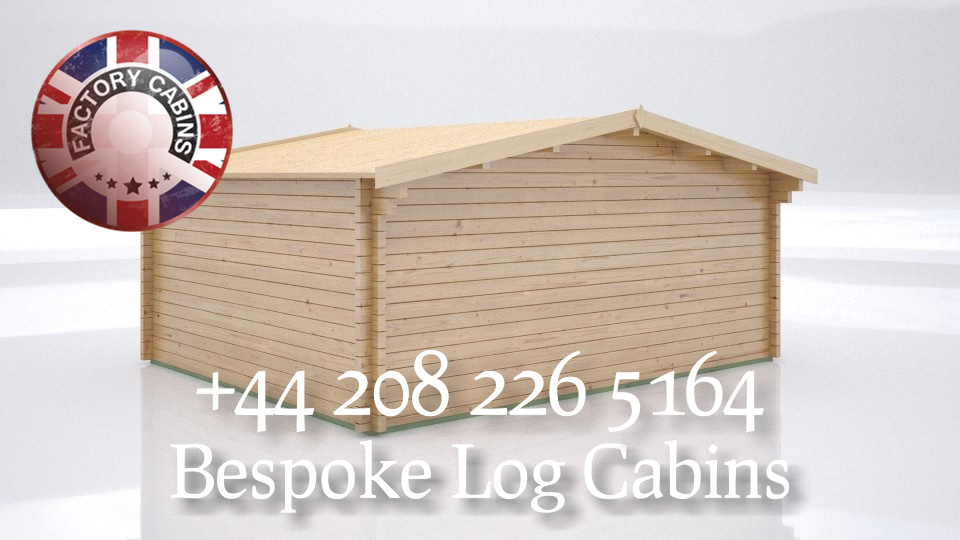
From This 44mm box

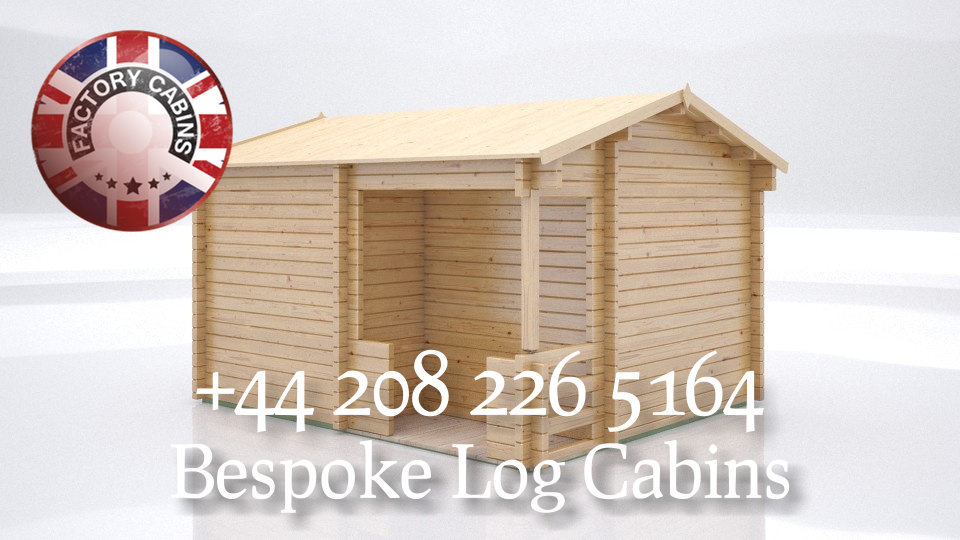
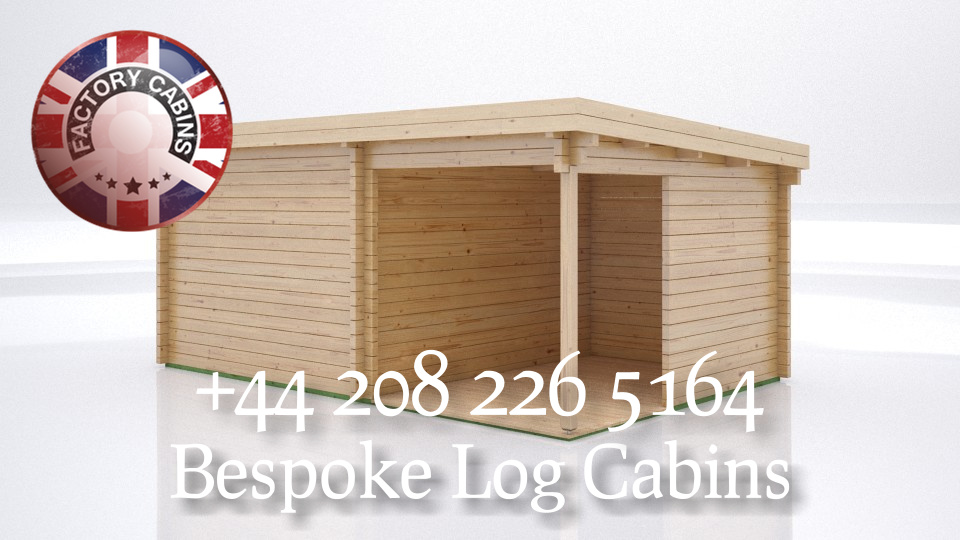
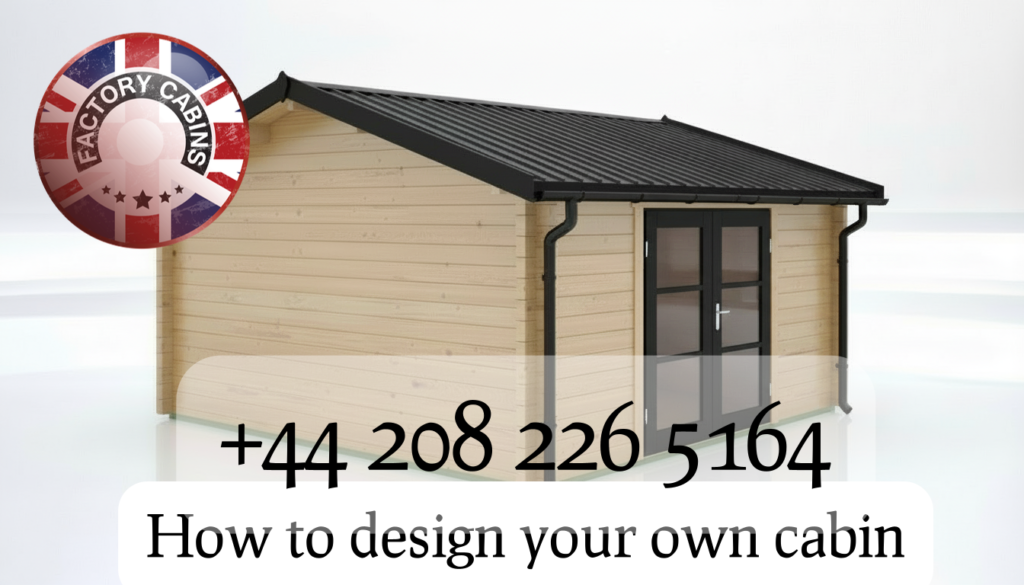
To This bespoke design

And let’s talk about sustainability. Timber is one of the greenest building options out there—especially when it’s sourced properly, like ours from slow-grown Scandinavian forests. It locks up carbon, and when you add solar panels or heat pumps (which our designs make easy), you’re not just building for yourself. You’re building for the planet.

When it comes to bespoke log cabins, your only real limit is your imagination—and the size of your plot. Need a high-spec office, a luxury retreat, a guest house, or a commercial cabin? You can have it, fast and without breaking the bank. These buildings do more than traditional extensions ever could—they solve real problems in modern life.

Why settle for a bland, off-the-shelf box that barely gets the job done? You deserve a space crafted for your needs, built from the best materials, and designed to last.

Please send us an email to sales@factorycabins.com

All bespoke designs are welcome. PLEASE call 0208 226 5164
Bespoke Log Cabins

BESPOKE LOG CABINS: THE ULTIMATE GUIDE TO CREATING YOUR PERFECT GARDEN RETREAT

OUR NEW EMAIL IS SALES@FACTORYCABINS.COM

Introduction: Why Bespoke Matters

Here’s the thing—at Factory Cabins, we’ve spent years bringing together some of the best carpenters, architects, joiners, and machinists out there.

All with one goal in mind: building truly bespoke log cabins. We don’t just churn out the same old cabins you’ll find everywhere else. Instead, we focus on three things, in this order: quality, design, and then price. If we cared only about cutting costs, we’d be letting our customers down.

Safety always comes first in every project. We sweat the details on quality, then we think about price.

Picking out a bespoke log cabin can feel overwhelming. There’s a lot to consider, but honestly, safety should always top your list. Factory Cabins really does stand out—we’re known across the industry for being the best at what we do. Don’t settle for something average.

Call us up, tell us what you need, and let’s build something just for you. With Factory Cabins, you get the only log cabin that’s truly built for your peace of mind.

Chapter 1: Understanding Twin Skin Construction

What Makes Twin Skin Superior?

Every one of our cabins comes with a twin skin option—either 44mm x 44mm or 70mm x 70mm. This isn’t just fancy talk. Twin skin construction is a genuine step forward in how log cabins are built.

A twin skin cabin uses two separate layers of timber—one inside, one outside—with a gap in between for top-notch insulation. That’s the secret. This setup gets rid of cold spots, stops condensation, and keeps things nice and quiet inside.

The insulated walls? They work just as well as a solid wall that’s five times thicker. So you save space, use fewer materials, and—most importantly—cut down on costs.

44mm x 44mm Twin Skin: The Smart Choice

Durability, energy efficiency, style, and value all come together here. Using slow-grown Swedish spruce for both the inner and outer walls, this design works great for all kinds of spaces—year-round holiday rentals, glamping pods, garden offices that actually keep you warm, or family getaways where comfort really matters. It’s also a solid choice if you want a passive income property without high running costs.

Between the two 44mm spruce walls, there’s a cavity that fits 50mm to 100mm of insulation. With standard Celotex, you can get U-values down to 0.35 W/m²K. If you go with UK Building Regulations-compliant insulation kits, you can drop that even further, all the way to 0.19 W/m²K.

70mm x 70mm Twin Skin: Premium Performance

For those seeking maximum thermal performance, our 70mm x 70mm twin skin option delivers exceptional results. With a 110mm insulation cavity, this configuration achieves U-values of 0.19 W/m²K—significantly better than current UK building regulations require (0.21 W/m²K for 2022 standards)

The substantial 70mm logs provide excellent thermal mass, meaning they hold heat far better than thinner alternatives This makes them ideal for:

  • Residential park homes requiring BS3632 compliance
  • Year-round living spaces in challenging climates
  • Luxury holiday accommodations demanding premium comfort
  • Locations requiring enhanced insulation (lakeside, coastal, or exposed sites)

Why Swedish Spruce?

Swedish spruce stands out for its strength and durability, which is why people keep coming back to it for building solid, long-lasting log cabins.

Unlike faster-growing woods, Swedish spruce trees take their time—about 80 years before harvest. That slow growth gives the wood a density and quality you just don’t get elsewhere.

So what do you actually get with Swedish spruce? For starters, it’s got great thermal insulation. Spruce’s low density means log homes built from it keep the warmth in, even through those endless northern winters.

It’s also known for its dimensional stability. All those tight growth rings from slow growth help the wood resist warping and twisting. If you treat it right, Swedish spruce will stick around for decades with hardly any fuss. You don’t need to baby it.

The wood comes from FSC-certified forests, which means it’s harvested responsibly. That matters when you care about the planet.

And you can’t ignore the look. The natural grain and color of Swedish spruce give cabins a warm, timeless feel that just works, year after year.

One more thing—winter-cut seasoned spruce is even better. When they cut the trees in winter, the sap’s low, so the wood stays stable and resists weird warping or cracks as it ages. That’s the kind of detail that really makes a difference.

Chapter 2: Complete Window and Door Freedom

Our Vision, Your Placement

When you go bespoke, you get total freedom with your windows and doors. Seriously—put them wherever you want, as many or as few as you like. Want a cabin with no windows at all? Or maybe you want a wall full of glass? We’ve done both. Just tell us what you’re imagining, and we’ll make it happen.

With off-the-shelf cabins, you’re stuck with whatever layout’s already set. Our custom service flips that. You can:

Pick the perfect spot for a window to catch your favorite view or soak up the sunlight
Put doors exactly where they make sense for how you move through the space
Decide how many windows or vents you need—maybe you want loads for fresh air, or just one for a cozy vibe
Play around with different sizes to make things interesting and useful

Standard Door Sizes

We have three standard door sizes to choose from. Beyond that, everything else is made to fit what you want.

Door TypeDimensionsBest For
Single Door1930mm x 830mmGarden offices, storage access, secondary entrances
Double Door1930mm x 1410mmMain entrances, moving furniture, creating open feel
Double Door with Outer Glass Panes1930mm x 2310mmPremium entrances, maximizing light, statement features

Every door is made from joinery glulam—basically, that’s laminated timber that stays straight and true, even as time goes by. Unlike regular solid wood, it doesn’t twist or warp, so your door always fits snug and works smoothly all year round.

And when it comes to windows, we offer five standard sizes. Each one’s crafted from the same joinery glulam and fitted with reliable German hardware.

Window TypeDimensionsFeatures
Small Square500mm x 500mmSecondary lighting, ventilation, aesthetic balance
Standard Portrait880mm x 650mmGeneral purpose, good light-to-wall ratio
Wide Landscape1520mm x 710mmMaximizing views, main wall features
Medium Landscape1130mm x 710mmVersatile sizing for most applications
Double Opening Tilt and Turn1130mm x 1310mmPremium ventilation, easy cleaning, security

Every window comes double glazed as standard, with options for fixed panes or handy tilt-and-turn openings.

The tilt-and-turn system is pretty clever. You can tilt the window inwards for a bit of fresh air—totally safe, especially if you’ve got kids or pets. Or, swing the whole thing open for a proper breeze and easy cleaning.

We use German hardware on all our windows and doors. It’s not hype—this stuff really is top quality. The tilt-and-turn mechanisms aren’t just smooth and easy to use; they’re built tough to last for decades.

You get solid, heavy-duty components that keep working year after year. Opening and closing feels effortless, thanks to precise engineering. Security’s covered too, with multi-point locks and anti-lift features, so you can actually relax. The seals hold up in all kinds of weather—rain, wind, even salt air near the coast, thanks to stainless steel parts that fight off corrosion.

All the hinges and hardware are residential quality, the best you’ll find in the industry. And here’s the thing—this isn’t an extra you pay more for. Every Factory Cabins bespoke project gets these features as standard.

Custom Sizes, No Limits

Sure, our standard sizes work for most people, but sometimes you need something different. Maybe you want huge windows to take in that lake view. Maybe you have a unique design in mind, or you need taller doors for better accessibility. We can handle it. Whatever shape or size you’re picturing, we’ll build it to fit your space.

We use the same high-quality glulam joinery and German hardware for every window and door, no matter the size. So your whole cabin feels solid and consistent, even if you mix standard and custom pieces.

Georgian Bar Choices

Want Georgian bars on your windows or doors? We’ve got you covered. We factory-fit these bars for a clean, lasting finish—they’re not the removable kind you’ll find in our Country and Planning Compliant ranges. If you want everything to match, just let us know.

Chapter 3: Creating Your Bespoke Log Cabin – Step by Step

Step 1: Pick Your Log Cabin

Start by choosing the log cabin body you want. There’s a massive range—different sizes, layouts, verandas, roof heights, and setups. You’ll find over 180 bespoke log cabin bodies here. Still not seeing one that works for you? Shoot us an email or just give us a call. We’re always happy to talk through your ideas.

Step 2: Measure Your Space

Grab a tape measure and check how much room you’ve got in your garden. Leave some space between your new cabin and any fences or buildings—around 600mm is a good rule of thumb. That way, you’ll have enough room to actually build the cabin and keep it in good shape down the line.

A few planning rules to keep in mind:

  • Log cabins need to be under 2.5m tall if they’re close (within 2m) to your property boundary.
  • The cabin shouldn’t take up more than half your garden.
  • There are height limits: 4 metres for gable roofs, 3 metres for other roof types.
  • If you plan to sleep in the cabin, live in it, or rent it out for holidays, you’ll need full planning permission.

Getting this sorted is the first step to building your own luxury log cabin.


OUR NEW EMAIL IS SALES@FACTORYCABINS.COM

Step 3: Choose Your Wall Thickness

Once you’ve picked the cabin that fits, it’s time to choose the wall thickness. Go for 44mm or 70mm walls—or try the twin skin options (44mm x 44mm or 70mm x 70mm). Then just add it to your cart and you’re set for the next step.

ThicknessBest UseThermal Performance
44mm SingleSummer offices, seasonal useModerate
70mm SingleExtended season useGood
44mm x 44mm TwinYear-round comfortExcellent
70mm x 70mm TwinPremium year-roundSuperior

44mm logs are seriously thick — 57% thicker than the usual 28mm ones you see out there. But you know what? Twin skin construction takes thermal performance to a whole new level, no matter how thick your logs are.

Step 4: Choose Windows and Doors

There’s a ton of options. You can go for single or double doors, pick from fully glazed, three-quarter, or half-glazed styles, and even add Georgian bars if that’s your thing. All our glazing? Double glazed, sealed units as standard.

When it comes to windows, you’ve got just as much choice. Single or double, pick any size you want. Again, everything’s double glazed. Some windows are fixed, others tilt and turn — it’s up to you. And the hardware on the windows matches the doors, so everything feels solid and looks good.

Step 5: Position Windows and Doors

Now, decide where you want each window and door. The visuals for each cabin wall actually show you the possible spots. Just make sure you’re not placing anything closer than 300mm to a corner or a main structural section.

Here’s something that sets us apart: we always double-check your plans to make sure your cabin stays rock solid. Not every bespoke manufacturer does this, but we do. It’s that attention to detail that keeps your cabin performing the way it should, year after year.

Chapter 5: Why Factory Cabins Stands Apart

Quality Over Quantity

Our structural timbers outshine, outsize, and outprice 99.9% of the bargain basement happy-go-lucky log cabin dealers/agents in the UK. We only use premium winter-cut, slow-grown Swedish spruce—no cheap shortcuts

No Middlemen

You buy straight from us, so there’s no unnecessary markup or compromise. You get a custom, high-spec cabin for a fair price, and we’re with you every step—from your first question to the final installation

Engineering Heritage

We invented the interlocking twin skin system. We designed it, we built it, we brought it to market first, and we know it inside out. When you create something yourself, you know every detail, every strength, and every opportunity to make it even better

Complete Bespoke Service

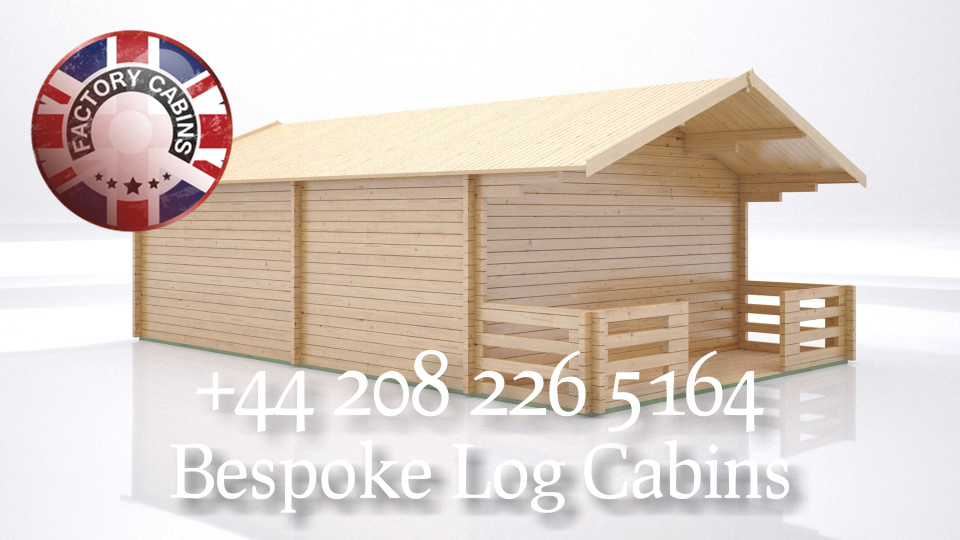
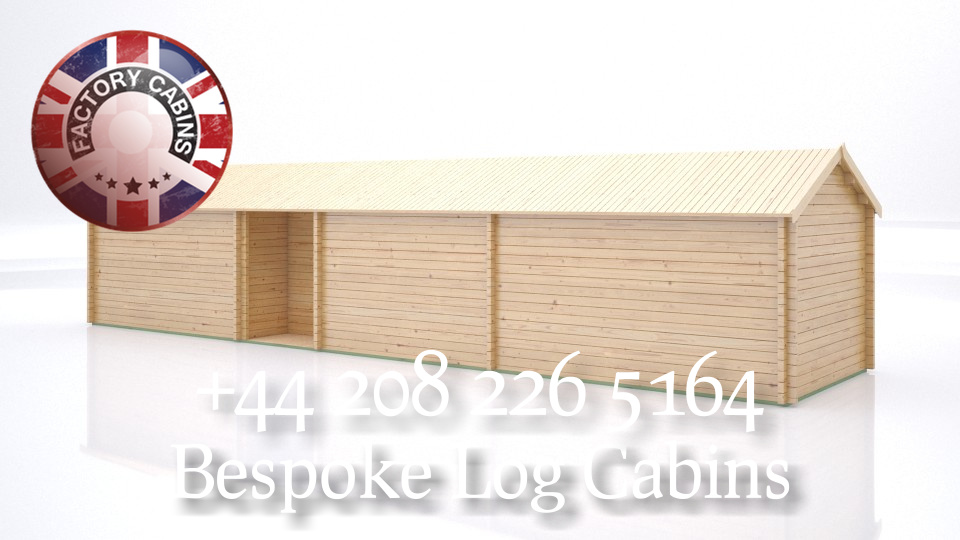
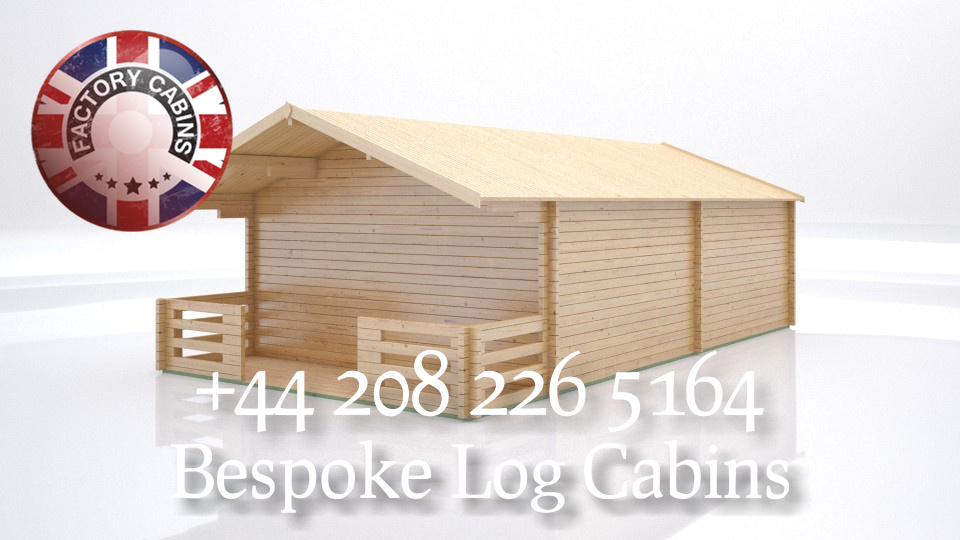
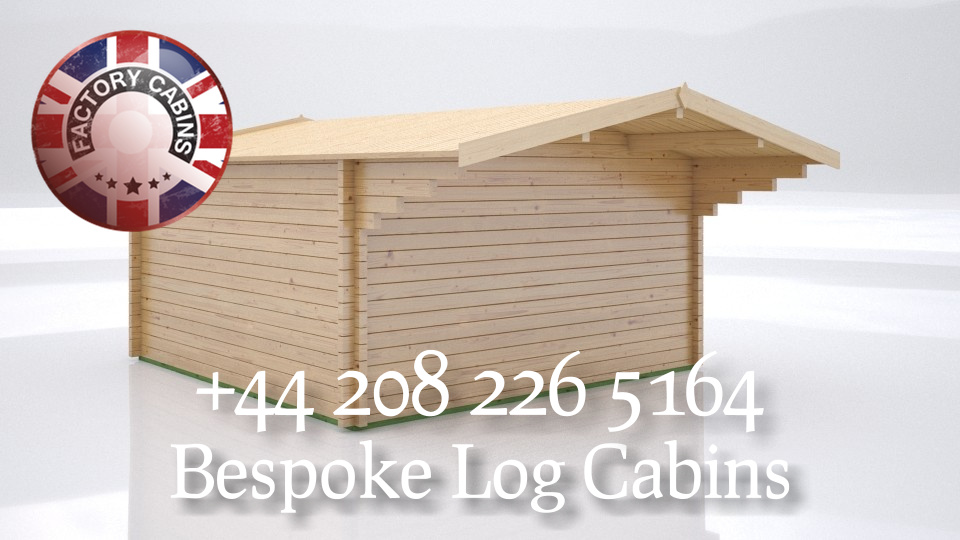
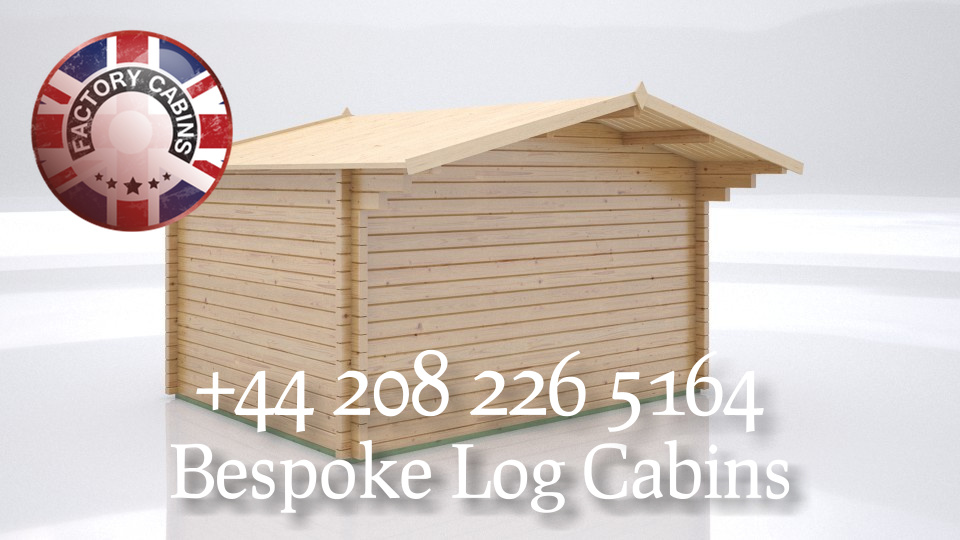
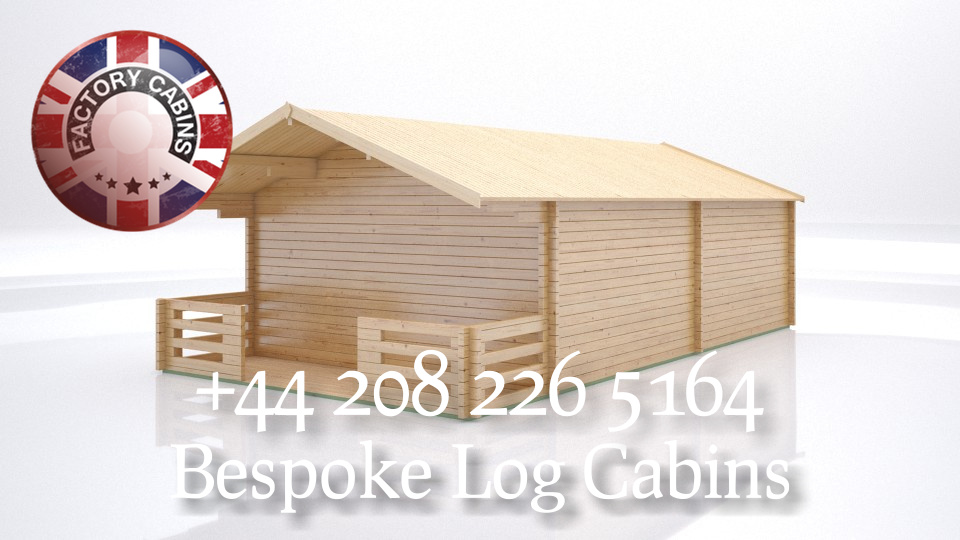
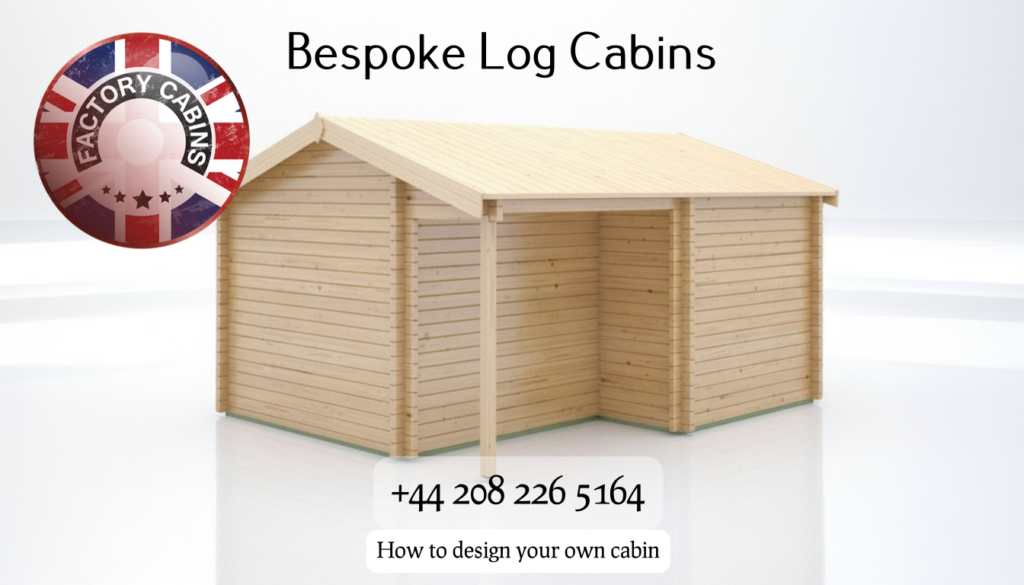
As you can see this started of as a shell 44mm winter cut spruce logs., floor 28mm, roof 19mm, no windows and doors, all you do is tell us what you really want and it will be delivered in 8 weeks!

Single skin, Twin Skin, any kind of size, double glazed, tilt and turn windows and doors!
Bespoke Log Cabins…

BESPOKE LOG CABINS

PLEASE..Click Here

Every cabin is truly bespoke. You decide where everything goes—furniture, walls, doors, windows, it’s all your call. Our design team works closely with you to create a solution that exceeds expectations while working within your constraints.

Chapter 6: Applications and Uses

Garden Offices

Walk into a twin skin cabin, and it just feels right—a quiet, cozy spot where you can actually get things done. Thanks to the insulated walls, you’ll use it in January just as much as July. It’s more than an office; it’s your own personal hideaway, no matter what the weather’s up to.

Holiday Lets

Self-catering cabins never lose their charm. Put a well-built log cabin in a beautiful spot—think Kent, Sussex, the Lake District, or the Highlands—and you’ll see steady bookings. Our clients pull in £800 to £1,500 a month, year-round, all because these cabins really hold the heat.

Multi-Generational Spaces

Life changes, families grow. Maybe your teenager needs space, or an elderly parent can’t handle the stairs anymore. We design cabins that fit real lives: proper insulation between rooms, wet rooms with underfloor heating, kitchenettes—all the details sorted, so everyone feels at home.

Glamping and Tourism

The UK’s holiday scene is booming. More people are staying local, looking for eco-friendly options, and want something a bit special. A 44mm twin skin log cabin blends that classic timber look with up-to-date comforts guests actually notice.

Chapter 7: Technical Specifications Summary

Wall Options

Single Skin: 44mm or 70mm Swedish spruce.
Twin Skin: 44mm x 44mm or 70mm x 70mm, with 50-110mm of insulation in between.
U-Values: As low as 0.18 W/m²K (twin skin with building regs insulation).

Door Specifications

Single: 1930mm x 830mm
Double: 1930mm x 1410mm
Double with Glass: 1930mm x 2310mm
Material: Joinery-grade glulam, top-quality German hardware.
Glazing: 28mm toughened double glazing, standard.

Window Specifications

500mm x 500mm – Small square
880mm x 650mm – Standard portrait
1520mm x 710mm – Wide landscape
1130mm x 710mm – Medium landscape
1130mm x 1310mm – Double opening, tilt and turn
Material: Joinery glulam, German hardware.
Glazing: Double glazed, sealed units.

Lead Time & Delivery

Production: Up to 6 weeks from confirmed plans.
Delivery: HIAB lorry to your kerbside (included in price).
Installation: Full turnkey service available if you want it.

Your Bespoke Journey Starts Here

Honestly, we could write for days and never run out of reasons why Factory Cabins stands out. But here’s what matters: we’re the best in the business, and everyone knows it.

Don’t settle for anything less. Call us and tell us what you need. Garden office? Luxury holiday let? A cabin for the whole family? We’ll make it happen, just how you want it.

Contact Information:

Email: sales@factorycabins.com
Phone: 0208 226 5164
Website: factorycabins.com

Every custom design is welcome. Whether you’re in Brighton, Margate, the Lake District, or the Highlands—we deliver quality and performance that change how you think about garden buildings.

Bespoke Cabins from Factory Cabins—the only choice that makes sense.

This guide is built on over twenty years of hard-earned expertise, thousands of successful projects, and a real commitment to quality. Your dream space is just a phone call away.

Chapter 6: Applications and Uses

Garden Offices

Step into a twin skin cabin, and you’ve got a peaceful, warm, proper workspace. The insulated walls mean you’ll actually use it all year, not just when the sun’s out. It quickly becomes your personal retreat, whatever the weather’s doing outside

Holiday Lets

Quality self-catering properties are always in demand. Place a well-located log cabin in beautiful areas like Kent, Sussex, the Lake District, or the Scottish Highlands, and you’ll enjoy steady rental income

Our clients report earning £800–£1,500 monthly from cabins let year-round thanks to genuine thermal performance.

Multi-Generational Spaces

Families evolve. Teenagers seek independence. Elderly parents require ground-floor accommodation. Our bespoke service creates cabins tailored to human needs: internal partitions with proper insulation, wet rooms with underfloor heating provisions, kitchenette integrations

Glamping and Tourism

The UK holiday market is thriving. More people are choosing staycations, eco-tourism is growing, and travelers want something unique. A 44mm twin skin log cabin combines classic timber aesthetics with modern features that guests appreciate.


Chapter 7: Technical Specifications Summary

Wall Options

  • Single Skin: 44mm or 70mm Swedish spruce.
  • Twin Skin: 44mm x 44mm or 70mm x 70mm with 50-110mm insulation cavity.
  • U-Values: As low as 0.18 W/m²K (twin skin with building regs insulation).

Door Specifications

  • Single: 1930mm x 830mm.
  • Double: 1930mm x 1410mm.
  • Double with Glass: 1930mm x 2310mm.
  • Material: Joinery glulam with German hardware.
  • Glazing: 28mm toughened double glazed as standard.

Window Specifications

  • 500mm x 500mm – Small square.
  • 880mm x 650mm – Standard portrait.
  • 1520mm x 710mm – Wide landscape.
  • 1130mm x 710mm – Medium landscape.
  • 1130mm x 1310mm – Double opening tilt and turn.
  • Material: Joinery glulam with German hardware.
  • Glazing: Double glazed sealed units.

Lead Time & Delivery

  • Production: Maximum 6 weeks from confirmed plans
  • Delivery: HIAB lorry to kerbside (included in price)
  • Installation: Optional turnkey service available

Your Bespoke Journey Starts Here

There are so many points we could focus on in this article—we would need 300 web pages! But we will say just this: Factory Cabins is without doubt the Best of the Best and everyone in the Industry Knows it!

Do not settle for less. Give us a call and tell us what you are looking for. Whether you need a compact garden office, a luxury holiday let, or a multi-functional family space, our bespoke service ensures you get exactly what you need.

The last thing to remember, this prosess, gives you totally dominance over the size, height, lenght, and what windows where, and also doors position. Total BESPOKE!

Contact Information:

All bespoke designs are welcome. From Brighton to Margate, from the Lake District to the Scottish Highlands, we deliver quality, accessibility, and performance that redefine what’s possible in garden building.

Bespoke Cabins From Factory Cabins – the only safe choice.


This comprehensive guide represents over two decades of engineering excellence, thousands of successful installations, and an unwavering commitment to quality. Your dream space is just a conversation away.

Please send us an email to sales@factorycabins.com

All bespoke designs are welcome. PLEASE call 0208 226 5164
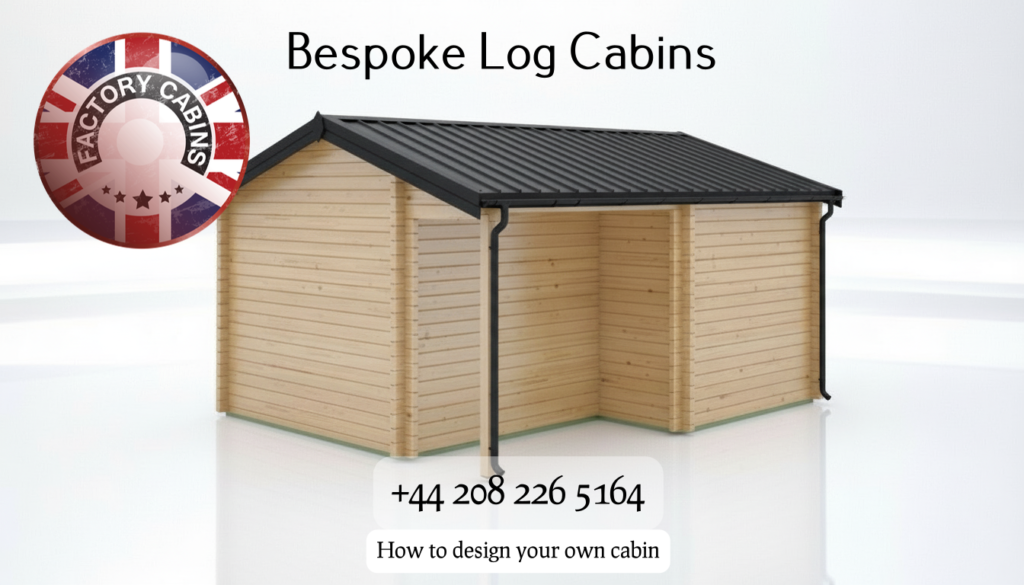
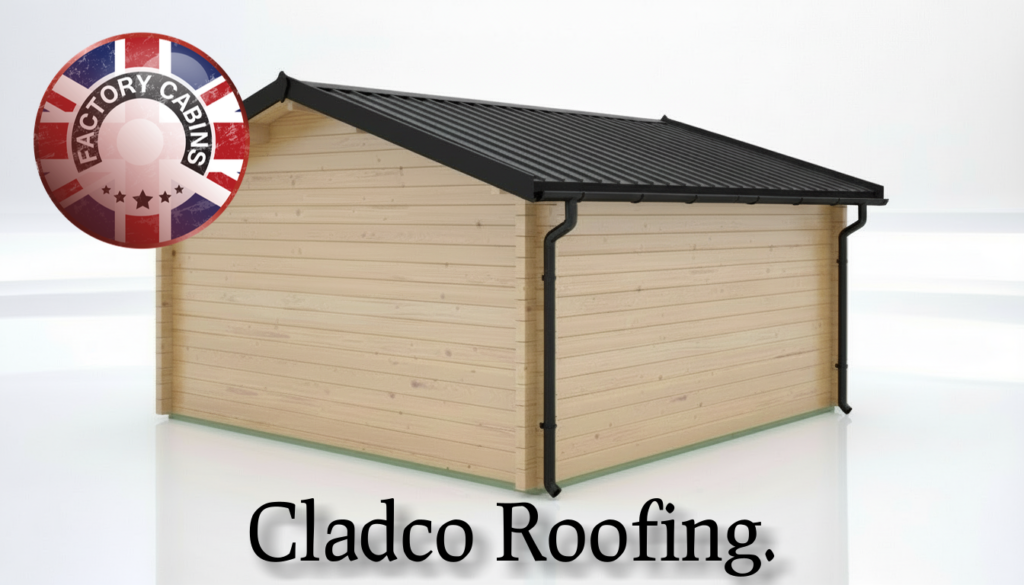
www.cladco.co.uk the best roofing we believe for our Bespoke Log Cabins.

OUR NEW EMAIL IS SALES@FACTORYCABINS.COM