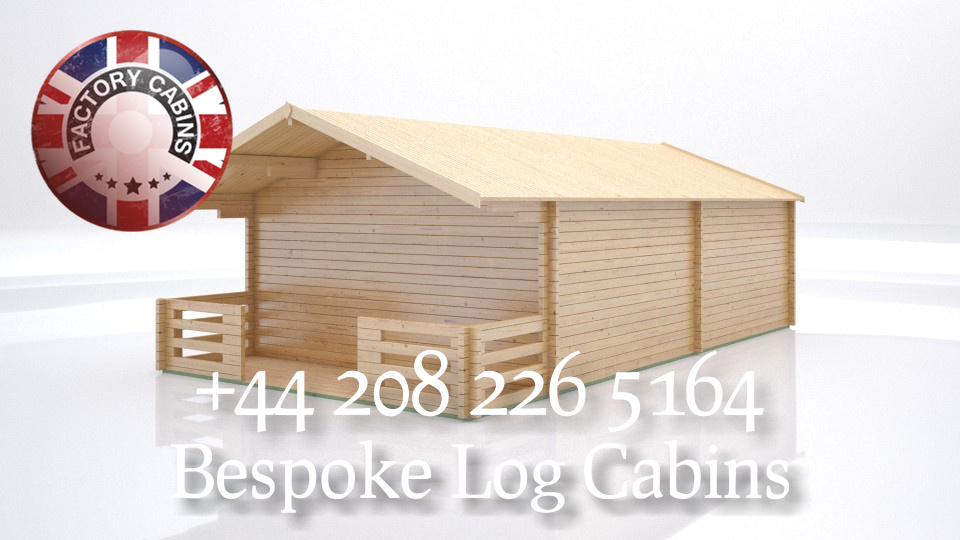
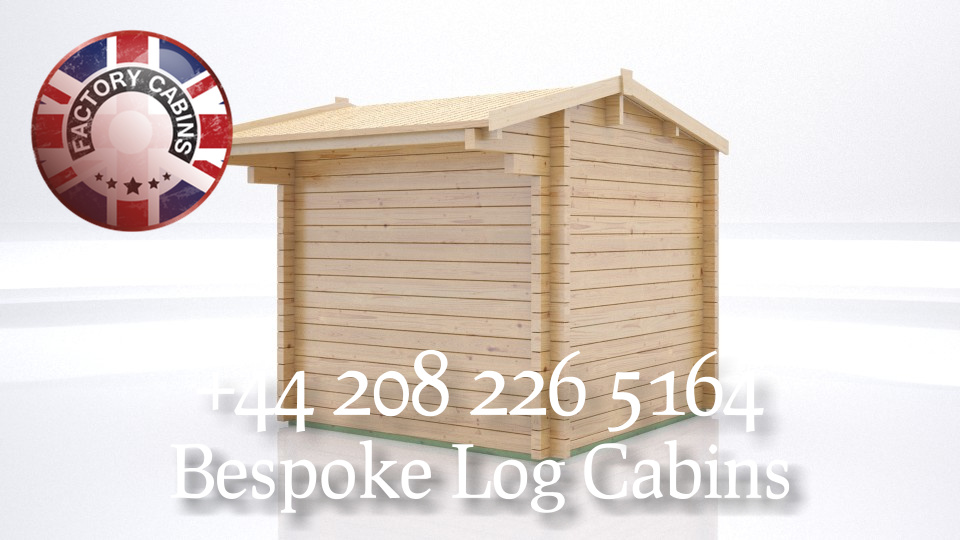
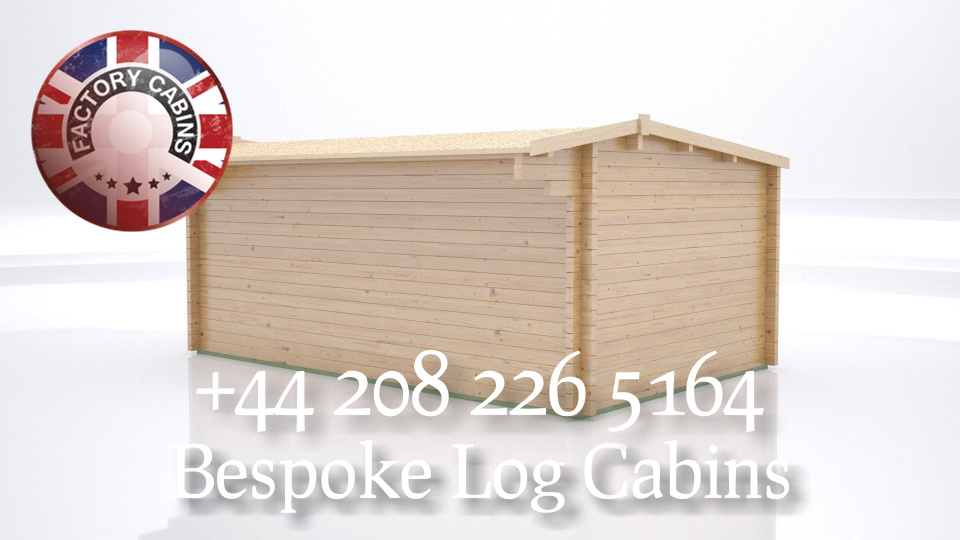
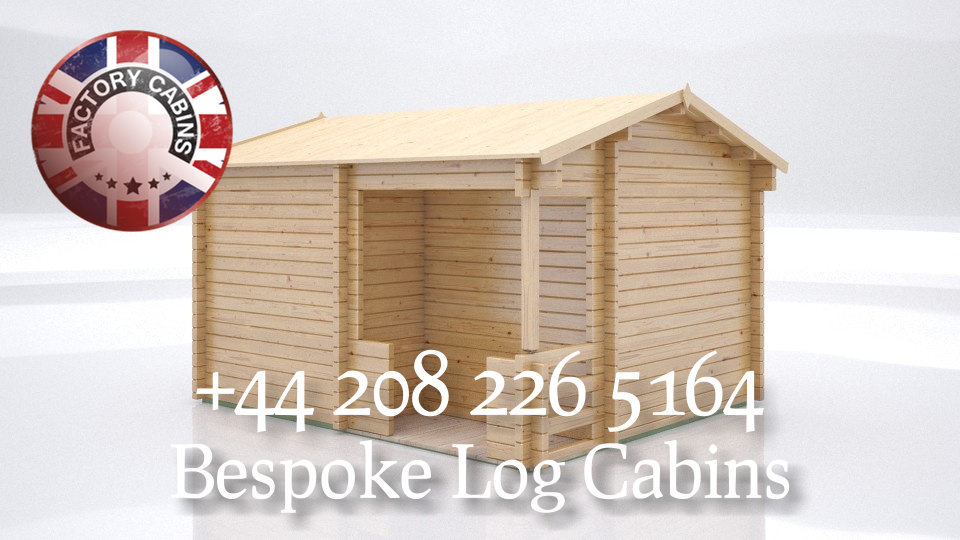
Beyond the Garden Shed: Discovering What Bespoke Log Cabins Can Really Do!
Say “log cabin”, and most people picture a cosy holiday getaway tucked into the woods, or maybe just a garden shed crammed with old tools and bikes. Those are the obvious uses, sure, but honestly, that’s just the tip of the iceberg. Modern, custom-built timber cabins can do so much more. In a world where space costs a premium and everyone’s juggling work, family, and downtime, a bespoke log cabin isn’t just another building out back. It’s a game-changer. It can totally reshape how you live, work, and relax.
At Factory Cabins, we’ve learned that “cheap and cheerful” only works until the weather turns nasty or the insulation gives up. Real value comes from building something that lasts — something precise, adaptable, and tough. That’s why we use winter-cut, slow-grown Swedish spruce, glulam windows, German hardware, and twin-skin construction. These cabins stand up to the elements like proper brick houses but still feel warm and natural. And when you throw out the design rulebook? Honestly, you can build almost anything you can imagine.
Home Offices and Creative Studios, Your Way
With remote work now the norm, garden offices have exploded in Kent, Sussex, and everywhere else. But those generic prefab pods? They often fall short. They usually miss the details that matter — like proper soundproofing, good airflow, or enough power for all your gear. A made-to-measure log cabin gives you total control.
Picture a music studio where you can actually play drums and record vocals without bothering the neighbours, thanks to thick insulation and high ceilings. Or maybe you want a light-filled art studio with big windows bringing in that perfect north light and climate control to keep your paints and canvases safe. Tech professionals can have a cabin wired from the ground up for servers, fibre optics, and ergonomic lighting—a real workspace that’s separate from home but just a few steps away. We build with CNC precision, so every socket, data port, and shelf fits right into the timber walls. No messy cables, no wasted space.
Your Own Private Spa or Leisure Retreat
Why drive hours to a spa when you can build your own sanctuary right outside? More people are turning bespoke cabins into private wellness centres. With our focus on net-zero design and top-notch insulation, these spaces stay comfortable all year, which makes them perfect for saunas, yoga, or meditation rooms.
Imagine a pool house with showers, a changing area, and a comfy lounge that looks out over the water — all built with timber that shrugs off humidity. Or maybe you want a gym at home, with rubber floors, mirrored walls, and heavy-duty ventilation, ready for serious workouts. Because it’s all custom, we can add full plumbing and electrics from the start, so your retreat works as good as it looks. Whether you’re dreaming of a cinema room with perfect sound or a games room for the kids, your cabin becomes the place everyone wants to be—right in your own backyard.
Sustainable Living and Ancillary Accommodation
Bespoke timber framing isn’t just about beautiful buildings—it’s a real answer to the housing crisis and the needs of families living together across generations. If you’ve ever tried to build something new, you know how planning rules can tie you up in knots. But here’s the thing: granny flats and annexe often get the green light under different, more flexible rules—especially if they meet standards like BS 3632 for park homes.
Picture this: a log cabin designed just for you, tucked in your garden. Maybe it’s a one- or two-bedroom place for your parents, giving them independence but keeping them close when they need you. These homes come with proper kitchens, easy-access bathrooms, underfloor heating, and insulation that actually keeps energy bills in check. They’re not just for parents, either. Young adults who want their own space while they save up for a home love them, too. Or maybe you’re eyeing Airbnb income—these cabins make perfect holiday lets. In places like the South Downs or the Kent countryside, a stylish eco-lodge can pull in serious nightly rates. Suddenly, a forgotten patch of your garden becomes a steady income stream.
Specialized Commercial and Community Uses
Timber structures aren’t just for homes. All over the UK, businesses are getting creative—using these buildings for pop-up shops, rural coffee stops, and reception areas that actually look like they belong in the landscape. Because we handle everything—from the groundworks to electrics and plumbing—you’re looking at a finished, ready-to-use space in weeks, not months.
Schools and nurseries are catching on, too. Outdoor classrooms made from timber give kids a real connection to nature, plus they’re weatherproof, so rain doesn’t cancel class. These buildings grow with you: need more space? Just add on. Equestrian centres love them for tack rooms, grooming stations, or even workshops for the farrier. They’re tough enough for farm life but comfortable enough to spend your day in.
The Importance of “Bespoke” vs. “Off-the-Shelf”
The real magic is in “bespoke.” Off-the-shelf cabins force you to compromise—with fixed sizes, awkward window placements, and flimsy walls that just don’t handle British weather. Buy cheap, buy twice, as they say.
But when you go bespoke with Factory Cabins, the building fits your life—not the other way around. Need a 10-meter open span for a dance studio? We engineer glulam beams for it. Want triple glazing and airtight, passive-house standards for year-round living? We build that right in. Looking to match a historic home or make a bold, modern statement? We tweak the cladding, roof shape, and finish until it’s perfect.
We use toughened glass, high-spec windows, and insulated doors, so whether you want a secure site office or a sun-drenched art studio, your cabin just works. And because we manufacture directly, there’s no middleman, so your money goes into better timber, hardware, and finishing—not someone else’s pocket.
Future-Proofing Your Investment
A bespoke log cabin is about flexibility. Maybe today it’s your home office. Down the line, it could be a teenager’s hangout or a guest suite. Swedish spruce and CNC precision mean it’ll stand up to decades of weather, resisting rot and warping. It’s a building that grows with you.
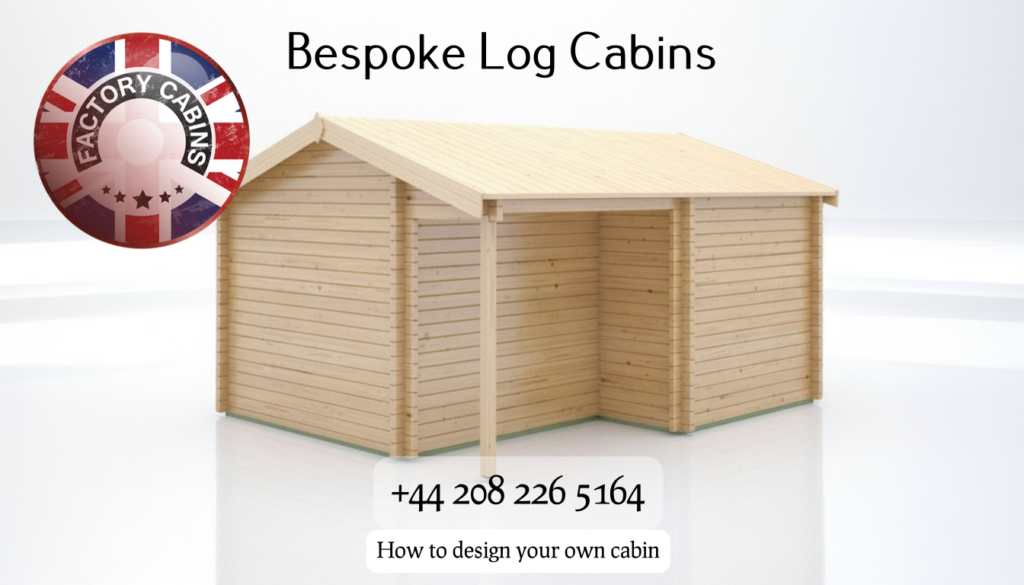
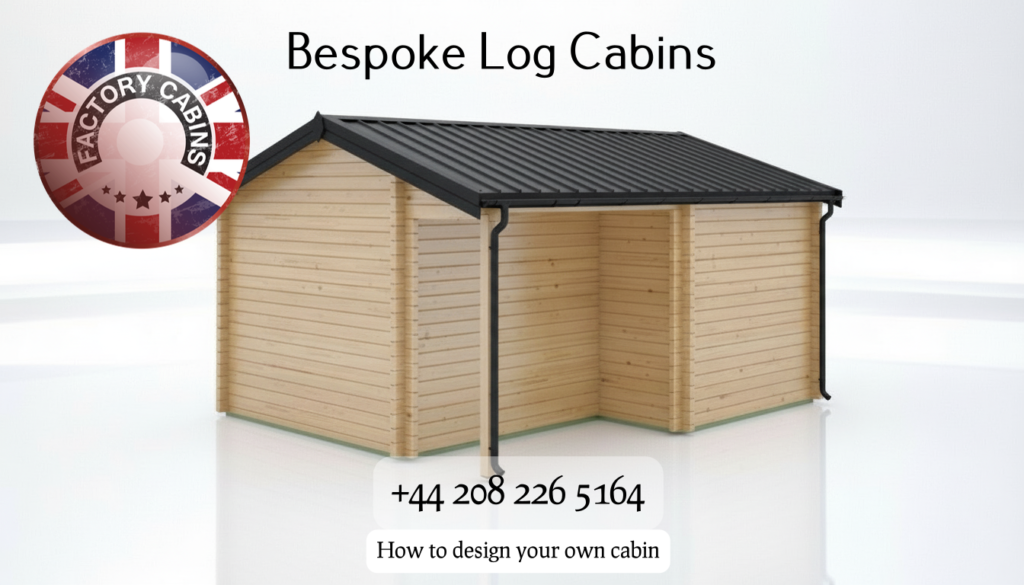
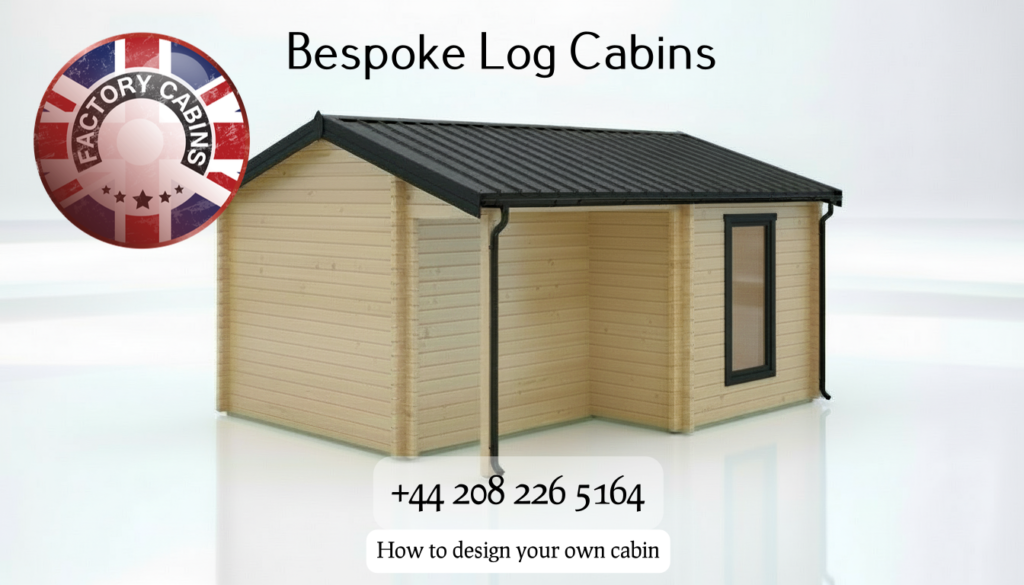
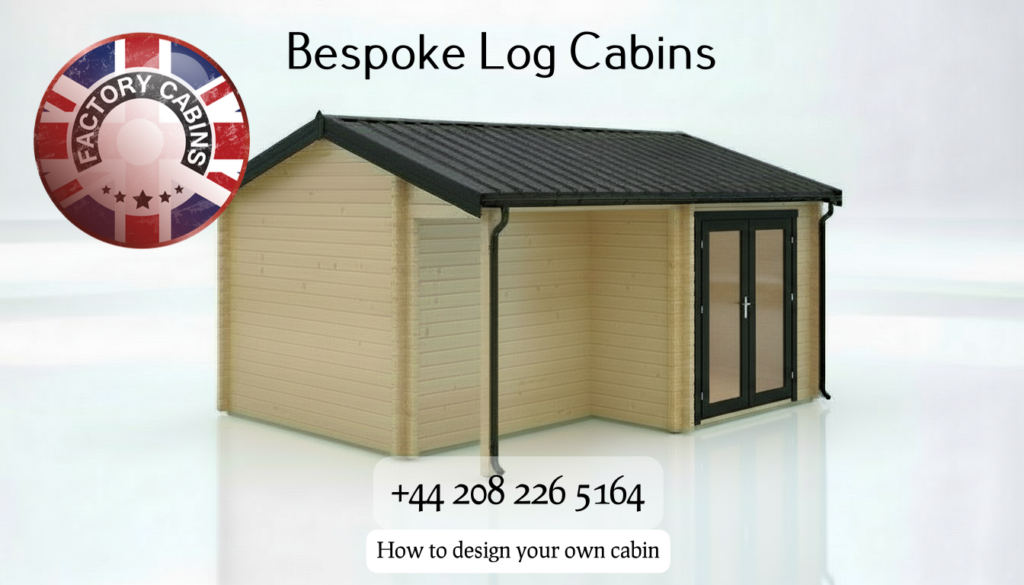
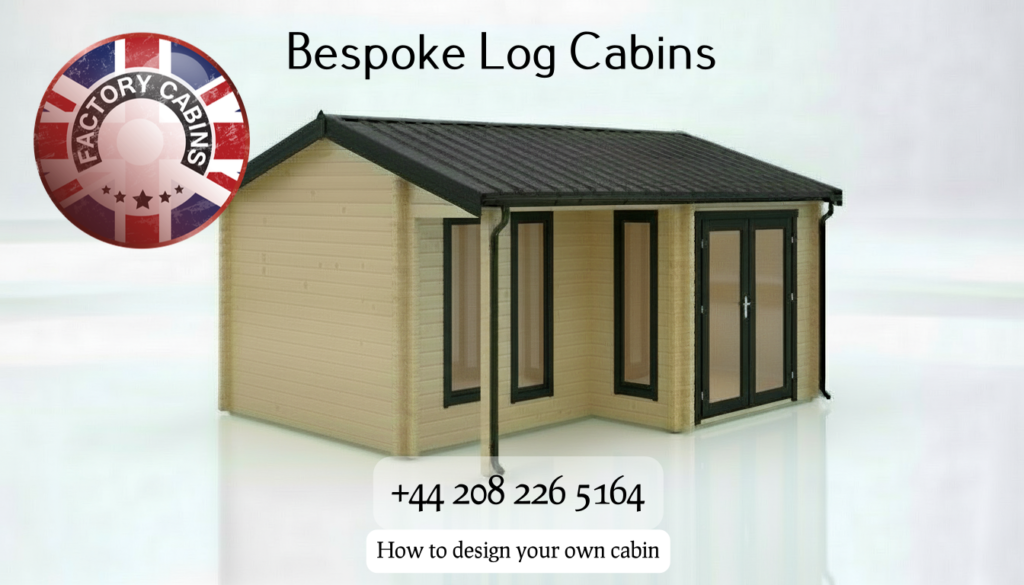
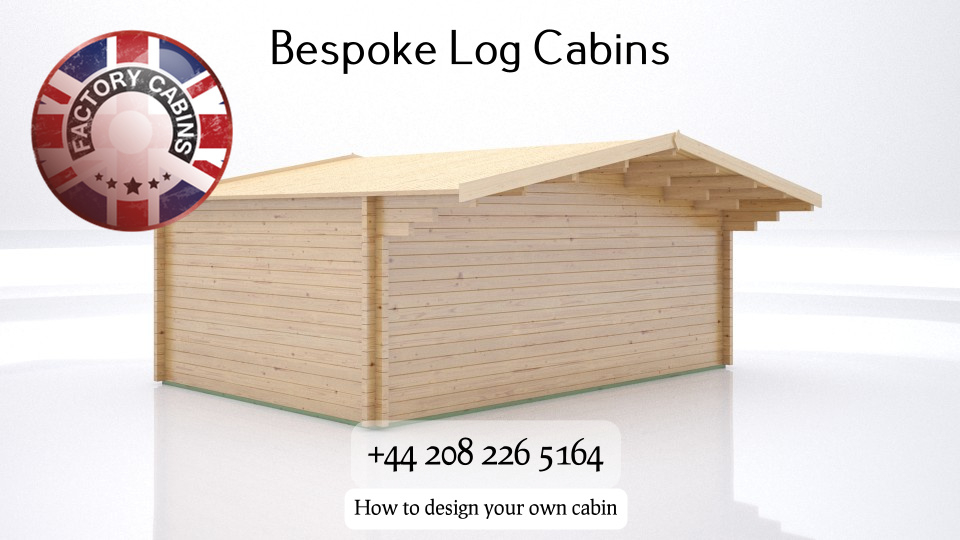
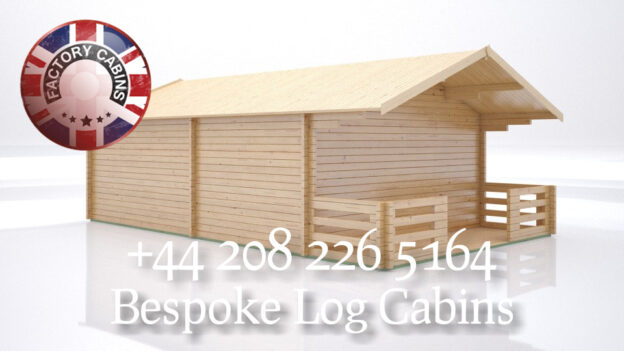
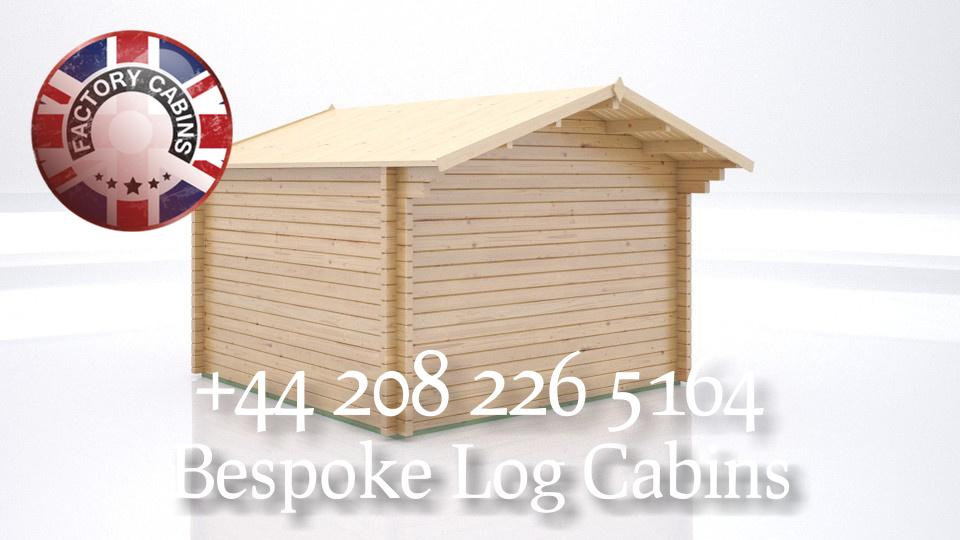
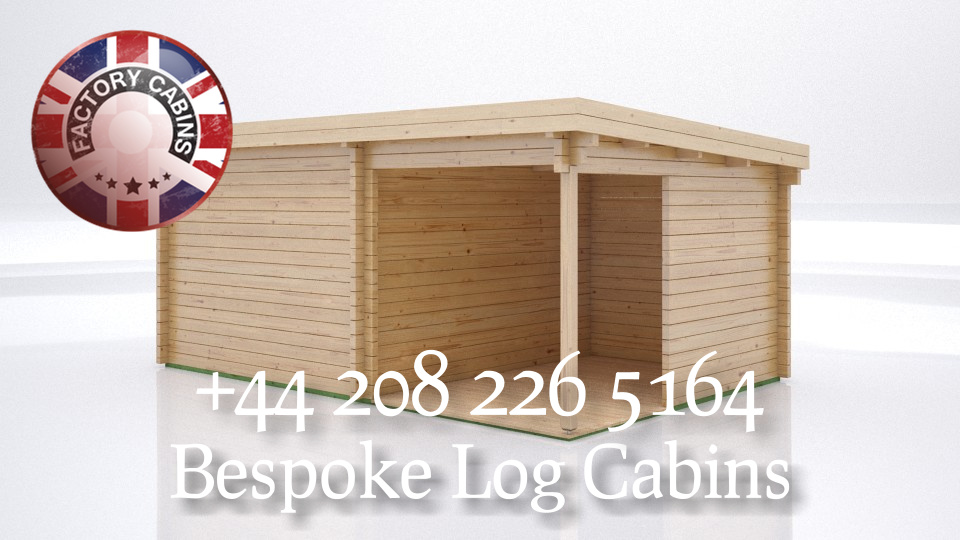
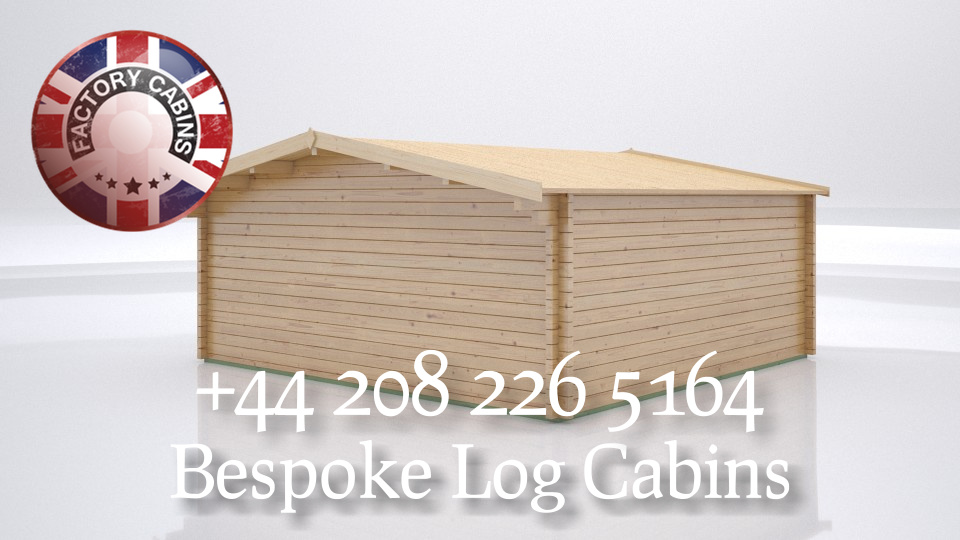
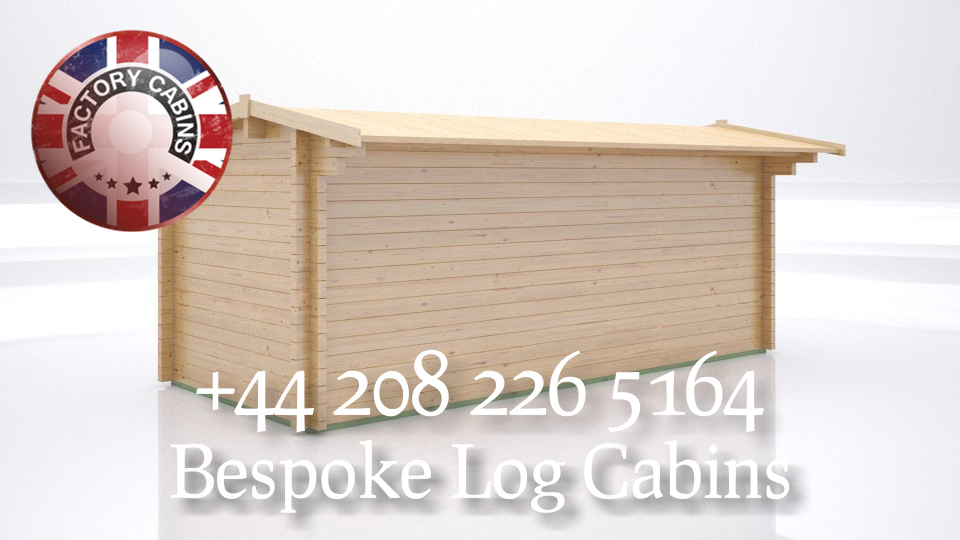
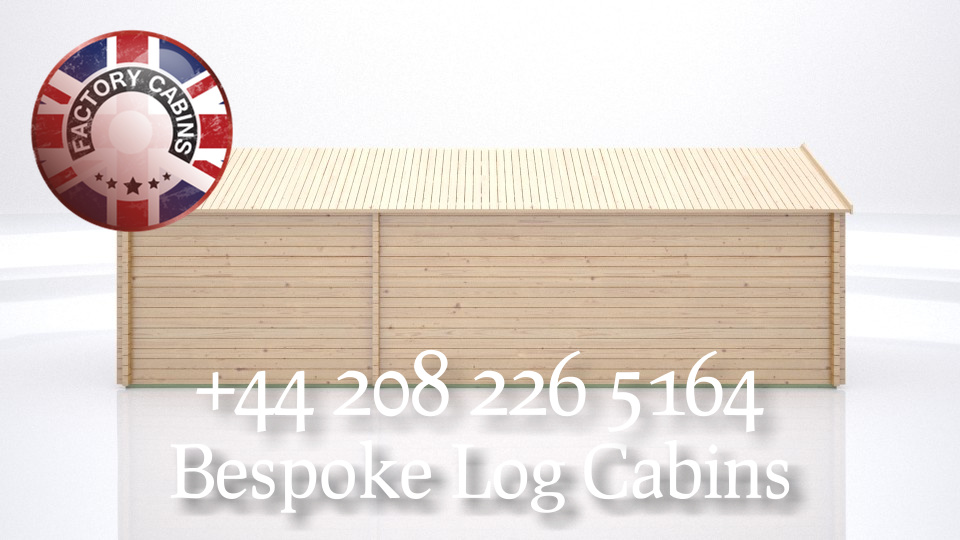
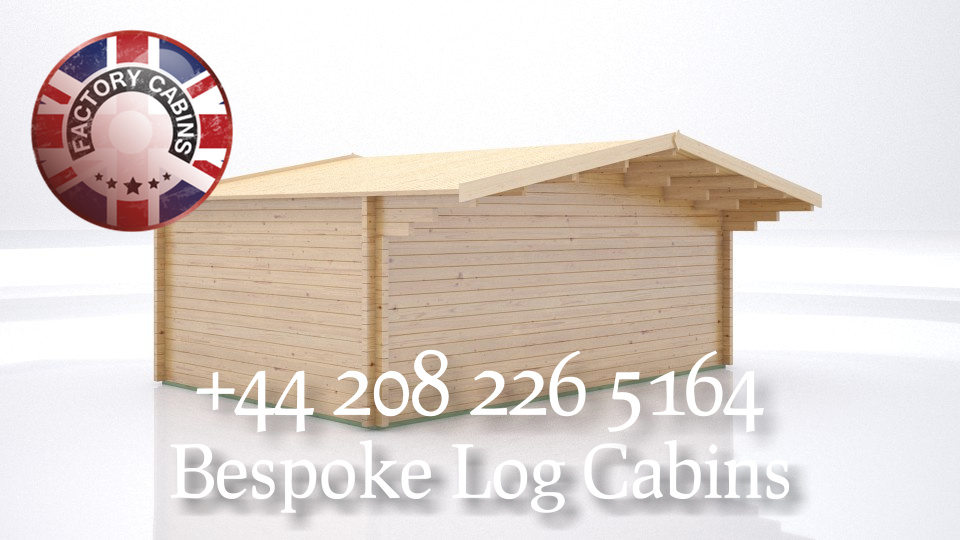
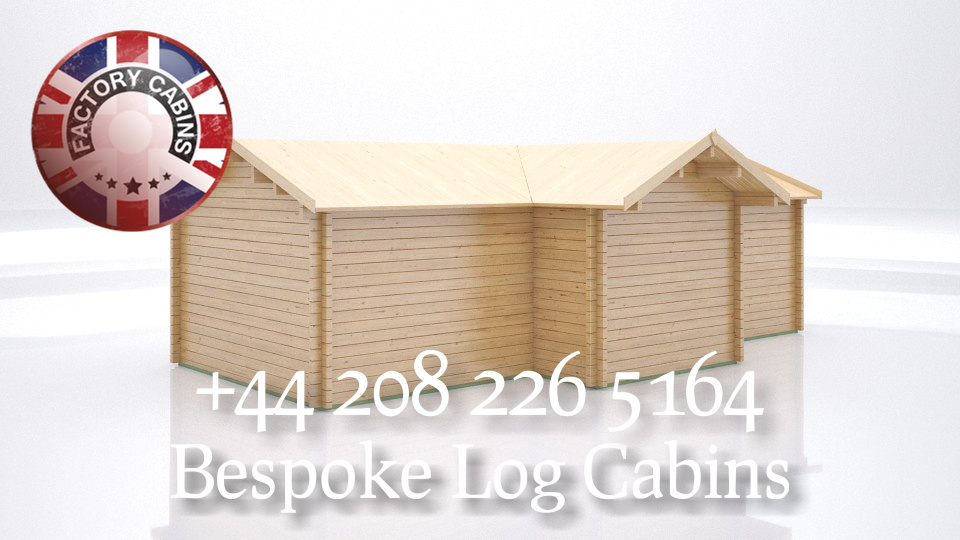
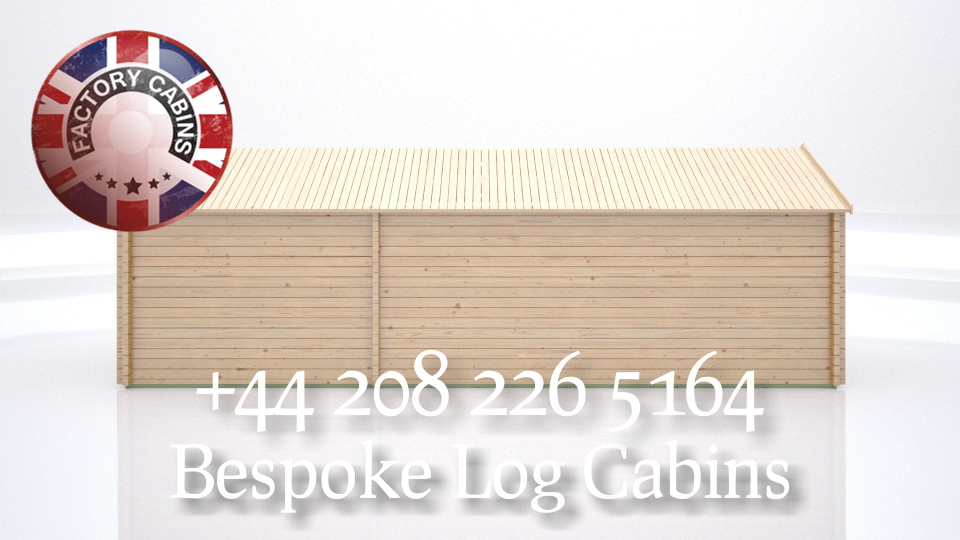
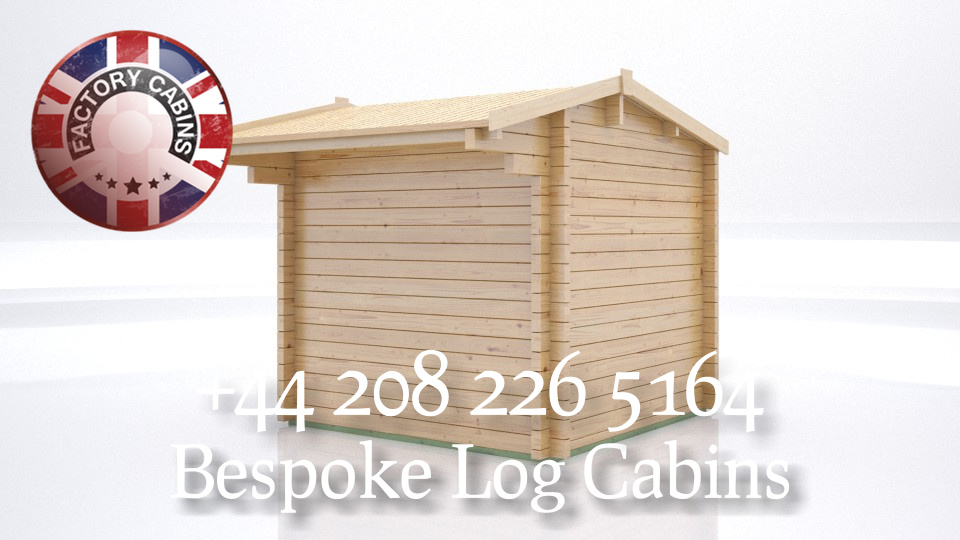
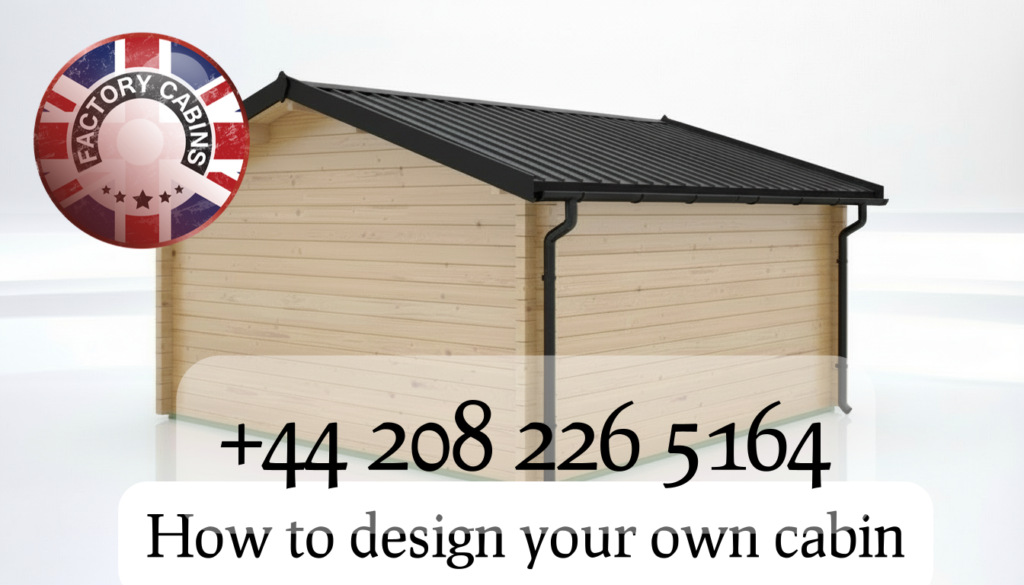
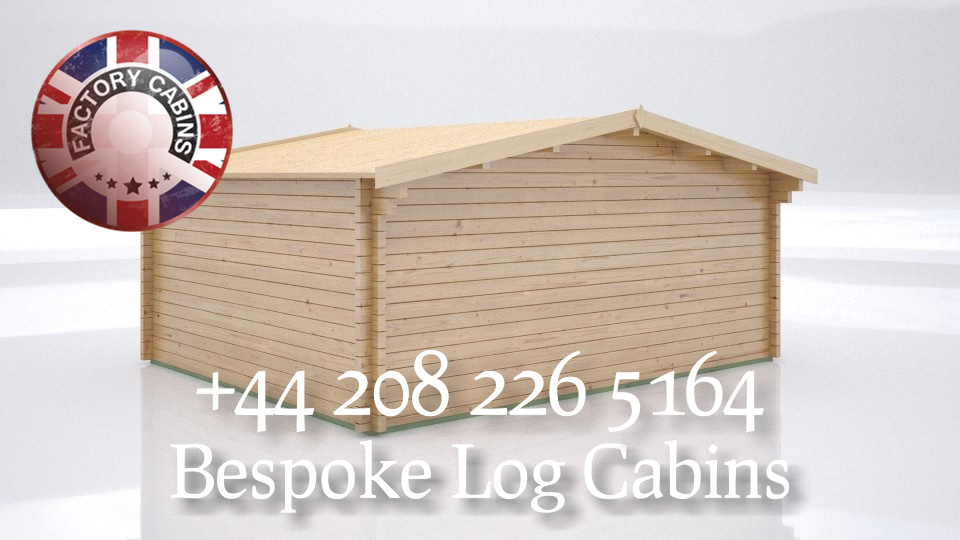
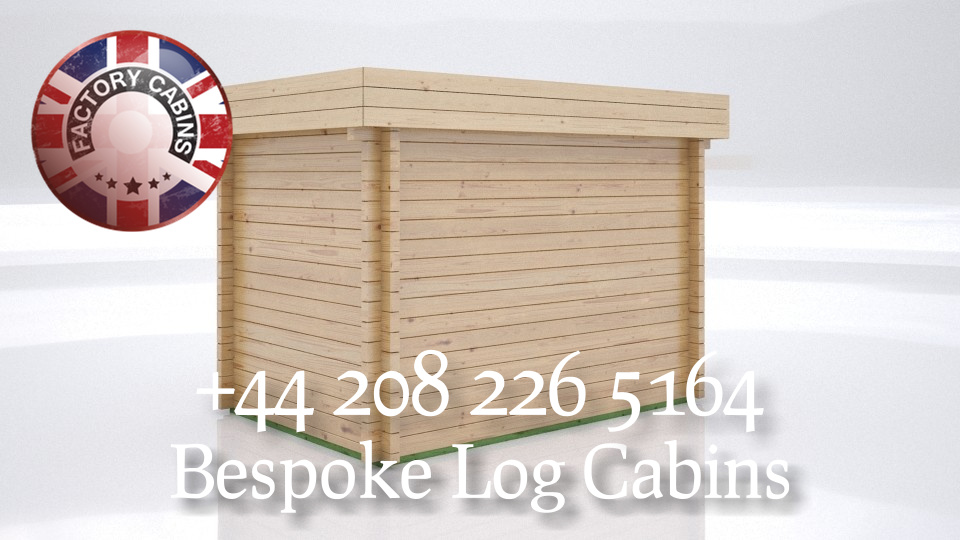
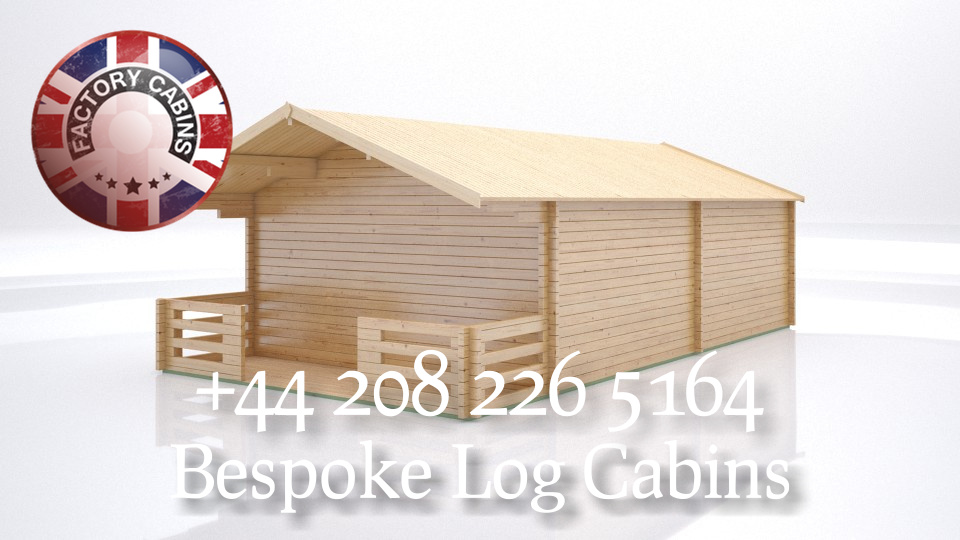
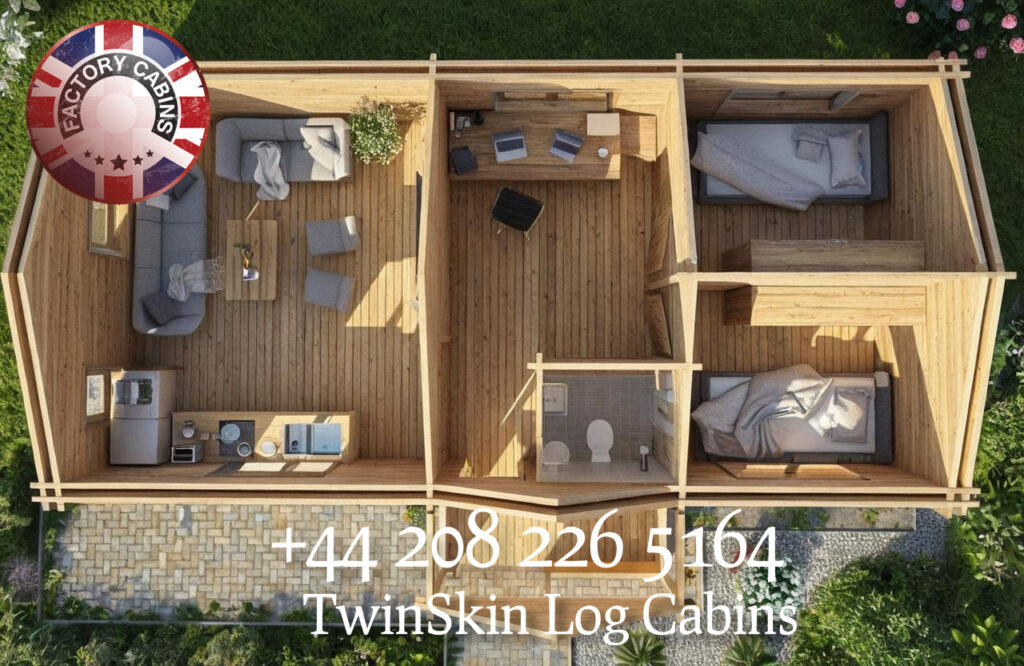
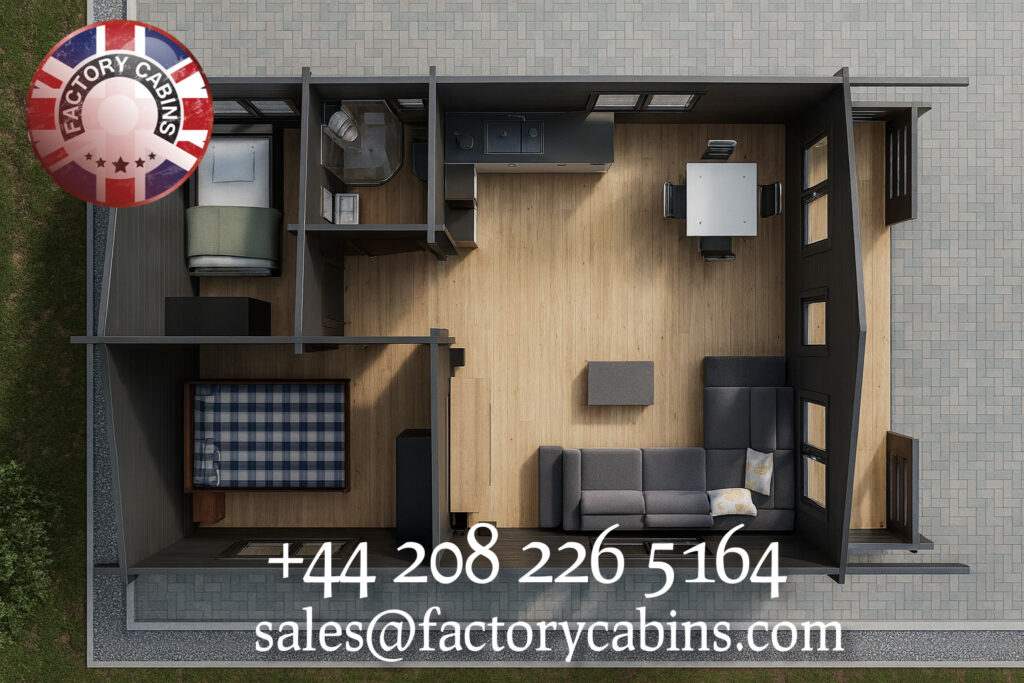
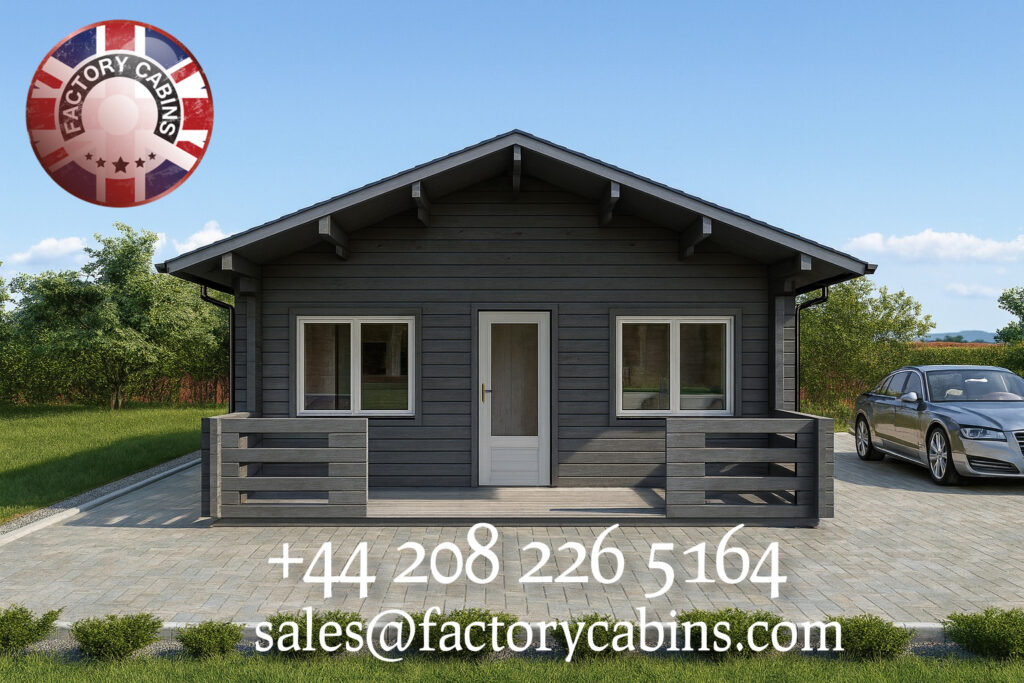
From This 44mm box
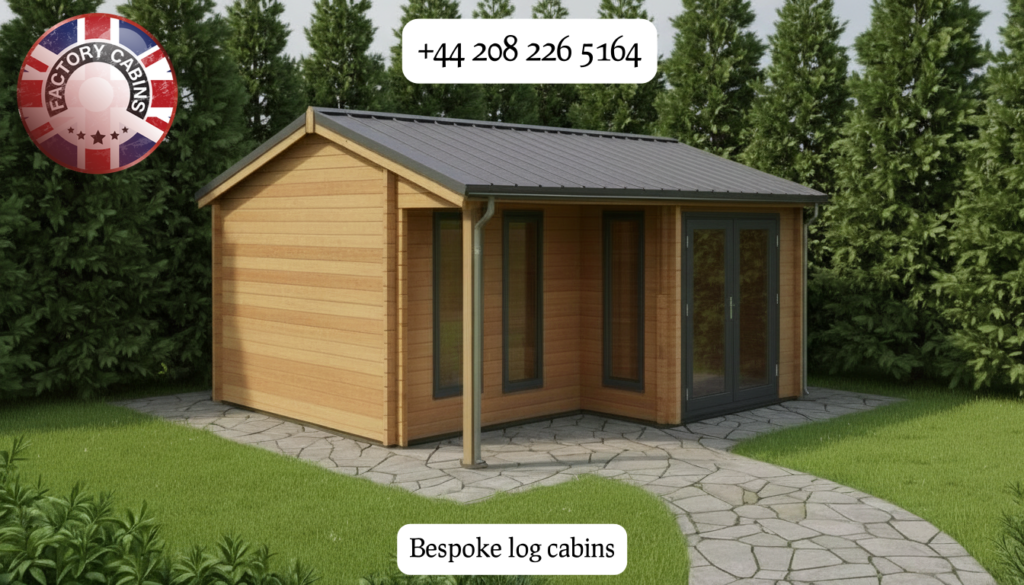
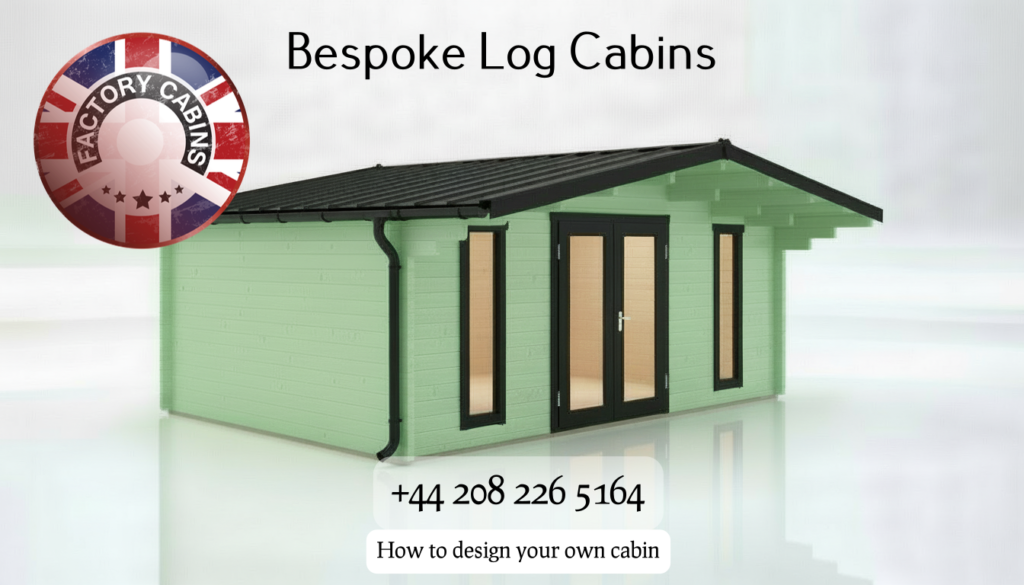
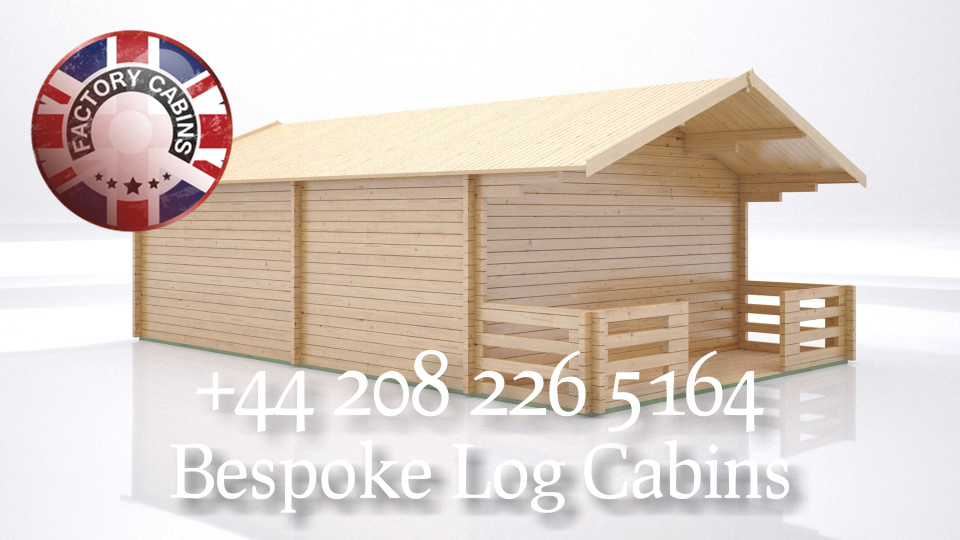
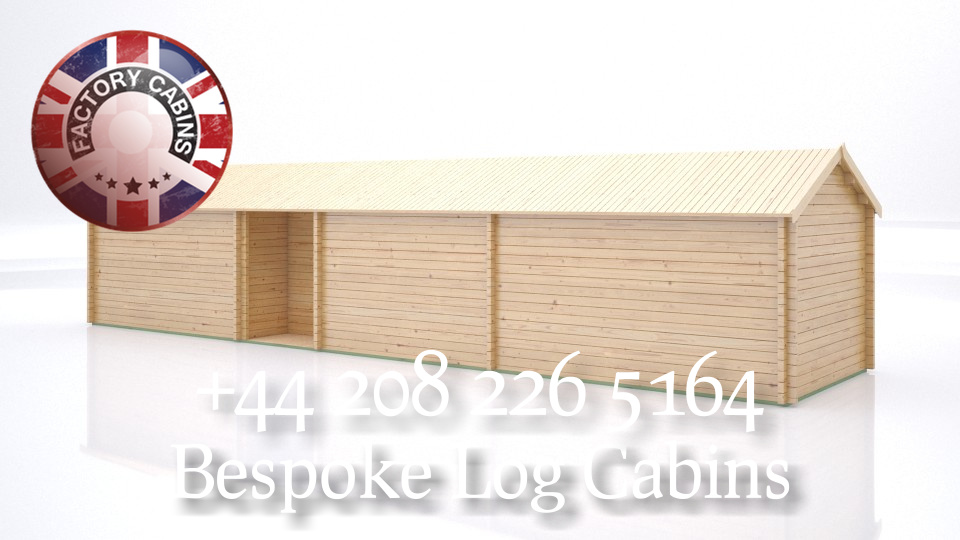
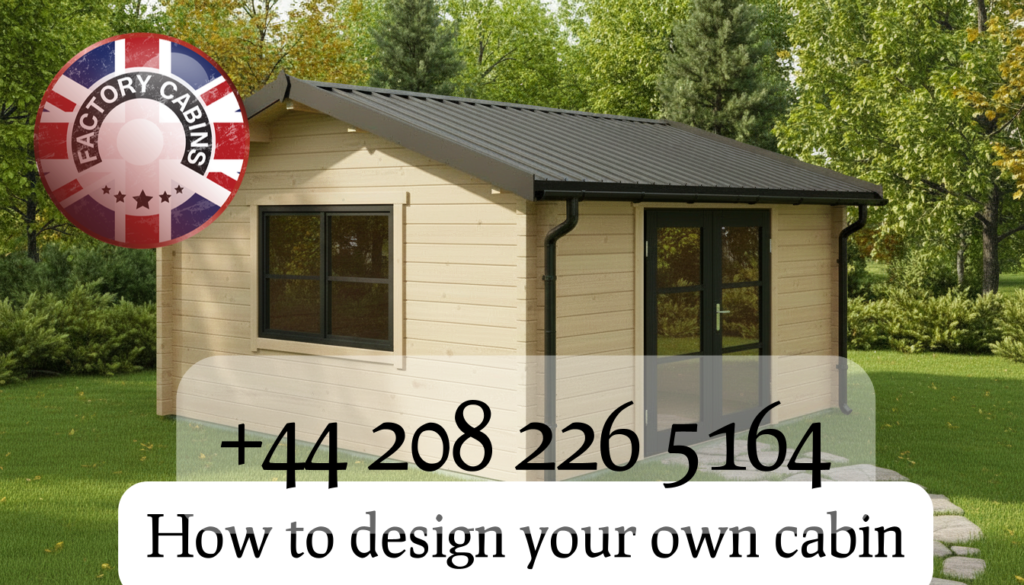
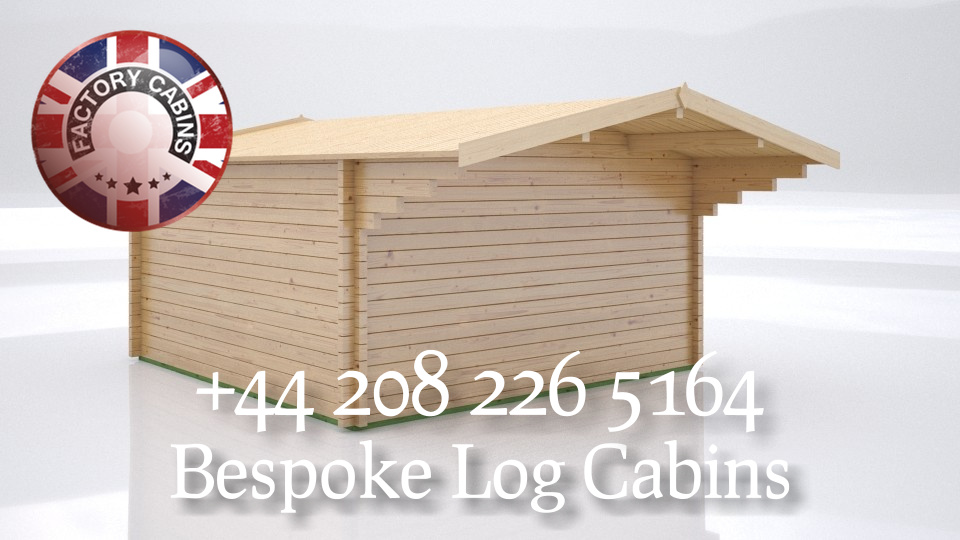
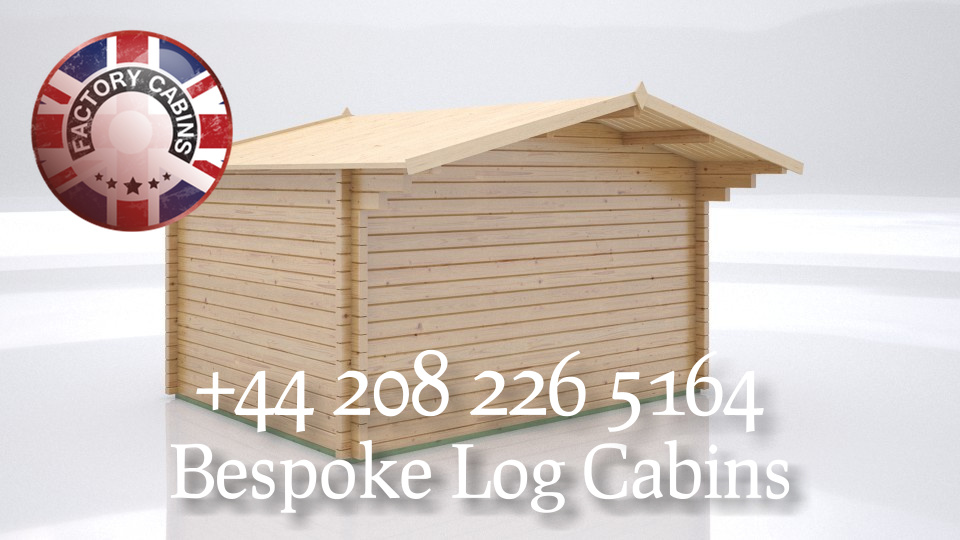
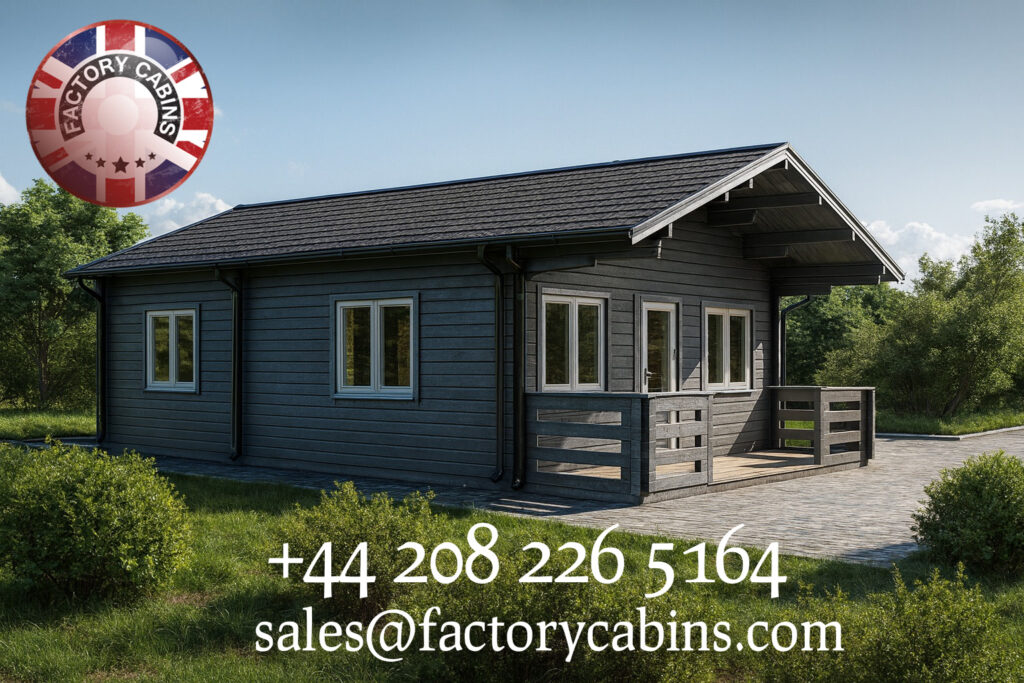
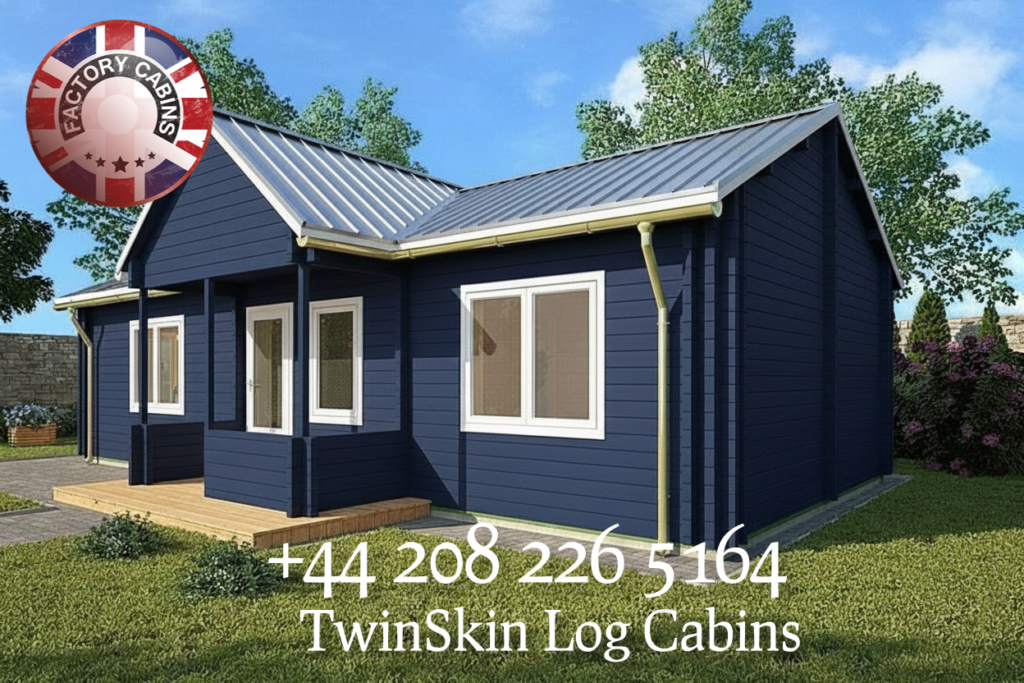
To This bespoke design
And let’s talk about sustainability. Timber is one of the greenest building options out there—especially when it’s sourced properly, like ours from slow-grown Scandinavian forests. It locks up carbon, and when you add solar panels or heat pumps (which our designs make easy), you’re not just building for yourself. You’re building for the planet.
When it comes to bespoke log cabins, your only real limit is your imagination—and the size of your plot. Need a high-spec office, a luxury retreat, a guest house, or a commercial cabin? You can have it, fast and without breaking the bank. These buildings do more than traditional extensions ever could—they solve real problems in modern life.
Why settle for a bland, off-the-shelf box that barely gets the job done? You deserve a space crafted for your needs, built from the best materials, and designed to last.
Please send us an email to sales@factorycabins.com
All bespoke designs are welcome. PLEASE call 0208 226 5164
BESPOKE LOG CABINS: THE ULTIMATE GUIDE TO CREATING YOUR PERFECT GARDEN RETREAT
OUR NEW EMAIL IS SALES@FACTORYCABINS.COM
Introduction: Why Bespoke Matters
Here’s the thing—at Factory Cabins, we’ve spent years bringing together some of the best carpenters, architects, joiners, and machinists out there.
All with one goal in mind: building truly bespoke log cabins. We don’t just churn out the same old cabins you’ll find everywhere else. Instead, we focus on three things, in this order: quality, design, and then price. If we cared only about cutting costs, we’d be letting our customers down.
Safety always comes first in every project. We sweat the details on quality, then we think about price.
Picking out a bespoke log cabin can feel overwhelming. There’s a lot to consider, but honestly, safety should always top your list. Factory Cabins really does stand out—we’re known across the industry for being the best at what we do. Don’t settle for something average.
Call us up, tell us what you need, and let’s build something just for you. With Factory Cabins, you get the only log cabin that’s truly built for your peace of mind.
Chapter 1: Understanding Twin Skin Construction
What Makes Twin Skin Superior?
Every one of our cabins comes with a twin skin option—either 44mm x 44mm or 70mm x 70mm. This isn’t just fancy talk. Twin skin construction is a genuine step forward in how log cabins are built.
A twin skin cabin uses two separate layers of timber—one inside, one outside—with a gap in between for top-notch insulation. That’s the secret. This setup gets rid of cold spots, stops condensation, and keeps things nice and quiet inside.
The insulated walls? They work just as well as a solid wall that’s five times thicker. So you save space, use fewer materials, and—most importantly—cut down on costs.
44mm x 44mm Twin Skin: The Smart Choice
Durability, energy efficiency, style, and value all come together here. Using slow-grown Swedish spruce for both the inner and outer walls, this design works great for all kinds of spaces—year-round holiday rentals, glamping pods, garden offices that actually keep you warm, or family getaways where comfort really matters. It’s also a solid choice if you want a passive income property without high running costs.
Between the two 44mm spruce walls, there’s a cavity that fits 50mm to 100mm of insulation. With standard Celotex, you can get U-values down to 0.35 W/m²K. If you go with UK Building Regulations-compliant insulation kits, you can drop that even further, all the way to 0.19 W/m²K.
70mm x 70mm Twin Skin: Premium Performance
For those seeking maximum thermal performance, our 70mm x 70mm twin skin option delivers exceptional results. With a 110mm insulation cavity, this configuration achieves U-values of 0.19 W/m²K—significantly better than current UK building regulations require (0.21 W/m²K for 2022 standards)
The substantial 70mm logs provide excellent thermal mass, meaning they hold heat far better than thinner alternatives This makes them ideal for:
Residential park homes requiring BS3632 compliance
Locations requiring enhanced insulation (lakeside, coastal, or exposed sites)
Why Swedish Spruce?
Swedish spruce stands out for its strength and durability, which is why people keep coming back to it for building solid, long-lasting log cabins.
Unlike faster-growing woods, Swedish spruce trees take their time—about 80 years before harvest. That slow growth gives the wood a density and quality you just don’t get elsewhere.
So what do you actually get with Swedish spruce? For starters, it’s got great thermal insulation. Spruce’s low density means log homes built from it keep the warmth in, even through those endless northern winters.
It’s also known for its dimensional stability. All those tight growth rings from slow growth help the wood resist warping and twisting. If you treat it right, Swedish spruce will stick around for decades with hardly any fuss. You don’t need to baby it.
The wood comes from FSC-certified forests, which means it’s harvested responsibly. That matters when you care about the planet.
And you can’t ignore the look. The natural grain and color of Swedish spruce give cabins a warm, timeless feel that just works, year after year.
One more thing—winter-cut seasoned spruce is even better. When they cut the trees in winter, the sap’s low, so the wood stays stable and resists weird warping or cracks as it ages. That’s the kind of detail that really makes a difference.
Chapter 2: Complete Window and Door Freedom
Our Vision, Your Placement
When you go bespoke, you get total freedom with your windows and doors. Seriously—put them wherever you want, as many or as few as you like. Want a cabin with no windows at all? Or maybe you want a wall full of glass? We’ve done both. Just tell us what you’re imagining, and we’ll make it happen.
With off-the-shelf cabins, you’re stuck with whatever layout’s already set. Our custom service flips that. You can:
Pick the perfect spot for a window to catch your favorite view or soak up the sunlight Put doors exactly where they make sense for how you move through the space Decide how many windows or vents you need—maybe you want loads for fresh air, or just one for a cozy vibe Play around with different sizes to make things interesting and useful
Standard Door Sizes
We have three standard door sizes to choose from. Beyond that, everything else is made to fit what you want.
Main entrances, moving furniture, creating open feel
Double Door with Outer Glass Panes
1930mm x 2310mm
Premium entrances, maximizing light, statement features
Every door is made from joinery glulam—basically, that’s laminated timber that stays straight and true, even as time goes by. Unlike regular solid wood, it doesn’t twist or warp, so your door always fits snug and works smoothly all year round.
And when it comes to windows, we offer five standard sizes. Each one’s crafted from the same joinery glulam and fitted with reliable German hardware.
Every window comes double glazed as standard, with options for fixed panes or handy tilt-and-turn openings.
The tilt-and-turn system is pretty clever. You can tilt the window inwards for a bit of fresh air—totally safe, especially if you’ve got kids or pets. Or, swing the whole thing open for a proper breeze and easy cleaning.
We use German hardware on all our windows and doors. It’s not hype—this stuff really is top quality. The tilt-and-turn mechanisms aren’t just smooth and easy to use; they’re built tough to last for decades.
You get solid, heavy-duty components that keep working year after year. Opening and closing feels effortless, thanks to precise engineering. Security’s covered too, with multi-point locks and anti-lift features, so you can actually relax. The seals hold up in all kinds of weather—rain, wind, even salt air near the coast, thanks to stainless steel parts that fight off corrosion.
All the hinges and hardware are residential quality, the best you’ll find in the industry. And here’s the thing—this isn’t an extra you pay more for. Every Factory Cabins bespoke project gets these features as standard.
Custom Sizes, No Limits
Sure, our standard sizes work for most people, but sometimes you need something different. Maybe you want huge windows to take in that lake view. Maybe you have a unique design in mind, or you need taller doors for better accessibility. We can handle it. Whatever shape or size you’re picturing, we’ll build it to fit your space.
We use the same high-quality glulam joinery and German hardware for every window and door, no matter the size. So your whole cabin feels solid and consistent, even if you mix standard and custom pieces.
Georgian Bar Choices
Want Georgian bars on your windows or doors? We’ve got you covered. We factory-fit these bars for a clean, lasting finish—they’re not the removable kind you’ll find in our Country and Planning Compliant ranges. If you want everything to match, just let us know.
Chapter 3: Creating Your Bespoke Log Cabin – Step by Step
Step 1: Pick Your Log Cabin
Start by choosing the log cabin body you want. There’s a massive range—different sizes, layouts, verandas, roof heights, and setups. You’ll find over 180 bespoke log cabin bodies here. Still not seeing one that works for you? Shoot us an email or just give us a call. We’re always happy to talk through your ideas.
Step 2: Measure Your Space
Grab a tape measure and check how much room you’ve got in your garden. Leave some space between your new cabin and any fences or buildings—around 600mm is a good rule of thumb. That way, you’ll have enough room to actually build the cabin and keep it in good shape down the line.
A few planning rules to keep in mind:
Log cabins need to be under 2.5m tall if they’re close (within 2m) to your property boundary.
The cabin shouldn’t take up more than half your garden.
There are height limits: 4 metres for gable roofs, 3 metres for other roof types.
If you plan to sleep in the cabin, live in it, or rent it out for holidays, you’ll need full planning permission.
Once you’ve picked the cabin that fits, it’s time to choose the wall thickness. Go for 44mm or 70mm walls—or try the twin skin options (44mm x 44mm or 70mm x 70mm). Then just add it to your cart and you’re set for the next step.
Thickness
Best Use
Thermal Performance
44mm Single
Summer offices, seasonal use
Moderate
70mm Single
Extended season use
Good
44mm x 44mm Twin
Year-round comfort
Excellent
70mm x 70mm Twin
Premium year-round
Superior
44mm logs are seriously thick — 57% thicker than the usual 28mm ones you see out there. But you know what? Twin skin construction takes thermal performance to a whole new level, no matter how thick your logs are.
Step 4: Choose Windows and Doors
There’s a ton of options. You can go for single or double doors, pick from fully glazed, three-quarter, or half-glazed styles, and even add Georgian bars if that’s your thing. All our glazing? Double glazed, sealed units as standard.
When it comes to windows, you’ve got just as much choice. Single or double, pick any size you want. Again, everything’s double glazed. Some windows are fixed, others tilt and turn — it’s up to you. And the hardware on the windows matches the doors, so everything feels solid and looks good.
Step 5: Position Windows and Doors
Now, decide where you want each window and door. The visuals for each cabin wall actually show you the possible spots. Just make sure you’re not placing anything closer than 300mm to a corner or a main structural section.
Here’s something that sets us apart: we always double-check your plans to make sure your cabin stays rock solid. Not every bespoke manufacturer does this, but we do. It’s that attention to detail that keeps your cabin performing the way it should, year after year.
Chapter 5: Why Factory Cabins Stands Apart
Quality Over Quantity
Our structural timbers outshine, outsize, and outprice 99.9% of the bargain basement happy-go-lucky log cabin dealers/agents in the UK. We only use premium winter-cut, slow-grown Swedish spruce—no cheap shortcuts
No Middlemen
You buy straight from us, so there’s no unnecessary markup or compromise. You get a custom, high-spec cabin for a fair price, and we’re with you every step—from your first question to the final installation
Engineering Heritage
We invented the interlocking twin skin system. We designed it, we built it, we brought it to market first, and we know it inside out. When you create something yourself, you know every detail, every strength, and every opportunity to make it even better
Complete Bespoke Service
As you can see this started of as a shell 44mm winter cut spruce logs., floor 28mm, roof 19mm, no windows and doors, all you do is tell us what you really want and it will be delivered in 8 weeks!
Single skin, Twin Skin, any kind of size, double glazed, tilt and turn windows and doors! Bespoke Log Cabins…
Every cabin is truly bespoke. You decide where everything goes—furniture, walls, doors, windows, it’s all your call. Our design team works closely with you to create a solution that exceeds expectations while working within your constraints.
Chapter 6: Applications and Uses
Garden Offices
Walk into a twin skin cabin, and it just feels right—a quiet, cozy spot where you can actually get things done. Thanks to the insulated walls, you’ll use it in January just as much as July. It’s more than an office; it’s your own personal hideaway, no matter what the weather’s up to.
Holiday Lets
Self-catering cabins never lose their charm. Put a well-built log cabin in a beautiful spot—think Kent, Sussex, the Lake District, or the Highlands—and you’ll see steady bookings. Our clients pull in £800 to £1,500 a month, year-round, all because these cabins really hold the heat.
Life changes, families grow. Maybe your teenager needs space, or an elderly parent can’t handle the stairs anymore. We design cabins that fit real lives: proper insulation between rooms, wet rooms with underfloor heating, kitchenettes—all the details sorted, so everyone feels at home.
Glamping and Tourism
The UK’s holiday scene is booming. More people are staying local, looking for eco-friendly options, and want something a bit special. A 44mm twin skin log cabin blends that classic timber look with up-to-date comforts guests actually notice.
Chapter 7: Technical Specifications Summary
Wall Options
Single Skin: 44mm or 70mm Swedish spruce. Twin Skin: 44mm x 44mm or 70mm x 70mm, with 50-110mm of insulation in between. U-Values: As low as 0.18 W/m²K (twin skin with building regs insulation).
Door Specifications
Single: 1930mm x 830mm Double: 1930mm x 1410mm Double with Glass: 1930mm x 2310mm Material: Joinery-grade glulam, top-quality German hardware. Glazing: 28mm toughened double glazing, standard.
Window Specifications
500mm x 500mm – Small square 880mm x 650mm – Standard portrait 1520mm x 710mm – Wide landscape 1130mm x 710mm – Medium landscape 1130mm x 1310mm – Double opening, tilt and turn Material: Joinery glulam, German hardware. Glazing: Double glazed, sealed units.
Lead Time & Delivery
Production: Up to 6 weeks from confirmed plans. Delivery: HIAB lorry to your kerbside (included in price). Installation: Full turnkey service available if you want it.
Your Bespoke Journey Starts Here
Honestly, we could write for days and never run out of reasons why Factory Cabins stands out. But here’s what matters: we’re the best in the business, and everyone knows it.
Don’t settle for anything less. Call us and tell us what you need. Garden office? Luxury holiday let? A cabin for the whole family? We’ll make it happen, just how you want it.
Every custom design is welcome. Whether you’re in Brighton, Margate, the Lake District, or the Highlands—we deliver quality and performance that change how you think about garden buildings.
Bespoke Cabins from Factory Cabins—the only choice that makes sense.
This guide is built on over twenty years of hard-earned expertise, thousands of successful projects, and a real commitment to quality. Your dream space is just a phone call away.
Step into a twin skin cabin, and you’ve got a peaceful, warm, proper workspace. The insulated walls mean you’ll actually use it all year, not just when the sun’s out. It quickly becomes your personal retreat, whatever the weather’s doing outside
Quality self-catering properties are always in demand. Place a well-located log cabin in beautiful areas like Kent, Sussex, the Lake District, or the Scottish Highlands, and you’ll enjoy steady rental income
Our clients report earning £800–£1,500 monthly from cabins let year-round thanks to genuine thermal performance.
Multi-Generational Spaces
Families evolve. Teenagers seek independence. Elderly parents require ground-floor accommodation. Our bespoke service creates cabins tailored to human needs: internal partitions with proper insulation, wet rooms with underfloor heating provisions, kitchenette integrations
The UK holiday market is thriving. More people are choosing staycations, eco-tourism is growing, and travelers want something unique. A 44mm twin skin log cabin combines classic timber aesthetics with modern features that guests appreciate.
Chapter 7: Technical Specifications Summary
Wall Options
Single Skin: 44mm or 70mm Swedish spruce.
Twin Skin: 44mm x 44mm or 70mm x 70mm with 50-110mm insulation cavity.
U-Values: As low as 0.18 W/m²K (twin skin with building regs insulation).
Door Specifications
Single: 1930mm x 830mm.
Double: 1930mm x 1410mm.
Double with Glass: 1930mm x 2310mm.
Material: Joinery glulam with German hardware.
Glazing: 28mm toughened double glazed as standard.
Window Specifications
500mm x 500mm – Small square.
880mm x 650mm – Standard portrait.
1520mm x 710mm – Wide landscape.
1130mm x 710mm – Medium landscape.
1130mm x 1310mm – Double opening tilt and turn.
Material: Joinery glulam with German hardware.
Glazing: Double glazed sealed units.
Lead Time & Delivery
Production: Maximum 6 weeks from confirmed plans
Delivery: HIAB lorry to kerbside (included in price)
Installation: Optional turnkey service available
Your Bespoke Journey Starts Here
There are so many points we could focus on in this article—we would need 300 web pages! But we will say just this: Factory Cabins is without doubt the Best of the Best and everyone in the Industry Knows it!
Do not settle for less. Give us a call and tell us what you are looking for. Whether you need a compact garden office, a luxury holiday let, or a multi-functional family space, our bespoke service ensures you get exactly what you need.
The last thing to remember, this prosess, gives you totally dominance over the size, height, lenght, and what windows where, and also doors position. Total BESPOKE!
All bespoke designs are welcome. From Brighton to Margate, from the Lake District to the Scottish Highlands, we deliver quality, accessibility, and performance that redefine what’s possible in garden building.
Bespoke Cabins From Factory Cabins – the only safe choice.
This comprehensive guide represents over two decades of engineering excellence, thousands of successful installations, and an unwavering commitment to quality. Your dream space is just a conversation away.
Please send us an email to sales@factorycabins.com
All bespoke designs are welcome. PLEASE call 0208 226 5164
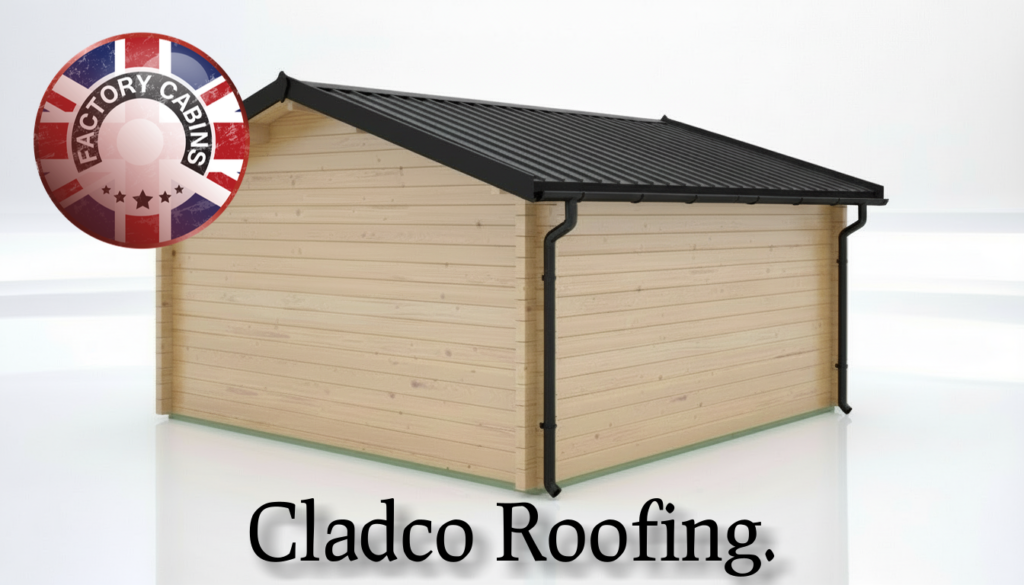
www.cladco.co.uk the best roofing we believe for our Bespoke Log Cabins.
You must laugh when you see any company in the UK with a 28% sale or a 33% sale on now? So how much did their mass-produced bonfire material cabins really cost, and what are you getting for your money? It’s about time to wake up!
Let’s be real—when it comes to timber structures, the saying “Cheap is cheerful, but you buy cheap twice” hits the mark.
This old bit of wisdom says it all: there’s a huge difference between something built to last and something cranked out as fast and cheap as possible. If you’re thinking about getting a log cabin, a garden office, or maybe a camping pod, it’s easy to get lured in by the local shed reseller company’s deals.
But buying a bargain cabin from one of those places isn’t just a bad move—it’s asking for trouble. You don’t just risk your money; you risk your comfort and the life of the building. And honestly, you almost always lose. Here’s where things go wrong: the wood. Good manufacturers, the kind that care about lasting quality, use winter-cut, slow-grown Swedish spruce.
This stuff has dense growth rings, so it’s strong, resists rot, and shrugs off bad weather. The cheap cabins? They’re usually made from summer-cut timber that grows fast, leaving the wood with wide rings and lots of moisture. In the UK’s damp, unpredictable weather, that kind of timber doesn’t settle—it warps, twists, and cracks.
Give it a few months and your “new” cabin leaks, lets in draughts, and just looks rough. So really, you’re not buying a building. You’re buying yourself a headache (and a stack of repair bills).
And it gets worse when you look at how these budget cabins are put together. The construction is usually just not up to scratch for anything but storage. Twin-skin walls? Forget it. That means no proper insulation, so the place turns into a sauna in summer and a freezer in winter.
Not much use as an office or guest room. Real quality cabins come with glulam windows and doors, proper German hardware, tilt-and-turn mechanisms, and toughened double glazing. These aren’t “nice extras”—they’re essential for comfort, security, and keeping energy bills down.
Cheap cabins use flimsy joinery, bargain-bin hinges that rust in no time, and single glazing that breaks easily and does nothing to keep out cold or noise. Let’s talk about those “massive discounts” you see everywhere. “33% off!” Sounds too good, right? That’s because it is. No honest manufacturer can knock a third off the price of a real, high-quality cabin and still cover costs.
The materials—thermally modified timber, laminated beams, and precision fittings—just aren’t cheap. So if someone’s offering a steep discount, they haven’t suddenly become generous. They’re trying to offload a product that was never worth your money in the first place.
To cut costs that much, they skip every step they can. Instead of Swedish spruce, you get untreated pine with knots and who knows what else mixed in. Forget CNC machining for tight joints—they rough-cut everything, so you’re left with gaps for rain to sneak in.
No proper waterproofing, no real treatments, and the roofing is usually just thin felt that’ll need replacing before you know it. A 33% discount on a “new” cabin is basically a giant warning sign—the company’s just getting rid of stuff that doesn’t meet the basic standards. You end up paying full price for something that lasts half as long and needs twice as much work.
This all comes down to whether the building is actually “fit for purpose”. A cheap shed can hold your lawnmower, sure. But as soon as you try to turn it into a home office, guest room, or retreat, everything falls apart.
Try to insulate or heat it and you’ll get damp, black mould, and a real risk to your health. The structure shifts, and suddenly doors won’t close, windows stick, and the wiring (if they bothered) turns into a fire hazard.
By the time you realise you’ve been sold a dud, the company’s disappeared—or their warranty is so full of loopholes that you’re left with nothing. So, if you’re thinking about going budget on a timber structure, just know what you’re really buying: a pile of problems that cost more to fix than to avoid in the first place.
Look, going straight to the factory cuts out the middlemen and saves you money, but you’re not giving up quality. When you work with real pros, you’re paying for their skill, their precision, and solid materials that actually last. You want something unique? You’ll get it—maybe it’s a net-zero energy building or a custom timber frame.
With 28 mm toughened glass, thermally modified exterior doors, and weatherproofing that holds up when British winters get nasty, these cabins aren’t just about looking good; they protect your investment.
A cabin done right adds value to your property. Go cheap, and you’re stuck with an eyesore that drags your property down. Think about what you’re really paying for. Sure, a high-quality cabin costs more upfront.
But add up what you’ll spend replacing a rotting floor in two years, fixing a roof that blew off, or trying to heat a draughty box that leaks warmth faster than you can pay the bill. Suddenly, the “bargain” option is the most expensive mistake.
Real savings come from building something that lasts. If you use winter-cut timber, CNC precision, and top-notch hardware, your cabin’s going to stand strong for decades—dry, comfortable, and secure, year after year. Don’t let slick sales pitches or a nearby depot fool you. If a deal sounds too good, it is.
Timber physics and construction costs don’t leave room for massive discounts on genuine quality. Buy a dirt-cheap log cabin and you’re just asking for trouble.
That’s short-term thinking that leads to long-term headaches. Don’t fall into the local shed company trap. Put your money into a cabin that can handle rough weather, shows off real craftsmanship, and lasts. Bottom line: you get what you pay for.
Cut corners now, and you’ll pay for it later. Don’t make a dumb choice—pick quality, pick durability, and get a cabin that actually does what you need.
“Don’t Gamble with Your Garden. Choose Factory Cabins for Superior Quality & Direct Manufacturer Pricing.”
Please send us an email to sales@factorycabins.com
All bespoke designs are welcome.PLEASE call 0208 226 516
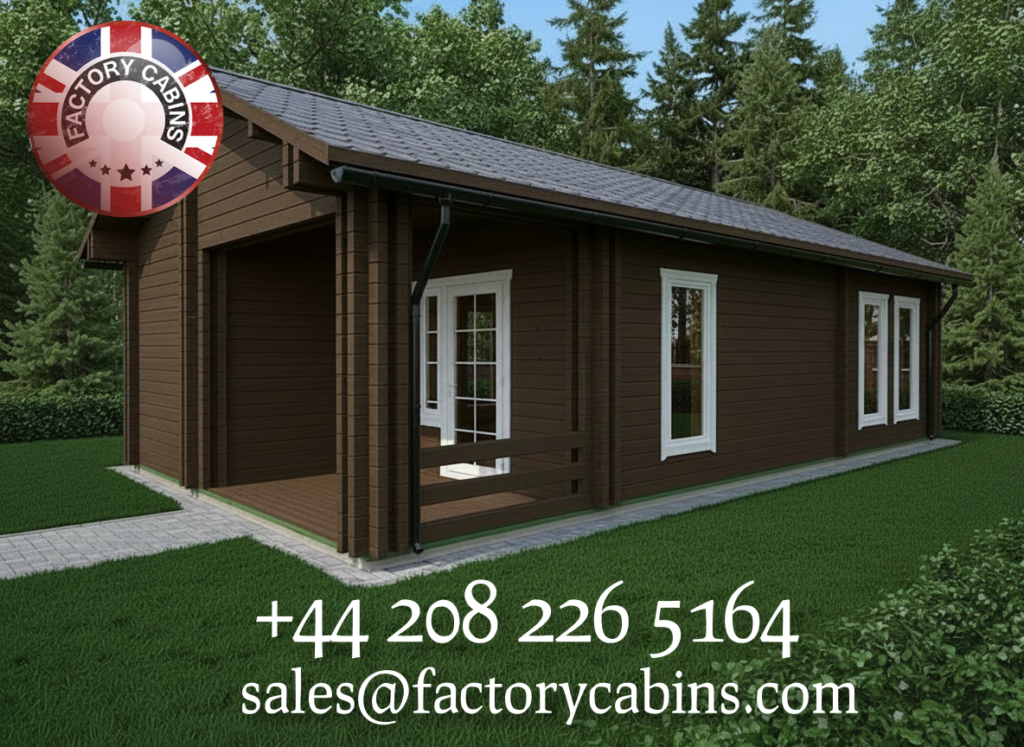
Twin Skin Log Cabins for Tough Access & The Roofing Face-Off: Felt Shingles or Steel Standing Seam Most people imagine their new garden building as a finished dream:
maybe a cozy Clock House log cabin tucked among the flowers, a quiet garden office, or a fancy granny annexe. What almost nobody thinks about?
Actually getting it into the garden. For so many homes in Kent and Sussex, just getting from the factory to your backyard can turn into a real headache. Old-school builds need big machines, wide paths, and often a crane.
But what do you do when your side passage is only 0.8 meters wide? Or there are power lines overhead? Or your garden’s hidden behind a row of terraced houses with no rear access at all? That’s exactly where twin skin log cabins save the day.
They don’t just keep you warm all year and look great—they’re built in a way that lets us squeeze them into places where other buildings just can’t go.
Once you’ve figured out how to get your cabin in, the next big question is the roof. We offer both classic felt shingles and sleek steel standing seam roof sheets.
Both work, but picking the right one matters for your wallet, your cabin’s style, and how long it’ll last. Let’s dig into why twin skin cabins are unbeatable for tricky access and help you decide which roof actually fits your needs.
Part 1:
The Access Headache—Why Regular Builds Don’t Work If you live in an older house in Canterbury, a terraced spot in Brighton, or a cottage with a driveway barely wider than a bike in Tunbridge Wells, you already know the pain.
You want more space, but your house seems to fight you at every turn. Why Modular and Brick Just Don’t Cut It Brick extensions need mortar, scaffolding, and huge deliveries of blocks and sand. Even “modular” garden rooms, which come in big sections, usually need a crane. And cranes?
They need space to set up, open sky above, and gates wide enough to drive a small truck through. If you’ve got: – Side passages under a meter wide – Trees, cables, or neighbors’ roofs hanging overhead – Slopes too steep for trucks – Protected land where no heavy machines are allowed …regular construction just isn’t going to happen. Most big companies will come out, take a look, and politely walk away.
They don’t have the people or the know-how for this kind of job. How Twin Skin Cabins Solve the Problem This is where we step in. Our twin skin log cabins, made from Swedish spruce, break down into smaller, easy-to-carry parts.
No crane. No concrete mixer. Just skilled hands and some muscle. We carry every piece—logs, insulation, wall panels, windows, roof tiles—through the tightest gaps. Sometimes, we’ve brought luxury cabins through front doors, down steep banks, or along alleys so narrow we had to turn sideways.
For folks in Kent and Sussex with tricky gardens, this isn’t just helpful—it’s the only real option. Part 2: Why Twin Skin Beats the Rest for Awkward Sites
You might be thinking, “With all these access issues, shouldn’t I just go for a cheap, single-skin shed?” Not a chance. Tough access actually calls for better quality, and here’s why twin skin is the top pick for cramped spaces.
1. Built to Last,
Even When Built by Hand Single-skin cabins need big, heavy logs to stay stable. Twin skin cabins use a frame-and-panel system (or a fancy interlocking one) that stays strong, even when we build it piece by piece. That way, we can put everything together in tight quarters without needing a huge open space to lay out big wall sections.
2. Year-Round Usability,
No Matter Where Your Garden Sits Let’s be honest—some gardens just aren’t easy to reach, and those spots usually get hit hardest by the weather. If your garden’s tucked away at the bottom of a steep hill, you’re probably dealing with constant damp. If you’ve got a courtyard boxed in by high walls, it’s likely cold and shady for most of the year. Now, if you put up a simple single-skin cabin in these conditions, you’ll regret it come winter.
The cold timber will quickly collect condensation and that garden room will basically be off-limits for months. But when you go for a twin-skin insulated cabin, you get a proper thermal barrier. It blocks out the damp, holds onto the heat, and suddenly you’ve got a garden room you can actually use all year—even if the microclimate in that part of your garden is less than ideal.
3. Boosting Property Value,
Even in Tight Spaces In places like South East England, where every square meter of garden is precious, you want any new building to actually add value. If your garden room is only comfortable during the summer, it won’t do much for your property price. But a BS3632-compliant twin-skin annexe? That’s a different story. You can use it as a home office or guest space, any time of year. Even if access is tricky, the end result is a high-spec space that genuinely adds equity.
4. Less Mess,
Less Disruption Old-school building methods in narrow plots are a headache—think muddy trenches and the noise from digging foundations. Log cabins are a lot easier on both you and your neighbors. They need lighter foundations—usually just screw piles or concrete pads you can carry in by hand. That means way less mud, less noise, and much less disruption, which is key if you live in a row of terraced houses in places like Hastings or Maidstone.
Part 3: The Roofing Showdown –
Felt Shingles vs. Steel Standing Seam Once you’ve put up the walls, the roof is the big deal for keeping out the weather. We offer two main options: Felt Shingles and Steel Standing Seam Roof Sheets.
Both get the job done, but they look and cost pretty differently. Here’s what you need to know.
Option A: Felt Shingles (The Classic Look) Felt shingles are those small, overlapping tiles made from bitumen-soaked fiberglass or organic mat. They’re the go-to for traditional Clock House log cabins and old-school garden buildings.
The Look: Felt shingles have a rustic, textured style that fits right in with classic British gardens. You can get them in black, green, red, or brown, and they look a lot like slate or clay tiles, just much lighter. If you’re after a granny annexe or a garden office with a traditional vibe, this is usually what people pick.
The Cost: Felt shingles are easier on the wallet. Materials cost less, and they’re simple to install. If you need to keep the budget tight, this helps keep the whole project affordable.
The Lifespan & Maintenance: Here’s the catch—felt shingles last around 10 to 15 years before you’ll need to repair or replace them. They can get mossy in damp, shady gardens, and if they’re not nailed down well, strong winds can lift them right off. Best For: Traditional looks Tight budgets Places where getting onto the roof for repairs won’t be a pain
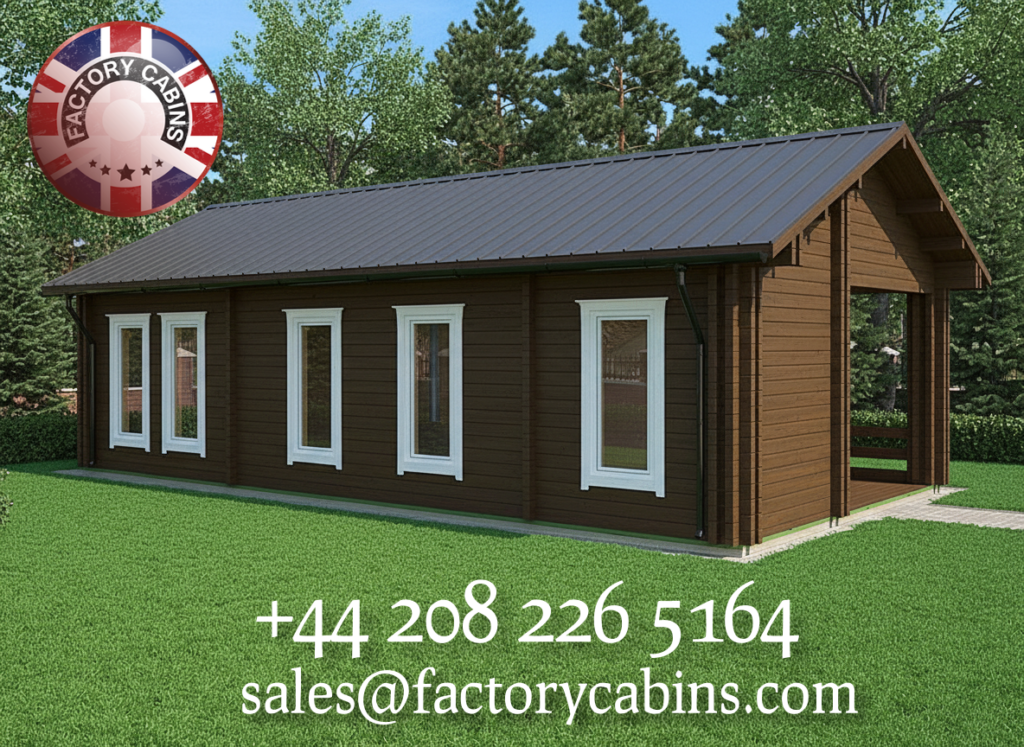
Option B: Steel Standing Seam (The Modern Choice) Steel standing seam roofs are made from long metal panels with raised seams that lock together. You’ll see them on modern buildings and high-end garden cabins. The Look: If you want sleek and contemporary, this is it.
The clean lines and smooth finish make any garden room look sharp. Plus, you can pick from loads of RAL colours, so it’s easy to match your windows or really make a statement.
The Cost: Steel standing seam costs more up front. The materials are pricier, and you need a specialist to install it so everything stays watertight. But it’s a solid investment in the long run.
The Lifespan & Maintenance: This is where steel really shines. Get it done right, and you’ll have a roof that lasts 40 to 50 years. It barely needs any upkeep—no moss, no leaks, and it shrugs off coastal winds. If your cabin is hard to get to or you never want to climb up there for repairs, this is a huge win.
Best For: Modern styles Long-term owners who want to do it once and be done Hard-to-reach roofs Windy locations (think Sussex by the sea)
Feature
Felt Shingles
Steel Standing Seam
Initial Cost
££ (Lower)
£££ (Higher)
Lifespan
10–15 Years
40–50+ Years
Maintenance
Moderate (Moss/Repairs
Low (Occasional Clean)
Aesthetic
Traditional / Rustic
Modern / Sleek
Wind Resistance
Good
Excellent
Installation
Standard
Specialist
Best Use
Traditional Cabins
Premium/Modern Builds
Part 4: Making the Right Choice for Your Project So, what’s the best move for your cabin? When you’re dealing with tricky access and have to pick a roof, here’s what we recommend.
1. Think About Future Maintenance Picture this: your cabin sits tucked away, maybe down a narrow path or squeezed in a corner of the garden. Ask yourself, “Will I be able to get a ladder here in ten years if I need to fix the roof?” If the answer is no, or if getting up there sounds like a nightmare, go with Steel Standing Seam. Sure, it costs more up front, but it gives you peace of mind. The last thing you want is a leak you can’t reach. Steel lasts for decades without fuss. But if you know you’ll have access and don’t mind occasional upkeep, Felt Shingles are a great pick. They’re easy on your wallet and really suit the traditional Clock House look.
2. Match Your Home’s Style Take a good look at your main house. If you live in a Victorian home with slate tiles, felt shingles in grey or black will blend right in. But if your house is more modern, maybe with metal or zinc details, steel standing seam just looks right—it feels like it belongs.
3. Budget vs. Long-Term Value You know the saying, “buy cheap, buy twice.” Felt costs less now, but steel outlasts it by decades. If you’re planning to keep your building for 20 years or more, steel actually works out cheaper over time. But if you just need a quick solution or want to keep your initial spend low, felt gets the job done.
4. Don’t Forget the Kent & Sussex Weather Coastal spots like Folkestone or Eastbourne get hit with salty air, which eats away at cheap metals. So, if you’re near the sea, make sure your steel roof is high-grade and built for marine weather. Inland, in places like Sevenoaks, you’ll see more moss on felt roofs because of the humidity.
Steel doesn’t give moss a chance—it sheds water too fast. Conclusion: Build Smart Where Space Is Tight Going for a twin skin log cabin is already a smart way to get around access headaches.
You get a warm, high-quality living space in places most builders wouldn’t even try. Even in the trickiest corners of Kent and Sussex, you don’t have to settle for second best. But don’t stop at the walls.
The roof you pick—felt shingles or steel standing seam—really decides how long your cabin lasts and how much work it’ll need down the road. Pick felt for classic looks and a lower price tag.
Choose steel for modern style, serious durability, and barely any maintenance, especially if getting to your roof will be a challenge. At Factory Cabins, we do more than just sell buildings.
We solve problems. Whether you need a bespoke Clock House log cabin squeezed through a tight alley or a garden office with a sleek steel roof, we know how to make it happen. Ready to get started? Reach out for a free site survey.
We’ll check your site, talk through your roofing options, and give you a clear, direct quote straight from the manufacturer. Let’s build something beautiful, accessible, and made to last.
All bespoke designs are welcome.PLEASE call 0208 226 516