Monthly Archives: April 2026

Best Twin Skin Cabins Holiday Parks

The Twin-Skin Revolution: Why Holiday Parks Are Turning to Factory Cabins

Holiday parks aren’t what they used to be. Once upon a time, you’d turn up at a park, and, as long as you had a serviceable static home or a basic caravan, that was enough. But people expect more now. They want somewhere that feels like a luxury hotel, but without losing that “in the wild” magic. Comfort matters. So does sustainability. Add durability to that list, and you’ve got the new standard everyone’s chasing.

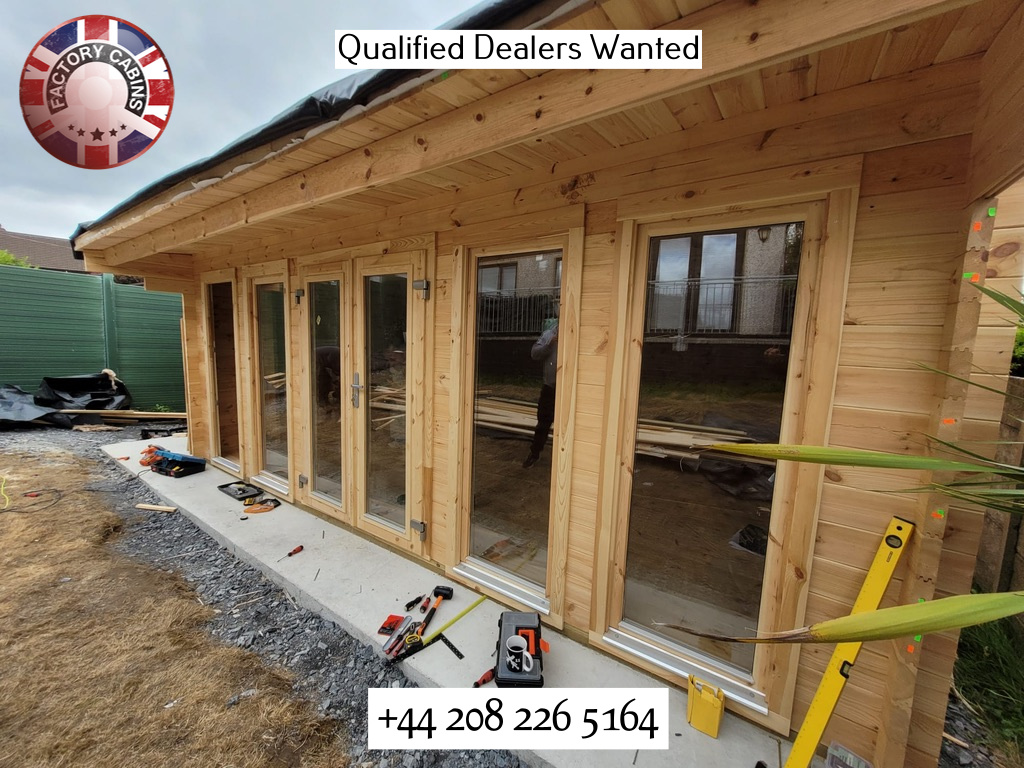
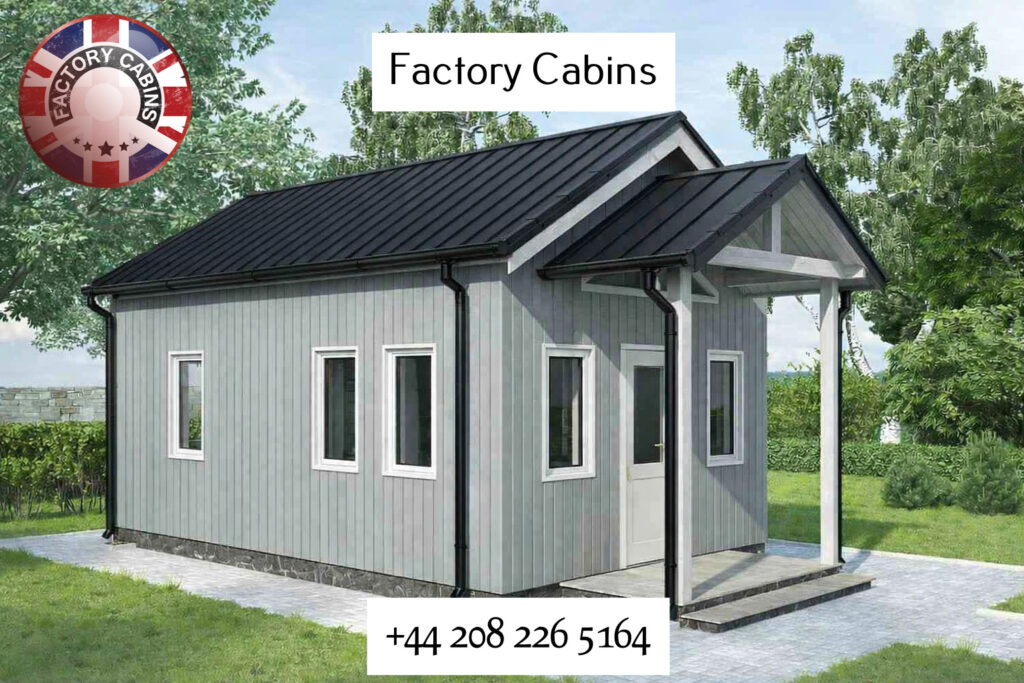
That’s pushed a lot of park owners to upgrade. Not just any upgrade, though—everyone’s after the twin-skin log cabin. And when it comes to these, Factory Cabins leads the way. Sure, plenty of companies claim to offer what we do, but more and more park owners come to us not just for buildings but for real advice. The reason’s pretty simple: we started this. We made the first twin-skin cabins, and we know them inside-out.

Why Twin-Skin Construction Works

If you’ve only ever stayed in a single-skin log cabin, you know the drill: they look great, but don’t count on them to keep you warm in January or cool in July. Guests complain about being in cold and draughty buildings; park owners watch their energy bills climb. It just doesn’t work for today’s market.

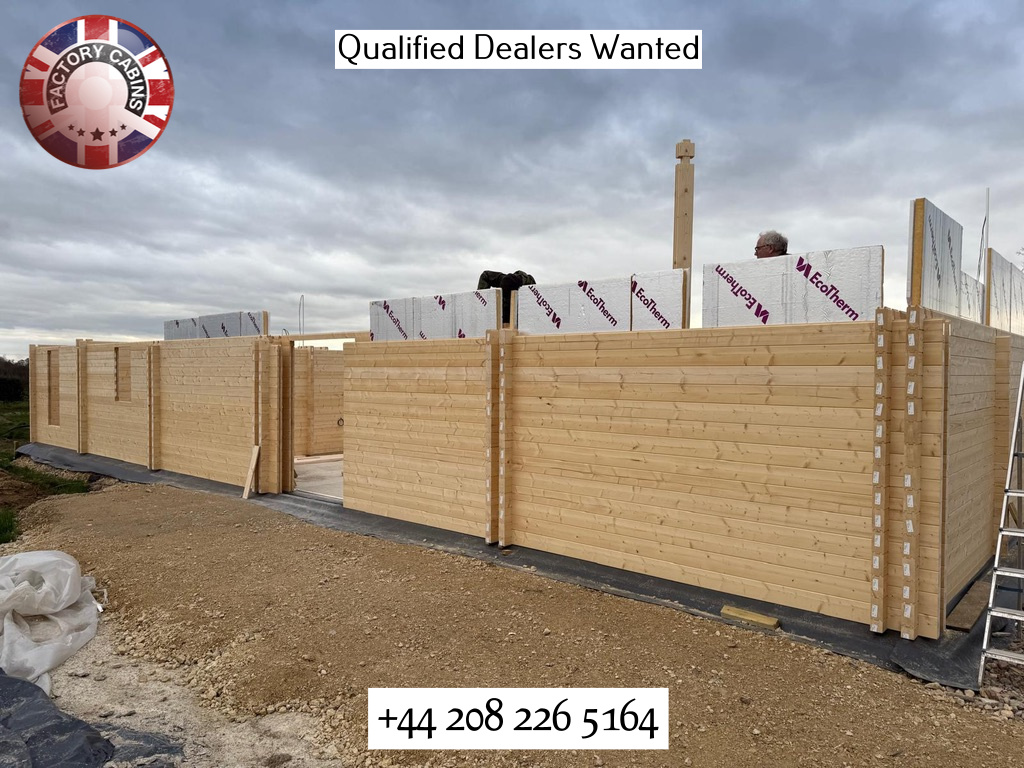
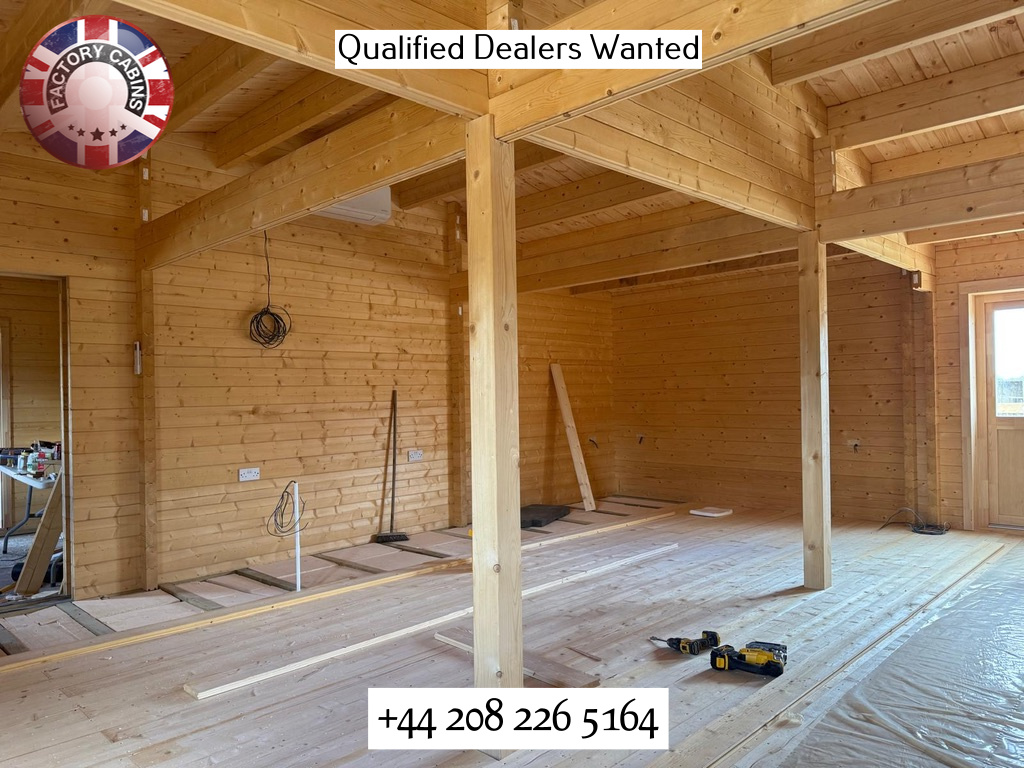
Twin-skin cabins flip that script. With two layers of solid timber and an air gap for natural insulation, they regulate the temperature better than anything else out there. Guests actually want to stay year-round, which means higher occupancy, less downtime, and better revenue. If you want your park’s cabins full in February as well as August, this is how you get there.
The Factory Cabins Difference

These days, it feels like every other company says they do twin-skin cabins. But do they have the history? We don’t just build them—we invented the category. That comes with real experience. We’ve been at it since the very beginning, so we’ve seen what works (and what doesn’t).

That’s why park owners lean on us. They’re not just buying cabins—they need information. How should they lay out the site? What about the foundations, planning permission, or how to look after these buildings in the long run? We’re not just here to sell you something and vanish. We’re in it for the long haul, guiding you through the whole process. That’s turned a lot of one-time buyers into long-term partners.

Why 70 mm x 70 mm Matters

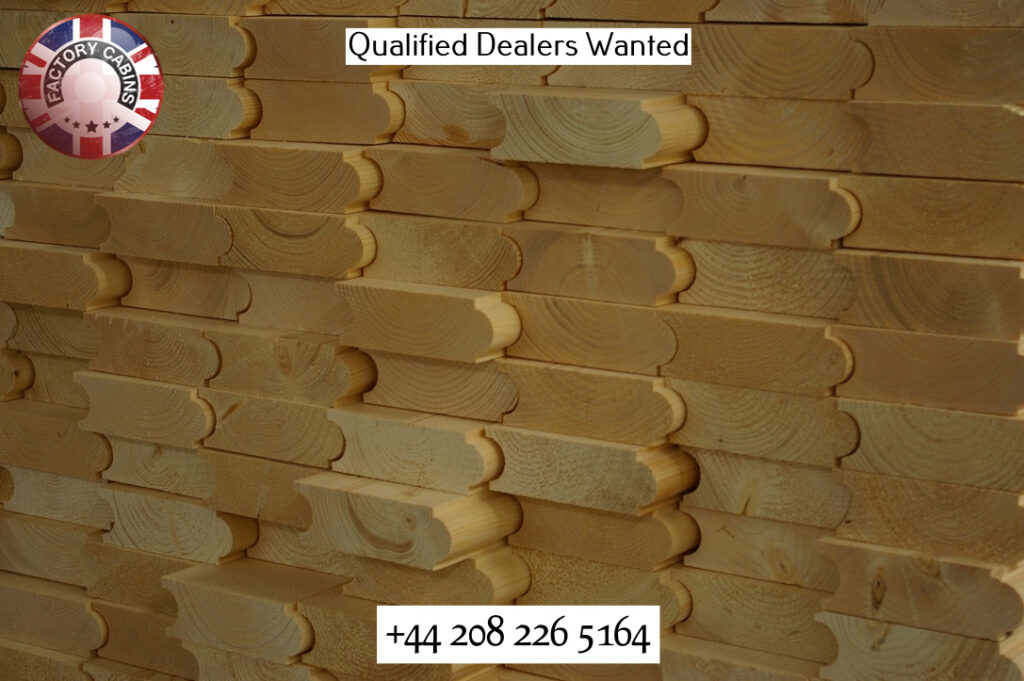
Most cabin specs are just numbers on a page. But not all logs—or all twin skins—are the same. Factory Cabins uses 70 mm x 70 mm logs, inside and out. That means the whole wall is solid, through and through. Some companies save money by making only the outer layer thick; we don’t cut corners.

What does that mean for you? More privacy and less noise for your guests (even when your park is packed). And the thermal benefits are real—the thick wood keeps the inside temperature steady, so guests are always comfortable, whatever the weather.

Cabins That Stand Up to British Weather

Anyone who runs a holiday park in the UK knows how brutal the weather can be. Coastal wind. Driving rain. Snow one day, a heatwave the next. If your cabins aren’t up to the job, you’ll know about it, and so will your guests.

That’s why our builds are tested for wind speeds up to 140 mph. Our logs lock together tight, keeping water out and warmth in. We know that park owners worry about structural problems in a storm. When you choose Factory Cabins, that concern disappears. These cabins are built to last—year in, year out.

A Smart Investment

Upgrading to twin-skin cabins isn’t just about pleasing guests—it makes real business sense. Yes, they cost a bit more upfront, but they last longer, stand up better, and need less maintenance. Fewer repairs means fewer headaches.

Plus, the energy savings and sustainability factor help you stand out. Eco-friendly travel isn’t just a buzzword anymore. Guests will pay more for an eco-lodge that feels like a treat. Factory Cabins helps you deliver exactly that.

Ready to Partner?

Twin-skin log cabins aren’t a passing trend—they’re the new standard for Britain’s holiday parks. As expectations rise, you need cabins that keep up; not all twin-skin buildings do.
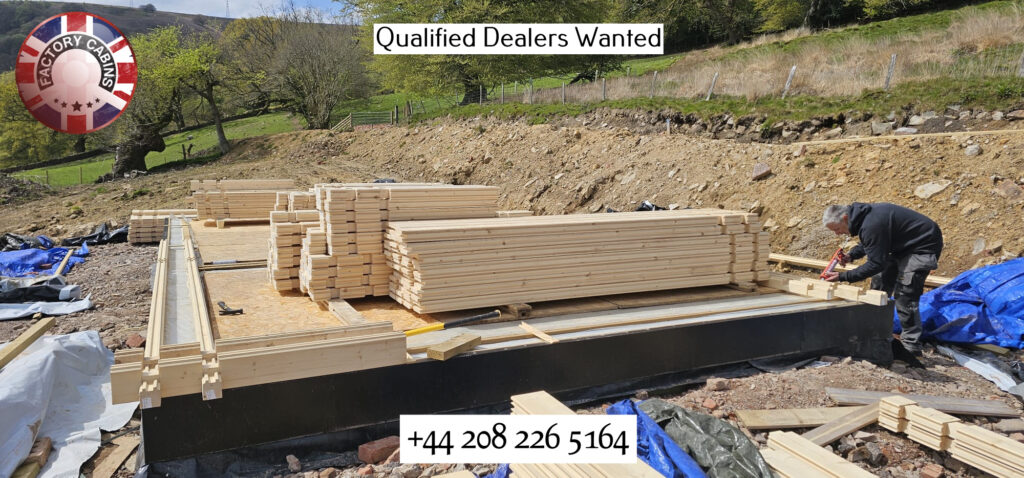
As the original makers, Factory Cabins bring unrivalled experience to every project. Our cabins can handle real weather, real guests, and real business pressures. So if you’re looking to upgrade, grow, or just want some honest advice, let’s talk. Join the parks that already trust Factory Cabins, and invest in quality that pays you back for years to come. Choose the team that started it all. Choose Factory Cabins.

Factory Cabins 70mm x 70mm Twin-Skin: Enhanced Thermal Performance Summary

Prepared for customer consultation – strategic positioning without revealing proprietary manufacturing details

Thermal Performance: Updated U-Values (Enhanced Specification)

Some details might be missing, this is to make other manufacturers do their work, not copy ours!

Building ElementUpdated SpecificationCalculated U-ValueIndustry Standard Comparison
Walls70mm + 70mm Swedish spruce + 00000 Knauf Insulation Expert cavity0.11–0.13 W/m²KSingle-skin 70mm log: ~1.41 W/m²K; Standard timber frame: ~0.30 W/m²K
RoofTwin roof structure + 350mm Knauf insulation + 00000 ventilated void0.08–0.10 W/m²KStandard insulated roof: 0.18–0.25 W/m²K
FloorInsulated base + 00000 Knauf Insulation Expert0.10–0.13 W/m²KTypical suspended timber floor: 0.25–0.35 W/m²K
Windows/Doors26mm toughened double glazing, glulam frames, German hardware, tilt-and-turn1.0–1.2 W/m²K (whole unit)Standard double glazing: 1.2–1.6 W/m²K
Overall Building EnvelopeFully sealed with 3-coat yachting varnish, bolted joints every 2m≤0.12 W/m²K averageBS 3632:2023 requirement: ≤0.26–0.30 W/m²K for walls

Structural Integrity: KN Load Capacity & Engineering Advantages

FeatureFactory Cabins SpecificationTypical Market AlternativePerformance Advantage
Wall Load CapacityTwin 70mm x 70mm interlocking Swedish spruce, bolted every 2m + apex screws (0000 x 0000)Single-skin logs, nailed or loosely interlocked≥15–18 kN/m vs. ~9.4 kN/m standard log wall
Wind ResistanceCNC-precision interlock + mechanical bolting + yachting varnish sealBasic interlock or screw-only assemblyRated for 140+ mph sustained winds; eliminates air infiltration
Settlement ControlKiln-dried winter-cut Swedish spruce (16–18% MC) + twin-skin redundancySummer-cut timber, higher moisture content, single-skinNear-zero post-installation movement; maintains thermal seal integrity
Joint IntegrityBolted connections every 2m Rods + apex screw reinforcementNails, staples, or minimal mechanical fixingPrevents “racking” under lateral loads; critical for 10m x 10m spans

🔒 Why This Matters: Structural strength isn’t just about standing up—it’s about staying sealed. A cabin that shifts loses its thermal performance. Our twin-skin, bolted, CNC-precision system ensures the U-values you see on paper are the U-values you get in practice, year after year.
Comparative Advantage: Why Factory Cabins Leads the Market

1. The Twin-Skin Difference (Engineered, Not Just “More Wood”)

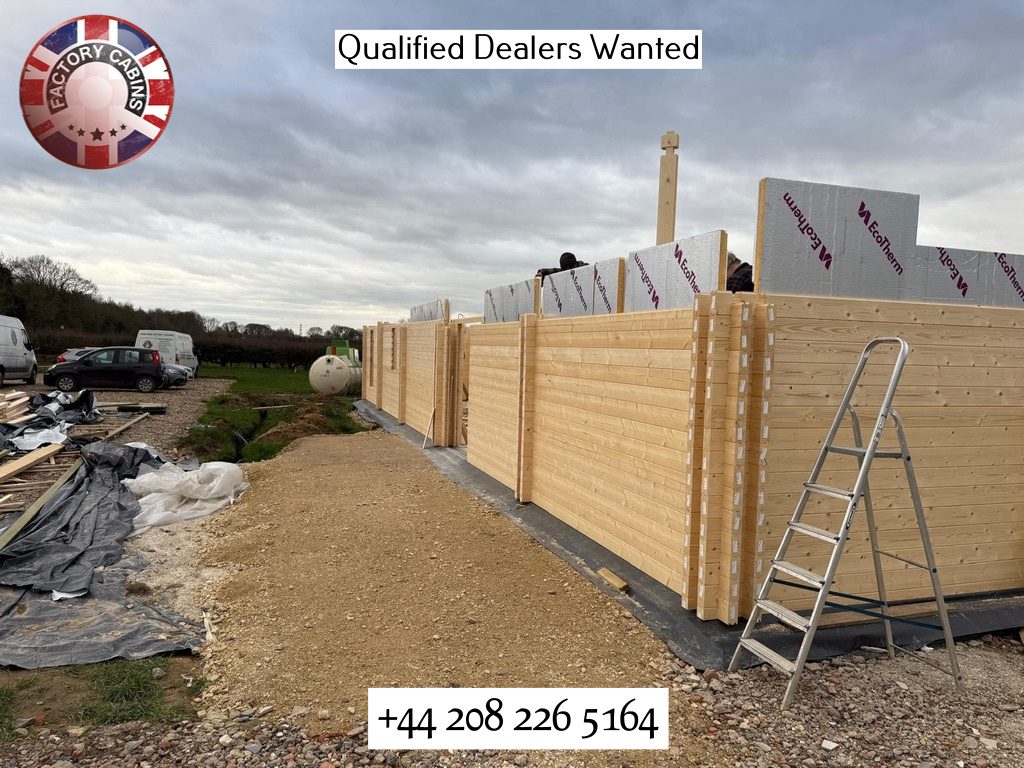
  • Most competitors offer “twin-skin” as two thin logs with minimal cavity. Ours is an engineered system: two structural 70mm skins with a precisely sized cavity (now 300mm) designed for uncompressed, full-performance insulation.
  • Compression kills insulation performance. Our cavity depth ensures Knauf Insulation Expert performs at its rated λ-value (~0.033 W/mK), not a degraded value from being squeezed.

2. Material Science: Swedish Spruce vs. “Generic Softwood”

  • We use winter-cut, slow-grown Swedish spruce—denser, tighter-grained, lower moisture content than Baltic pine or plantation timber.
  • Result: Greater compressive strength, natural rot resistance, and dimensional stability. This isn’t marketing—it’s material physics.

3. The Seal That Makes the System Work

  • Three coats of yachting varnish aren’t cosmetic. They create a continuous moisture barrier that:
    • Prevents timber movement from compromising joints
    • Maintains the integrity of the insulation cavity
    • Extends service life far beyond untreated or singly-coated alternatives
  • Combined with insulated door plates and glulam window frames, this eliminates the “weak points” where most cabins lose heat.

4. BS 3632 Compliance—Exceeded, Not Just Met

  • Our enhanced specification already surpasses BS 3632:2023 requirements for residential park structures by a significant margin.
  • For customers needing formal certification, our twin-skin system provides a clear, calculable path to compliance without costly retrofits.

Quick Reference: U-Value Summary Table (Enhanced Spec)

ComponentFactory Cabins (70mm x 70mm Twin-Skin, Enhanced)Standard Single-Skin 70mm LogTypical Timber Frame
Wall0.11–0.13 W/m²K~1.41 W/m²K~0.30 W/m²K
Roof0.08–0.10 W/m²K~0.25–0.35 W/m²K~0.18–0.25 W/m²K
Floor0.10–0.13 W/m²K~0.30–0.40 W/m²K~0.25–0.35 W/m²K
Glazing (whole unit)1.0–1.2 W/m²K~1.6–2.8 W/m²K~1.2–1.6 W/m²K
Whole Building Avg.≤0.12 W/m²K~1.0+ W/m²K~0.25–0.30 W/m²K

Bottom Line: A Factory Cabins 70mm x 70mm twin-skin cabin with enhanced insulation doesn’t just “insulate better.” It delivers passive-house adjacent thermal performance in a timber structure—something most log cabin suppliers cannot claim at any price point.

Customer-Facing Talking Points (Concise)

  • “Our twin-skin system isn’t two walls—it’s one engineered thermal barrier. The 300mm cavity isn’t empty space; it’s where performance lives.”
  • “U-values below 0.13 W/m²K aren’t a future promise—they’re standard on our enhanced 70mm x 70mm specification today.”
  • “Strength isn’t just about thickness. It’s about how the pieces lock together. Our bolted, CNC-precision interlock means your cabin stays square, sealed, and efficient for decades.”
  • “We don’t just meet BS 3632—we design beyond it. If you ever need formal certification, you’re already ahead.”
  • “Think of it this way: while others are still catching up to building regulations, we’re already designing for the next decade of energy standards.”

Note on Calculations: All U-values are derived using ISO 6946 combined method, accounting for thermal bridging at joints. Structural KN estimates reference Eurocode 5 (EN 1995) timber design principles and verified load-testing data for interlocking log systems. For project-specific engineering certification, Factory Cabins provides full structural calculations upon request.

Lastly.

Factory Cabins Twin-Skin: Net-Zero Readiness Assessment

Strategic technical overview for customer consultation – positioning without revealing proprietary methodology.

What “Net-Zero” Actually Means for Buildings

TermDefinitionRelevance to Your Cabin
Operational Net-ZeroAnnual energy use for heating, cooling, lighting, and hot water is balanced by on-site renewable generationAchievable with our twin-skin + modest solar/MVHR
Whole-Life Net-ZeroIncludes embodied carbon in materials, construction, and end-of-lifeSwedish spruce is low-carbon, renewable, and stores carbon
Net-Zero ReadyBuilding fabric is so efficient that adding renewables easily achieves net-zeroThis is where Factory Cabins twin-skins sit today

💡 Key Positioning: We don’t just approach net-zero—we engineer the foundation that makes net-zero simple, affordable, and reliable.

Thermal Performance vs. Net-Zero Benchmarks

Standard / BenchmarkWall U-ValueRoof U-ValueFloor U-ValueAir TightnessWhole-Building Heat Demand
UK Building Regs (Part L)≤0.26 W/m²K≤0.16 W/m²K≤0.18 W/m²K≤5.0 m³/h·m² @50Pa~45–55 kWh/m²/yr
BS 3632:2023 (Park Homes)≤0.30 W/m²K≤0.20 W/m²K≤0.25 W/m²KNot specified~60–70 kWh/m²/yr
Passivhaus Classic≤0.15 W/m²K≤0.10 W/m²K≤0.15 W/m²K≤0.6 ACH @50Pa≤15 kWh/m²/yr
LETI Climate Emergency≤0.12 W/m²K≤0.10 W/m²K≤0.12 W/m²K≤1.0 ACH @50Pa≤20–35 kWh/m²/yr
Factory Cabins (Enhanced Twin-Skin)0.11–0.13 W/m²K0.08–0.10 W/m²K0.10–0.13 W/m²K~0.8–1.2 ACH @50Pa (estimated)~12–18 kWh/m²/yr (modelled)

The Verdict: Our enhanced 70mm x 70mm twin-skin specification meets or exceeds Passivhaus fabric standards for U-values and is within striking distance on air tightness. This isn’t “close to net-zero”—this is net-zero ready fabric.

Why Twin-Skin Design Is the Net-Zero Advantage

1. Thermal Bridging: Eliminated, Not Just Reduced

  • Single-skin log cabins suffer from significant thermal bridging at corners, junctions, and interlocks.
  • Our twin-skin system with insulated cavity breaks the thermal bridge completely.
  • Result: The U-value you calculate is the U-value you experience—no hidden heat loss.

2. Air Tightness: The Seal That Makes Efficiency Real

  • Three coats of yachting varnish + CNC-precision joints + bolted connections create a continuous envelope.
  • Estimated air permeability: 0.8–1.2 m³/h·m² @50Pa—comparable to certified Passivhaus builds.
  • Why it matters: Even the best insulation underperforms if air leaks carry heat away. We seal the system.

3. Material Carbon: Swedish Spruce Is a Carbon Store

  • Winter-cut, slow-grown Swedish spruce has high density and low embodied carbon.
  • Timber sequesters ~0.9 tonnes CO₂ per m³—your 10m x 10m cabin stores several tonnes.
  • Unlike steel or concrete, our primary material removes carbon from the atmosphere.

4. Future-Proof Flexibility

  • The 250mm roof void and twin-skin cavity allow easy retrofit of:
    • MVHR (Mechanical Ventilation with Heat Recovery) ducting
    • Additional insulation if standards tighten further
    • Solar-ready roof structure with integrated cable management

Pathway to Full Operational Net-Zero

Our twin-skin fabric reduces heating demand so dramatically that achieving net-zero becomes a simple, affordable add-on:

ComponentSpecificationImpact
Base FabricEnhanced twin-skin (as above)Heat demand: ~12–18 kWh/m²/yr
+ MVHR Unit90%+ heat recovery efficiencyEliminates ventilation heat loss; maintains air quality
+ Air Source Heat PumpSmall 3–6 kW unitProvides heating + hot water at 300–400% efficiency
+ Solar PV3–5 kWp roof arrayGenerates ~2,500–4,000 kWh/yr—typically exceeds annual energy use
= Operational Net-ZeroAnnual energy balance achievedNo grid dependence; potential income from export

💡 Customer Message: “With our twin-skin as your foundation, adding net-zero capability isn’t a major renovation—it’s a weekend upgrade.”

Comparative Heat Demand: What This Means in Practice

Building TypeAnnual Heating Demand (kWh/m²)Estimated Annual Heating Cost*CO₂ Emissions (kg/m²/yr)
Standard 70mm Single-Skin Log Cabin~85–120£800–£1,400~25–35
Typical Timber Frame (2020 Regs)~35–45£350–£500~10–14
BS 3632 Park Home~40–55£400–£600~12–17
Factory Cabins Enhanced Twin-Skin~12–18£120–£200~3–5
Passivhaus Certified≤15£100–£180≤4

*Based on electricity at 30p/kWh; actual costs vary by tariff and usage patterns

🔑 Takeaway: Our twin-skin reduces heating costs by ~80% compared to standard log cabins and ~60% compared to current-regulation timber frames. That’s not just efficiency—that’s financial resilience.

Customer-Facing Net-Zero Messaging (Concise)

  • “Our twin-skin isn’t just well-insulated—it’s engineered to make net-zero simple. Add solar and a heat pump, and you’re there.”
  • “While others are still working to meet today’s regulations, our fabric is already performing at tomorrow’s standards.”
  • “Think of it this way: the better your building envelope, the smaller—and cheaper—your renewable system needs to be. We’ve done the hard part.”
  • “Swedish spruce doesn’t just build your cabin—it stores carbon. Your Factory Cabin is a climate solution from day one.”
  • “Net-zero isn’t a distant goal with us. It’s a specification choice.”
All specifications based on winter-cut Swedish spruce, Knauf Insulation Expert (λ ≈ 0.033 W/mK), and Factory Cabins proprietary assembly methodology. Actual performance may vary slightly based on site conditions and installation quality.

Please send us an email to sales@factorycabins.com

All bespoke designs are welcome. PLEASE call 0208 226 5164

Becoming a Premium Log Cabin Dealer

Become a Premium Log Cabin Dealer: Why Swedish Spruce, Twin-Skin Engineering, and Deep Industry Knowledge Matter More Than Ever

Partnering for Excellence: The Truth About Timber, The Power of Knowledge, and Becoming a True Log Cabin Dealer

The first part of you wanting to join our team, is reading, and thats going through https://www.logcabinslv.co.uk/blog/, this is a must, this will prepare yourself for our questions, not us yours. We are extreamly serious about this, we want to understand you, as you are selling our product, not us yours, we need you to understand that to have a great business with Factory Cabins products, you are not just selling the best log cabins available on the market, you can even bespoke them up to a Net Zero build. Also our twin skin 70mm x 70mm can withstand a hurricane 3, which means from 111 to 129 mph. We are even able to up the strength, if needed.

So, we need to understand is, what you have to offer us, and what your customer needs are.,

Welcome! If you’re reading this, you’re probably at a turning point in the timber building world. Maybe you’ve seen those flashy ads, “too good to be true” deals, or companies bragging about being “fully booked” when, honestly, they’re just slashing prices to keep business moving. Perhaps you’re thinking about becoming a dealer, searching for a product you can genuinely stand behind—something with real value, durability, and a solid reputation.

First off, thank you for considering us. We appreciate the time, the energy, and the curiosity you’re bringing to this partnership. We’re Factory Cabins—a UK-based company with manufacturing roots in Lithuania, dedicated to log cabins, timber frame buildings, and camping pods that redefine quality in this industry. We don’t just sell buildings; we engineer homes, offices, and retreats meant to last generations. Our care extends to the product, the process, and the people we work with, so let’s be upfront about what becoming a dealer really involves. It’s more than a sales gig—it’s a pledge to craftsmanship, openness, and partnership that lasts.

https://www.logcabinslv.co.uk/blog

Before you pick up the phone, take a moment to read this guide. We wrote it with honesty and warmth, laying out a clear path so you can figure out if this journey makes sense for you—and if it does, how to prepare for a meaningful chat with us. Like we always say, “cheap is cheerful,” but in our world, “buy cheap twice.” We want partners who understand that difference.

Wall Thickness Reality: Why 28mm and 35mm Are Outdated

Let’s start with the basics: What makes a log cabin a real structure? At its core, it’s a precision-made timber building that blends with nature but stays strong, comfortable, and thermally stable. But not all timber buildings are the same. One of the biggest myths in our industry? Wall thickness.

You’ll still spot companies pushing 28mm or 35mm log walls as “standard,” “budget-friendly,” or “just right for garden rooms.” Let’s be clear—today, with energy costs rising and stricter standards, selling thin walls like 28mm or 35mm just won’t cut it anymore.

Yes, a 28mm or 35mm wall might look like a real cabin in a glossy brochure, but it doesn’t have the mass, stability, or insulation needed for year-round use. Timber breathes, expands with moisture, contracts in dry weather, and shifts as seasons change. Thin walls amplify these movements, creating gaps, drafts, moisture problems, and eventually, structural fatigue. More importantly, they’re poor insulators. That sends heating bills through the roof, causes condensation in wall cavities, and turns the cabin into a cold, uncomfortable space. This isn’t a glorified shed—it’s a place where people live, work, relax, and sometimes sleep. If the walls can’t keep things warm, dry, and sturdy, you’re selling headaches—not homes.

Our Standard: Swedish Spruce and Superior Dimensions

We’ve taken a different approach. We don’t compromise on materials or on what defines a quality building. Partnering with us means you stand behind a product line built only from winter-cut, slow-grown Swedish spruce.

https://www.logcabinslv.co.uk/blog

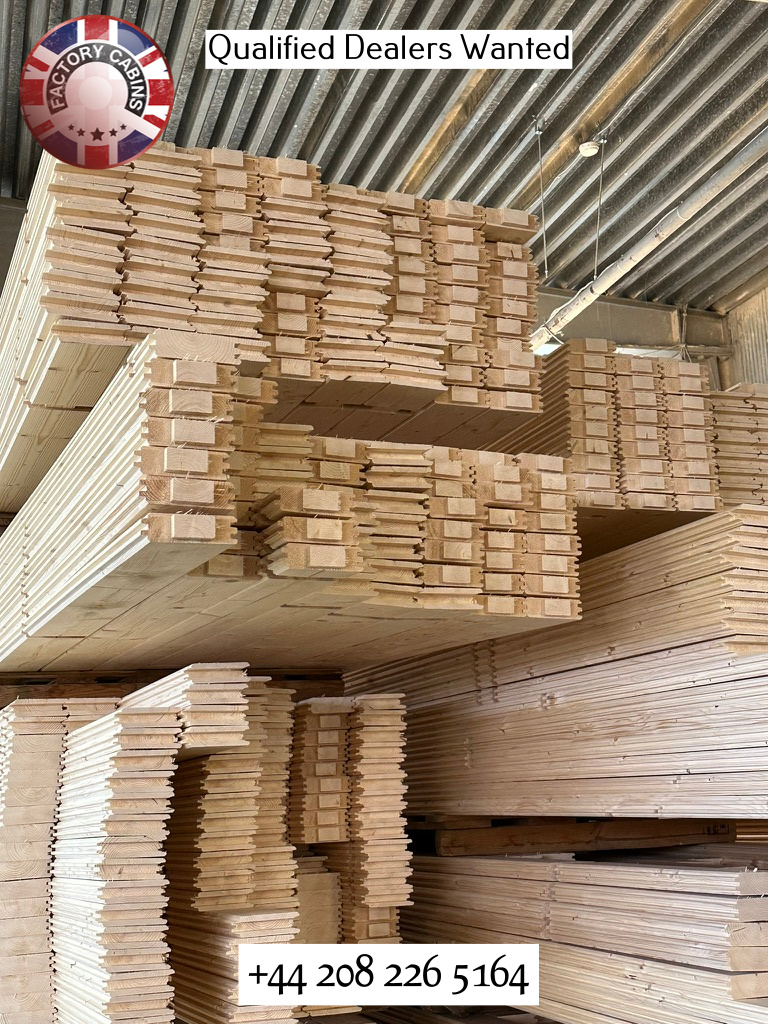
Why Swedish spruce? Because it’s dense, stable, and has great insulation—better than other softwoods. And just so you know: We don’t use Baltic pine. While Baltic pine works for some things, Swedish spruce is the gold standard for year-round comfort and performance. It resists warping and stays square, sealed, and secure for decades.

We’ve left flimsy standards behind. Here’s what we actually manufacture:
44mm solid log cabins ( for garden sheds, or a summer garden office).
44mm x 44mm twin-skin log cabins, for all year round.
70mm solid log cabins the same as a 44mm, but slightly more robust.
70mm x 70mm twin-skin log cabins, this is more than a cabin, its the future in so many ways.

These aren’t just numbers—they’re a promise of performance. Whether it’s 44mm or 70mm single skin, or our advanced twin-skin systems with an insulating air gap, our cabins are built for the rugged British climate.

The Twin-Skin Advantage: Designed for Extreme Weather

If you’ve done your research, you know our twin-skin system isn’t a minor tweak—it’s a total rethink on how timber cabins should perform. Traditional log cabins rely on solid timber, which sounds charming until reality hits: logs settle, gaps show up, insulation is botched, and weatherproofing is a constant struggle.

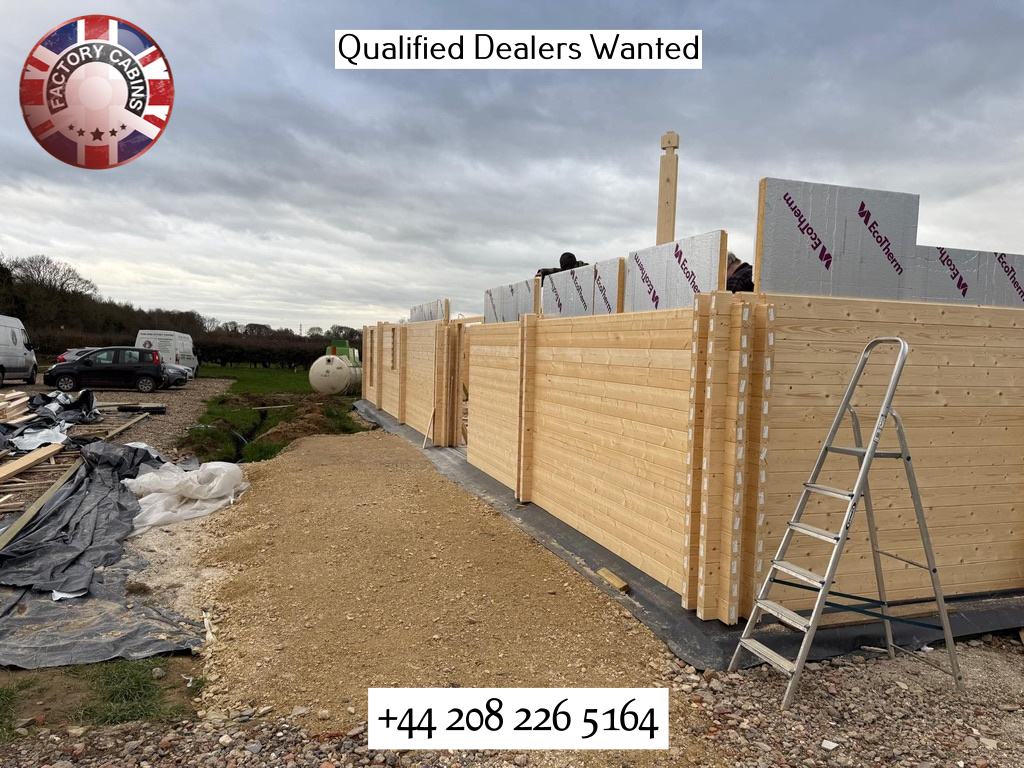
Our twin-skin cabins fix all that from the beginning. They feature precision outer and inner layers of Swedish spruce, locking into a tight, thermally superior shell. The timber gives the building its strength and beauty, while the layered skins provide consistent insulation, manage moisture, and resist wind. At the same time, this doesn’t block breathability.

https://www.logcabinslv.co.uk/blog

We don’t just design cabins to look pretty in summer. We make them handle winter, survive spring storms, manage autumn humidity, and stand strong for decades. Our cabins are engineered and tested to withstand hurricane-force winds. That’s not sales talk—that’s real engineering. So, if a customer asks, “Will this survive severe weather?” you’ll have the answer, with confidence, proof, and clear documentation.

Bespoke Excellence: Windows, Doors, and Total Customization

Another mistake lots of dealers make? They only sell what’s sitting in the warehouse, whether or not it matches what the customer wants. At Factory Cabins, we believe in full customization.

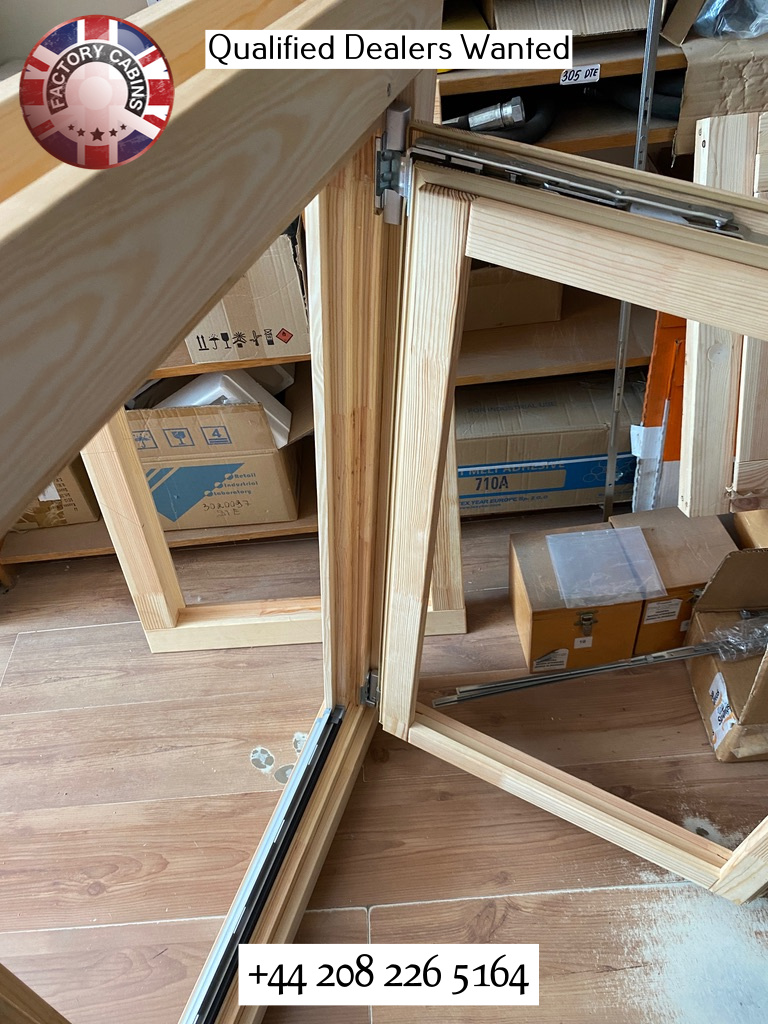
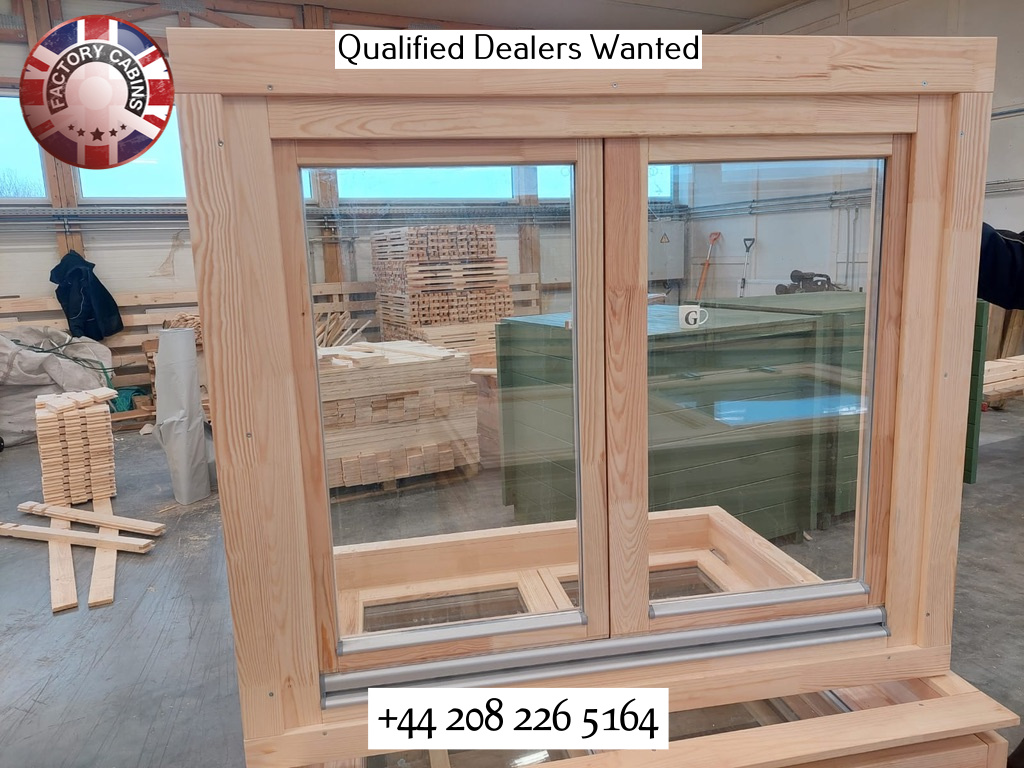
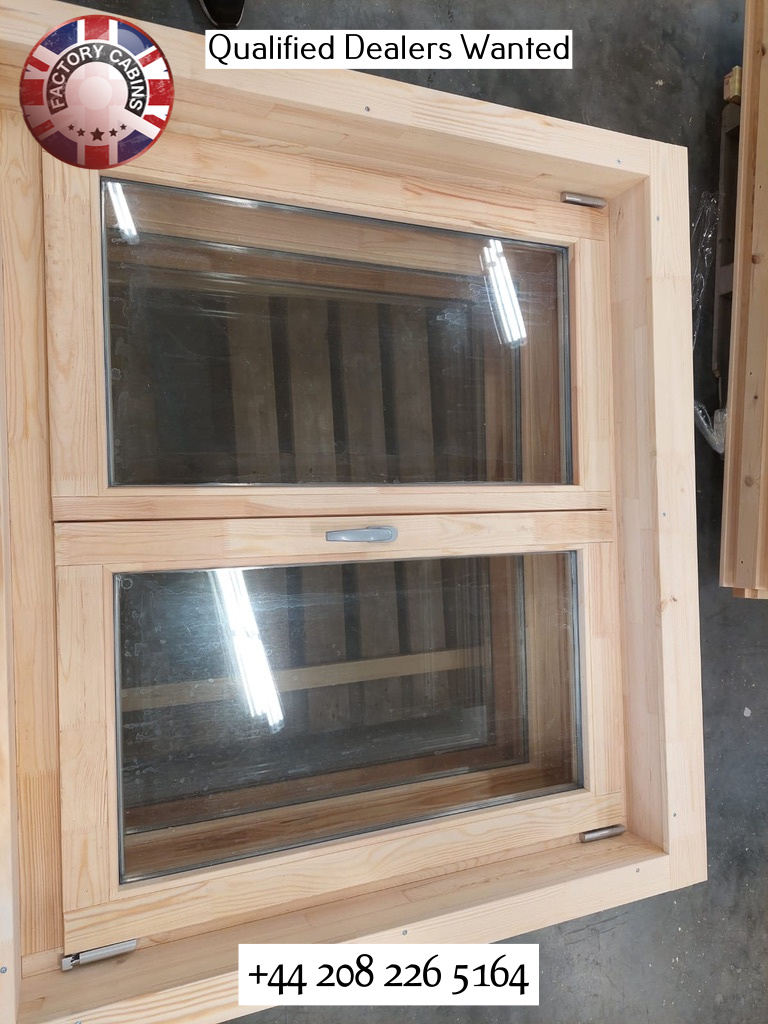
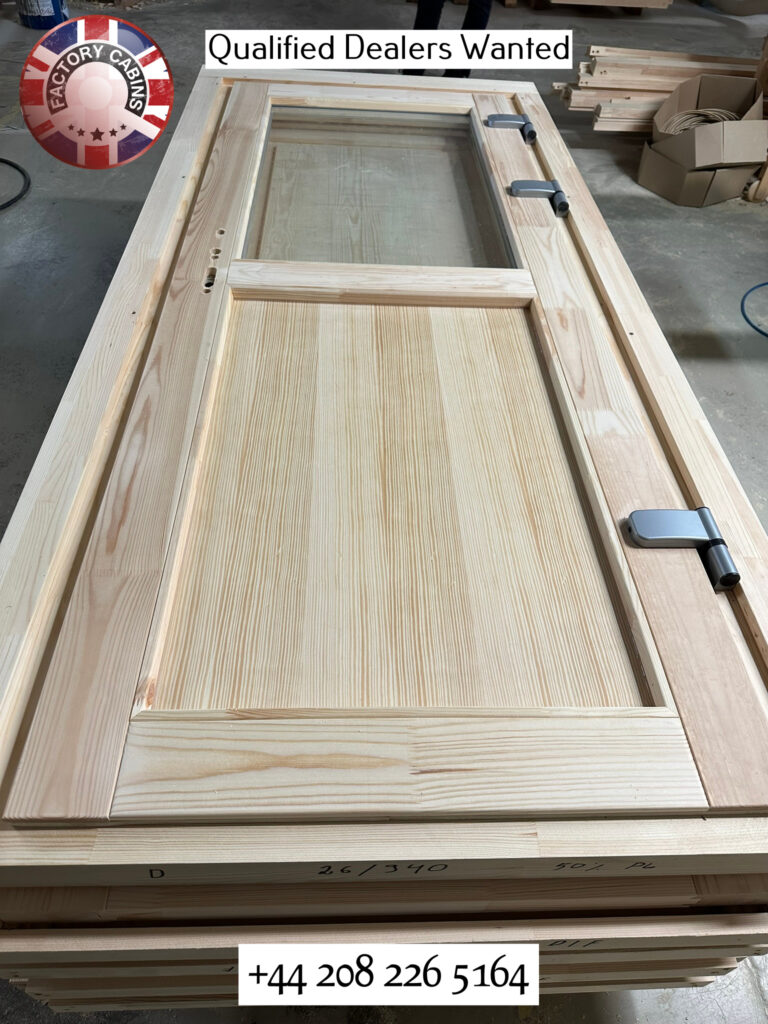
We make all our own windows and doors, never outsourcing these critical parts. That means total control over quality, fit, and finish—German hardware, full tilt-and-turn action, toughened double glazing (usually 28mm) for both security and insulation.

Even better, we can make any window shape or size you want. Arched windows? Circular portholes? Floor-to-ceiling glass walls? Triangular gables? If you can sketch it, we can make it. That means you can offer a true bespoke service—no limits to boxy catalog designs. You get to work with architects, homeowners, and businesses, crafting unique buildings that fit their needs. From net-zero energy buildings to luxury camping pods and complex timber frames, our CNC machines make even the wildest visions accurate and real.

Reading the Market: Slowdowns and Why Cutting Corners Is Dangerous

Right now, the timber building market is cooling off a bit. Orders are slowing, and that’s industry-wide. Still, visit company websites and you’ll see claims like, “Fully booked!” “Limited slots!” “Huge summer sale!” Sound familiar?

https://www.logcabinslv.co.uk/blog

Let’s be honest: When a big company with fleets of trucks suddenly slashes prices by 30%, 40%, or even 50%, it’s rarely because they’re more efficient. It’s usually because orders are drying up and they still need to cover fixed costs. Where do they cut? Unfortunately, it’s often in places customers won’t notice right away: substituting lower-grade timber (like Baltic pine for Swedish spruce), using thinner walls, simplifying joinery, skipping treatments, and rushing production.

As a dealer, your reputation depends on the product you sell. When a company cuts corners to protect profits during slow times, you’re left handling unhappy customers—dealing with warped walls, leaky roofs, or dodgy warranties. We believe pricing should be honest, not desperate. And transparency builds trust.

Knowledge Matters: Why Fundamentals Are Key

Now, let’s get serious, respectfully: You can’t successfully sell structural timber buildings without understanding the fundamentals.

Most people who reach out know nothing about the industry. They haven’t learned how timber behaves, how foundations bear weight, how moisture moves, or why ventilation is vital. That’s never a good start. You’re not selling flat-pack furniture or garden ornaments; you’re selling a structure that, if put together wrong, could hurt someone. Wind uplift, snow build-up, foundation settling, thermal bridges—these are real, not abstract. They’re physics. They matter.

That’s why we require you to have at least some knowledge before seriously discussing becoming a dealer.

So how do you get this knowledge? By reading our blog. It’s massive—probably the world’s biggest resource on timber buildings. It covers everything: the story of Swedish spruce, how twin-skin cabins go together, dangers of thin walls, advantages of German hardware—you name it. We spent years building up this information because educated dealers succeed.

When you contact us, we’ll ask questions. Can you explain the difference between our 44mm twin-skin and a standard 28mm cabin? Why is Swedish spruce better than Baltic pine? How does our custom window manufacturing work? If you can’t handle these basics, please don’t waste your time calling us. It’s a sign you’re not prepared and don’t respect the seriousness involved.

But if you’ve read our blog and understand things like grain orientation, moisture control, flashing, and roof pitch, you’re ready. You get that we’re not just selling wood—we’re selling safety, comfort, and lasting value.

How We Support You: Help Line, Not Build Line

One thing dealers hate? Getting abandoned after the timber leaves the yard. You sell a cabin, it arrives, the customer builds, something doesn’t fit, and suddenly you’re the engineer, project manager, and customer service rep. That’s not real partnership.

That’s why our support model is different. We run a help line, not a build line.

Here’s the difference: A build line throws you a phone number and says, “Good luck!” A help line connects you with experienced timber builders, structural advisors, and technical experts who know every step of the build. If a customer runs into trouble mid-build, we don’t send a generic email—we walk you through the plan, go step-by-step, clarify how to seal, distribute weight, and finish safely.

Our plans are detailed. They walk you from the first foundation plate to the final roof ridge, calling out torque specs, moisture checks, safety tips, and more. You’ll never be left in the dark. You’ll be supported, trained, and confident to deliver results every time.

What You Should Know Before Calling Us

We’re friendly and approachable, and we love meeting people who share our passion. But to make the conversation worthwhile, make sure you can clearly answer these questions:

https://www.logcabinslv.co.uk/blog

Can you explain to a buyer why 28mm or 35mm walls aren’t good enough, compared to our 44mm or 70mm Swedish spruce?
Do you understand how our twin-skin cabins provide storm resistance and top-notch insulation?
Have you read our blog, and can you reference at least three technical concepts to prove you understand timber building science?
Do you know we make all our windows and doors in-house and can create custom shapes and sizes?
Do you value long-term partnerships and reputation over fast commission or quick sales?
If you’re saying “yes,” we’d love to talk to you. If you’re still learning, that’s fine—take the time to read, watch, and understand the reasoning behind every design decision. This business rewards patience, preparation, and integrity. And when you’re ready, we’ll be here, excited to welcome you.

A Partnership That Means Something

The timber building market might be slowing down, but the need for genuine quality gets stronger. People are tired of thin walls, misleading deals, and companies who disappear after payment. They want honesty, transparency, and a building that works, keeps them safe, and looks great for decades.

That’s what we build. That’s what we stand for. When you join us as a dealer, you’re representing a standard—not just moving boxes. You’re guiding customers to make smart, safe investments.

https://www.logcabinslv.co.uk/blog

So take a breath, dive into our blog, learn why Swedish spruce beats Baltic pine, see the power of 70mm twin-skin walls, and come prepared. We’re ready to support you with custom services, in-house manufacturing, and unwavering quality.

Thanks for your time, your curiosity, and your commitment to doing things the right way. We’re grateful you’re considering us, and eager to welcome partners who share our vision for timber buildings—done right, done safely, and done with pride.

Please send us an email to sales@factorycabins.com

All bespoke designs are welcome. PLEASE call 0208 226 5164
The Micro House Mirage: Why Timber-Frame Is the Real Small Home Solution

Micro Houses, and the Truth.

The idea of living small is everywhere now. Scroll through Instagram, flip through a magazine, or listen to a podcast, and you’ll see these dreamy promises: step into a tiny, perfectly designed cube, sphere, or pod—embrace radical simplicity, toss out the mortgage, and forget about endless maintenance chores and wasted space. The “micro house” movement, as it’s sold today, is all about looks. It’s more about the aesthetic than the actual lifestyle. Once you get past those cinematic drone shots and minimalist setups, there’s a problem buyers are starting to notice: a lot of what claims to be “micro housing” isn’t anything of the sort. It’s expensive, overdesigned, and crammed into a small box, but it falls apart when real life moves in.

Highly Insulated Tiny Houses cost pennies to heat!

Strip away the marketing, and what you get is this: How should we really build small? Should we chase flashy shapes and custom everything, or stick to proven construction methods and simply size them down? More and more, the answer is timber-frame. When you do timber-frame right, a micro house isn’t a sacrifice. It feels like precision—it’s just a smaller, legitimate home that meets standards and keeps you comfy year after year. Unlike those geometric pods that only look good online, timber-frame micro homes survive daily life, time and time again.

The Illusion of “Micro” Housing

“Micro” used to mean something practical—a scaled-down home to lower costs, cut environmental impact, and make maintenance easier. Early pioneers figured out that downsizing meant rethinking storage, flow, and how the space could multitask. Then the movement went mainstream. Now “micro” is more about branding than actual design.

Tons of companies push structures between 200 and 400 square feet as “affordable micro homes,” but price them at $80,000, $150,000, or even higher. Add in prepping the land, utility hookups, permits, and delivery, and your total is often just as high—or higher—than an ordinary starter home. Many of these so-called micro homes come loaded with fancy appliances, custom woodwork, and designer fixtures, which totally contradict the whole “affordable” angle. They’re built for photos, not for real people.

And if you look closer, you’ll notice these designs ignore how folks actually live in a tiny space. Open layouts, perfect for an 800-square-foot apartment, turn chaotic in 250 square feet. Sleeping lofts with ladders aren’t ideal as you age. Thin walls and bad insulation make these places miserable in harsh weather. So what looks innovative on paper turns into a headache in day-to-day life. Buyers soon realize that living in a space designed only for looks means sacrificing comfort, storage, and functionality—constantly.

The Problem with Novelty Shapes

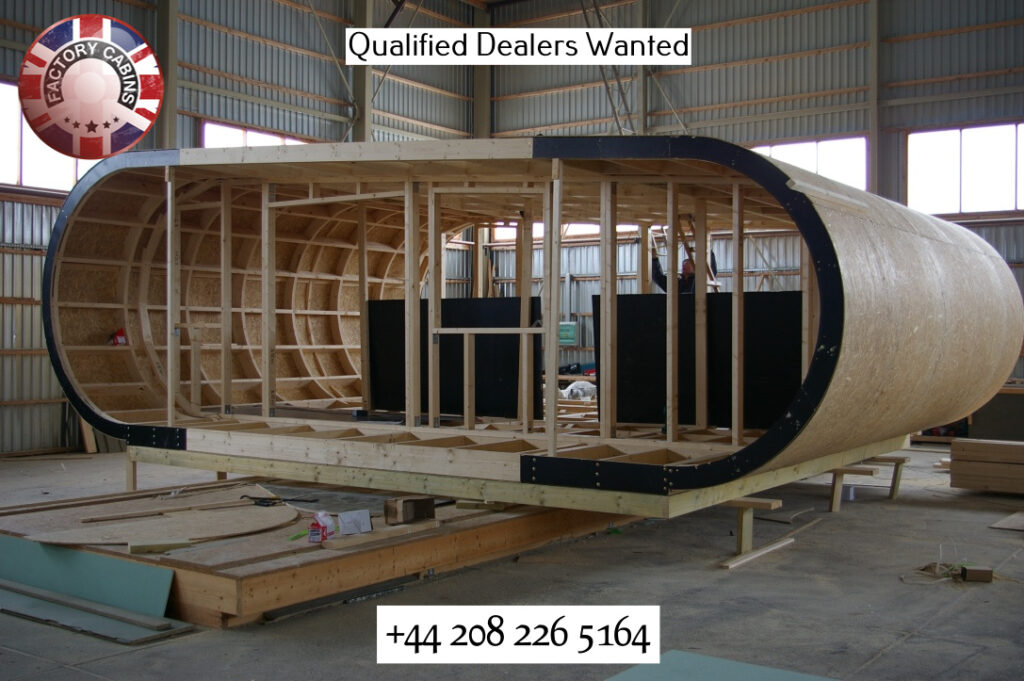
Maybe the biggest mistake in the micro-house scene is this obsession with weird footprints. Cubes, hexagons, cylinders, domes—these geometric pods are everywhere. Designers call these shapes “cutting edge,” “green,” or “space-saving.” But honestly, they create a bunch of issues nobody talks about until after you buy.

Furniture is the first big headache. The entire world of furniture, appliances, and building materials runs on rectangles and squares. Beds, cabinets, fridges, sofas, desks—even dry wall—all are sized for normal walls. Stick a standard bed next to a curved wall or a cube’s weird corner, and boom, you lose usable floor space. Corners die. You need custom furniture, which costs more and takes longer. What was sold as super-efficient ends up being anything but.

Thermal performance tanks, too. Curved or angled walls make insulation hard to install, create gaps, and make air sealing a nightmare. With rectangles, you get straightforward vapor barriers, continuous insulation, and HVAC that makes sense. Odd shapes need special climate controls—expensive, inefficient, and full of headaches. Cold areas? Condensation collects in curved walls. Hot climates? Weird roofs cook the interior. Building science rewards simplicity, not novelty.

Maintenance and construction just make things worse. Materials for those funky shapes mean long waits, more waste, and extra labor. Roofing, siding, windows, doors—they’re all custom, not off the shelf. If something breaks, you’re not popping over to the hardware store—you’re contacting the manufacturer, waiting weeks for a part, and paying more for the fix. Micro houses are supposed to simplify life—not pile on complexity.

Timber-Frame: Timeless Engineering, Scaled Down

Timber-frame stands out as the quiet solution, ignoring trends. It’s an old-school method, refined over centuries. Heavy wood beams connect with precise mortise-and-tenon joints, pegged together to make a self-supporting skeleton. The spaces between the beams get filled with insulated panels, SIPs, straw bale, or modern walls—but the wood does all the real work.

Timber-frame is perfect for micro housing because it’s honest. There’s nothing hidden behind drywall—the structure is the design. Shrink a timber-frame house to 200–400 square feet, and you don’t make it “cute” by removing features. You keep the proportional logic of real homebuilding and just reduce the excess. It’s a grounded, intentional, and highly functional space.

Timber-frame micro houses crush novelty pods in several key ways:

Structural Integrity: Heavy timber beams are great at handling wind, snow, earthquakes. You don’t need interior load-bearing walls, so layouts are flexible—even when the footprint’s small.

Thermal Efficiency: Because wood is doing the heavy lifting, exterior walls become thick insulation and weather shields. Modern timber-frame micro homes use SIPs or advanced infill that beat code requirements. You’re left with a tight envelope—comfortable all year, minimal energy needed.

Natural Material Benefits: Wood keeps indoor humidity steady, absorbs noise, and ages well. Steel pods sweat in humidity; concrete shells feel cold. Timber interiors are warm and breathable, making tiny spaces feel brighter and more welcoming.

Adaptability and Longevity: Timber-frame lasts forever. Tons of old timber buildings survive centuries with little maintenance. Build a micro house with solid joinery, moisture management, and good finishes, and you’ve got a long-term asset—not a short-lived trend.

Shrink a timber-frame house and you don’t lose what makes it feel like home—you concentrate it. Ceiling height stays right. Windows line up with your vision and sunlight. Roof sheds rain and snow well. The layout flows from entrance to living to sleep, no weird corners or dead spaces.

Building to Code vs. Building for Instagram

Here’s something people miss: codes. A lot of designer micro homes are pitched as “portable,” “temporary,” or “accessory units,” hoping to dodge residential building codes. But once you connect to water, sewer, electricity, or put the house on a foundation, the codes matter. For a reason.

Building codes aren’t just red tape—they’re the collected wisdom about fire safety, structure, electrical, plumbing, ventilation, and emergency exits. Ignoring these standards isn’t clever—it’s dangerous. Bad window placement can kill in a fire. Low ceilings or steep stairs cause daily hazards. Undersized electric panels trip with normal use. These aren’t abstract—they’re what owners of “almost legal” pods deal with every day.

Timber-frame micro homes, properly designed and built to code, sidestep these issues. They have safe windows for escape, correctly sized electrical, vented roofs, moisture-proof foundations, and insulation that beats local energy standards. They can be permitted, financed, insured, and appraised just like any regular home. That’s not just about legality—it’s about making life safe, livable, and secure.

Look at resale and financing. Banks and appraisers have a hard time with funky micro houses. Lenders often say no—forcing buyers into cash or high-interest loans. Insurance companies call them “alternative structures” or “park models”—leaving owners underinsured. A timber-frame micro home to code fits into standard lending and appraisal. It holds value because it meets quality, safety, and durability standards.

The Real Investment: Practicality Over Novelty

Buying a home isn’t just about the sticker price—it’s about the total cost over time, how well it works, and whether you can sell it later. Novelty micro homes fail on all three points. Custom parts bump up maintenance. Inefficient layouts mean furniture break down faster. If it doesn’t meet code, it’s tough to resell. Owners often find themselves spending more energy wrestling with the space than living in it—usually within two or three years.

A well-built timber-frame micro house plays a different game. Construction might cost more than a prefab pod, but over its lifetime you save. Standard windows, doors, fixtures—easy to replace. Good insulation and sealing keep energy bills steady. Strong joinery and finishes age nicely—not fast decay. The rectangular, code-compliant layout means furniture fits, storage works, and daily life flows without constant fixes.

Most important, timber-frame micro houses understand the psychology of living small. People don’t do well in experimental spaces—they do well in ones that feel reliable, comfortable, and organized. A proper 300-square-foot timber-frame design has an entry, kitchen with counter space, a well-ventilated bathroom, a living area big enough for everyday seating, and a restful sleeping zone. It makes smart use of vertical space—no daily circus tricks required. Windows are placed for daylight and breeze. There’s room for real life—laundry, groceries, books, shoes, seasonal stuff, and visitors.

That’s not giving up anything. That’s exactly what matters.

How to Choose or Build a Real Micro House

Thinking about a micro home? Slow down and be picky. Look past pretty pictures and marketing buzzwords—ask the tough questions:

  1. Is it rectangular or close to it? Right angles aren’t dull—they’re practical. They fit furniture and maximize living space.
  2. Does it follow residential building codes? Check for compliance—structure, electrical, plumbing, egress. If someone says “codes don’t matter,” just walk away.
  3. Can you fit normal furniture? Get the floor plan with actual sizes. Try placing a real bed, sofa, table, wardrobe—if it doesn’t work, the design is broken.
  4. What’s the insulation and sealing plan? Ask for R-values, vapor barrier details, HVAC specs. Tiny spaces make bad thermal planning obvious—and miserable fast.
  5. Who designed it, and are they experienced? Look for licensed architects or engineers with a track record in small residential projects—not just exhibition booths or art installations.
  6. Is it financeable and insurable? If lenders and insurers treat it like a novelty, you’re in for trouble later on.

When you look at timber-frame micro houses this way, the perks pile up. You’re not just buying a talking point—you’re buying a real home. Tiny, sure—but legitimate.

So!

The micro house movement doesn’t need more weird shapes or luxury finishes squeezed into 250 square feet. It needs honesty, practicality, and respect for real life. Timber-frame construction delivers all that: a method tested by time, scaled down, built to perform, and aging gracefully. It shows that small doesn’t mean fantasy—it means improvement.

As housing costs explode and we all care more about the environment, people will want sensible small homes. The winners won’t be the ones selling Instagram-worthy pods with hidden flaws. They’ll be the ones making timber-frame micro houses to code, ready to live in from day one, decade one, and beyond. Because a home isn’t just decoration. It’s shelter, sanctuary, and the foundation for life. Build it right, keep it small, and let the design work for you—not the other way around.

Please send us an email to sales@factorycabins.com

All bespoke designs are welcome. PLEASE call 0208 226 5164