Tag Archives: German hardware log cabins

Log Cabins in Hastings & St Leonards: The Twin Skin & Direct Manufacturer Advantage

Log Cabins for Sale in Hastings & St Leonards:

The Twin Skin & Direct Manufacturer Advantage When people in Hastings & St Leonards start thinking about adding extra space to their homes, they usually type in something basic, like “log cabins”.

It’s a catch-all term, but once you start looking, you realise there’s a lot more to it. Honestly, just searching for “log cabins” barely scratches the surface. If you really want to know what you’re getting, you have to dig into the details — what separates a solid investment from something that won’t last. Some keywords matter more than you think.

They aren’t just there to please search engines; they tell you exactly what you can expect to see in your garden. In this guide, you’ll see why it pays to focus on things like twin skin log cabins, granny annexe specs, and—most importantly—why buying straight from the manufacturer changes everything.
We’re also going to take a real look at how the supply chain works and why going direct isn’t risky at all. In fact, it’s a smart way to save money and get more for it. Why Location Matters: Log Cabins in Hastings & St Leonards Searching for log cabins is vague.

When you look for log cabins in Hastings & St Leonards, you’re finally getting specific—and that matters. The South Coast isn’t like the rest of the UK. Hastings and St Leonards sit right on the coast, so your cabin has to handle salty air, more moisture, and winds that hit harder than what you’d get inland.

If you buy a generic cabin from a national supplier, there’s a good chance the wood hasn’t been treated for salty environments, or the roof isn’t built for those coastal gusts.

When you narrow your search to your own backyard, you’re saying, “I need something that’s built for my weather.” Local manufacturers get it. We know mornings in St Leonards can be full of sea mist, while a spot closer to the Hastings countryside often wakes up with a heavy frost. And don’t forget—Hastings has loads of conservation areas. If you buy a generic shed, you could end up breaking planning rules.

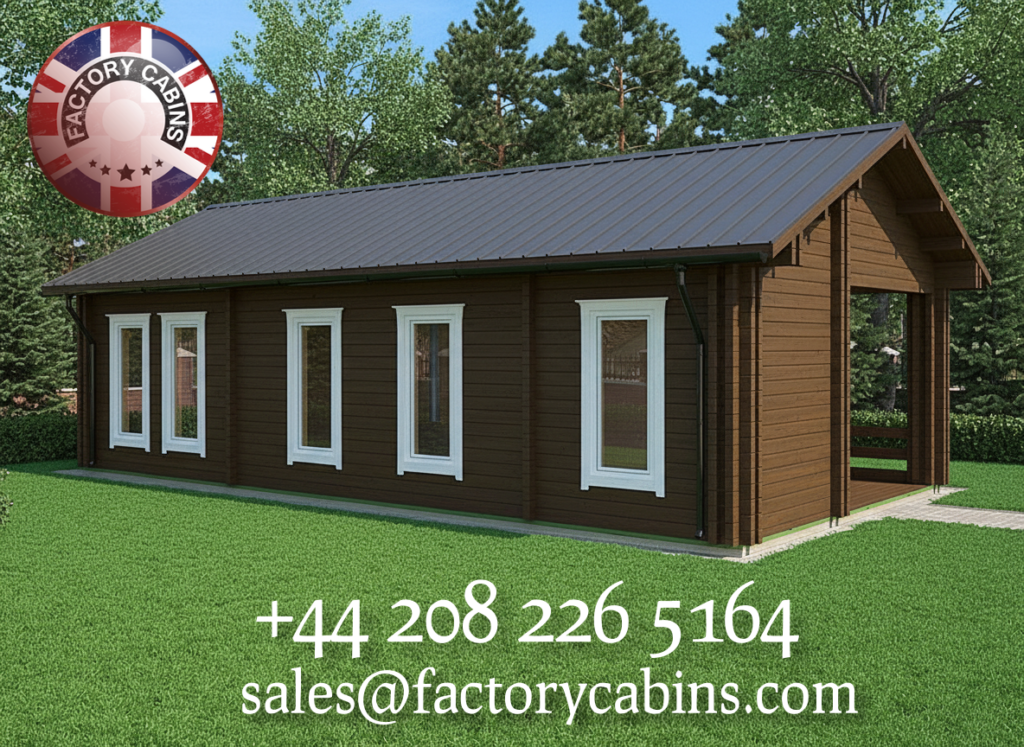
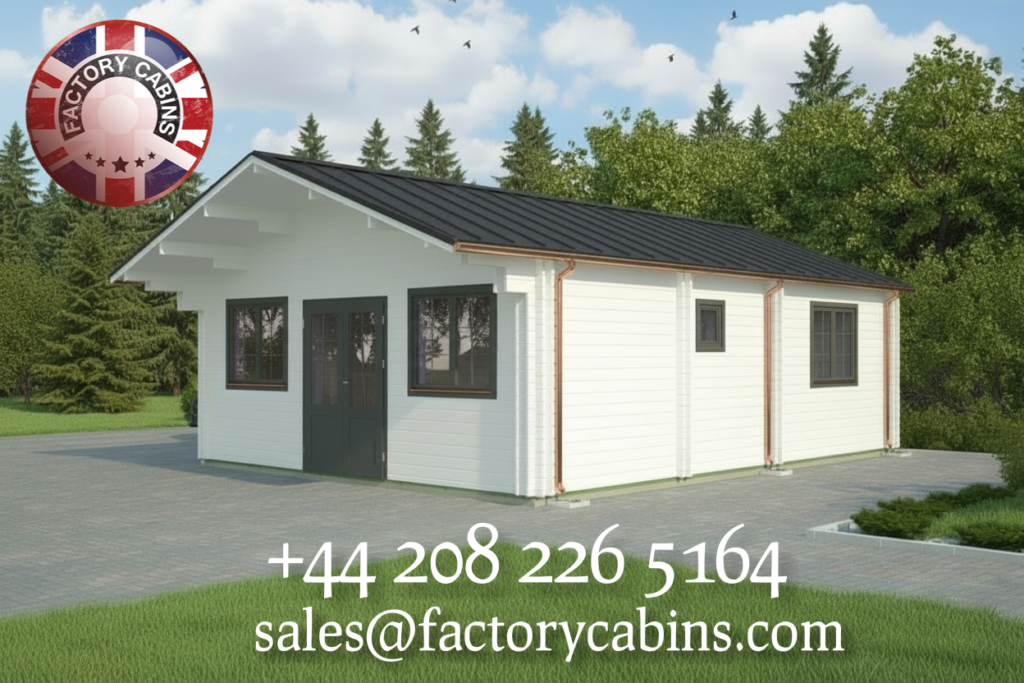
But if you go for a custom Clock House log cabin, designed with local style in mind, it can blend right in with the Victorian and Edwardian homes around here. When you stick to Hastings & St Leonards, you make sure your new cabin fits the look, follows the rules, and stands up to the weather. It just makes sense.
The Technical Divide: Why Twin Skin Log Cabins Matter Once you’ve picked your spot, the next thing you really want to focus on is twin-skin log cabins. Seriously, don’t just settle for a standard log cabin—there’s a big difference. Here’s the thing: single-skin cabins are just one layer of timber, maybe 28 mm to 44 mm thick.

They look solid, sure, but wood alone isn’t great at keeping heat in. If you’ve ever tried to use one of these in a UK winter, you know the drill—cold air seeps in, heat slips right out, and suddenly your energy bills spike. Plus, you get condensation, and that’s just asking for damp and mold. Twin-skin cabins solve all that.

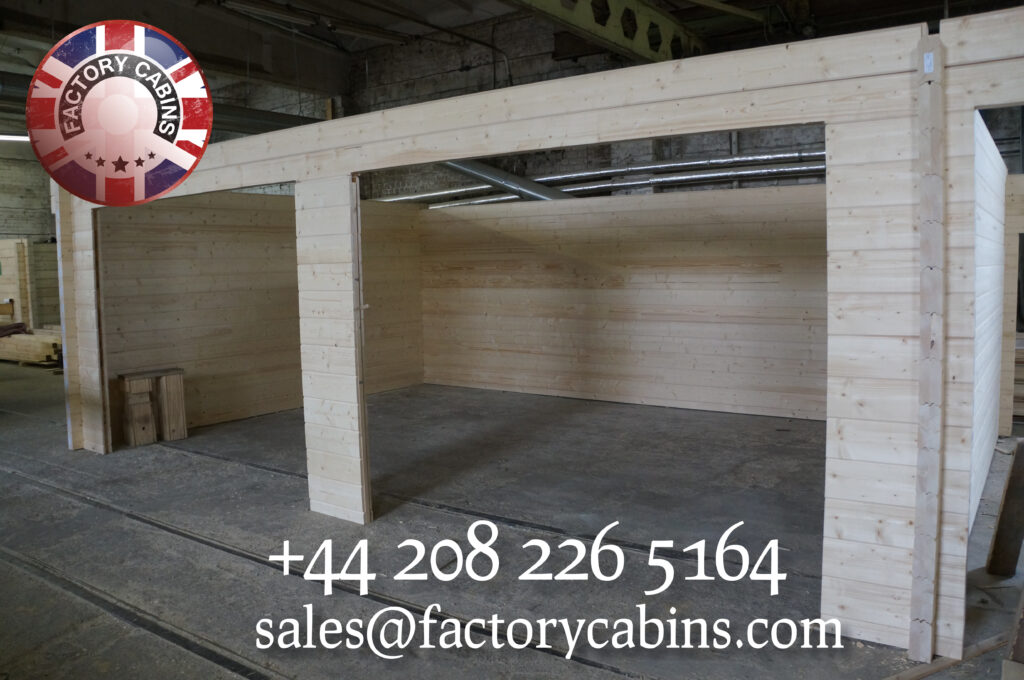
You’ve got two layers of timber with insulation sandwiched in between. That extra layer makes a world of difference. It traps heat, so you’re not constantly cranking up the heater just to stay comfortable in January.

And because the inside wall stays warm, condensation doesn’t stand a chance—no more damp patches or mold creeping in. So when you search for twin-skin log cabins, you’re really weeding out all those flimsy, short-term options. You’re after something that works as a real room, not just a summer hideaway or a glorified shed. Especially if you live somewhere like Hastings, where the air is always a bit damp, twin skin isn’t a fancy upgrade—it’s the smart move if you want your cabin to last and stay healthy.
Let’s talk about the term “granny annexe”. It’s more than just a fancy way to say “garden room”. When you use this phrase, you shift the conversation from a simple outbuilding to a genuine living space. That difference matters, especially around the Southeast.

The housing market’s tough. In places like Hastings and St Leonards, lots of families want to keep their older relatives close but still give them their own space.

A granny annexe makes that possible — it’s a safe, accessible home right in the garden. But here’s the thing: calling it a granny annexe sets the bar higher. Now you’re talking about real building standards, like BS3632 compliance.

That means solid insulation, proper ventilation, fire safety, and decent windows and doors. If you just search for a “garden shed”, you’ll probably get something you can’t legally sleep in.

But when you ask for a granny annexe, you’re telling builders you need a proper place to live — plumbing, electrical safety, and energy efficiency all included. Suddenly, this isn’t just a weekend DIY project. It’s a real housing solution, and it adds serious value to your property.
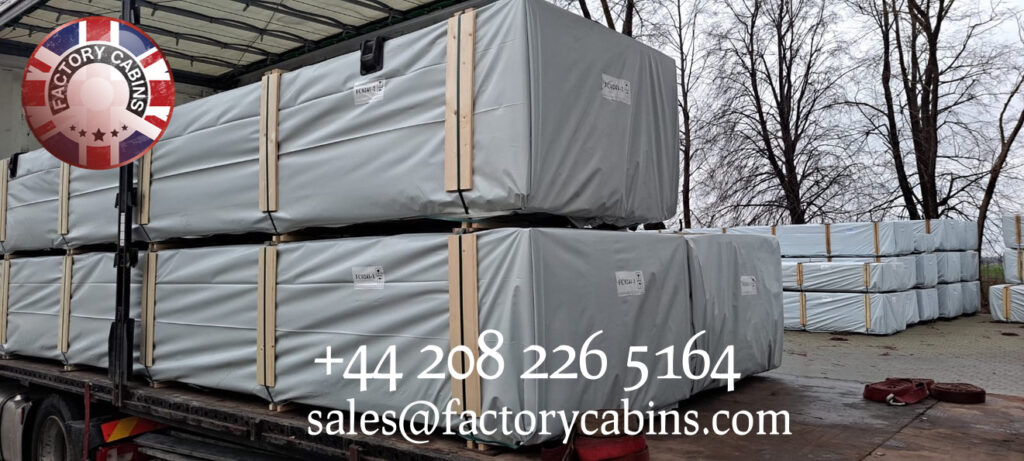
Now, here’s an insider tip: always buy directly from the manufacturer. Forget the middlemen, the glossy showrooms, and the national brokers. People get nervous about going straight to the source—they worry about service or warranties, or maybe they think it’s complicated. But honestly, buying direct isn’t risky. It’s how you get the real price for a top-quality cabin. That’s the secret the industry doesn’t want you to know.

The Hidden Supply Chain Let’s be honest about the log cabin industry: not many companies actually make these buildings in the UK and Europe. What you mostly see are thousands of brokers, resellers, and showroom brands.

Scroll through ads online, and you’ll find plenty of companies shouting about their cabins—but most of them don’t build a thing. They’re just marketing agencies selling cabins made by someone else. And here’s the kicker: they guard the identity of the real manufacturer like it’s a state secret. Why? Simple. They don’t want you to find us. If you knew who actually built your cabin, you’d probably get in touch directly. You’d see that the price you’re being charged is way above what comes out of the factory. Sometimes, it’s double. That’s how the middlemen make their money—they count on you not knowing how the supply chain works.

The Direct Advantage Buy straight from the manufacturer, and you cut out the middleman entirely. You pay for the building and the work, not for flashy showrooms, national ad campaigns, or broker commissions.

If you’ve got a question about the timber, the insulation, or the roof, you talk to the actual people who work with the wood. No endless back-and-forth between a salesperson and the factory floor. Need something custom? Brokers will hand you a catalogue and stick to the script. Manufacturers, on the other hand, can actually solve problems.
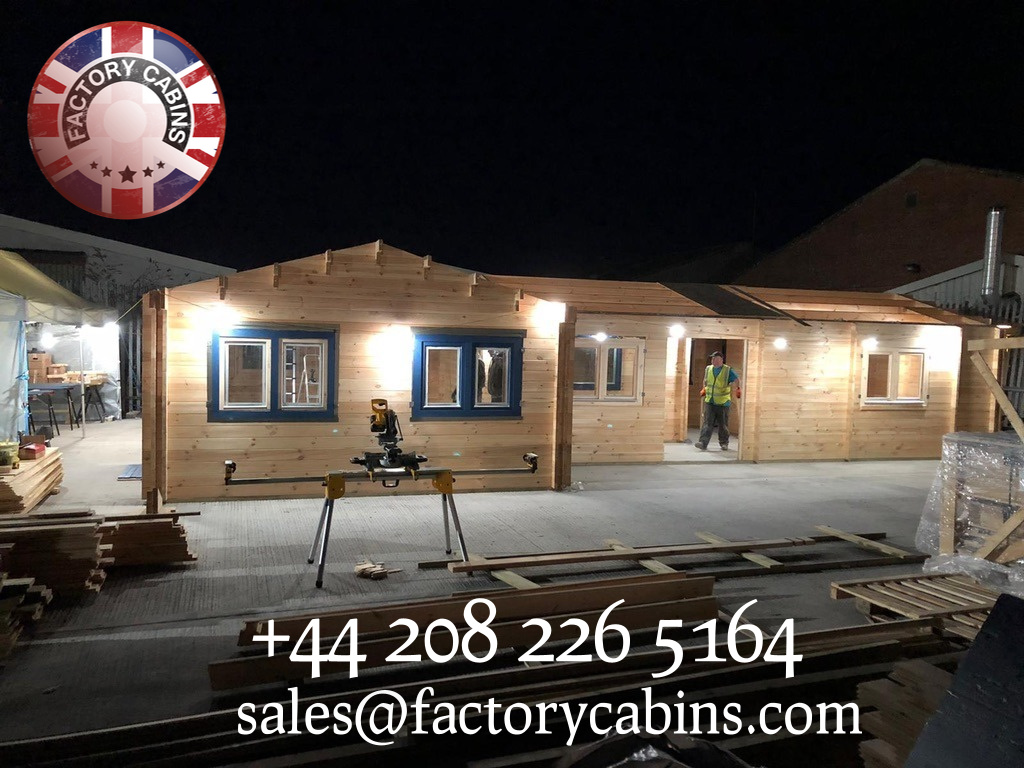
Maybe you need a twin-skin log cabin squeezed onto a tricky site in Hastings. A broker might just say, “It’s not in our package.” We can make it happen—because we run the production line. Debunking the Risk People worry that buying direct means less protection. In reality, it’s the opposite. If a broker shuts down, your warranty disappears. When you buy from a proper manufacturer, your guarantee comes straight from the source—the same factory that cut the timber and built your cabin. We back our work, our timber, and our installation.

In Hastings & St Leonards, we’ve installed loads of buildings directly for people who were stunned to discover they could have saved 30% by skipping the re-seller. That extra money? It just paid for the reseller secret. When you buy direct, you break that cycle.

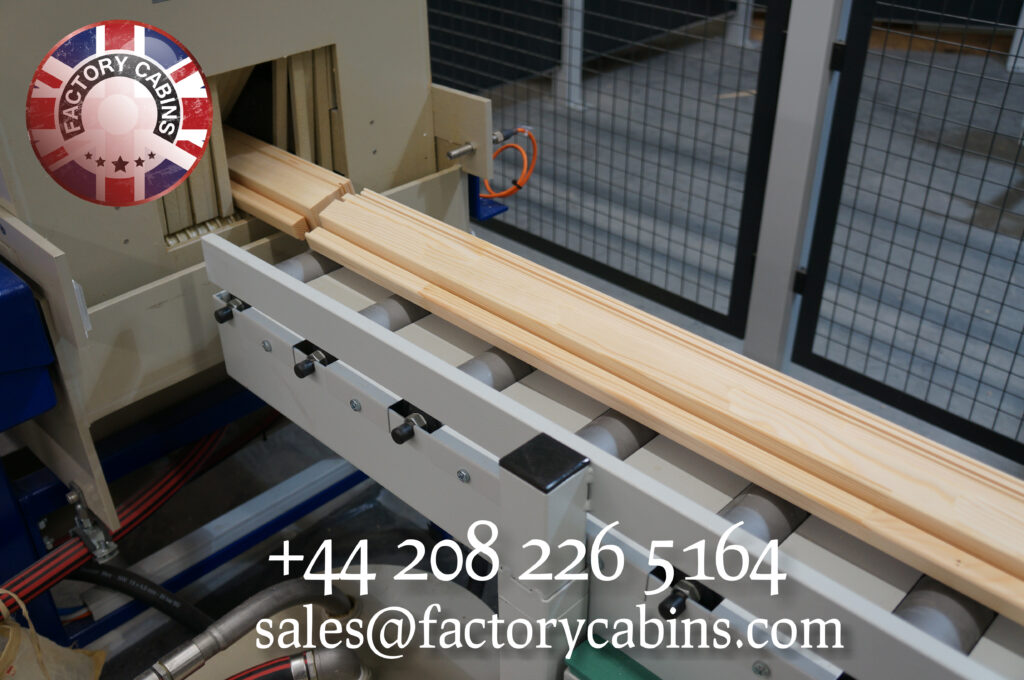
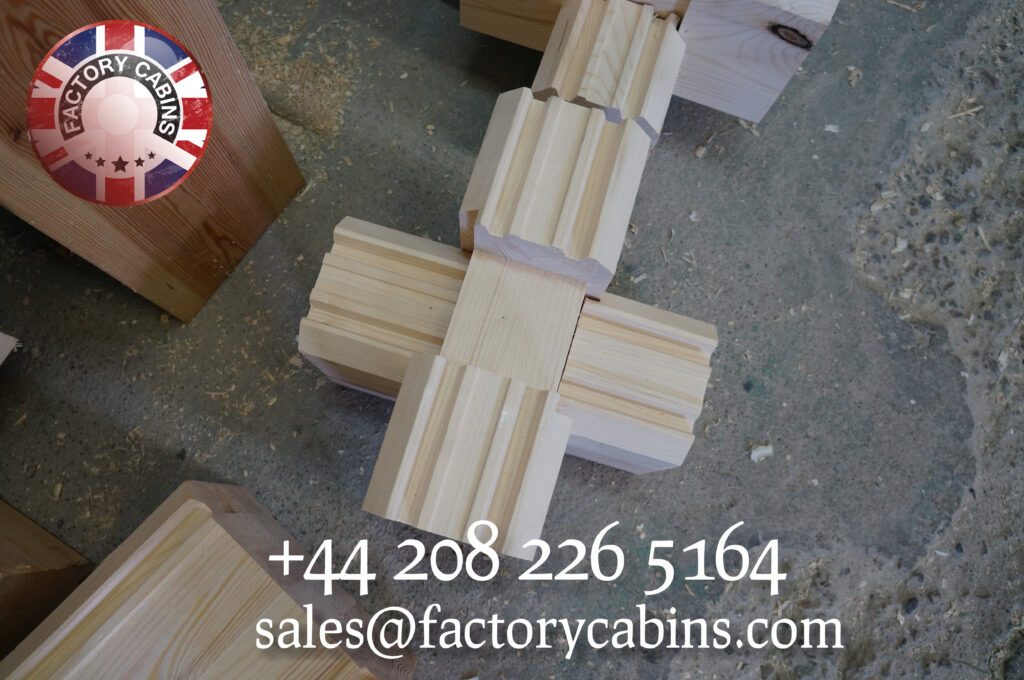
You still get Swedish spruce, German hardware, and a proper twin skin build—just at a price that reflects what it actually cost to make. Making an Informed Choice So, what’s the point of all these keywords? They’re not just buzzwords—they’re the real decision-makers in your buying journey.
Pick “log cabins in Hastings & St Leonards”, and you get a building that can handle coastal weather and fits in with the local style. Choose “twin skin log cabins” and you get a cabin that’s warm, dry, and cheap to run year-round.

Go for “granny annexe”, and you’ll know your building meets all the legal and safety standards for family living. And if you “buy from the manufacturer”, you’re getting a fair price—no hidden markups, no secret middlemen. Don’t let vague search terms land you with a vague product.
Be clear about what you want. Be bold about who you buy from. The difference between a costly mistake and a solid investment often comes down to understanding what’s really behind the words you type into that search bar. Ready to skip the re-seller and talk straight to the factorycabins.com Get in touch. We’re proud to bring Hastings & St Leonards top-quality, twin-skin log cabins at honest, direct prices.

Let’s build something real together.

Please send us an email to sales@factorycabins.com

All bespoke designs are welcome. PLEASE call 0208 226 516
Twin Skin Cabins Access Roofing

Twin Skin Log Cabins for Tough Access & The Roofing Face-Off: Felt Shingles or Steel Standing Seam Most people imagine their new garden building as a finished dream:

maybe a cozy Clock House log cabin tucked among the flowers, a quiet garden office, or a fancy granny annexe. What almost nobody thinks about?

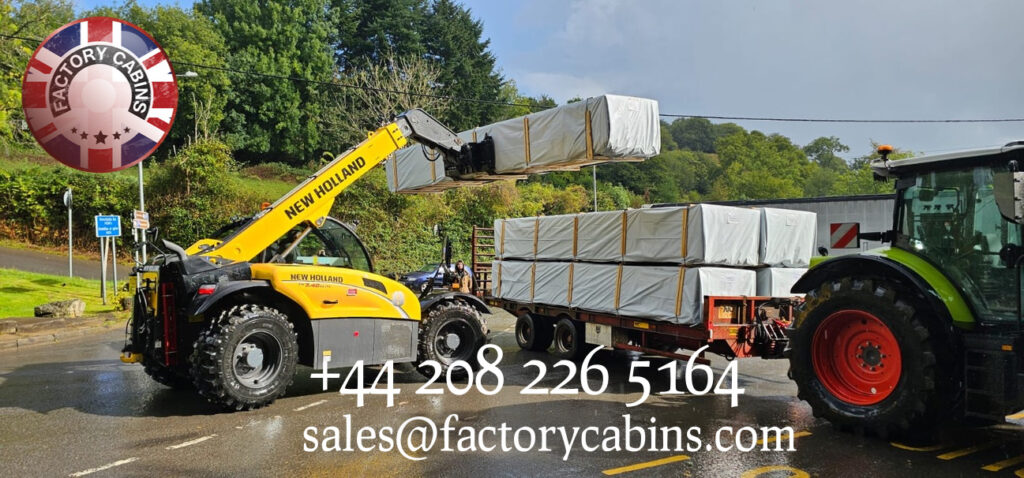
Actually getting it into the garden. For so many homes in Kent and Sussex, just getting from the factory to your backyard can turn into a real headache. Old-school builds need big machines, wide paths, and often a crane.

But what do you do when your side passage is only 0.8 meters wide? Or there are power lines overhead? Or your garden’s hidden behind a row of terraced houses with no rear access at all? That’s exactly where twin skin log cabins save the day.

They don’t just keep you warm all year and look great—they’re built in a way that lets us squeeze them into places where other buildings just can’t go.

Once you’ve figured out how to get your cabin in, the next big question is the roof. We offer both classic felt shingles and sleek steel standing seam roof sheets.

Both work, but picking the right one matters for your wallet, your cabin’s style, and how long it’ll last. Let’s dig into why twin skin cabins are unbeatable for tricky access and help you decide which roof actually fits your needs.

Part 1:

The Access Headache—Why Regular Builds Don’t Work If you live in an older house in Canterbury, a terraced spot in Brighton, or a cottage with a driveway barely wider than a bike in Tunbridge Wells, you already know the pain.

You want more space, but your house seems to fight you at every turn. Why Modular and Brick Just Don’t Cut It Brick extensions need mortar, scaffolding, and huge deliveries of blocks and sand. Even “modular” garden rooms, which come in big sections, usually need a crane. And cranes?

They need space to set up, open sky above, and gates wide enough to drive a small truck through. If you’ve got: – Side passages under a meter wide – Trees, cables, or neighbors’ roofs hanging overhead – Slopes too steep for trucks – Protected land where no heavy machines are allowed …regular construction just isn’t going to happen. Most big companies will come out, take a look, and politely walk away.

They don’t have the people or the know-how for this kind of job. How Twin Skin Cabins Solve the Problem This is where we step in. Our twin skin log cabins, made from Swedish spruce, break down into smaller, easy-to-carry parts.

No crane. No concrete mixer. Just skilled hands and some muscle. We carry every piece—logs, insulation, wall panels, windows, roof tiles—through the tightest gaps. Sometimes, we’ve brought luxury cabins through front doors, down steep banks, or along alleys so narrow we had to turn sideways.

For folks in Kent and Sussex with tricky gardens, this isn’t just helpful—it’s the only real option. Part 2: Why Twin Skin Beats the Rest for Awkward Sites

You might be thinking, “With all these access issues, shouldn’t I just go for a cheap, single-skin shed?” Not a chance. Tough access actually calls for better quality, and here’s why twin skin is the top pick for cramped spaces.

1. Built to Last,

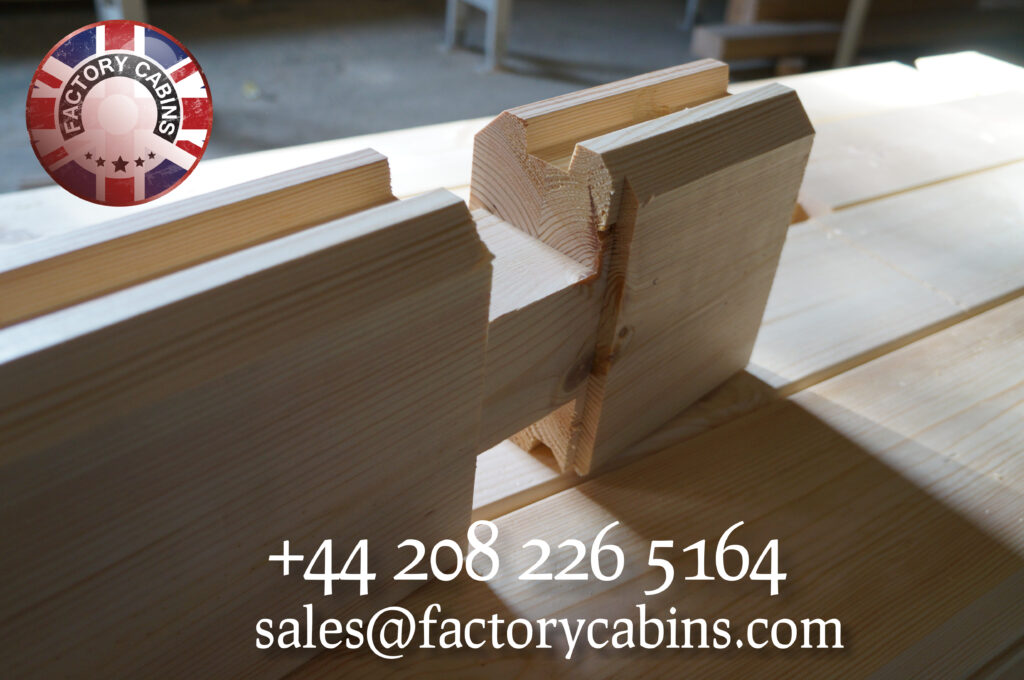
Even When Built by Hand Single-skin cabins need big, heavy logs to stay stable. Twin skin cabins use a frame-and-panel system (or a fancy interlocking one) that stays strong, even when we build it piece by piece. That way, we can put everything together in tight quarters without needing a huge open space to lay out big wall sections.

2. Year-Round Usability,

No Matter Where Your Garden Sits Let’s be honest—some gardens just aren’t easy to reach, and those spots usually get hit hardest by the weather. If your garden’s tucked away at the bottom of a steep hill, you’re probably dealing with constant damp. If you’ve got a courtyard boxed in by high walls, it’s likely cold and shady for most of the year. Now, if you put up a simple single-skin cabin in these conditions, you’ll regret it come winter.

The cold timber will quickly collect condensation and that garden room will basically be off-limits for months. But when you go for a twin-skin insulated cabin, you get a proper thermal barrier. It blocks out the damp, holds onto the heat, and suddenly you’ve got a garden room you can actually use all year—even if the microclimate in that part of your garden is less than ideal.

3. Boosting Property Value,

Even in Tight Spaces In places like South East England, where every square meter of garden is precious, you want any new building to actually add value. If your garden room is only comfortable during the summer, it won’t do much for your property price. But a BS3632-compliant twin-skin annexe? That’s a different story. You can use it as a home office or guest space, any time of year. Even if access is tricky, the end result is a high-spec space that genuinely adds equity.

4. Less Mess,

Less Disruption Old-school building methods in narrow plots are a headache—think muddy trenches and the noise from digging foundations. Log cabins are a lot easier on both you and your neighbors. They need lighter foundations—usually just screw piles or concrete pads you can carry in by hand. That means way less mud, less noise, and much less disruption, which is key if you live in a row of terraced houses in places like Hastings or Maidstone.

Part 3: The Roofing Showdown –

Felt Shingles vs. Steel Standing Seam Once you’ve put up the walls, the roof is the big deal for keeping out the weather. We offer two main options: Felt Shingles and Steel Standing Seam Roof Sheets.

Both get the job done, but they look and cost pretty differently. Here’s what you need to know.

Option A: Felt Shingles (The Classic Look) Felt shingles are those small, overlapping tiles made from bitumen-soaked fiberglass or organic mat. They’re the go-to for traditional Clock House log cabins and old-school garden buildings.

The Look: Felt shingles have a rustic, textured style that fits right in with classic British gardens. You can get them in black, green, red, or brown, and they look a lot like slate or clay tiles, just much lighter. If you’re after a granny annexe or a garden office with a traditional vibe, this is usually what people pick.

The Cost: Felt shingles are easier on the wallet. Materials cost less, and they’re simple to install. If you need to keep the budget tight, this helps keep the whole project affordable.

The Lifespan & Maintenance: Here’s the catch—felt shingles last around 10 to 15 years before you’ll need to repair or replace them. They can get mossy in damp, shady gardens, and if they’re not nailed down well, strong winds can lift them right off. Best For: Traditional looks Tight budgets Places where getting onto the roof for repairs won’t be a pain

Option B: Steel Standing Seam (The Modern Choice) Steel standing seam roofs are made from long metal panels with raised seams that lock together. You’ll see them on modern buildings and high-end garden cabins. The Look: If you want sleek and contemporary, this is it.

The clean lines and smooth finish make any garden room look sharp. Plus, you can pick from loads of RAL colours, so it’s easy to match your windows or really make a statement.

The Cost: Steel standing seam costs more up front. The materials are pricier, and you need a specialist to install it so everything stays watertight. But it’s a solid investment in the long run.

The Lifespan & Maintenance: This is where steel really shines. Get it done right, and you’ll have a roof that lasts 40 to 50 years. It barely needs any upkeep—no moss, no leaks, and it shrugs off coastal winds. If your cabin is hard to get to or you never want to climb up there for repairs, this is a huge win.

Best For: Modern styles Long-term owners who want to do it once and be done Hard-to-reach roofs Windy locations (think Sussex by the sea)

FeatureFelt ShinglesSteel Standing Seam
Initial Cost££ (Lower)£££ (Higher)
Lifespan10–15 Years40–50+ Years
MaintenanceModerate (Moss/RepairsLow (Occasional Clean)
AestheticTraditional / RusticModern / Sleek
Wind ResistanceGoodExcellent
InstallationStandardSpecialist
Best UseTraditional CabinsPremium/Modern Builds

Part 4: Making the Right Choice for Your Project So, what’s the best move for your cabin? When you’re dealing with tricky access and have to pick a roof, here’s what we recommend.

1. Think About Future Maintenance Picture this: your cabin sits tucked away, maybe down a narrow path or squeezed in a corner of the garden. Ask yourself, “Will I be able to get a ladder here in ten years if I need to fix the roof?” If the answer is no, or if getting up there sounds like a nightmare, go with Steel Standing Seam. Sure, it costs more up front, but it gives you peace of mind. The last thing you want is a leak you can’t reach. Steel lasts for decades without fuss. But if you know you’ll have access and don’t mind occasional upkeep, Felt Shingles are a great pick. They’re easy on your wallet and really suit the traditional Clock House look.

2. Match Your Home’s Style Take a good look at your main house. If you live in a Victorian home with slate tiles, felt shingles in grey or black will blend right in. But if your house is more modern, maybe with metal or zinc details, steel standing seam just looks right—it feels like it belongs.

3. Budget vs. Long-Term Value You know the saying, “buy cheap, buy twice.” Felt costs less now, but steel outlasts it by decades. If you’re planning to keep your building for 20 years or more, steel actually works out cheaper over time. But if you just need a quick solution or want to keep your initial spend low, felt gets the job done.

4. Don’t Forget the Kent & Sussex Weather Coastal spots like Folkestone or Eastbourne get hit with salty air, which eats away at cheap metals. So, if you’re near the sea, make sure your steel roof is high-grade and built for marine weather. Inland, in places like Sevenoaks, you’ll see more moss on felt roofs because of the humidity.

Steel doesn’t give moss a chance—it sheds water too fast. Conclusion: Build Smart Where Space Is Tight Going for a twin skin log cabin is already a smart way to get around access headaches.

You get a warm, high-quality living space in places most builders wouldn’t even try. Even in the trickiest corners of Kent and Sussex, you don’t have to settle for second best. But don’t stop at the walls.

The roof you pick—felt shingles or steel standing seam—really decides how long your cabin lasts and how much work it’ll need down the road. Pick felt for classic looks and a lower price tag.

Choose steel for modern style, serious durability, and barely any maintenance, especially if getting to your roof will be a challenge. At Factory Cabins, we do more than just sell buildings.

We solve problems. Whether you need a bespoke Clock House log cabin squeezed through a tight alley or a garden office with a sleek steel roof, we know how to make it happen. Ready to get started? Reach out for a free site survey.

We’ll check your site, talk through your roofing options, and give you a clear, direct quote straight from the manufacturer. Let’s build something beautiful, accessible, and made to last.

All bespoke designs are welcome. PLEASE call 0208 226 516
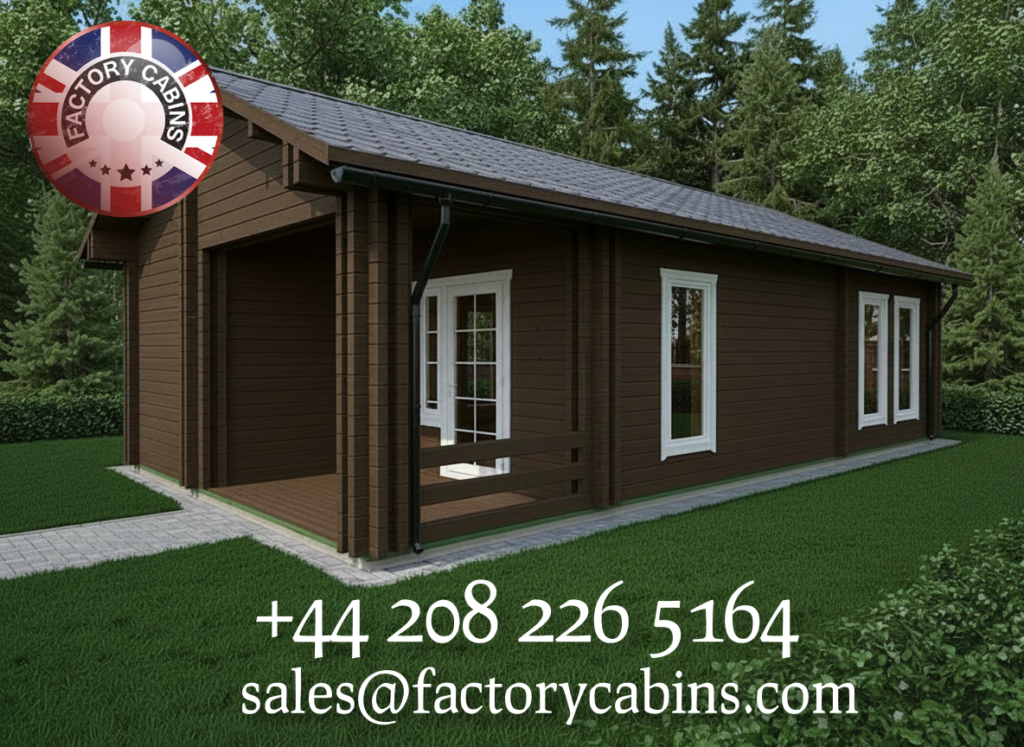
Are Twin Skin Log Cabins Worth the Extra Cost?

A Guide to Log Cabin Energy Bills

Is Twin Skin Worth the Extra Cost? (Energy Bills)

In the current economic climate, every homeowner in the UK is watching their energy bills closely. When investing in a garden building—whether it’s a clockhouse log cabin, a garden office, or a granny annexe—the initial price tag is often the first thing people look at. Naturally, single-skin log cabins appear cheaper upfront. But for anyone planning to use their garden building beyond the sunny months of July and August, the question arises: Is twin skin worth the extra cost?

The short answer is yes. But the long answer involves understanding thermal efficiency, long-term durability, and the hidden costs of trying to heat a poorly insulated structure. As a direct manufacturer serving Kent and Sussex, we’ve seen firsthand how the choice between single and twin skin impacts our customers’ wallets and comfort levels year after year.

Here is a comprehensive breakdown of why twin-skin construction is not just an upgrade but a necessity for serious garden living.

What Exactly Is Twin Skin Construction?

To understand the value, you first need to understand the build. A single-skin log cabin consists of one layer of timber, typically between 28 mm and 44 mm thick. While this looks sturdy, timber alone is not a highly efficient insulator. Heat escapes through the wood relatively quickly, and cold penetrates just as fast.

Twin-skin log cabins, however, are built like a thermos flask. They feature:

  1. An Outer Wall: Usually made from premium Swedish spruce, providing structural strength and weather resistance.
  2. An Inner Wall: A second layer of timber or cladding inside the cabin.
  3. The Insulation Gap: Between these two walls lies a cavity filled with high-grade insulation material (often rock wool or rigid foam boards).

This creates a thermal break. The heat generated inside your cabin stays inside, and the cold British weather stays outside. This construction method is standard in residential homes for a reason—it works.

The Energy Bill Breakdown: Heating Costs Compared

Let’s talk numbers. While every building is unique, the difference in thermal efficiency between single and twin skin is drastic. A single-skin cabin has a high U-value (a measure of heat loss), meaning it loses heat rapidly. To keep a single-skin garden office warm in January, your heater must work constantly, cycling on and off every few minutes to combat the cold timber walls.

In contrast, a twin skin insulated cabin retains heat for hours. Once warmed up, the insulation prevents that heat from escaping.

  • Single Skin: You might run a heater for 8 hours to feel comfortable for 2 hours.
  • Twin Skin: You might run a heater for 2 hours to feel comfortable for 8 hours.

Over a year, especially if you use the building as a year-round garden room or home office, this adds up. With energy prices in the UK remaining volatile, the extra upfront cost of twin skin construction can often be recouped within 3 to 5 years purely through energy savings. After that point, every pound saved on heating is pure profit in your pocket.

Twin skin log cabins where standard building access is impractical !

Beyond Energy: The Hidden Costs of Single Skin

Energy bills are only part of the equation. Single-skin cabins come with hidden maintenance costs that twin skin avoids.

1. Condensation and Mold

When warm, moist air (from breathing, coffee machines, or computers) hits cold, single-skin timber, it condenses into water. This leads to damp patches, mould growth, and eventually timber rot. Treating mould and replacing rotted wood costs money and ruins the aesthetic of your clock house log cabin. Twin-skin construction keeps the internal wall warm, preventing condensation from forming in the first place.

2. Usability Limits

A single-skin cabin is essentially a summer house. In Kent and Sussex, where winters can be damp and windy, a single-skin building is often unusable from November to March. If you paid £10,000 for a building but can only use it 6 months of the year, your cost per use is high. A twin skin cabin is usable 365 days a year. Halving the cost per use instantly makes it the better value option.

3. Soundproofing

If you’re using the space as a home studio, music room, or office, sound matters. Single-skin timber transmits noise easily. Twin skin cabins, with their insulation layer, offer significant soundproofing benefits. This keeps your music practice from disturbing the household and keeps traffic noise out of your workspace.

The Kent & Sussex Weather Factor

Location matters. Here in the Southeast, we experience a specific type of weather pattern. Coastal areas in Sussex deal with salty air and strong winds, while inland Kent can suffer from heavy frost and damp winters. Twin-skin log cabin interior are warm and very energy efficient

Standard sheds or single-skin cabins struggle in this environment. The wind chill factor can make a single-skin cabin feel freezing even if the air temperature is above zero. Our twin skin log cabins are designed to withstand these local conditions. The dense Swedish spruce outer layer resists the wind, while the insulation layer ensures that the damp cold doesn’t seep into your workspace.

We’ve installed cabins in exposed locations in Hastings and Canterbury where customers reported staying warm and comfortable even during the coldest snaps, simply because the building envelope was secure.

Long-Term Value and Property ROI

Investing in a bespoke log cabin is an investment in your property. A well-insulated, twin-skin garden building adds more value to your home than a basic shed. Potential buyers look for “extra living space”, not “extra storage”.

A twin-skin cabin that is BS3632 compliant (residential standard) can function as a granny annexe or a rental unit. This opens income-generating possibilities. A single-skin cabin cannot legally or practically be used for residential accommodation due to insulation standards. Therefore, the twin-skin option offers a higher Return on Investment (ROI) should you decide to sell your home or rent out the space.

Twin skin log cabins navigating what conventional builders avoid !

Getting Twin Skin at Direct Manufacturer Prices

One misconception is that twin skin is prohibitively expensive. This is often true when buying through brokers or national retailers who add significant markups. However, as a direct manufacturer, we cut out the middleman.

We supply Clockhouse log cabins for sale directly from our factory to your garden in Kent and Sussex. This means you get premium twin skin construction with German hardware and double glazing at a price point that competes with single-skin offerings from larger national brands. You don’t have to sacrifice quality for affordability when you buy direct.

Conclusion: Is It Worth It?

If you only plan to store lawnmowers and sit in the sun once a week in July, a single skin cheap log cabin might suffice. But if you want a luxury garden room, a productive home office, or a comfortable guest cabin, twin skin is not just worth it—it is essential.

The combination of lower energy bills, zero condensation issues, year-round usability, and increased property value makes twin skin the smarter financial choice in the long run. Don’t let the initial price tag fool you; the true cost of a garden building is measured over decades, not days.

Ready to upgrade your garden living? Contact us today for a free quote on our twin skin clock house log cabins. We serve all of Kent and Sussex, offering site surveys to assess your space and access needs. Let’s build you a space that stays warm, stays dry, and stays valuable.

Please send us an email to sales@factorycabins.com

All bespoke designs are welcome. PLEASE call 0208 226 516