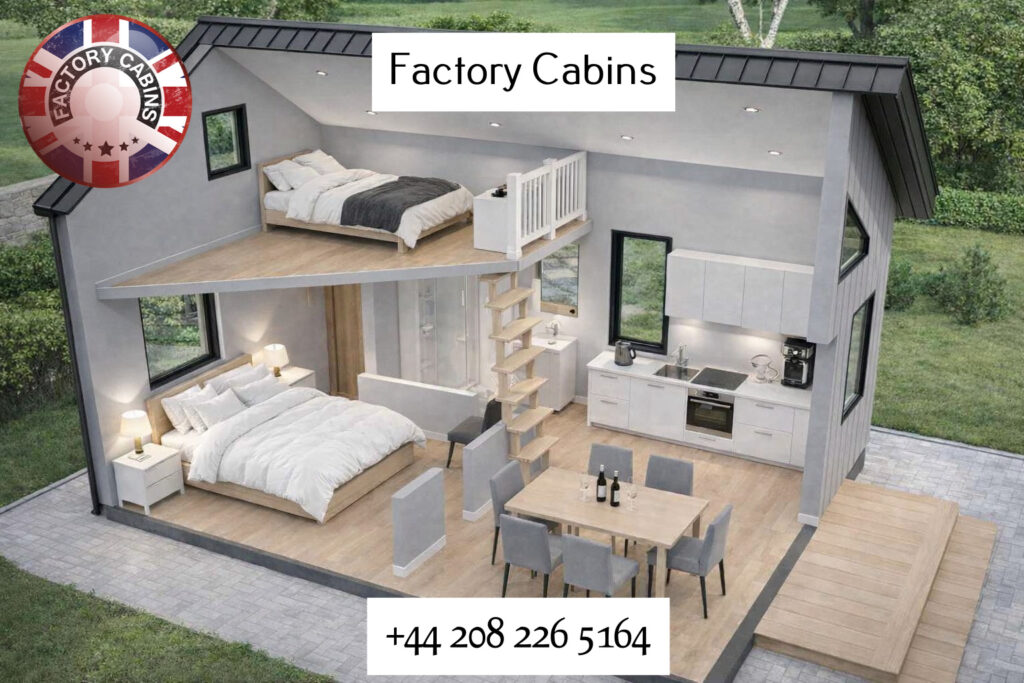
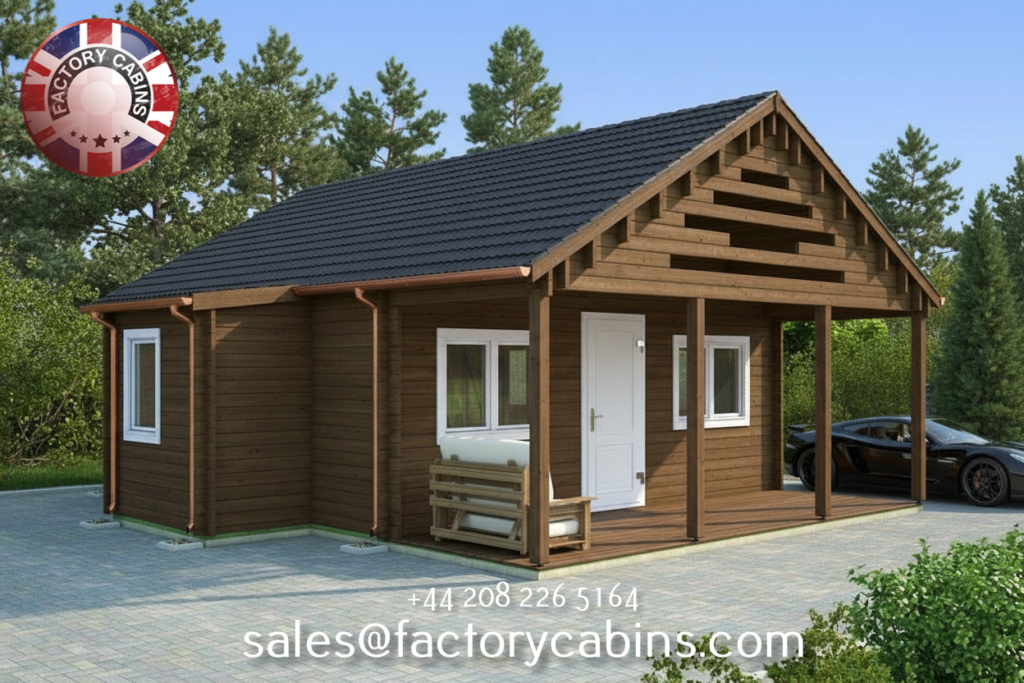
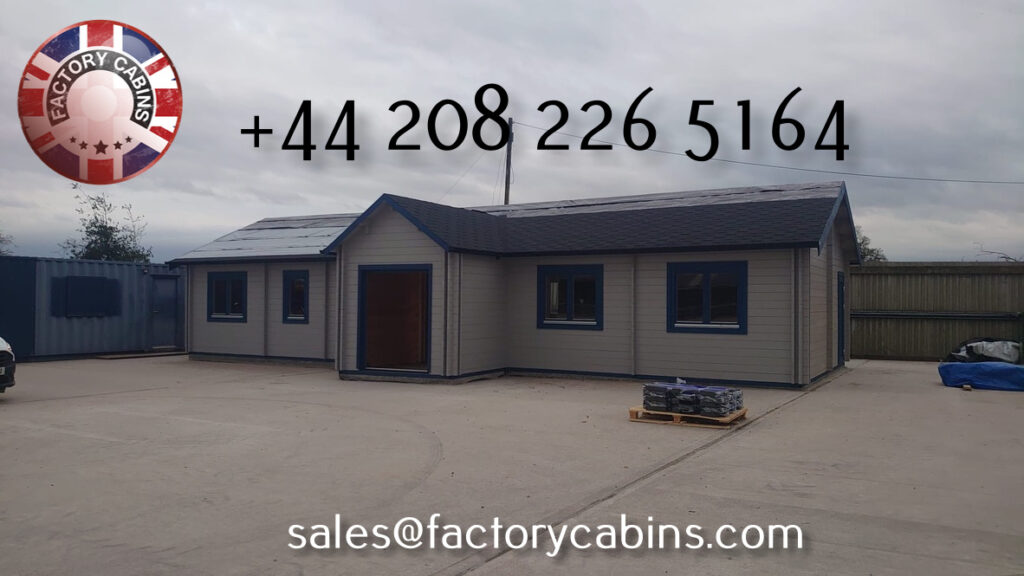
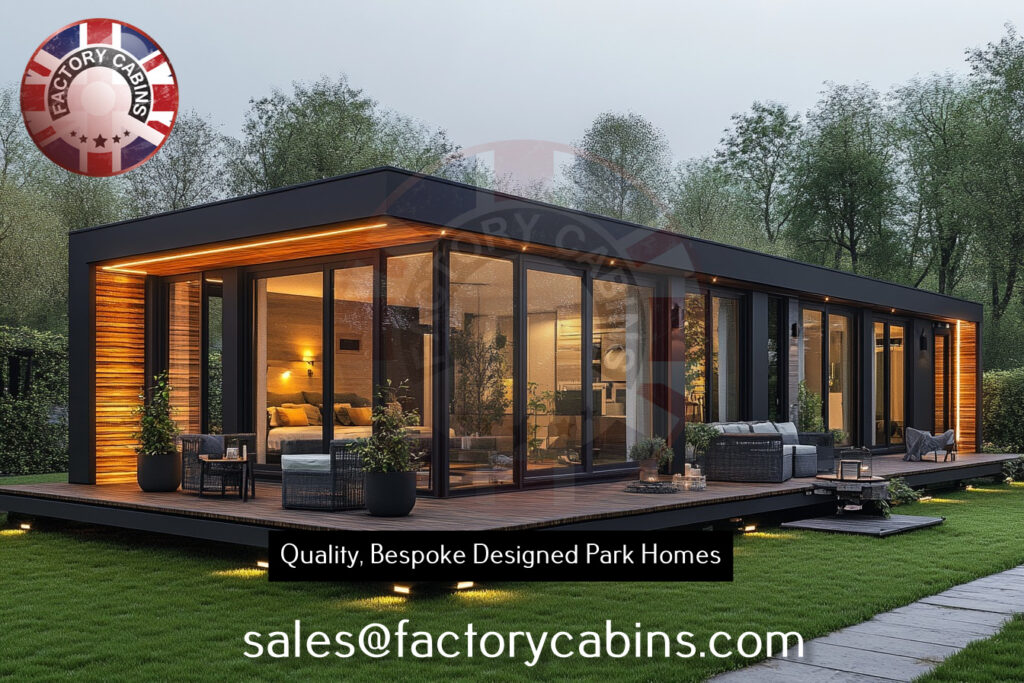
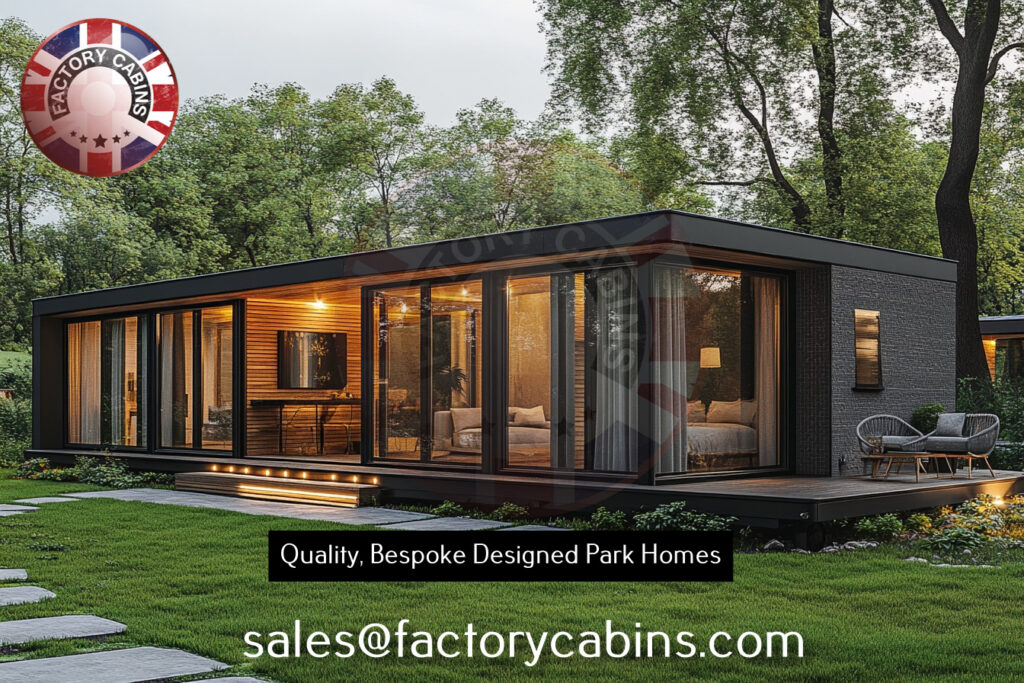
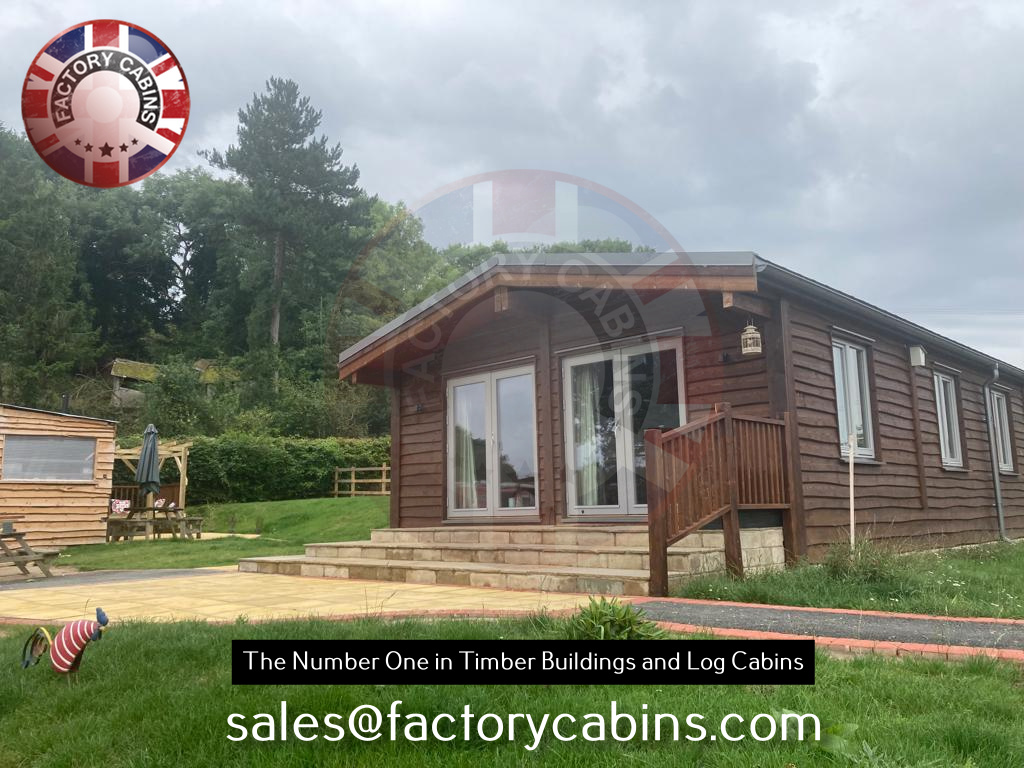
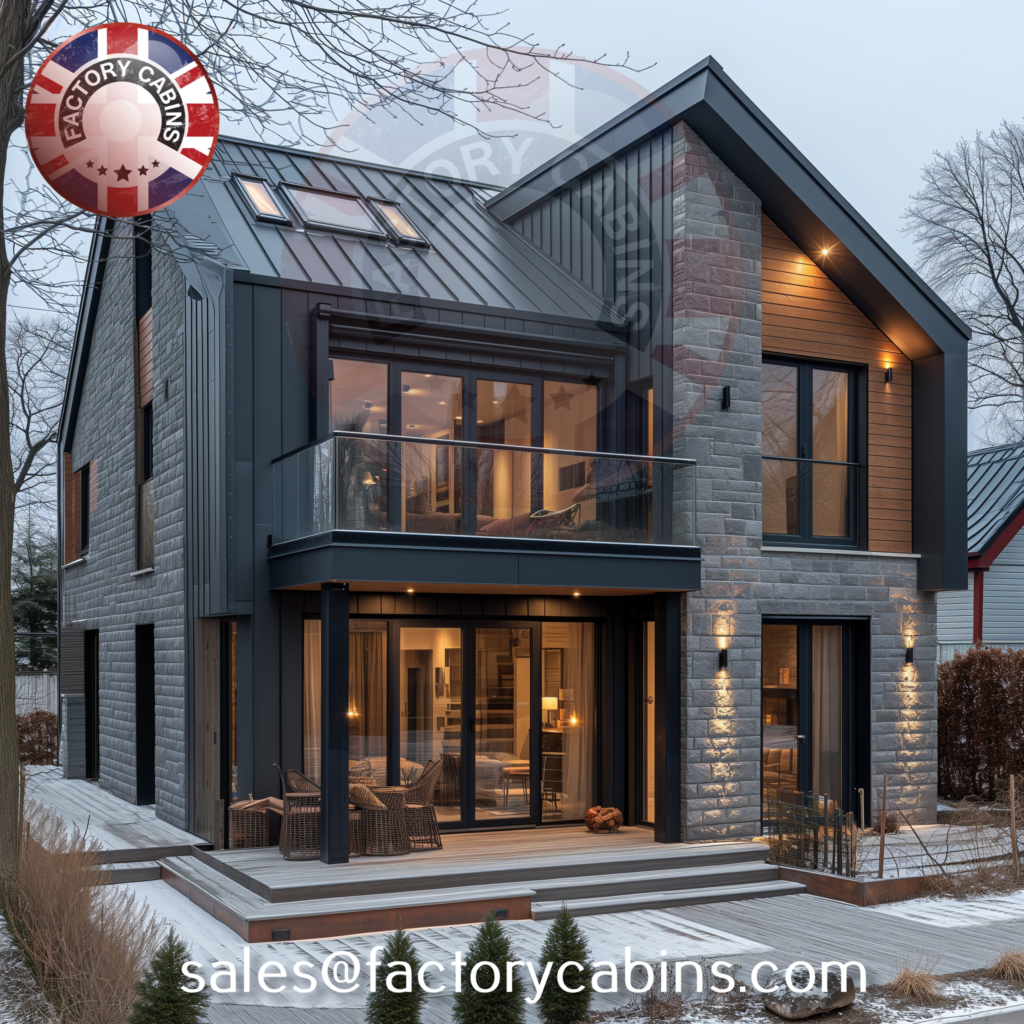
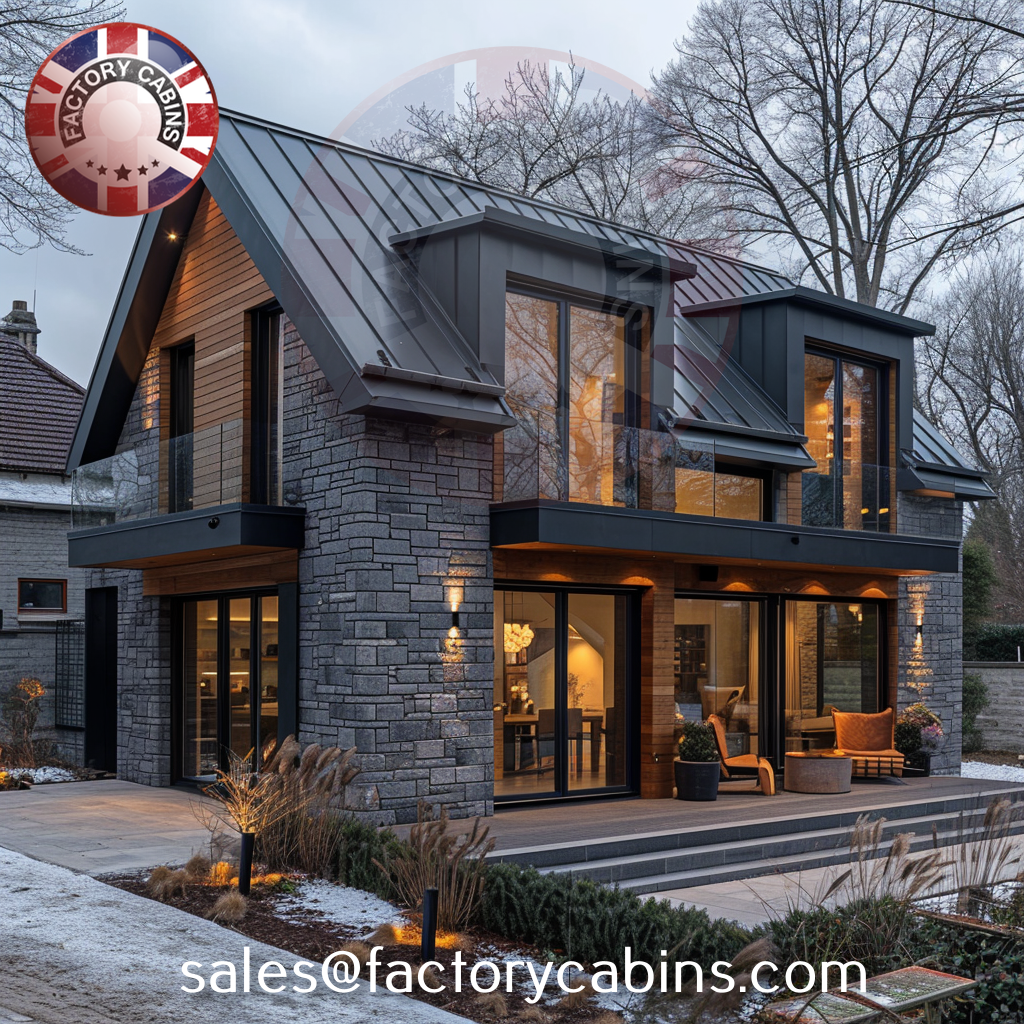
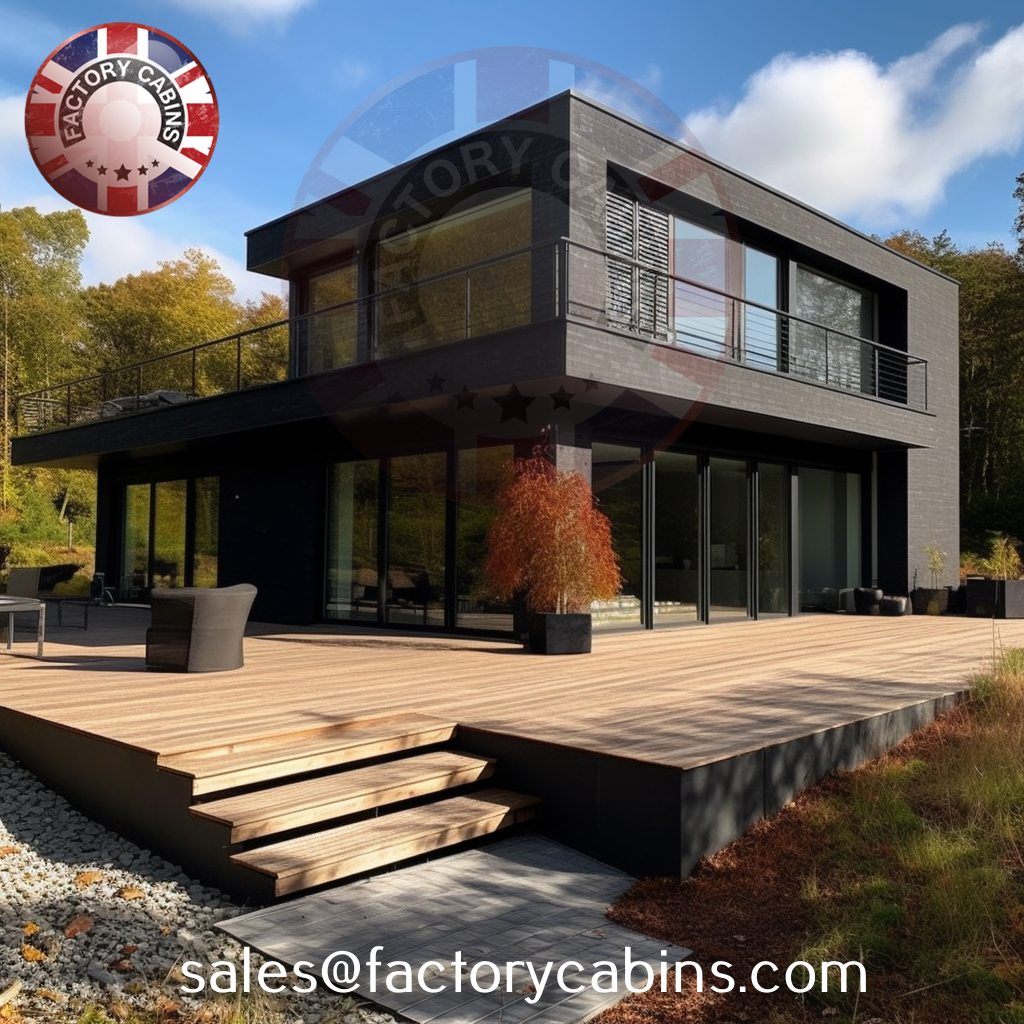
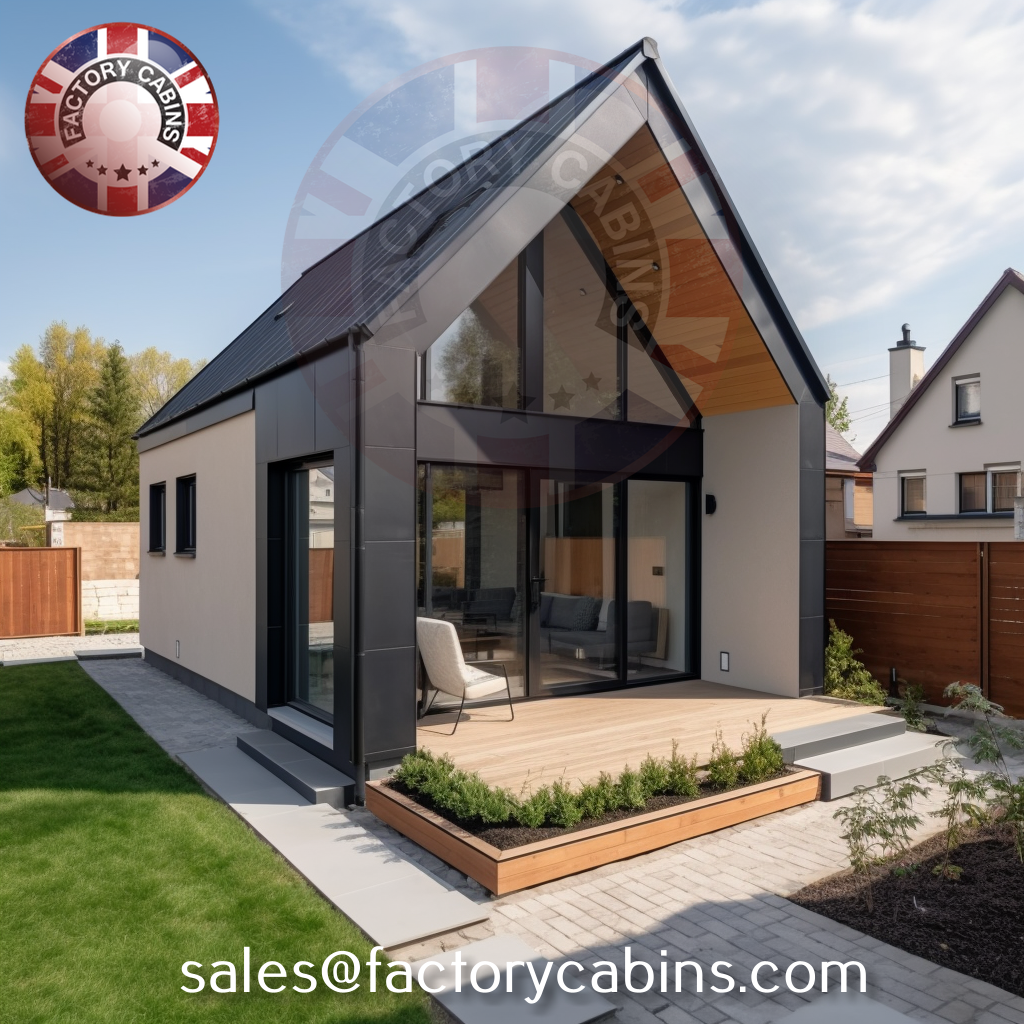
The idea of living small is everywhere now. Scroll through Instagram, flip through a magazine, or listen to a podcast, and you’ll see these dreamy promises: step into a tiny, perfectly designed cube, sphere, or pod—embrace radical simplicity, toss out the mortgage, and forget about endless maintenance chores and wasted space. The “micro house” movement, as it’s sold today, is all about looks. It’s more about the aesthetic than the actual lifestyle. Once you get past those cinematic drone shots and minimalist setups, there’s a problem buyers are starting to notice: a lot of what claims to be “micro housing” isn’t anything of the sort. It’s expensive, overdesigned, and crammed into a small box, but it falls apart when real life moves in.
Highly Insulated Tiny Houses cost pennies to heat!
Strip away the marketing, and what you get is this: How should we really build small? Should we chase flashy shapes and custom everything, or stick to proven construction methods and simply size them down? More and more, the answer is timber-frame. When you do timber-frame right, a micro house isn’t a sacrifice. It feels like precision—it’s just a smaller, legitimate home that meets standards and keeps you comfy year after year. Unlike those geometric pods that only look good online, timber-frame micro homes survive daily life, time and time again.
The Illusion of “Micro” Housing
“Micro” used to mean something practical—a scaled-down home to lower costs, cut environmental impact, and make maintenance easier. Early pioneers figured out that downsizing meant rethinking storage, flow, and how the space could multitask. Then the movement went mainstream. Now “micro” is more about branding than actual design.
Tons of companies push structures between 200 and 400 square feet as “affordable micro homes,” but price them at $80,000, $150,000, or even higher. Add in prepping the land, utility hookups, permits, and delivery, and your total is often just as high—or higher—than an ordinary starter home. Many of these so-called micro homes come loaded with fancy appliances, custom woodwork, and designer fixtures, which totally contradict the whole “affordable” angle. They’re built for photos, not for real people.
And if you look closer, you’ll notice these designs ignore how folks actually live in a tiny space. Open layouts, perfect for an 800-square-foot apartment, turn chaotic in 250 square feet. Sleeping lofts with ladders aren’t ideal as you age. Thin walls and bad insulation make these places miserable in harsh weather. So what looks innovative on paper turns into a headache in day-to-day life. Buyers soon realize that living in a space designed only for looks means sacrificing comfort, storage, and functionality—constantly.
The Problem with Novelty Shapes
Maybe the biggest mistake in the micro-house scene is this obsession with weird footprints. Cubes, hexagons, cylinders, domes—these geometric pods are everywhere. Designers call these shapes “cutting edge,” “green,” or “space-saving.” But honestly, they create a bunch of issues nobody talks about until after you buy.
Furniture is the first big headache. The entire world of furniture, appliances, and building materials runs on rectangles and squares. Beds, cabinets, fridges, sofas, desks—even dry wall—all are sized for normal walls. Stick a standard bed next to a curved wall or a cube’s weird corner, and boom, you lose usable floor space. Corners die. You need custom furniture, which costs more and takes longer. What was sold as super-efficient ends up being anything but.
Thermal performance tanks, too. Curved or angled walls make insulation hard to install, create gaps, and make air sealing a nightmare. With rectangles, you get straightforward vapor barriers, continuous insulation, and HVAC that makes sense. Odd shapes need special climate controls—expensive, inefficient, and full of headaches. Cold areas? Condensation collects in curved walls. Hot climates? Weird roofs cook the interior. Building science rewards simplicity, not novelty.
Maintenance and construction just make things worse. Materials for those funky shapes mean long waits, more waste, and extra labor. Roofing, siding, windows, doors—they’re all custom, not off the shelf. If something breaks, you’re not popping over to the hardware store—you’re contacting the manufacturer, waiting weeks for a part, and paying more for the fix. Micro houses are supposed to simplify life—not pile on complexity.
Timber-Frame: Timeless Engineering, Scaled Down
Timber-frame stands out as the quiet solution, ignoring trends. It’s an old-school method, refined over centuries. Heavy wood beams connect with precise mortise-and-tenon joints, pegged together to make a self-supporting skeleton. The spaces between the beams get filled with insulated panels, SIPs, straw bale, or modern walls—but the wood does all the real work.
Timber-frame is perfect for micro housing because it’s honest. There’s nothing hidden behind drywall—the structure is the design. Shrink a timber-frame house to 200–400 square feet, and you don’t make it “cute” by removing features. You keep the proportional logic of real homebuilding and just reduce the excess. It’s a grounded, intentional, and highly functional space.
Timber-frame micro houses crush novelty pods in several key ways:
Structural Integrity: Heavy timber beams are great at handling wind, snow, earthquakes. You don’t need interior load-bearing walls, so layouts are flexible—even when the footprint’s small.
Thermal Efficiency: Because wood is doing the heavy lifting, exterior walls become thick insulation and weather shields. Modern timber-frame micro homes use SIPs or advanced infill that beat code requirements. You’re left with a tight envelope—comfortable all year, minimal energy needed.
Natural Material Benefits: Wood keeps indoor humidity steady, absorbs noise, and ages well. Steel pods sweat in humidity; concrete shells feel cold. Timber interiors are warm and breathable, making tiny spaces feel brighter and more welcoming.
Adaptability and Longevity: Timber-frame lasts forever. Tons of old timber buildings survive centuries with little maintenance. Build a micro house with solid joinery, moisture management, and good finishes, and you’ve got a long-term asset—not a short-lived trend.
Shrink a timber-frame house and you don’t lose what makes it feel like home—you concentrate it. Ceiling height stays right. Windows line up with your vision and sunlight. Roof sheds rain and snow well. The layout flows from entrance to living to sleep, no weird corners or dead spaces.
Building to Code vs. Building for Instagram
Here’s something people miss: codes. A lot of designer micro homes are pitched as “portable,” “temporary,” or “accessory units,” hoping to dodge residential building codes. But once you connect to water, sewer, electricity, or put the house on a foundation, the codes matter. For a reason.
Building codes aren’t just red tape—they’re the collected wisdom about fire safety, structure, electrical, plumbing, ventilation, and emergency exits. Ignoring these standards isn’t clever—it’s dangerous. Bad window placement can kill in a fire. Low ceilings or steep stairs cause daily hazards. Undersized electric panels trip with normal use. These aren’t abstract—they’re what owners of “almost legal” pods deal with every day.
Timber-frame micro homes, properly designed and built to code, sidestep these issues. They have safe windows for escape, correctly sized electrical, vented roofs, moisture-proof foundations, and insulation that beats local energy standards. They can be permitted, financed, insured, and appraised just like any regular home. That’s not just about legality—it’s about making life safe, livable, and secure.
Look at resale and financing. Banks and appraisers have a hard time with funky micro houses. Lenders often say no—forcing buyers into cash or high-interest loans. Insurance companies call them “alternative structures” or “park models”—leaving owners underinsured. A timber-frame micro home to code fits into standard lending and appraisal. It holds value because it meets quality, safety, and durability standards.
The Real Investment: Practicality Over Novelty
Buying a home isn’t just about the sticker price—it’s about the total cost over time, how well it works, and whether you can sell it later. Novelty micro homes fail on all three points. Custom parts bump up maintenance. Inefficient layouts mean furniture break down faster. If it doesn’t meet code, it’s tough to resell. Owners often find themselves spending more energy wrestling with the space than living in it—usually within two or three years.
A well-built timber-frame micro house plays a different game. Construction might cost more than a prefab pod, but over its lifetime you save. Standard windows, doors, fixtures—easy to replace. Good insulation and sealing keep energy bills steady. Strong joinery and finishes age nicely—not fast decay. The rectangular, code-compliant layout means furniture fits, storage works, and daily life flows without constant fixes.
Most important, timber-frame micro houses understand the psychology of living small. People don’t do well in experimental spaces—they do well in ones that feel reliable, comfortable, and organized. A proper 300-square-foot timber-frame design has an entry, kitchen with counter space, a well-ventilated bathroom, a living area big enough for everyday seating, and a restful sleeping zone. It makes smart use of vertical space—no daily circus tricks required. Windows are placed for daylight and breeze. There’s room for real life—laundry, groceries, books, shoes, seasonal stuff, and visitors.
That’s not giving up anything. That’s exactly what matters.
How to Choose or Build a Real Micro House
Thinking about a micro home? Slow down and be picky. Look past pretty pictures and marketing buzzwords—ask the tough questions:
Is it rectangular or close to it? Right angles aren’t dull—they’re practical. They fit furniture and maximize living space.
Does it follow residential building codes? Check for compliance—structure, electrical, plumbing, egress. If someone says “codes don’t matter,” just walk away.
Can you fit normal furniture? Get the floor plan with actual sizes. Try placing a real bed, sofa, table, wardrobe—if it doesn’t work, the design is broken.
What’s the insulation and sealing plan? Ask for R-values, vapor barrier details, HVAC specs. Tiny spaces make bad thermal planning obvious—and miserable fast.
Who designed it, and are they experienced? Look for licensed architects or engineers with a track record in small residential projects—not just exhibition booths or art installations.
Is it financeable and insurable? If lenders and insurers treat it like a novelty, you’re in for trouble later on.
When you look at timber-frame micro houses this way, the perks pile up. You’re not just buying a talking point—you’re buying a real home. Tiny, sure—but legitimate.
So!
The micro house movement doesn’t need more weird shapes or luxury finishes squeezed into 250 square feet. It needs honesty, practicality, and respect for real life. Timber-frame construction delivers all that: a method tested by time, scaled down, built to perform, and aging gracefully. It shows that small doesn’t mean fantasy—it means improvement.
As housing costs explode and we all care more about the environment, people will want sensible small homes. The winners won’t be the ones selling Instagram-worthy pods with hidden flaws. They’ll be the ones making timber-frame micro houses to code, ready to live in from day one, decade one, and beyond. Because a home isn’t just decoration. It’s shelter, sanctuary, and the foundation for life. Build it right, keep it small, and let the design work for you—not the other way around.
Please send us an email to sales@factorycabins.com
All bespoke designs are welcome. PLEASE call 0208 226 5164
Here we have a very detailed listing, of why a Twin Skin Log Cabin, is truly the best choice.
This report provides a deep research analysis of Factory Cabins’ EV Log Cabin range, focusing on how its proprietary twin-skin interlocking technology creates a distinct competitive advantage over conventional single-skin log cabins available in the UK market.
The analysis evaluates the technological underpinnings of this system across three core pillars: thermal performance, which enables year-round usability; structural integrity, derived from material science and precision manufacturing; and practical versatility, which unlocks the full potential of garden space. By examining these attributes across the entire EV product line, from compact single-story models to expansive multi-story configurations, this report demonstrates that the twin-skin system delivers consistent, quantifiable benefits regardless of cabin size or intended use. Furthermore, it contextualizes these technical advantages within the company’s strategic positioning as the Lithuanian originator of these designs, offering a transparent, direct-from-source purchasing model that challenges prevalent industry norms.
The primary differentiator of Factory Cabins’ twin-skin EV Log Cabin range is its engineered approach to thermal performance, which fundamentally addresses the limitations of traditional single-skin constructions and establishes a new standard for year-round usability in the UK’s temperate maritime climate. Unlike conventional cabins that rely on the inherent insulating properties of solid timber, the twin-skin system integrates high-performance insulation directly into the wall structure, creating a robust thermal envelope that minimizes heat loss and prevents condensation.
This architectural innovation is not an afterthought but a core design principle, ensuring consistent comfort whether the cabin is used as a winter office in Sussex or a coastal retreat in Kent. The system’s efficacy is rooted in its layered construction, which separates the structural elements from the insulating function, allowing each component to perform its role optimally. For instance, the principles of timber engineering emphasize the importance of loadbearing structures and distinct component layers, a philosophy central to the twin-skin design.
The physics of heat transfer in a typical single-skin log cabin, even at a substantial 70mm thickness, proves insufficient for maintaining comfortable indoor temperatures throughout the British year.
Timber possesses a limited thermal resistance, often referred to as its R-value, which is approximately 1.25 per inch .As outdoor temperatures drop, particularly below 5°C, this level of insulation allows heat to escape rapidly through the walls, leading to cold interior surfaces. These cold surfaces cause warm, moist air from inside the cabin to cool to its dew point, resulting in condensation forming on windows, walls, and corners. This persistent dampness can foster mould growth, compromise timber integrity, and render the cabin unusable for several months annually. While some suppliers may advertise their single-skin cabins as “insulated,” this often involves adding foil-backed insulation boards to the interior or exterior of the timber frame, a superficial measure that fails to address thermal bridging at joints and does little to prevent interstitial condensation within the timber itself. In contrast, Factory Cabins’ twin-skin system constructs the insulation into the very fabric of the wall.
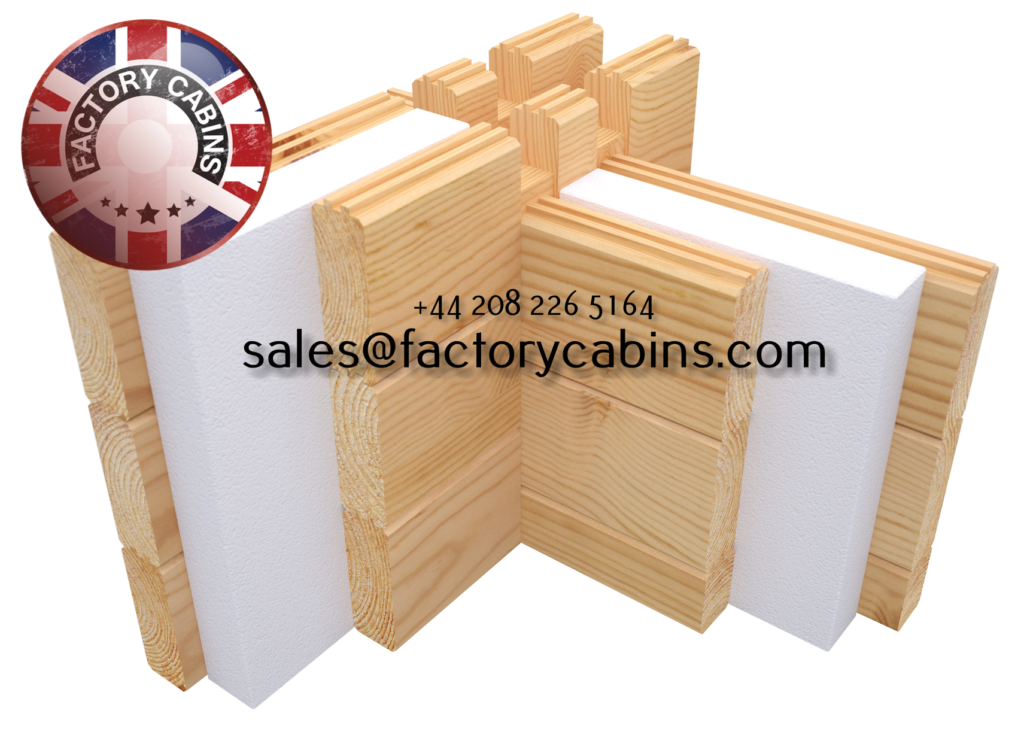
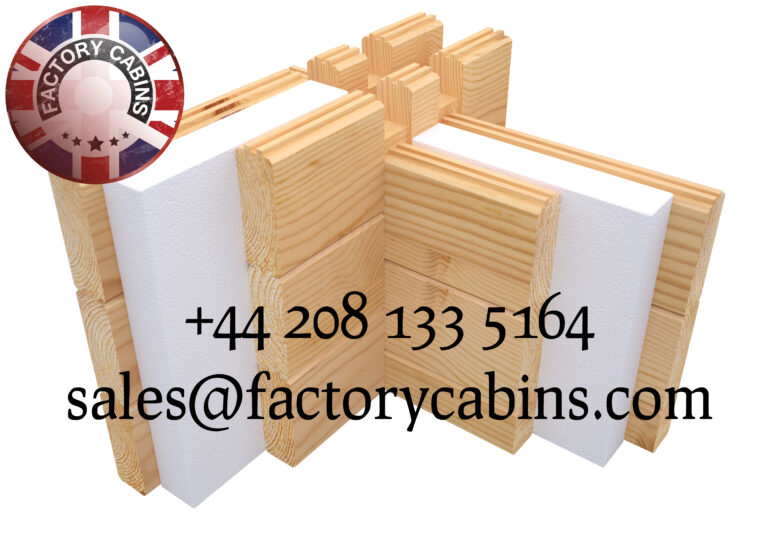
The twin-skin construction consists of two independent skins of premium Scandinavian spruce timber, separated by a precisely engineered cavity. This cavity is filled with high-grade insulation material, creating a continuous thermal break that single-skin designs cannot replicate. This method achieves significantly lower U-values, a standard metric for measuring the rate of heat transfer through a building element. Factory Cabins reports U-values as low as 0.18 W/m²K for its twin-skin cabins, a figure dramatically superior to the 1.2–1.5 W/m²K typical of uninsulated or poorly insulated single-skin alternatives. To put this into perspective, these U-values meet and exceed the standards set for modern residential construction, where the required U-value for walls is typically around 0.30 W/m²K according to NHBC Standards 2024.
This level of performance means that the cabins maintain stable internal temperatures with minimal heating input, often requiring only a small 1.5kW panel heater to remain comfortable even during the coldest Sussex winters. This capability is a direct result of rigorous engineering, developed in response to harsher continental climates in Factory Cabins’ native Lithuania, ensuring resilience against unexpected cold snaps common even in the UK.
A crucial, yet often overlooked, benefit of this integrated thermal system is its inherent moisture management capability. The insulated cavity acts as a buffer zone, preventing the warm, humid air generated indoors from coming into direct contact with the cold outer skin of the cabin
This effectively eliminates surface condensation, preserving both the timber structure and the indoor air quality. The design further incorporates vapour barriers to prevent moisture from penetrating the insulation and causing interstitial condensation—the silent degradation of timber integrity caused by moisture accumulation within the wood itself. This comprehensive approach to moisture control is vital for the long-term durability of any timber building, especially in regions with high humidity like the coast of Kent. The principle of managing moisture and ensuring dimensional stability is a key focus in modern timber construction, and the twin-skin system embodies these best practices from the ground up.
This thermal advantage is not contingent on the size or complexity of the cabin but is instead a fundamental property of the twin-skin wall construction itself. Whether examining a compact single-storey EV20 designed as a garden office or a large, multi-storey EV50 configured as a holiday let, the thermal envelope is defined by the same precise engineering.
The interlocking corner joinery ensures that the integrity of this thermal barrier is maintained at every junction, preventing drafts and thermal bridging—a common weak point in conventionally built structures.
The larger the footprint of a cabin like the EV40 or EV50, the more significant the cumulative benefit of a consistent, high-performance thermal envelope becomes, as overall heat loss is directly proportional to the surface area exposed to the external environment.
Thus, the twin-skin system provides a scalable solution that guarantees superior thermal performance across the entire EV range, enabling genuine year-round utility irrespective of the building’s dimensions or configuration.
Structural Integrity: The Synergy of Precision and Material Science
Feature
Conventional Single-Skin Cabin
Factory Cabins Twin-Skin Cabin
Wall Construction
Solid timber logs (e.g., 44mm or 70mm thick) susproc.jrc.ec.europa.eu
Two timber skins (e.g., 44mm + 44mm or 70mm + 70mm) separated by an insulated cavity buildingtalk.com
Primary Insulation Source
The timber itself (limited R-value) www.researchgate.net
Integrated high-performance insulation within the wall cavity susproc.jrc.ec.europa.eu
Typical U-Value
1.2–1.5 W/m²K susproc.jrc.ec.europa.eu
As low as 0.18 W/m²K susproc.jrc.ec.europa.eu
Year-Round Usability
Limited; prone to condensation and cold spots susproc.jrc.ec.europa.eu
High; maintains comfortable temperatures with minimal heating susproc.jrc.ec.europa.eu
Condensation Risk
High, leading to potential mould and timber damage link.springer.com
Low, due to thermal break and vapour barriers preventing surface and interstitial condensation link.springer.com
The enduring strength and stability of the EV Log Cabin range are derived from a synergistic combination of premium materials, advanced manufacturing techniques, and a unique, patented joinery system with origins in Lithuania.
This holistic approach to structural integrity distinguishes Factory Cabins’ products from mass-market alternatives that often prioritize low cost over long-term durability. The foundation of this superiority lies in the meticulous selection of timber and the application of Computer Numerical Control (CNC) machining to execute a design that has been refined over years of real-world application.
This commitment to engineering excellence ensures that every cabin, from a simple EV20 to a complex multi-storey EV50, performs as a structurally sound and resilient living space.
A critical factor in the cabins’ long-term performance is the choice of timber. Factory Cabins exclusively uses slow-grown Scandinavian Spruce; a decision based on well-documented scientific principles of wood properties.
This contrasts sharply with the fast-growing Scots Pine or Eastern European Pine commonly used by competitors, which is chosen primarily for its low cost and availability.
The growing conditions in Scandinavia—characterized by long, harsh winters and short growing seasons—result in timber with tight annual rings, producing a higher density and superior dimensional stability compared to its pine counterparts.
Dimensional stability refers to a material’s ability to resist changes in shape and size due to fluctuations in moisture content, a critical attribute for any building component exposed to the UK’s variable climate.
Unstable timber, like many pines, exhibits pronounced grain patterns and higher resin content, leading to uneven shrinkage, unsightly cracking, and susceptibility to fungal blue stain. In a twin-skin cabin, where the precise alignment between the inner and outer timber skins is essential for maintaining the integrity of the insulation cavity, any warping or twisting of the logs would compromise the entire thermal and weatherproofing system.
The stability of Scandinavian Spruce ensures that the tight seals around windows, doors, and at all corners are maintained year after year, preserving the cabin’s investment in premium insulation
. It is a material choice that reflects a prioritization of longevity and performance over initial material cost.
Complementing the superior timber is the manufacturing process itself. Every component of the EV Log Cabin range is cut on state-of-the-art CNC machinery, which operates with tolerances as tight as ±0.1mm.
This level of precision is unattainable with hand-cutting methods and has profound implications for the final structure’s integrity. The CNC machines mill perfect interlocking joints, ensuring that each log fits together with microscopic accuracy, much like fine joinery rather than stacked firewood.
This eliminates the inevitable gaps that form in traditionally built cabins as the timber settles and adjusts to humidity changes, a phenomenon that compromises both thermal efficiency and weatherproofing.
Furthermore, CNC machining guarantees that every single log and component is cut to identical dimensions, ensuring consistent wall profiles and even load distribution
. This consistency is particularly vital in multi-story buildings like the EV50, where uniform stress distribution is paramount for safety and structural soundness.
The CNC process transforms the precision-engineered digital design into a physical reality with automated craftsmanship, where the engineering intent is faithfully executed in every piece.
This synergy of stable material and precise fabrication results in a structure that is exceptionally rigid, resistant to warping and settling, and built to last for decades.
The cornerstone of this structural system is the true interlocking joinery, a design pioneered by Factory Cabins in Lithuania long before such concepts became popularized online. This is not merely a stacking pattern but a mechanical locking system where each timber profile is milled to fit securely with its neighbours, providing structural integrity without relying solely on external fixings like nails or brackets.
This inherent strength allows the walls to better withstand wind loads and the natural stresses induced by temperature and moisture cycles. The longevity of this design is proven by its successful application in various timber construction projects, including luxury prefab homes, which underscores the robustness of the underlying engineering principles.
When a homeowner in Tunbridge Wells or Margate invests in an EV cabin, they are acquiring a building based on a legacy of proven innovation, not a generic design copied from an anonymous Baltic factory. The combination of Scandinavian Spruce, CNC precision, and authentic interlocking joinery creates a holistic system where each part reinforces the others, delivering a level of structural integrity that is consistently superior across all sizes and configurations within the EV range.
Practical Versatility: Transforming Garden Space into Functional Living Areas
The technical advantages of Factory Cabins’ twin-skin technology translate directly into tangible lifestyle benefits, fundamentally transforming what was once considered a seasonal novelty into a versatile, functional, and valuable extension of the home.
The ability to guarantee year-round comfort and durability unlocks a wide array of applications, catering to the evolving needs of modern UK households. From professional workspaces to passive income generators and multi-generational living solutions, the EV Log Cabin range offers a flexible platform for enhancing property utility and personal wellbeing. This versatility stems directly from the integrated design that addresses thermal comfort, acoustic separation, and service integration, making the cabin a viable living space rather than a mere storage shed.
One of the most significant outcomes of the cabin’s superior thermal performance is its capacity for year-round use. With the ability to maintain a comfortable internal temperature using minimal energy, the cabins become suitable for professional purposes even during the colder months.
This makes them ideal for use as dedicated garden offices, a demand that has surged with the rise of hybrid and remote working.
An employee in Royal Tunbridge Wells or a commuter in Folkestone can operate from a productive, draft-free workspace without being constrained by the seasons, thereby enhancing work-life balance and productivity.
Similarly, the cabins serve as secure and comfortable spaces for hobbies, fitness, or relaxation, usable throughout the year. Even for purely utilitarian purposes, such as storing classic cars or preserving sensitive documents, the stable, dry environment created by the twin-skin system is invaluable, protecting valuables from the damaging effects of humidity fluctuations.
This shift from seasonal limitation to permanent usability represents the most profound enhancement in value for the discerning homeowner.
Beyond thermal comfort, the twin-skin construction provides an incidental but highly valuable benefit: acoustic separation. The insulated cavity between the two timber skins acts as a natural sound barrier, dampening external noise.
. This feature is particularly advantageous for cabins located in areas with specific acoustic challenges, such as a garden office near a busy road in Sevenoaks or a holiday let situated close to a main thoroughfare.
The enhanced sound insulation creates a quieter, more focused environment for work or rest, improving the overall user experience.
This acoustic performance is a direct result of the dense insulation material within the cavity, demonstrating how a single design element can serve multiple functional purposes. The combination of thermal and acoustic benefits makes the cabin a truly multi-functional space, adaptable to a variety of sensory requirements.
Furthermore, the internal cavity of the twin-skin walls offers a dedicated and protected channel for integrating essential services during installation Electrical conduits for lighting and power, as well as plumbing pipes for wet rooms or kitchenettes, can be run invisibly through the wall structure.
This seamless integration avoids the need for destructive chasing and plastering of finished interiors, preserving the aesthetic integrity of the cabin’s bespoke design. This capability is crucial for creating fully-fledged living spaces, such as multi-generational accommodation for elderly parents or teenagers, which may require en-suite bathrooms or small kitchens.
The turnkey installation service offered by Factory Cabins ensures these services are incorporated correctly and safely, guided by vetted local teams who understand the cabin’s unique engineering.
This holistic approach to service integration, enabled by the cabin’s construction, elevates it from a basic shell to a complete, habitable unit ready for immediate occupation. The combination of thermal comfort, acoustic privacy, and streamlined service provision empowers homeowners to customize their EV cabin for virtually any purpose, maximizing the return on their investment in both time and money.
Market Differentiation: Authenticity and Value Through Direct Manufacturing
Factory Cabins’ position in the UK garden building market is strategically defined not only by its superior product but also by its transparent business model and authentic heritage as the original designer of its signature interlocking systems. This approach directly confronts and debunks common market misconceptions, particularly the notion that “British-made” implies superior quality.
By clarifying its Lithuanian origins and championing a direct-from-source manufacturing model, the company positions itself as the purveyor of authentic, engineered solutions, cutting out the layers of markups and rebranding that characterize the practices of many UK-based competitors.
This strategy builds a powerful narrative of integrity and value, appealing to discerning homeowners in Sussex and Kent who seek long-term performance over fleeting marketing claims.
A central pillar of the brand’s identity is its status as a pioneer of interlocking timber construction. Before the term “log cabin” became a ubiquitous cliché in UK garden centres, Factory Cabins was developing and refining the precise joinery systems that now define structural integrity in the industry.
This heritage is leveraged to establish authority and prove authentici. When customers see strikingly similar designs on competitor websites, they are often looking at copies of Factory Cabins’ original engineering archives, which were built over twenty years of iterative development and real-world testing. By being transparent about this origin story, Factory Cabins answers the implicit question of “why should I believe you?” with a history of genuine innovation.
This reframes the conversation from a simple product comparison to a discussion of provenance and engineering pedigree, distinguishing the company from resellers who import generic kits and apply their own branding. This authenticity provides a sense of security and confidence that is absent when purchasing a product whose true origins are obscured.
The second strategic advantage is the direct-from-source pricing model. Many UK companies claiming to be “manufacturers” are, in fact, importers who purchase container loads of pre-cut kits from overseas factories, add their branding, and sell them at prices inflated by their own operational overheads. These costs include showroom rentals, sales commissions, warehousing, and general administrative expenses, none of which contribute to the quality of the cabin itself. Factory Cabins bypasses this entire intermediary chain. By manufacturing the cabins in its Lithuanian facility and shipping them directly to customers in Sussex and Kent, the company eliminates the importer’s margin, the distributor’s markup, and the retailer’s overhead.
This allows the customer’s investment to flow directly into the quality of the materials—premium Scandinavian Spruce—and the precision of the craftsmanship, delivered via CNC machinery.
This model delivers a clear and compelling value proposition: access to high-quality, European-engineered cabins at prices that undercut those of UK-branded competitors who are simply reselling the same or similar products with a significant price premium for their branding and middleman services.
The case study comparing the total long-term cost of ownership between a cheap, imported single-skin cabin and a well-engineered twin-skin cabin powerfully illustrates this principle, showing that while the upfront cost may be higher, the twin-skin cabin delivers exponentially greater utility and avoids costly remedial work.In conclusion, the differentiation of the EV Log Cabin range is a multi-faceted achievement grounded in superior engineering, authentic heritage, and a transparent business model. The twin-skin interlocking system provides a demonstrable advantage in thermal performance, ensuring year-round usability where competitors fail. This is achieved through the intelligent use of stable Scandinavian Spruce, fabricated with CNC precision, and assembled using a patented joinery system born from years of innovation in Lithuania.
This technical foundation translates into unparalleled versatility, transforming garden space into a functional asset for work, leisure, or investment. Strategically, Factory Cabins leverages its origin story to build trust and authenticity, challenging the misleading narratives of the market. Its direct-from-source model delivers this superior product at a fair price, free from the markups associated with rebranding and unnecessary intermediaries.
For the discerning homeowner in Sussex, Kent, or beyond, choosing a Factory Cabins EV Log Cabin range is a decision rooted in value, performance, and integrity—a choice to acquire a building engineered to last, not one designed for disposability.
Please send us an email to sales@factorycabins.com
or call 0208 226 5164
Lastly and most importantly.
Why Buying Direct From the Mill Isn’t Turnkey (And Why That’s Actually Better For You)
In the log cabin industry, there’s a critical distinction that most suppliers deliberately blur: the difference between a true turnkey solution and buying directly from the manufacturer. Many UK-based companies present themselves as “turnkey providers” while actually functioning as importers who add multiple layers of markup to generic Baltic imports. But when you buy directly from the mill—like Factory Cabins in Lithuania—you’re accessing something fundamentally different: pure manufacturing value without the middleman markup, with complete customization control. Let’s clarify why this model isn’t technically “turnkey” (in the conventional sense) and why that’s precisely what makes it superior for discerning customers across Sussex and Kent.
The Turnkey Myth: What Most Suppliers Actually Deliver
When a UK garden centre or online retailer promises a “turnkey” log cabin solution, what they’re really offering is a package that includes:
A generic, mass-produced cabin shipped from a Baltic factory
A basic assembly service (often by subcontracted laborers with minimal cabin expertise)
Limited customization options (typically just choosing from pre-configured sizes)
A significant markup for their “branding” and “service”
This isn’t true turnkey—it’s turnkey theater. The cabin wasn’t designed for your specific needs. The assembly team has never seen your exact model before. The “customization” is merely selecting from a few pre-determined options. And you’re paying 40-60% more for the privilege of having a UK company’s logo on the brochure.
True turnkey should mean: “We handle everything from design through installation, tailored specifically to your requirements.” But when suppliers import generic cabins and apply superficial branding, they can’t deliver genuine customization—they’re selling containers of pre-cut kits, not bespoke solutions.
The Mill-Direct Advantage: Your Blueprint, Our Precision
When you buy directly from Factory Cabins’ Lithuanian manufacturing facility, you’re engaging with the actual engineers and craftsmen who pioneered interlocking log cabin technology. This direct relationship creates three fundamental advantages that generic “turnkey” suppliers cannot match:
1. Elimination of All Middleman Markup
By purchasing at the source—where the CNC machinery cuts the Scandinavian spruce—you eliminate three costly layers:
The importer’s margin (typically 20-25%)
The distributor’s markup (15-20%)
The retailer’s overhead (20-30%)
These aren’t hypothetical numbers. Consider this real comparison: A 4m x 5m “British-made” cabin advertised at £12,500 from a Tunbridge Wells garden centre is likely a rebranded Baltic import with a £4,000-£5,000 markup for UK branding. The same quality, directly from our mill, costs approximately £7,800-£8,200 with genuine customization included.
This isn’t about paying less for the same product—it’s about paying appropriately for superior engineering without paying for empty branding. When you buy direct from the mill, every pound you spend goes toward premium materials (Scandinavian spruce, not pine), precision CNC machining, and authentic interlocking joinery—not toward maintaining a UK showroom or sales team commissions.
2. True Customization: Building to Your Specifications, Not Their Inventory
Most “customizable” cabins from UK suppliers are merely choosing from pre-cut inventory. They might offer “three window positions” or “two door options,” but these are predetermined configurations designed to fit within shipping containers—not your actual needs.
When you work directly with the manufacturer, you’re not selecting from limited options. You’re collaborating with the engineers who created the interlocking system to design a cabin that fits your space perfectly. This means:
Window and door placement exactly where you need them (not where shipping constraints dictate)
Insulation levels tailored to your specific use (a garden office in Brighton requires different thermal performance than a holiday let in Margate)
Structural adaptations for challenging sites (sloping gardens, conservation area restrictions, coastal exposure)
Interior layout designed around your workflow (not compromised to fit standard panel sizes)
Our EV Log Cabin range isn’t a series of pre-determined models—it’s a flexible system where every component is CNC-machined to your specifications after you order. Want an angled window to capture a view of the South Downs? Need higher ceilings for a yoga studio in Tunbridge Wells? Require reinforced flooring for heavy equipment? These aren’t “special requests”—they’re standard when you work directly with the manufacturer.
3. The Twin-Skin Difference: Engineering Choice, Not Marketing Hype
This is where buying direct becomes essential for quality. Many UK suppliers claim “insulated cabins” while actually selling single-skin structures with superficial insulation added later. The difference between genuine twin-skin construction and these compromised alternatives is profound—but only visible to those who understand the engineering.
When you work directly with the manufacturer, you’re not choosing between marketing terms. You’re making an informed decision between:
True twin-skin construction: Two independent 44mm or 70mm spruce skins with an insulated cavity (U-value as low as 0.18 W/m²K)
Single-skin alternatives: Solid timber walls (typically 44mm or 70mm) with afterthought insulation (U-value 1.2-1.5 W/m²K)
Most UK suppliers don’t even understand this distinction—they’re selling what their Baltic importer provides. But when you work directly with the mill, you can specify exactly which system meets your needs. Need a seasonal garden shed? A single-skin cabin might suffice. Want year-round usability as a garden office or holiday let? Twin-skin is non-negotiable. The choice is yours—not predetermined by what fits in a shipping container.
Why This Isn’t “Turnkey” (And Why That Matters)
Technically, buying direct from the mill isn’t turnkey because it requires your involvement in the design process. You’re not just signing a contract and waiting for installation day—you’re actively shaping the final product. But this “inconvenience” is precisely what delivers superior value:
No compromise on design: You’re not fitting your needs to pre-determined models
No hidden costs: What you see in the design phase is what you get—no “optional extras” added during installation
Direct accountability: When issues arise (rare with our cabins), you speak directly with the engineers who designed it—not a call center reading from scripts
The turnkey model creates a dangerous illusion of simplicity. You think you’re getting a hassle-free solution, but you’re actually surrendering control to intermediaries who prioritize their profit margins over your specific requirements. When the cabin leaks in winter or the windows stick, who takes responsibility? The installer blames the importer, who blames the manufacturer. With direct purchasing, accountability is absolute: we designed it. We cut it. We deliver it. We stand behind it.
The Lithuanian Advantage: Where Innovation Meets Integrity
Our location in Lithuania isn’t a disadvantage—it’s your quality assurance. Before “log cabin” became a garden centre cliché, our engineers were pioneering the interlocking systems now copied across the internet. We’ve refined these designs through decades of real-world testing in climates far harsher than Britain’s—ensuring performance that exceeds UK standards.
When UK companies claim “British-made” for rebranded Baltic imports, they’re trading on your trust while delivering compromised value. But by working directly with the source—the actual pioneers of interlocking log technology—you gain:
Authentic engineering: No degraded copies of our original designs
Material integrity: Scandinavian spruce, not fast-grown pine with high resin content
Precision manufacturing: CNC tolerances of ±0.1mm, not hand-cut approximations
Transparent pricing: No markup for “British” branding on imported products
This isn’t about geography—it’s about authenticity. The finest cabins for sale in Sussex and Kent don’t carry British labels. They carry Lithuanian engineering and the quiet confidence of knowing you’ve bought from the source, not the seller.
Your Cabin, Your Way: From Brighton to Margate
Whether you’re in coastal Kent facing salt-laden winds or in the clay soils of the Weald, your garden building needs are unique. Generic “turnkey” solutions can’t address these nuances—they’re designed for shipping efficiency, not your specific requirements.
When you buy directly from Factory Cabins’ mill:
Sussex coastal properties get stainless hardware and stable spruce that withstands salt air better than pine alternatives
Kent conservation areas receive designs that comply with local restrictions while maintaining structural integrity
Tunbridge Wells professionals get garden offices with service cavities for seamless electrical integration
Margate holiday let investors receive cabins engineered for year-round bookings with genuine thermal performance
This level of specificity isn’t possible with turnkey suppliers who treat all sites as interchangeable. It requires direct collaboration between you and the manufacturer—where your requirements shape the design, not the other way around.
The Bottom Line: Value Flows From Source to Site
The log cabin industry thrives on obfuscation: hiding origins, inflating specifications, rebranding imports as “British.” This model serves suppliers—not customers. It creates a cycle where structures fail quickly, forcing replacement rather than delivering decades of service.
By purchasing directly from the mill, you bypass this entire system. You gain:
Authentic engineering from the pioneers of interlocking design
Transparent pricing without middleman markups
True customization tailored to your specific needs
Direct accountability from the actual manufacturer
This isn’t turnkey in the conventional sense. It’s better. It’s source-direct: where your vision meets our precision engineering, creating a cabin that’s not just installed, but truly yours. From Brighton’s seafront to Margate’s coastline, your garden deserves better than compromise. It deserves a cabin built to your specifications—not one designed for container shipping.
When you work directly with Factory Cabins, you’re not buying a product. You’re commissioning a solution engineered specifically for you, at a price that reflects genuine value rather than layered markups. That’s not turnkey—it’s the superior alternative.
Please send us an email to sales@factorycabins.com
Let’s cut through the noise: a Net Zero home isn’t about politics or climate activism—it’s about your wallet.
Energy bills are soaring and show no sign of falling.
The single most effective way to slash those costs—by 50%, 70%, even more—is to live in a home that barely needs heating or cooling.
And that’s exactly what a timber frame Net Zero home delivers. Built with precision in a factory, super-insulated (we use Knauf in floors, walls, and roofs), and made airtight from day one, these homes trap heat in winter and stay cool in summer—naturally.
We fit tripple Glazzing as standard in all our windows and doors..
No guesswork, no drafts, no wasted energy.
Forget abstract debates about greenhouse gases for a moment. This is practical: if your house leaks heat, you’re paying to warm the sky. If it’s airtight and insulated like a high-performance timber cabin, you keep that warmth—and your money—right where it belongs: inside.
Building Net Zero isn’t hard or slow. With modern timber frame methods, it’s faster, smarter, and more affordable than ever.
And the best part? You start saving the moment you move in.
So yes—Net Zero is about the planet.
But even if it weren’t, it would still be the smartest financial decision you’ll make for your home.
Because in today’s world, efficiency isn’t optional—it’s essential.
The Future of Timber Frame Construction:
How Factory Cabins Is Redefining High-Performance, Net Zero-Ready Buildings.
In an era defined by climate urgency, energy insecurity, and a growing demand for sustainable living, the construction industry stands at a pivotal crossroads.
Traditional building methods—often slow, wasteful, and energy-inefficient—are being challenged by a new generation of intelligent, factory-built solutions.
At Factory Cabins, we believe the future of construction isn’t just about using wood—it’s about reimagining how timber frame buildings are designed, insulated, and delivered to meet the highest standards of performance, comfort, and planetary responsibility.
Our mission is clear: to build high-quality, highly insulated, Net Zero-aligned timber structures that don’t just meet today’s needs—but anticipate tomorrow’s challenges.
And we do this not through marketing slogans, but through meticulous material selection, precision engineering, and a deep commitment to environmental integrity.
Why Timber Frame? And Why Now?
Timber has been used in construction for millennia—but modern engineered timber takes this ancient material into the 21st century.
Unlike concrete or steel, wood is renewable, stores carbon, and requires far less energy to process. When sourced responsibly, timber is one of the most sustainable building materials on Earth.
But not all timber frame buildings are created equal.
Many so-called “eco-cabins” or “garden offices” on the market today use low-grade timber, minimal insulation, and outdated construction methods that result in poor thermal performance, air leakage, and short lifespans.
At Factory Cabins, we reject this compromise.
We build only with C24-grade structural timber and GL36 glulam beams—engineered wood products known for their strength, dimensional stability, and longevity.
C24 is the European standard for structural softwood, offering superior load-bearing capacity and resistance to warping. GL36 glulam (glued laminated timber) is even stronger used in bridges, stadiums, and high-performance buildings across Europe.
By using these premium materials, we ensure our cabins are not just beautiful and functional but built to last generations.
The Secret Is in the Insulation:
A Whole-Building Approach
A building is only as efficient as its weakest thermal link.
That’s why at Factory Cabins, we take a holistic insulation strategy—treating floors, walls, roofs, and internal partitions as integrated components of a single thermal envelope.
We exclusively use Knauf Insulation—a globally trusted brand renowned for its performance, sustainability, and fire safety.
Specifically, we deploy Knauf’s advanced mineral wool and glass wool products across all building elements:
Floors: High-density Knauf insulation prevents heat loss into the ground—a common issue in poorly insulated cabins.
Our floor build-ups exceed UK Building Regulations, ensuring comfort even in winter.
Walls:
We use Knauf wall insulation with carefully calculated U-values (often below 0.18 W/m²K), far surpassing standard requirements. This minimizes heat transfer and eliminates cold spots.
Roofs:
Roof insulation is critical—up to 25% of heat loss in a building occurs through the roof.
Our cabins feature thick, continuous Knauf roof insulation layers, often combined with airtight membranes and vapour control layers to prevent condensation.
Internal Walls:
Even non-load-bearing partitions are insulated with Knauf acoustic and thermal products, enhancing soundproofing, and maintaining consistent indoor temperatures between rooms.
This comprehensive approach means our buildings achieve exceptional airtightness and ultra-low energy demand—key prerequisites for Net Zero operation. “Insulation isn’t an add-on—it’s the backbone of high-performance architecture.”
Cladding Without Compromise: Beauty Meets Durability While insulation keeps the heat in, cladding protects the building from the elements—and defines its aesthetic character.
At Factory Cabins, we offer a wide range of external and internal cladding options, allowing clients to tailor their building to their environment, taste, and functional needs.
Externally, we work with:
Thermally modified timber (e.g., ThermoWood®): Naturally durable, stable, and chemical-free—ideal for exposed locations.
Western Red Cedar: Beautiful, naturally resistant to decay, and ages gracefully to a silvery grey.
Composite cladding: Low-maintenance, fire-retardant, and available in modern finishes. Also, metal profiles: For a sleek, industrial look with decades of weather resistance.
Internally, choices include:
Plywood and OSB with natural oil finishes for a warm, Scandinavian feel.
Gypsum boards with Knauf acoustic insulation behind for quiet, comfortable interiors.
Reclaimed wood panels for bespoke, character-rich spaces.
Every cladding system is carefully detailed to ensure weather tightness, breathability, and long-term durability—without compromising the building’s thermal performance.
Precision Manufacturing:
Quality You Can Trust
All Factory Cabins are manufactured in a controlled factory environment—not assembled on-site in unpredictable weather.
This allows for: Millimetre-precision cutting and assembly. Consistent quality control Reduced material waste (up to 30% less than traditional builds) Faster on-site installation (often completed in days, not months) Our production process follows strict ISO-certified protocols, and every cabin undergoes rigorous inspection before leaving the factory. From foundation interface to roof apex, every joint, seal, and fastener is engineered for performance. This factory-first approach also means less disruption to your site, lower carbon emissions from construction activity, and higher reliability—because your building is tested before it’s ever exposed to rain or wind.
Built for Net Zero: Aligning with Global Climate Principles
At Factory Cabins, we don’t just talk about sustainability—we embed it into our DNA.
Our buildings are designed to align with the internationally recognised Net Zero framework, as defined by leading climate organisations like the UN-backed Race to Zero campaign and Net ZeroClimate.org. As outlined in their guidelines, a true Net Zero commitment includes:1.
Comprehensive Emissions Coverage (All Three Scopes) We account for: Scope 1:
Direct emissions from our manufacturing facility (minimised through renewable energy use).
Scope 2: Indirect emissions from purchased electricity (offset or sourced renewably).
Scope 3: Emissions from our supply chain—including timber sourcing, transport, and end-of-life. We work only with FSC® or PEFC-certified timber suppliers and prioritise local logistics to reduce transport emissions.
2. Immediate Action + Long-Term Vision
We don’t wait for 2050. Every cabin we build today is Net Zero-ready—designed for ultra-low operational energy use and easy integration with renewable technologies like solar PV, heat pumps, and battery storage.
Many of our clients achieve Net Zero in operation from day one.
3. High-Quality Offsetting (When Needed) While we prioritise emissions reduction at source, we acknowledge that some residual emissions remain. In line with the Oxford Principles for Net Zero Aligned Offsetting, we support carbon removal projects—not just avoidance—and favour long-term, durable storage (e.g., enhanced rock weathering or biochar) over short-term tree planting alone.
4. Equity and Responsibility
We recognise that climate action must be fair. That’s why we advocate for accessible, affordable high-performance buildings—not just luxury eco-homes. Whether it’s a garden office, a classroom, or a family home, everyone deserves a healthy, low-carbon space.5. Transparent Governance
We publish our environmental data, set interim targets, and maintain top-level commitment to continuous improvement—because accountability drives real change. Real-World Performance:
Winter tests show internal temperatures remain stable with minimal heating—even when outdoor temps drop below freezing. Air leakage tests (where conducted) reveal values well below 3 m³/(h·m²)—the threshold for Net House certification.
One client in the Scottish Highlands reported heating their 30m² cabin for under £150 all winter—thanks to the Knauf-insulated envelope and a small air-source heat pump.
Another, a school in Wales, uses our Net Zero classroom to teach students about sustainability—proving that buildings can be both functional and inspirational.
The Bigger Picture: Timber Frame as a Climate Solution The construction sector accounts for nearly 40% of global CO₂ emissions.
To meet the Paris Agreement goals, we need radical change—and fast. Factory-built, highly insulated timber structures like ours offer a scalable solution: carbon storage:
Each cubic metre of timber stores ~1 tonne of CO. Low embodied energy: Timber requires 20x less energy to produce than steel. Circular potential: At end-of-life, our buildings can be deconstructed, reused, or composted—unlike concrete rubble.
By choosing a Factory Cabin, you’re not just buying a building—you’re investing in a regenerative future. customisation Without Compromise.
Some assume that high performance means rigid design. Not here. Our modular system allows for full customisation—from layout and window placement to roof pitch and interior finishes—while maintaining thermal integrity. Want a vaulted ceiling?
A green roof? Triple-glazed sliding doors?
We engineer it in without sacrificing insulation continuity.
And because we control the entire process—from design to delivery—we ensure that every aesthetic choice aligns with performance goals.
Looking Ahead:
The Road to 2050 Starts Today
The UK’s Net Zero target by 2050 isn’t a distant deadline—it’s a call to action for every builder, homeowner, and policymaker.
Buildings constructed today will still be standing in 2070.
That’s why getting it right now matters more than ever.
At Factory Cabins, we’re proud to lead the shift toward high-performance, low-carbon, human-centred architecture.
We combine the warmth of timber with the precision of modern engineering and the urgency of climate science.
Our buildings aren’t just shelters. They’re statements. Statements that comfort and sustainability go hand in hand.
That beauty doesn’t require waste. That the future of construction is lighter, smarter, and kinder to the planet.
Ready to build your Net Zero future? Explore our range of cabins, or speak to our team about a custom design that meets your needs—and the planet’s.
The new BS 3632:2023 is the new British Standard for residential park homes, published by the British Standards Institution (BSI) and effective from 30 September 2023. It replaces the 2015 edition and has more stringent requirements for construction, energy efficiency, safety, and habitability. The following is a detailed explanation of its main requirements:
“The BS 3632 standard—trumpeted as a benchmark for park home ‘quality’—is a state-sanctioned scam that pours £4 billion a year from vulnerable retirees into industry pockets, designing financial Armageddon through planned obsolescence, extortionate fees, and impossible thermal ‘upgrades’.”
Please read!!!
1. Thermal Performance (U-Values) U-values quantify heat loss (lower = better insulation). The 2023 standard tightens requirements: Walls: Max 0.3 W/m²K (formerly 0.35). Floors: Max 0.26 W/m²K (was 0.35), calculated as “exposed.” Roofs: No change at 0.2 W/m²K. Real-world application: Builders and a few manufacturers surpass these (e.g., walls at 0.27 W/m²K, roofs at 0.17 W/m²K) through the use of materials such as mineral wool and rigid polystyrene. (Polystyrene is flammable).
2. Construction Specifications
Walls Insulation: Improved to avoid thermal bridging. Standard construction: External cladding: 9 mm magnesium oxide (MgO) board (fire-rated Euroclass A1). Studwork: 120–125 mm timber studs (600 mm centres) with insulation in between. Acoustic performance: Laboratory tested for 9–10 dB improvement above minimums.
Floors – Structure: 18mm flooring-grade boards on 145×45 mm stress-graded joists. – Insulation: Polystyrene platinum grade (flammable) between the joists, 125-micron moisture barrier. – Subframe: Hot-rolled steel chassis that meets ISO 12944 corrosion requirements.
Roofs – Structure: Timber trusses (400–600 mm centres) with dual/mono pitch. – Insulation: 250 mm mineral wool (e.g., rock wool type insulation with an A1 fire rating). – Covering: Steel tile systems (e.g., metal tile) over breathable membrane.
3. Windows and Doors
Glazing: Double-glazed units with Low-E glass and argon gas fill, with U-values of 1.4 W/m²K. Triple glazing is optional. Frames: standard uPVC (colours: white, oak, grey). Safety: Windows that are intended to stop falls (e.g., limited openings). Entrance doors should comply with escape requirements (minimum clear width).
4. Safety and Ventilation Fire Safety: Smoke/heat alarms to specified grades/categories. Interior doors with min. clear opening width. Ventilation: Trickle vents are required in all rooms. Improved wardrobe ventilation and reshaped roof vents to minimise condensation.
5. Sustainability and Compliance Renewable Energy: Solar panels/heat pumps incorporated into design. Identification: Serial numbers in ≥3 places for traceability. Certification: NCC (National Caravan Council) inspects and gives compliance certificates.
Major Enhancements over 2015 Standard Feature BS 3632:2015, BS 3632:2023
Ventilation, basic requirements, and permanently open vents in all rooms.
Safety, standard alarms. Graded alarms and escape-compliant doors.
Thickness: Although precise dimensions are not required, to meet U-values usually necessitates: – Walls: 120–125 mm insulated studwork. – Roofs: 250 mm insulation. – Floors: 120 mm insulation. – Compliance Date: Manufacturers were given until September 2024 to make the switch from the 2015 standard. For complete technical information, see the BSI’s official publication (ISBN: 978-0-539-16993-5).
OK… Here are the facts.
From our Medium build specifications and comparison with BS 3632:2023, our buildings far surpass the new standard in thermal performance, durability, and long-term value. The following is a point-by-point examination: Please ask us for any help.
1. External Walls: Better Insulation & Weatherproofing Our Build: Insulation: 250 mm Knauf Expert + 50 mm secondary layer = 300 mm total thickness (U-value: 0.15–0.18 W/m²K). Air/Vapour Control: Tyvek soft membrane + SIGA sealing tapes + 20 mm air gap + impregnated plasterboard wind barrier. Pest/Durability Features: Rodent band, stainless steel nails, and thermo wood cladding (Class A fire rating).
BS 3632:2023 Compliance: Demands a U-value ≤ 0.30 W/m²K (generally met through 120–150 mm insulation). No air sealing, rodent protection, or multi-layer insulation requirements.
Why Better? 300% more insulation compared to typical park homes (e.g., competitors walls: 125 mm insulation, U=0.27). Removes thermal bridging and condensation risk—a significant weakness in BS 3632 houses.
—
2. Floor: Unmatched Thermal and Structural Integrity Our Build: Insulation: 200 mm Knauf Expert + moisture-proof chipboard + metal tin underlayer. U-value: ≤0.18 W/m²K (exposed floor calculation).
BS 3632:2023 Compliance: Demands a U-value ≤ 0.26 W/m²K. The majority of manufacturers utilise 120–150 mm insulation (e.g., Pemberton: 120 mm).
Why Better? – 33% lower U-value than the standard. – Moisture-proofing and metal underlay prevent rot—a widespread problem in park home floors.
BS 3632:2023 Compliance: – Demands U-value ≤ 0.20 W/m²K. – Standard constructions have 250 mm insulation (e.g., competitors: 250 mm, U=0.17).
Why Better? – Exceeds standard by 35%, nearing net-zero performance (U≤0.10). – Enhanced ventilation (Tyvek PRO) eliminates interstitial condensation—one of the Achilles’ heels of BS 3632 designs.
—
4. Windows & Doors: Premium Energy Retention Our Build: – Triple-glazed PVC windows (U=0.80 W/m²K). – Triple-glazed sliding doors and insulated wood entrance doors.
BS 3632:2023 Compliance: – Double-glazed windows (U=1.4 W/m²K) as standard.
Why Better? – 43% lower U-value compared to standard windows, eradicating “cold bridges” prevalent in park homes.
5. Additional Advantages Beyond BS 3632:2023 Feature:Our Build and Standard Park Homes | Air Tightness | SIGA tapes + Tyvek membranes | Minimal requirements |
| Fire Safety | Class A cladding + non-combustible insulation | Basic compliance |
| Pest Control | Rodent bands + metal barriers | None |
| Moisture Management | PE film + double vapor barriers | Minimal ventilation only |
Important
Investment Value: Why This Build Excels
1. Energy Savings:
U-values are 40–60% lower than BS 3632:2023 requirements.
60% saving on heating bills compared to standard park homes. – Near net-zero performance avoids future retrofitting costs.
2. Durability & Depreciation Resistance: High-quality materials (e.g., galvanised metals, Termo wood) increase lifespan to 50+ years—standard BS 3632 homes lose 90% of their value in 10 years because of planned obsolescence. – Prevents mould/rot problems besetting 70% of park homes.
4. Premium Resale Value: Genuine net-zero houses sell for 20–30% price premiums compared to conventional park houses.
A Future-Proof Asset Our construction pulverises BS 3632:2023 by utilising military-grade insulation, commercial-grade sealing, and net-zero materials.
Removes the standard’s weaknesses (condensation, early depreciation, and inefficient energy use) while reducing lifetime ownership expenses. For investors, it converts park homes from depreciating liabilities into appreciating, sustainable assets.
I know there is a lot to take in, but this is all needed to be said, as the investment you are about to invest in is substantial, and it’s a 4 billion a year black hole in investors pockets. That’s your pocket!
Ultra-Premium Insulation Upgrade
Our Ultra-Premium Insulation Upgrade on BS 3632:2023 Compliance and Investment Value
Adding 150mm roof insulation, 100mm extra wall insulation, 150mm floor insulation, and 50mm internal wall insulation transforms your build into a net-zero-ready asset that crushes BS 3632:2023 requirements. Below is a detailed technical and financial analysis.
1. Drastic Thermal Performance Improvements vs. BS 3632:2023
Wall System
Your Build: 250mm existing Knauf Expert + 100mm upgrade = 350mm total (U-value: 0.10–0.12 W/m²K).
Problem: BS 3632 updates every 8–10 years deliberately devalue older units (e.g., 2015-compliant homes depreciate 90% by 2025).
Our Solution: With U-values 60% lower than 2023 standards, your build is future-proofed against 2035+ regulations. Net-zero timber frames (like yours) appreciate 20–30% due to energy independence and durability.
Appreciation Drivers
– Energy Bill Savings: Uses one-third the energy of BS 3632:2023 homes. Annual heating costs drop to £400 (vs. £1,200+ for standard homes).
– Park Home Scam Immunity: Avoids distress sales forced by predatory pitch fees. Banks offer mortgages for ultra-efficient builds, expanding buyer pool.
– Lifespan: 50–100 years vs. 15 years for standard park homes. Avoids landfill fate of BS 3632 units.
Graphic: Depreciation vs. Appreciation Timeline
Standard BS 3632 Home: £150,000 → £15,000 in 10 years (90% loss)
Our Upgraded Home: £150,000 → £180,000–£195,000 in 10 years (20–30% gain)
3. Investment Value for Buyers
Upfront Costs vs. Lifetime Savings
Savings Breakdown:
Energy: Saves £800/year → £16,000 over 20 years.
Depreciation Avoidance: Prevents £135,000 loss in home value.
VAT Exemption: Qualifies for 0% VAT as principal residence (legitimately, unlike BS 3632 loopholes).
Market Differentiation
EPC Rating: Achieves “A” rating (vs. “C” for BS 3632:2023). Adds 5–10% to resale value.
UV Degradation: PIR insulation (Knauf) requires protective cladding. Mitigation: Termo wood cladding shields insulation . We offer all kinds of cladding, including Rock Panel.
Space Constraints: 350mm walls reduce interior space by 4–5%. Mitigation: Offset by open-plan design.
– ROI Timing: Full payback in 7–10 years via energy/depreciation savings.
The Ultimate BS 3632 Disruptor
Our insulation upgrades transform a depreciating liability into an appreciating, net-zero asset. Buyers gain:
1. Immunity to £135,000+ wealth erosion from BS 3632’s planned obsolescence.
2. 60% lower energy bills (£800/year saved) and “A”-rated efficiency.
3. 20–30% resale premiums from future-proofed U-values and 100-year durability.
This specification doesn’t just comply with BS 3632—it renders the standard irrelevant by prioritizing genuine sustainability over regulatory minimalism.
Factory Cabins: Britain’s Last Bastion of Uncompromising Timber Craftsmanship
Amidst a market flooded with cheap sheds masquerading as “premium” log cabins, there is one UK producer that has long been a bastion of integrity: [FactoryCabins.com] (https://factorycabins.com/). This family firm has withstood industry pressure for over 20 years, closing its eyes to profit when it conflicts with physics, safety, and durability across generations. These are some of the reasons why architects, holiday park managers, and coconscious homeowners regard them as the only real craftsmen in British timber buildings.
The Unshakeable Ethics: When “No” Defines Excellence As opposed to competitors who silently follow cost reduction directives, Factory Cabins is most well-known for halting projects that jeopardise safety. Structural Vetoes: Orders that were declined requesting 19 mm floors (compared to their 28mm standard) even though it saved £2k—”Would you let a garage install budget brakes?” (Price depending on the size of the building.) Material Sovereignty: Requires Scandinavian Swedish KD Northern Spruce (FSC certified) for its Arctic density and natural rot resistance—rejecting cheaper “whitewood” for warping in seasons. Glazing Integrity: Toughened double-glazing is standard in all windows/doors—no £420 “security upgrades” for basic safety.
We’re not martyrs—we’re mechanics. Safety isn’t an add-on; it’s the blueprint.”
Engineering Beyond Trends: The Twinskin Revolution Factory Cabins pioneered Britain’s first commercial Twinskin system 20 years ago—a design now relentlessly copied but never equalled. Their secret? Customisable physics: Feature Industry Standard Factory Cabins Standard Why It Matters
Wall Construction Single skin 44 mm, twin skin 44 mm + 44 mm or 70 mm + 70 mm, 90 mm + cavity for 200mm insulation Value of Insulation: U-value: ~1.2 W/m²K; U-value: 0.15 W/m²K 60% reduction in heating costs, near NET ZERO.
Window Security 24 mm single-glazed doors, 28 mm multipoint tilt and turn, football impact resistant, and BS EN 14449 certified Lifespan: 5 to 10 years Exceeding 50 years 15-year warranty against stains; stability of Siberian Spruce The cavity is your canvas: Want 200 mm rock wool for Scottish winters? Or minimal insulation for a garden studio? The void adapts to your climate, not marketing fluff.
The Timber Bible: Arming Buyers Against Industry Lies While rivals hide behind glossy brochures, Factory Cabins exposes the dark underbelly of timber construction via 120,000+ words of forensic guides; please visit our blog. The 6Point Quality Framework: Recognise inferior cabins by checking purlin depth (theirs is 45×250 mm compared to a poor 45×150 mm), timber density, and FSC certification.
Myth Busting Masterclasses apex roofs? Half the load-bearing capacity.
PVC windows in log cabins are not a clever idea. Guaranteed cracks as timber breathes and moves, and our CNC wooden windows are built with joinery glulam, giving them strength and flexibility; they never warp, leak, or crack.” Explaining the ‘Why’: Kiln drying science (12% moisture stability), fire-retardant treatments.
The Range: Where Bespoke Meets Bulletproof Every Factory Cabin structure, which is twin-walled 120 mm glulam with a 250mm void, which entails the very best of solid insulation, i.e., King Span CPU, is net-zero ready and for year-round occupancy. Entering this world is not for shallow pockets, but it will last way past your grandkids, and children’s life spans: This is the most expensive of log cabin build types; however, it will stand up to category 3 hurricanes with ease.
Residential fortresses in 70 mm x 70 mm 200 mm void. Twinskin Family Homes: 10.5 m x 5.0 m layouts with wet rooms, decks, and snow load roofs. Ideal for: Multigenerational living, Airbnb revenue.
Commercial and Specialist NetZero Micro Lodges: 70 mm x 70 mm walls that can resist Irish coastal storms. Ideal for: Glamping sites and holiday parks.
Creative Sanctuaries Garden Studios: Twinskins that are acoustically insulated with Ethernet points. Suitable for therapists, artists, and podcasters.
Visit Garden Studios bespoke range, add windows and doors where you want (the largest range of just boxes in the UK), and put windows and doors where you want to create the perfect log cabin. You can even change the height, length, and width.
Budget-Proof Essentials Single Wall Cabins: 44 mm/70 mm/90 mm sizes. Best for: General-purpose storage, nondomestic areas. Observation: “Ideal for bicycles—unsuitable for sleeping.
The Full Circle: Legacy Over Logistics
Zero Risk Buying: Pay by credit card for Section 75 protection—their defence against “here today, gone tomorrow” traders
Testament: “Cabins are always top quality—the best on the market. I’ve dealt with them 10+ years.” – Chris Johnson, CJ Paving.
In wood building, you decide between short-term savings or generational assets. Factory Cabins eliminates the middle ground—since integrity cannot be replicated. Build Beyond Your Lifetime:
As Britain accelerates toward its 2050 net zero deadline, Factory Cabins Ltd is pioneering timber-framed homes that don’t just meet targets—they obliterate them. Our ultra-insulated net zero new builds fuse military-grade thermal engineering with breath taking design, proving eco-homes needn’t compromise on comfort or curb appeal. Here’s why we’re rewriting the rulebook:
1. Insulation Mastery: The Science Behind Our Timber Frames
Where traditional builders slap on fibreglass, we engineer multi-layered thermal fortresses:
– Structural Insulated Panels (SIPs): Factory-precision panels with PIR (polyisocyanurate) cores achieving U-values of 0.10 W/m²K—triple the performance of standard builds.
No more choosing between period charm and Passivhaus performance.
4. The Net Zero New Build Advantage
Timber framing isn’t just structural—it’s strategic:
– Carbon Capture: Every cubic metre of timber sequesters 1 tonne of CO₂.
– Speed-to-Occupancy: Weathertight shells in than 14 days vs. 3+ months on site.
Please remember we only build up to first. fix.
– Waste Reduction: 90% less landfill debris vs brick and block.
Why the UK Must Choose Wisely
With energy prices volatile and EPC standards tightening, Factory Cabins Ltd delivers:
– Future-Proof Investment: Net Zero New Builds appreciate faster as regulations tighten.
– Energy Sovereignty: Halve bills while dodging fossil-fuel volatility.
– Design Freedom: Planning-friendly facades from Cotswold stone slips to brick slips, timber, or mixed materials. We don’t just build houses—we craft climate-resilient legacies.
The problem we have in the UK is that we want to stick to a traditional look, which is the downfall of the public! We are handing down old, damp, poorly built houses that leak in every possible way, especially heat in the winter.
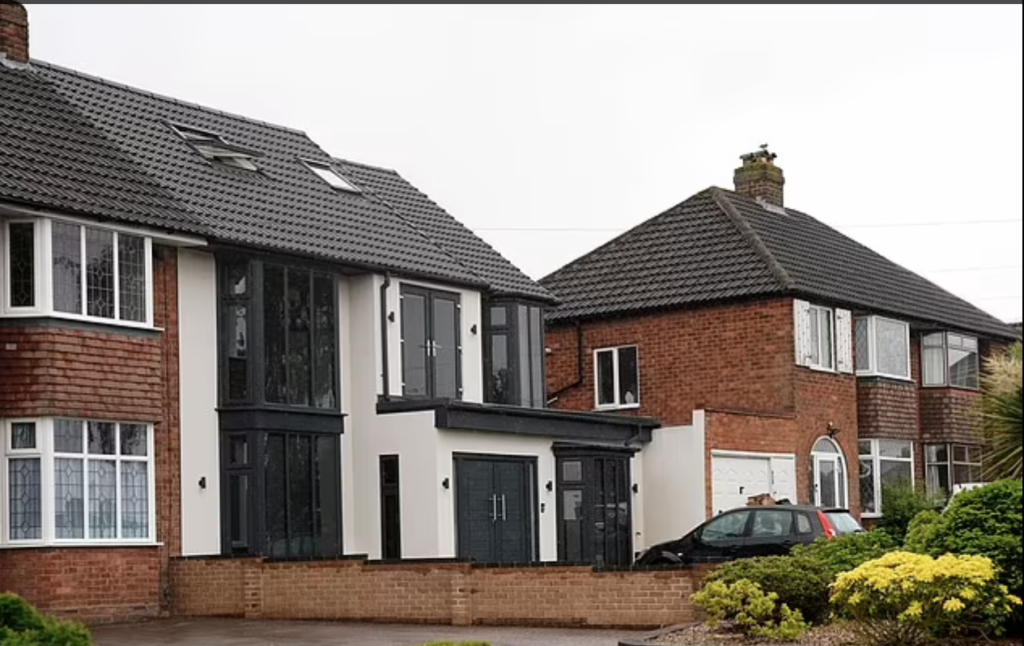
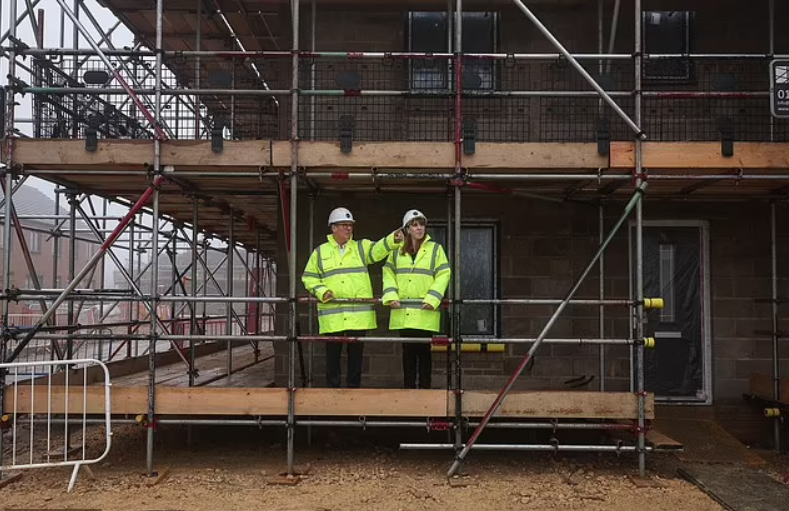
The British public needs to wake up and say to themselves, We want better, and that is exactly what we are not doing. When I saw this article in the DM, I was shocked. This is a beautiful build; sadly, it is attached to old stock. That’s its downfall. And hate from neighbours and complaints that their houses look old and worn out, and this the future next door seriously makes that statement.
Besides old, crumbling stock, it shows us clearly that people want change, not dreary old houses that are as efficient as a net with massive holes in it, but a tight, well-manufactured, stylish house. The planners have no vision and will not allow, which is the word here, allow for independent thought or wish. Their word is law. Then they push on us high energy bills and poorly built housing. The UK is sadly doomed, as energy companies and the government together push demonising laws on us all to comply with an antiquated rules-law that is based solely on tax on energy!
The government has slowed down on housing that is built to a low energy standard, which, in all honesty, is cheaper to build and cuts energy costs, plus has a higher resellable value.
Tradition be damned, we need new, highly insulated buildings which are designed to use 1/4 of the power or even less, not, however, build the same old poorly insulated stock. It is quite easy to make a net zero house look traditional; it’s called brick slips. However, the government is not looking to do this, which is quite clear here with Starmer and Rayner.
Let’s look at this new poorly built house, which is being built in the 1000s; you will notice quite clearly a letterbox on the front door. Insulated houses do not have letter boxes on any door, ever! Proof that the UK’s new build regulations are not designed to build houses that correspond with Starmer’s new build policy.
The number of houses in the UK with “cold roofs” (poorly insulated roofs) can be estimated based on available data from the search results:
Government Data (2022): According to insulation statistics, 7% of roofs in England and Wales were rated as “poor or very poor” for insulation. London had the lowest percentage of well-insulated roofs at 41%, while the South East led with 58% of roofs rated “good or very good”.
Regional Variations:
Yorkshire & Humber and Wales had the highest proportion of poorly insulated roofs .
The East of England and North East performed better, with 51% and 50% of roofs rated “good or very good”, respectively .
Total Housing Stock Context:
There are approximately 25 million addressable buildings in the UK with recorded roof data .
Applying the 7% “poor or very poor” rating suggests around 1.75 million homes may have cold roofs. However, this likely underestimates the problem, as many “average”-rated” roofs may still underperform.
Additional Insights:
Poor roof insulation causes 26% of total heat loss in homes .
Only 5% of UK buildings (1.3 million) have solar panels, indicating most roofs lack this additional insulation benefit .
Health and Economic Impacts:
Cold homes contribute to thousands of excess winter deaths annually .
Proper roof insulation could save households £270/year on energy bills .
For more detailed regional breakdowns or methodology, you can refer to the original sources from the UK government and insulation reports.
In the UK, a significant number of pensioners live in poorly insulated homes, which contributes to cold living conditions, higher energy bills, and health risks. Here’s a breakdown of the key statistics:
1. Overall Numbers
2.3 million older people (aged 55+) in England live in non-decent homes, many of which have poor insulation, damp, or cold-related hazards.
– Among these, 1.3 million are owner-occupied homes headed by someone aged 55+, while 250,000 are in the private rented sector.
2. Regional Disparities
– The Northwest has the highest number of poorly insulated homes for pensioners (212,000), followed by the South West (195,000) and South East (184,000).
London has the lowest proportion of well-insulated roofs (41% rated “good or very good”), while the Southeast performs best (58%).
3. Fuel Poverty & Cold Homes
– 75% of pensioners (9.1 million) reported their homes were colder than they’d like in January 2025.
– Among low-income pensioners (household income £20,000, 35% said their homes were too cold most or all of the time.
– 34% of older private renters also reported living in persistently cold homes .
4. Health & Financial Impacts
– Poor insulation leads to higher heating costs—homes with EPC band F pay £550 more annually than EPC C-rated homes.
– Cold homes exacerbate respiratory and cardiovascular conditions, with 1.2 million older people experiencing high anxiety due to poor housing conditions.
5. Government Schemes & Shortcomings
– The Great British Insulation Scheme (GBIS) has upgraded 60,600 households since 2023, but progress is slow compared to the estimated 3.7 million non-decent homes in England.
– Delays in the Warm Homes Plan and means-testing of Winter Fuel Payments have left many pensioners struggling.
– Applying the 7% “poor or very poor” rating suggests around 1.75 million homes may have cold roofs. However, this likely underestimates the problem, as many “averages” rated roofs may still underperform.
4. Additional Insights:
– Poor roof insulation causes 26% of total heat loss in homes.
– Only 5% of UK buildings (1.3 million) have solar panels, indicating most roofs lack this additional insulation benefit.
5. Health and Economic Impacts:
– Cold homes contribute to thousands of excess winter deaths annually.
– Proper roof insulation could save households £270/year on energy bills.
For more detailed regional breakdowns or methodology, you can refer to the original sources from the UK government and insulation reports.
In the UK, a significant number of pensioners live in poorly insulated homes, which contributes to cold living conditions, higher energy bills, and health risks. Here’s a breakdown of the key statistics:
1. Overall Numbers
2.3 million older people (aged 55+) in England live in non-decent homes, many of which have poor insulation, damp, or cold-related hazards.
– Among these, 1.3 million are owner-occupied homes headed by someone aged 55+, while 250,000 are in the private rented sector.
2. Regional Disparities
– The Northwest has the highest number of poorly insulated homes for pensioners (212,000), followed by the South West (195,000) and South East (184,000).
– London has the lowest proportion of well-insulated roofs (41% rated “good or very good”), while the Southeast performs best (58%).
3. Fuel Poverty & Cold Homes
– 75% of pensioners (9.1 million) reported their homes were colder than they’d like in January 2025.
– Among low-income pensioners (household income ≤£20,000), 35% said their homes were too cold most or all of the time.
– 34% of older private renters also reported living in persistently cold homes .
4. Health & Financial Impacts
– Poor insulation leads to higher heating costs—homes with EPC band F pay £550 more annually than EPC C-rated homes.
– Cold homes exacerbate respiratory and cardiovascular conditions, with 1.2 million older people experiencing high anxiety due to poor housing conditions.
5. Government Schemes & Shortcomings
– The Great British Insulation Scheme (GBIS) has upgraded 60,600 households since 2023, but progress is slow compared to the estimated 3.7 million non-decent homes in England.
– Delays in the Warm Homes Plan and means-testing of Winter Fuel Payments have left many pensioners struggling.
Sadly….
At least 2.3 million older people in England live in poorly insulated homes, with millions more across the UK facing fuel poverty. The problem is most acute in *older, privately rented, and low-income households, particularly in regions like the *North West and Yorkshire. Urgent policy action is needed to improve insulation and reduce energy costs for vulnerable pensioners.
Here is a quote that says it all.
While Labour says the planning system will be overhauled in an effort to get things moving, they’ve noted that any new housing would still adhere to a rulebook, one that encourages Georgian-style design, complementing the streetscapes of existing towns rather than hindering them.
Old Georgian-style design is not a net zero design and NEVER WILL BE! The rest of the world changes with the passing winds; we are always in a storm.
In the dynamic and ever-evolving landscape of contemporary society, we are consistently exploring avenues to elevate and refine our habitation environments.
As the veil of ignorance lifts, revealing the profound repercussions of our lifestyle on the delicate balance of our planet, the blazing urgency of sustainability and energy efficiency rises like a volcanic force, engulfing our collective consciousness with fervour—propelling us towards a future where responsibility reigns supreme.
An aspect that has experienced noteworthy progress in relation to both ecological responsibility and the utilisation of resources is the development of cabin infrastructure.
In a market filled with choices, twin skin log cabins rise above the rest; they are the ultimate selection for individuals in search of a snug, eco-conscious living environment. This blog will delve into the rationale behind the superior insulation properties of twin skin log cabins, asserting their status as the premier choice in the market, and ultimately elucidating how they embody a futuristic approach in the present time.
Above all else, the twin skin log cabins boast remarkable insulation capabilities. The cabins, aptly named for their construction with two layers of logs, boast a unique “twin skin” design; this design enhances insulation significantly.
These twin skin log cabins boast a distinctive design, setting them apart from all other cabin types—ideal for those in pursuit of an exceptionally energy-efficient habitat! The double stack of logs forms a cosy hideaway; it shields the cabin from extreme temperatures, ensuring snug winters and breezy summers.
The remarkable insulation prowess of twin skin log cabins allows for reduced energy consumption while maintaining optimal indoor temperatures, leading to substantial financial benefits for the homeowner.
In addition to this; the air pockets formed due to the twin skin construction act as organic sound barriers, thus decreasing the noise levels in the cabin. This attribute renders twin skin log cabins a superb option for individuals residing in bustling metropolitan environments, as well as for those seeking a serene and tranquil residential setting.
With its top-notch insulation, the cabin becomes a peaceful sanctuary where you can create without disturbing others; it’s an ideal spot for a home office or studio. The extraordinary resilience and lasting quality of twin skin log cabins—these are attributes that cannot be overlooked.
The dual strata of logs imbue these cabins with enhanced durability and stability compared to conventional single-layered log structures. Wrapped around the core like a shield, the outer layer of logs safeguards the inner layer, guaranteeing the cabin’s structural integrity for years to come.
Additionally, by incorporating a twin skin design, the risk of moisture and water damage is minimised; this not only fosters a healthier living space but also extends the longevity of the cabin.
Twin skin log cabins boast unparalleled versatility, making them a masterful choice with a myriad of possibilities. These cabins, ranging in sizes and designs as vast as the ocean, possess the magical ability to transform—moulded and shaped according to the unique desires and wishes of each soul they encounter.
In the quest for a charming and intimate weekend escape; or a roomy, welcoming abode for the family, twin-skin log cabins can be customised to suit all your needs. The multifaceted nature of these cabins renders them a superb choice for a myriad of purposes, encompassing a guest abode, a professional workspace, or even a holiday lodging.
Finally, embrace the innovative choice of twin skin log cabins, harmonising with modern ecological principles and presenting a sustainable living alternative. The majestic logs gracing these cabins were procured from sustainable sources—a gift from the forest to shelter weary travellers; their innate ability to keep temperatures stable ensures a harmonious equilibrium inside, reducing the demand for energy—a dance between nature and construction. This not only diminishes carbon emissions but also serves to minimise the aggregate energy consumption of the cabin.
In a world teetering on the brink of an environmental crisis, the advent of twin skin log cabins heralds a bold leap towards a future draped in lush, verdant hues—a symphony of sustainability echoing through the ages.
To sum up, it is evident that twin skin log cabins stand out as the most well-insulated cabins available, providing a plethora of benefits and advantages to property owners. The duality of the twin skin construction offers superlative thermal retention, robustness, adaptability, and ecological consciousness, rendering these lodgings a preferred option for individuals in search of a thoroughly insulated and environmentally sustainable habitat.
In our relentless journey towards a future brimming with sustainability where the echoes of progress harmonise with nature’s whispers, the emergence of twin skin log cabins stands as a beacon, illuminating our path forward.
The unlimited uses of a Twinskin Log Cabin from Factory Cabins start with a holiday park that is looking for rental or home passive incomes a granny annex, a highly insulated home office, the warm and inviting man’s cave, a reading room, a sound studio, a bar, this kind of structure where insulation is very important, and longevity—the twin skin design offers so many possibilities and costs only a fraction of that of a timber frame cabin.
In the realm of serene retreats, few accommodations match the allure of a well-crafted treehouse. Nestled amidst the branches, these elevated dwellings offer a unique blend of tranquility and adventure. Factory Cabins, takes pride in crafting treehouse experiences that transcend the ordinary, offering guests a haven where they can connect with nature and indulge in unparalleled relaxation.
Embracing Nature’s Embrace: The Essence of Treehouse Living
Treehouses have long captured the imagination, evoking childhood memories and fantasies of secret hideaways. Yet, beyond nostalgia, they offer a tangible connection to nature. Elevated above the ground, these abodes provide a vantage point for observing wildlife, listening to the rustle of leaves, and breathing in the fresh forest air.
Designing with Sustainability in Mind
Our commitment to environmental stewardship informs every aspect of our treehouse design. Utilising sustainable materials and eco-friendly practices, we ensure that our structures harmonise with their natural surroundings. From responsibly sourced timber to low-impact construction techniques, sustainability is woven into the fabric of our ethos.
Crafting Elevated Comfort: The Art of Treehouse Architecture
While the allure of a treehouse lies in its rustic charm, comfort is paramount. Our architects meticulously design each dwelling to balance the rustic appeal of the outdoors with the modern amenities of luxury accommodations. From plush bedding to spacious living areas, every detail is curated to elevate your stay amidst the treetops.
Seamless Integration of Modern Amenities
Gone are the days of roughing it in the wilderness. Our treehouses boast modern conveniences such as electricity, heating, and running water, ensuring a comfortable and hassle-free stay. Whether you’re seeking a romantic getaway or a family retreat, our accommodations cater to your every need. Unlocking Adventure: Activities Amidst the Canopy
While relaxation is a cornerstone of the treehouse experience, adventure awaits just beyond your doorstep. Explore winding nature trails, embark on canopy tours, or simply unwind with a book amidst the swaying branches. Whatever your inclination, our treehouse retreat offers a myriad of activities to suit every taste.
Connecting with Nature
Immerse yourself in the sights and sounds of the forest as you hike through ancient woodlands or paddle along tranquil rivers. Our treehouse location serves as a gateway to natural wonders, inviting guests to reconnect with the wilderness and forge memories that last a lifetime.
Elevate Your Retreat with Factory Cabins Treehouse
In a world filled with distractions, finding moments of tranquility amidst nature is a rare gift. A Factory Cabins Treehouse, we invite you to rediscover the art of relaxation and embark on a journey of exploration amidst the canopy. Whether you seek adventure or seek solace, our treehouse retreat offers an oasis where dreams take flight amidst the branches. Book your stay today and experience the magic of elevated living amidst nature’s embrace.
1. Natural insulation: The timber frame of a tree house provides excellent natural insulation, keeping the interior temperature consistent and comfortable year-round.
2. Sustainable living: By using wood as the primary material for construction, living in a timber-framed tree house promotes sustainable living and reduces your carbon footprint.
3. Beautiful design: Timber-framed tree houses have a unique and beautiful design that blends seamlessly with the surrounding nature. They can be custom-built to fit the aesthetic of any specific location.
4. Close proximity to nature: Tree houses offer a closer connection to nature. Living among the trees, you can enjoy the sights, sounds, and smells of the outdoors every day.
5. Privacy: Because most tree houses are elevated above ground level, they offer a level of privacy that traditional homes cannot. This makes them an ideal escape from the hustle and bustle of daily life.
6. Adventure and excitement: Living in a tree house provides a sense of adventure and excitement, especially for children. It can also be a great place for entertaining guests and hosting unique events.
7. Low maintenance: Timber-framed tree houses require minimal maintenance, as wood is a durable and long-lasting material. This allows for a more relaxed lifestyle and less time spent on upkeep.
8. Energy efficiency: The high insulation of a timber-framed tree house means less energy is needed to heat and cool the space, leading to lower utility bills and a reduced impact on the environment.
9. Increased property value: A well-built, high-quality timber-framed tree house can add value to your property, making it a wise investment for the future.
10. Peace and tranquility: Living in a tree house can provide a sense of peace and tranquility, away from the busy and noisy world below. It can be a peaceful retreat to relax and recharge in the midst of nature.