Micro Houses, and the Truth.
The idea of living small is everywhere now. Scroll through Instagram, flip through a magazine, or listen to a podcast, and you’ll see these dreamy promises: step into a tiny, perfectly designed cube, sphere, or pod—embrace radical simplicity, toss out the mortgage, and forget about endless maintenance chores and wasted space. The “micro house” movement, as it’s sold today, is all about looks. It’s more about the aesthetic than the actual lifestyle. Once you get past those cinematic drone shots and minimalist setups, there’s a problem buyers are starting to notice: a lot of what claims to be “micro housing” isn’t anything of the sort. It’s expensive, overdesigned, and crammed into a small box, but it falls apart when real life moves in.
Highly Insulated Tiny Houses cost pennies to heat!
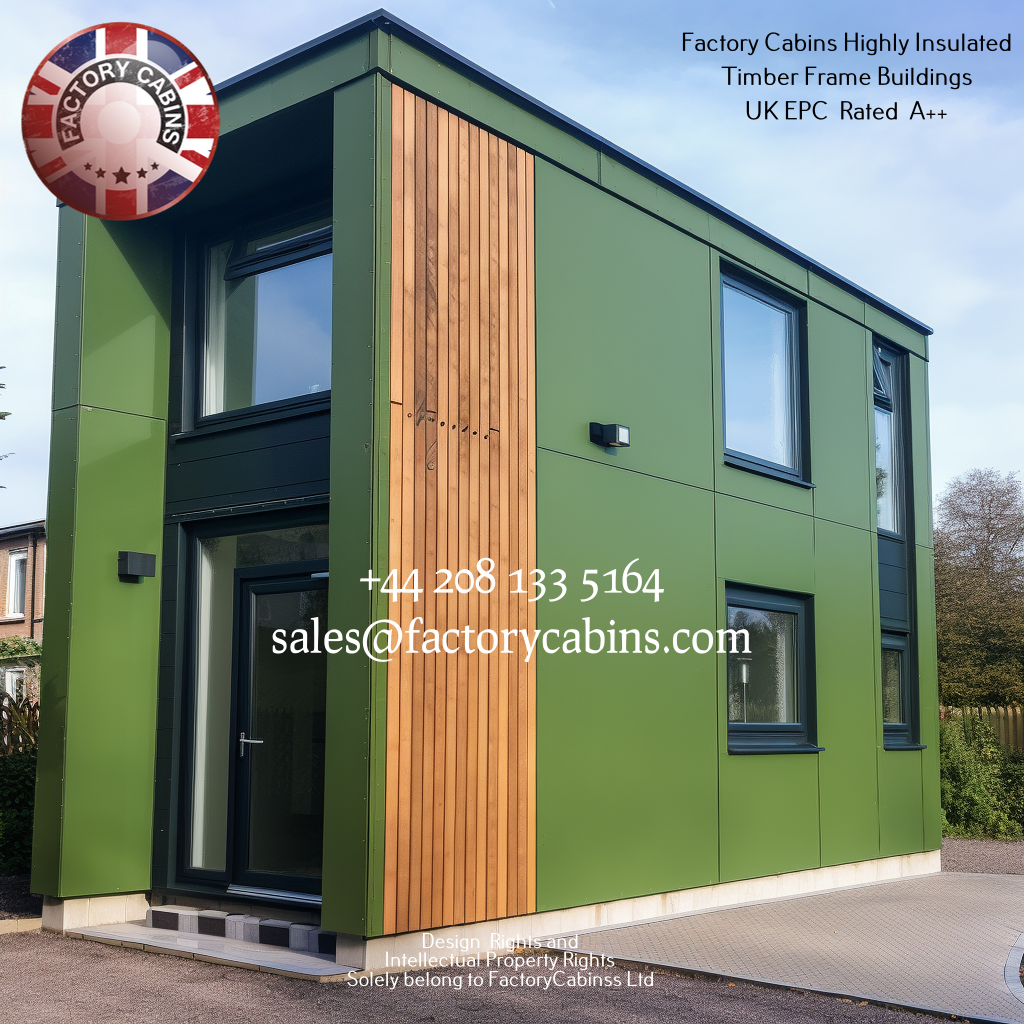
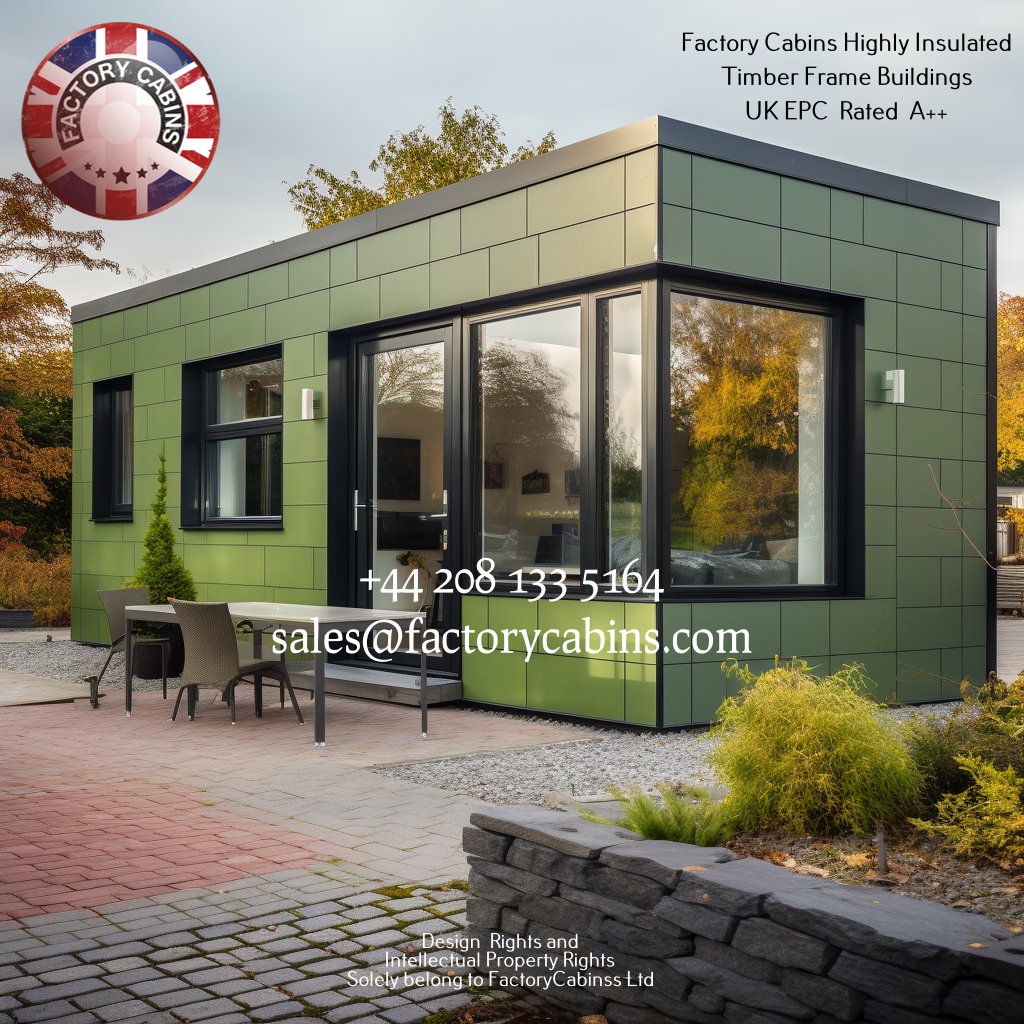
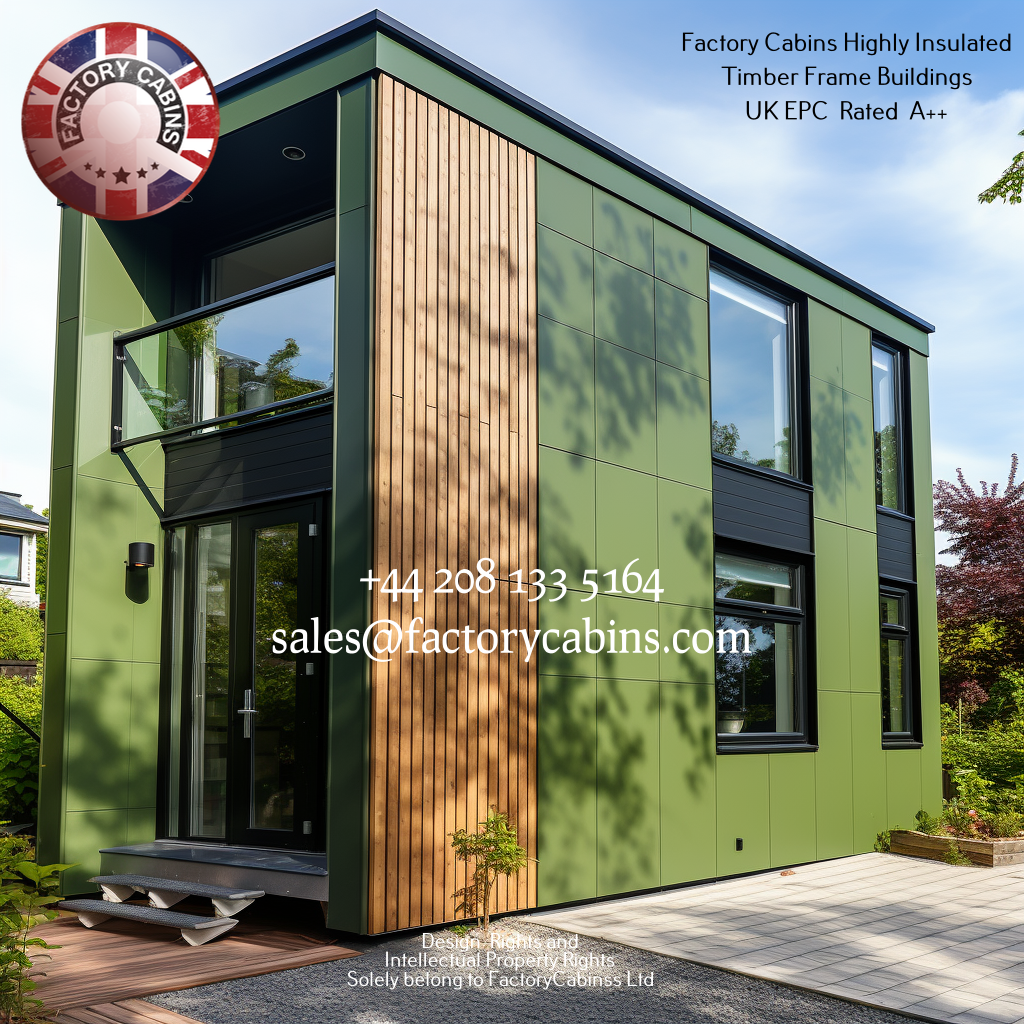
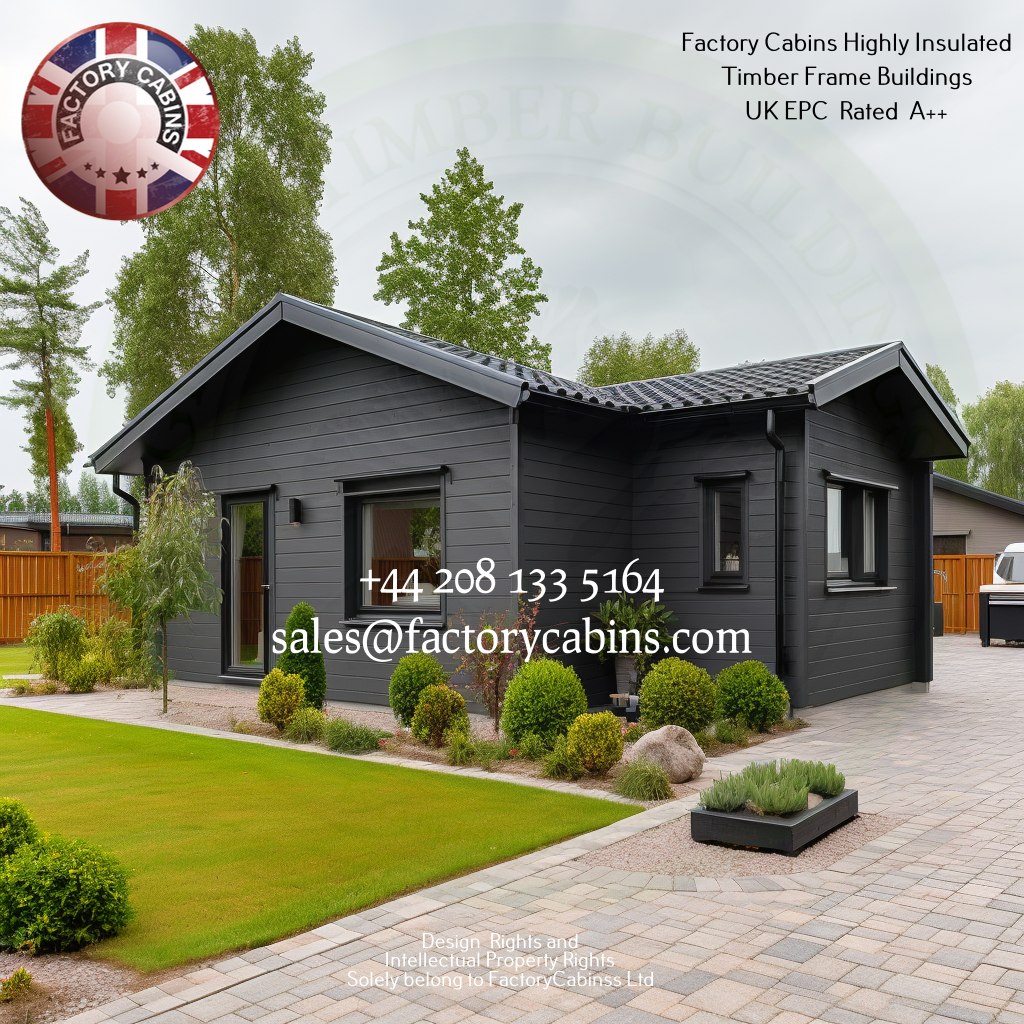
Strip away the marketing, and what you get is this: How should we really build small? Should we chase flashy shapes and custom everything, or stick to proven construction methods and simply size them down? More and more, the answer is timber-frame. When you do timber-frame right, a micro house isn’t a sacrifice. It feels like precision—it’s just a smaller, legitimate home that meets standards and keeps you comfy year after year. Unlike those geometric pods that only look good online, timber-frame micro homes survive daily life, time and time again.
The Illusion of “Micro” Housing
“Micro” used to mean something practical—a scaled-down home to lower costs, cut environmental impact, and make maintenance easier. Early pioneers figured out that downsizing meant rethinking storage, flow, and how the space could multitask. Then the movement went mainstream. Now “micro” is more about branding than actual design.
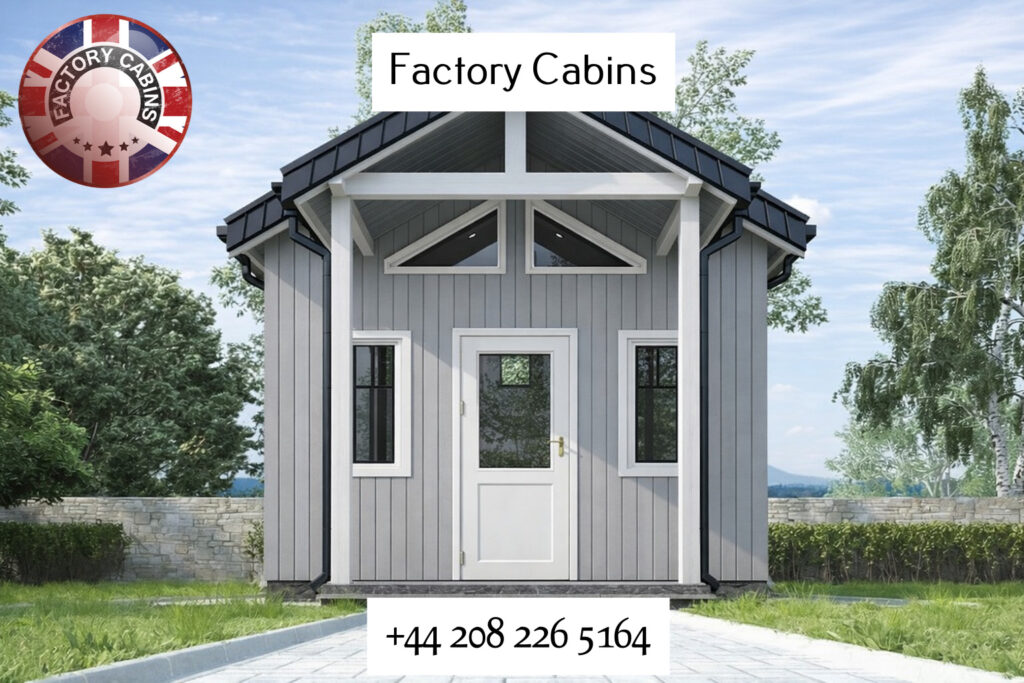
Tons of companies push structures between 200 and 400 square feet as “affordable micro homes,” but price them at $80,000, $150,000, or even higher. Add in prepping the land, utility hookups, permits, and delivery, and your total is often just as high—or higher—than an ordinary starter home. Many of these so-called micro homes come loaded with fancy appliances, custom woodwork, and designer fixtures, which totally contradict the whole “affordable” angle. They’re built for photos, not for real people.
And if you look closer, you’ll notice these designs ignore how folks actually live in a tiny space. Open layouts, perfect for an 800-square-foot apartment, turn chaotic in 250 square feet. Sleeping lofts with ladders aren’t ideal as you age. Thin walls and bad insulation make these places miserable in harsh weather. So what looks innovative on paper turns into a headache in day-to-day life. Buyers soon realize that living in a space designed only for looks means sacrificing comfort, storage, and functionality—constantly.
The Problem with Novelty Shapes
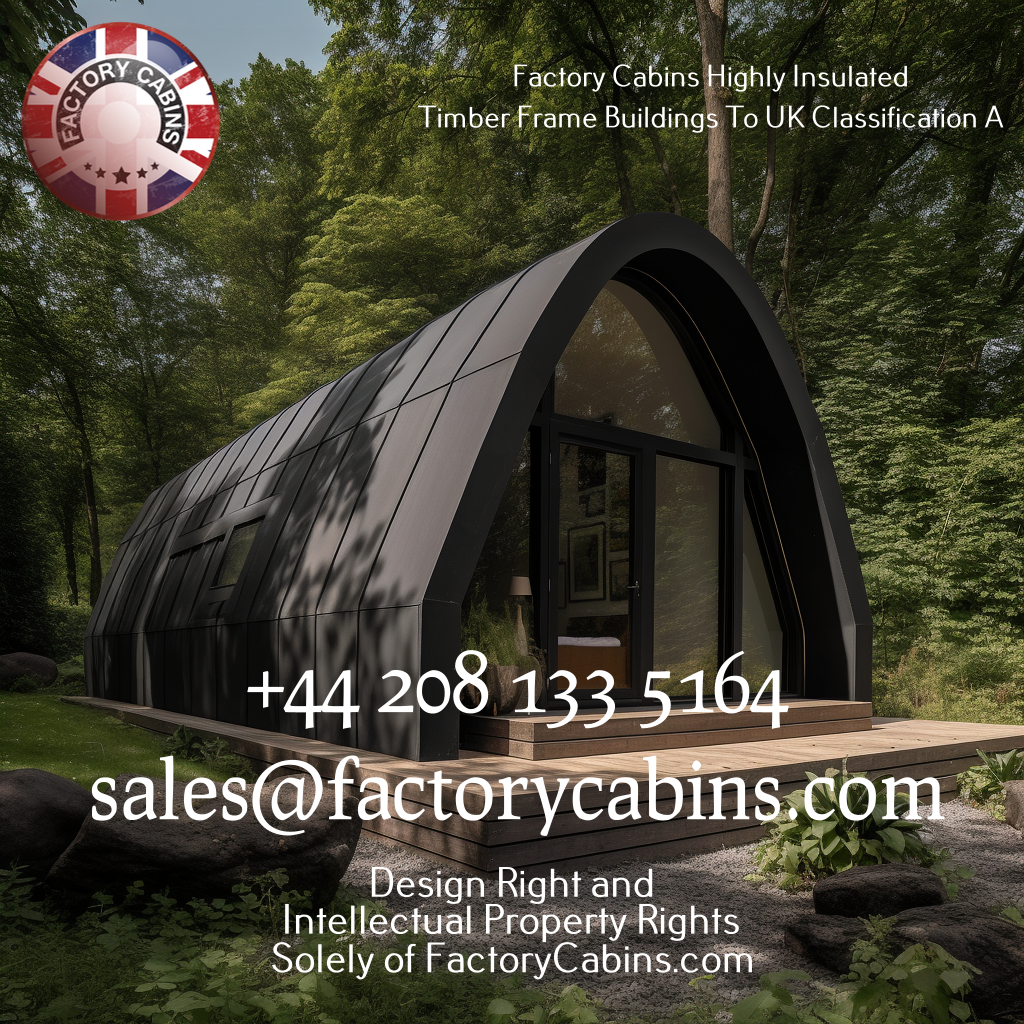
Maybe the biggest mistake in the micro-house scene is this obsession with weird footprints. Cubes, hexagons, cylinders, domes—these geometric pods are everywhere. Designers call these shapes “cutting edge,” “green,” or “space-saving.” But honestly, they create a bunch of issues nobody talks about until after you buy.
Furniture is the first big headache. The entire world of furniture, appliances, and building materials runs on rectangles and squares. Beds, cabinets, fridges, sofas, desks—even dry wall—all are sized for normal walls. Stick a standard bed next to a curved wall or a cube’s weird corner, and boom, you lose usable floor space. Corners die. You need custom furniture, which costs more and takes longer. What was sold as super-efficient ends up being anything but.
Thermal performance tanks, too. Curved or angled walls make insulation hard to install, create gaps, and make air sealing a nightmare. With rectangles, you get straightforward vapor barriers, continuous insulation, and HVAC that makes sense. Odd shapes need special climate controls—expensive, inefficient, and full of headaches. Cold areas? Condensation collects in curved walls. Hot climates? Weird roofs cook the interior. Building science rewards simplicity, not novelty.
Maintenance and construction just make things worse. Materials for those funky shapes mean long waits, more waste, and extra labor. Roofing, siding, windows, doors—they’re all custom, not off the shelf. If something breaks, you’re not popping over to the hardware store—you’re contacting the manufacturer, waiting weeks for a part, and paying more for the fix. Micro houses are supposed to simplify life—not pile on complexity.
Timber-Frame: Timeless Engineering, Scaled Down
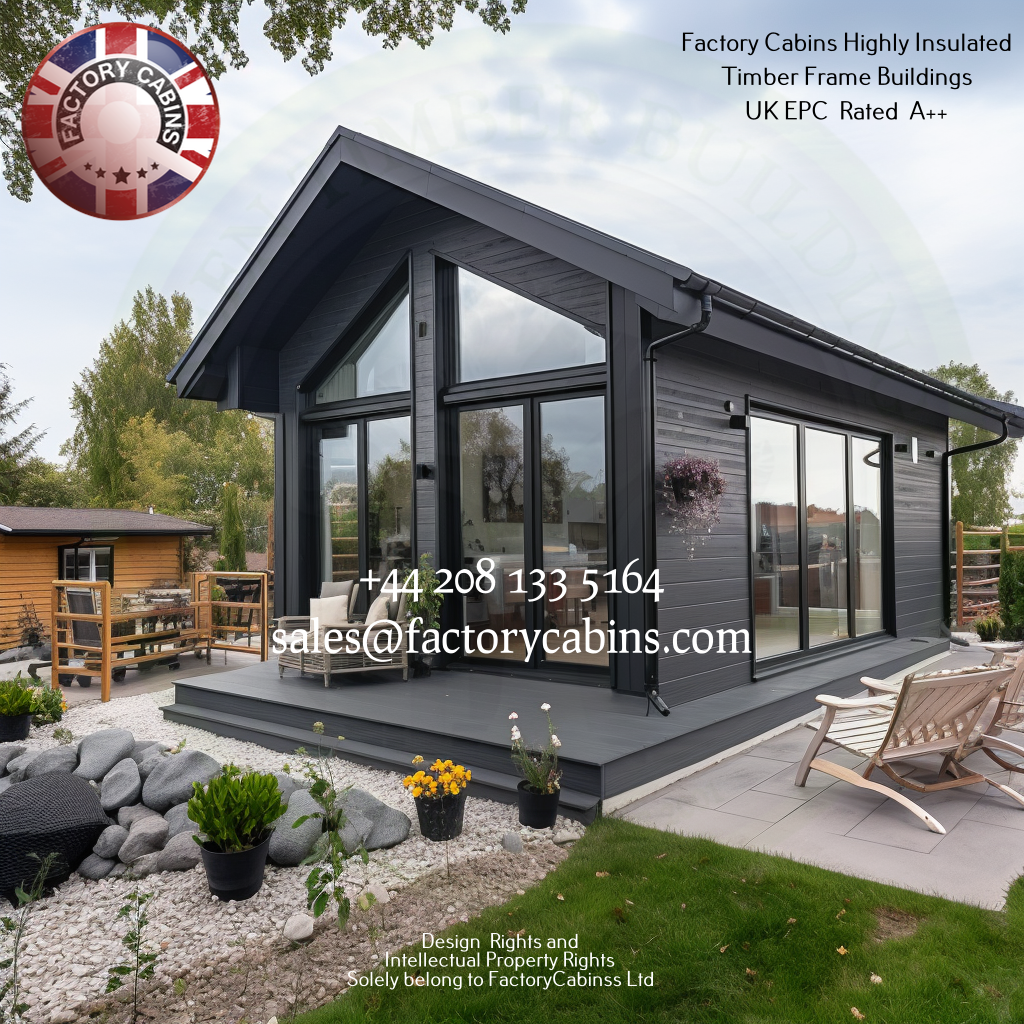
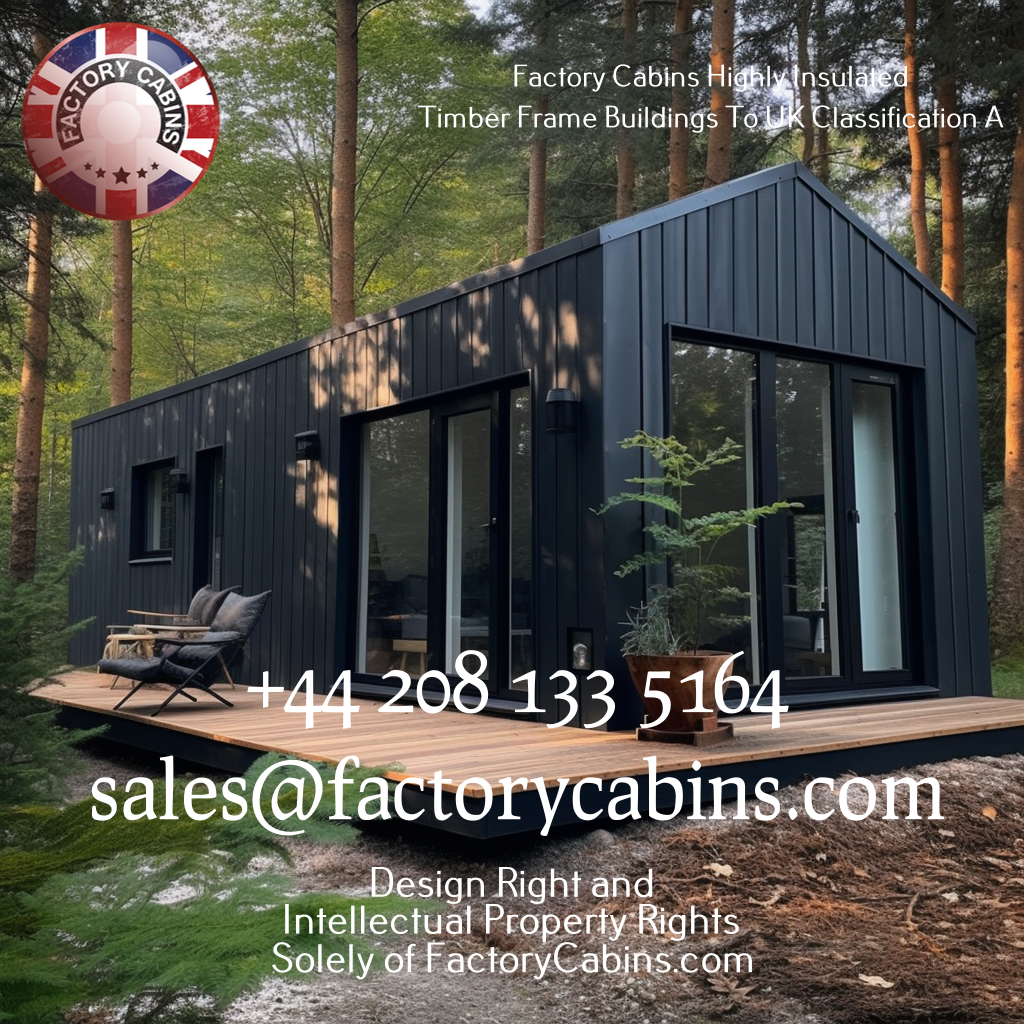
Timber-frame stands out as the quiet solution, ignoring trends. It’s an old-school method, refined over centuries. Heavy wood beams connect with precise mortise-and-tenon joints, pegged together to make a self-supporting skeleton. The spaces between the beams get filled with insulated panels, SIPs, straw bale, or modern walls—but the wood does all the real work.
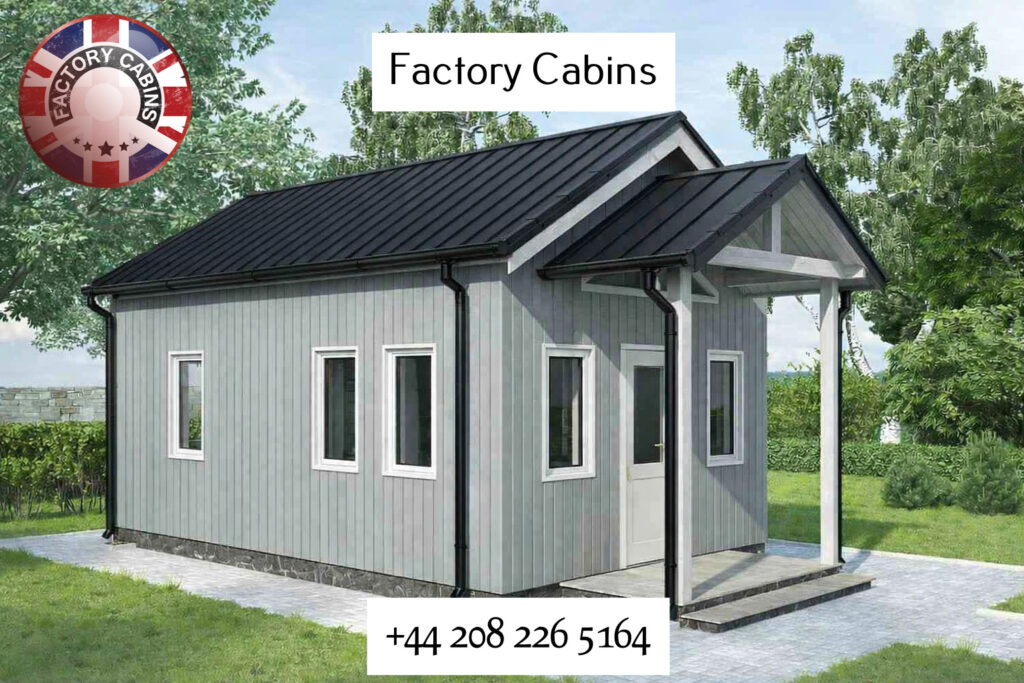
Timber-frame is perfect for micro housing because it’s honest. There’s nothing hidden behind drywall—the structure is the design. Shrink a timber-frame house to 200–400 square feet, and you don’t make it “cute” by removing features. You keep the proportional logic of real homebuilding and just reduce the excess. It’s a grounded, intentional, and highly functional space.
Timber-frame micro houses crush novelty pods in several key ways:
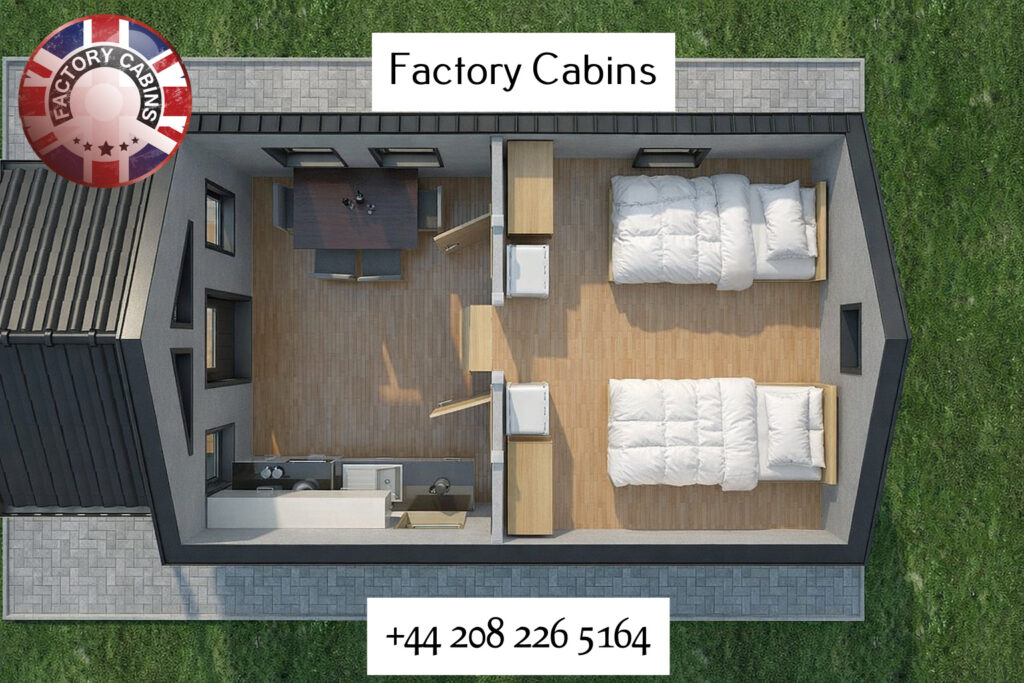
Structural Integrity: Heavy timber beams are great at handling wind, snow, earthquakes. You don’t need interior load-bearing walls, so layouts are flexible—even when the footprint’s small.
Thermal Efficiency: Because wood is doing the heavy lifting, exterior walls become thick insulation and weather shields. Modern timber-frame micro homes use SIPs or advanced infill that beat code requirements. You’re left with a tight envelope—comfortable all year, minimal energy needed.
Natural Material Benefits: Wood keeps indoor humidity steady, absorbs noise, and ages well. Steel pods sweat in humidity; concrete shells feel cold. Timber interiors are warm and breathable, making tiny spaces feel brighter and more welcoming.
Adaptability and Longevity: Timber-frame lasts forever. Tons of old timber buildings survive centuries with little maintenance. Build a micro house with solid joinery, moisture management, and good finishes, and you’ve got a long-term asset—not a short-lived trend.
Shrink a timber-frame house and you don’t lose what makes it feel like home—you concentrate it. Ceiling height stays right. Windows line up with your vision and sunlight. Roof sheds rain and snow well. The layout flows from entrance to living to sleep, no weird corners or dead spaces.
Building to Code vs. Building for Instagram
Here’s something people miss: codes. A lot of designer micro homes are pitched as “portable,” “temporary,” or “accessory units,” hoping to dodge residential building codes. But once you connect to water, sewer, electricity, or put the house on a foundation, the codes matter. For a reason.
Building codes aren’t just red tape—they’re the collected wisdom about fire safety, structure, electrical, plumbing, ventilation, and emergency exits. Ignoring these standards isn’t clever—it’s dangerous. Bad window placement can kill in a fire. Low ceilings or steep stairs cause daily hazards. Undersized electric panels trip with normal use. These aren’t abstract—they’re what owners of “almost legal” pods deal with every day.
Timber-frame micro homes, properly designed and built to code, sidestep these issues. They have safe windows for escape, correctly sized electrical, vented roofs, moisture-proof foundations, and insulation that beats local energy standards. They can be permitted, financed, insured, and appraised just like any regular home. That’s not just about legality—it’s about making life safe, livable, and secure.
Look at resale and financing. Banks and appraisers have a hard time with funky micro houses. Lenders often say no—forcing buyers into cash or high-interest loans. Insurance companies call them “alternative structures” or “park models”—leaving owners underinsured. A timber-frame micro home to code fits into standard lending and appraisal. It holds value because it meets quality, safety, and durability standards.
The Real Investment: Practicality Over Novelty
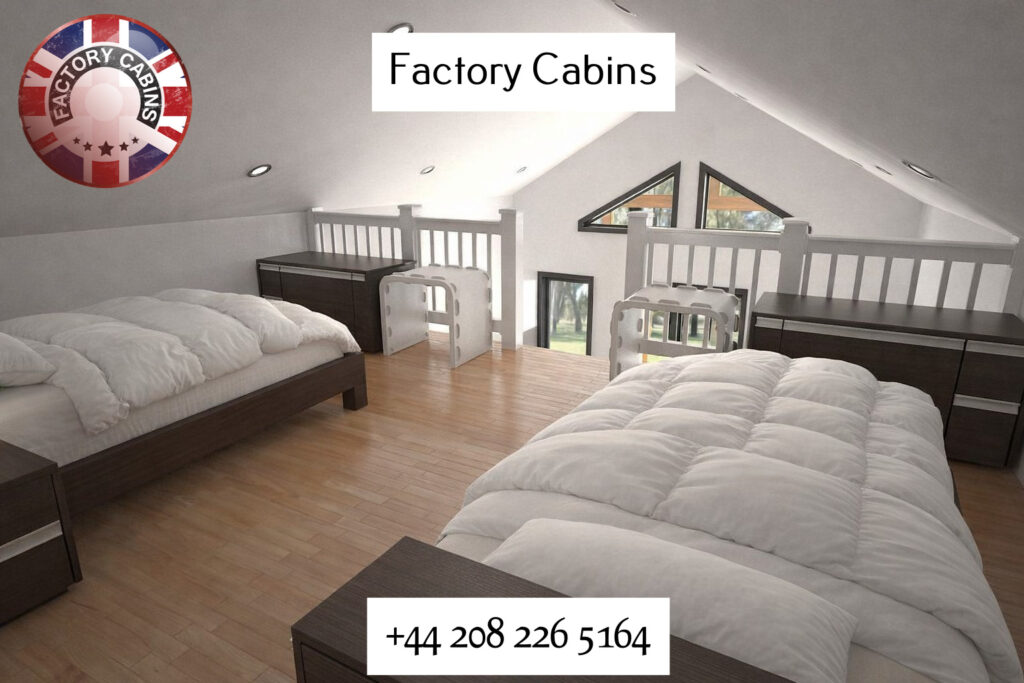
Buying a home isn’t just about the sticker price—it’s about the total cost over time, how well it works, and whether you can sell it later. Novelty micro homes fail on all three points. Custom parts bump up maintenance. Inefficient layouts mean furniture break down faster. If it doesn’t meet code, it’s tough to resell. Owners often find themselves spending more energy wrestling with the space than living in it—usually within two or three years.
A well-built timber-frame micro house plays a different game. Construction might cost more than a prefab pod, but over its lifetime you save. Standard windows, doors, fixtures—easy to replace. Good insulation and sealing keep energy bills steady. Strong joinery and finishes age nicely—not fast decay. The rectangular, code-compliant layout means furniture fits, storage works, and daily life flows without constant fixes.
Most important, timber-frame micro houses understand the psychology of living small. People don’t do well in experimental spaces—they do well in ones that feel reliable, comfortable, and organized. A proper 300-square-foot timber-frame design has an entry, kitchen with counter space, a well-ventilated bathroom, a living area big enough for everyday seating, and a restful sleeping zone. It makes smart use of vertical space—no daily circus tricks required. Windows are placed for daylight and breeze. There’s room for real life—laundry, groceries, books, shoes, seasonal stuff, and visitors.
That’s not giving up anything. That’s exactly what matters.
How to Choose or Build a Real Micro House
Thinking about a micro home? Slow down and be picky. Look past pretty pictures and marketing buzzwords—ask the tough questions:
- Is it rectangular or close to it? Right angles aren’t dull—they’re practical. They fit furniture and maximize living space.
- Does it follow residential building codes? Check for compliance—structure, electrical, plumbing, egress. If someone says “codes don’t matter,” just walk away.
- Can you fit normal furniture? Get the floor plan with actual sizes. Try placing a real bed, sofa, table, wardrobe—if it doesn’t work, the design is broken.
- What’s the insulation and sealing plan? Ask for R-values, vapor barrier details, HVAC specs. Tiny spaces make bad thermal planning obvious—and miserable fast.
- Who designed it, and are they experienced? Look for licensed architects or engineers with a track record in small residential projects—not just exhibition booths or art installations.
- Is it financeable and insurable? If lenders and insurers treat it like a novelty, you’re in for trouble later on.
When you look at timber-frame micro houses this way, the perks pile up. You’re not just buying a talking point—you’re buying a real home. Tiny, sure—but legitimate.
So!
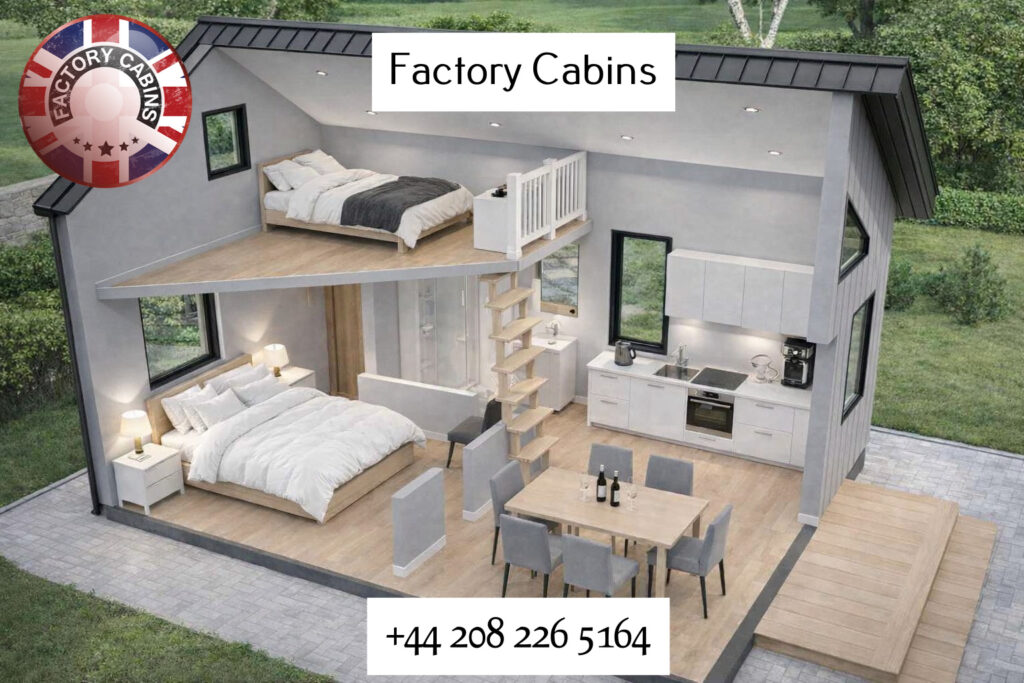
The micro house movement doesn’t need more weird shapes or luxury finishes squeezed into 250 square feet. It needs honesty, practicality, and respect for real life. Timber-frame construction delivers all that: a method tested by time, scaled down, built to perform, and aging gracefully. It shows that small doesn’t mean fantasy—it means improvement.
As housing costs explode and we all care more about the environment, people will want sensible small homes. The winners won’t be the ones selling Instagram-worthy pods with hidden flaws. They’ll be the ones making timber-frame micro houses to code, ready to live in from day one, decade one, and beyond. Because a home isn’t just decoration. It’s shelter, sanctuary, and the foundation for life. Build it right, keep it small, and let the design work for you—not the other way around.
Please send us an email to sales@factorycabins.com
All bespoke designs are welcome. PLEASE call 0208 226 5164