The Factory Direct Advantage: Cutting Out the Middleman
The Only Sensible Choice: Why Factory Cabins Sets the Gold Standard for UK Timber Structures
These days, “fast fashion” isn’t just about clothes—it’s everywhere, even in timber buildings and garden cabins. Walk into a big DIY shop or scroll any of those huge online retailers, and you’ll see the same thing over and over: lots of cheap, identical cabins that promise you the world for a steal. They look nice enough in shiny ads, but when you see them up close, they’re missing something important. They don’t have the craftsmanship, the engineering, or the lasting value that comes with a real investment. You know that old saying, “cheap is cheerful”? In building, it means you’ll probably end up paying for it twice. At Factory Cabins, we think there’s only one logical choice if you actually care about quality, strength, and making your money count: go for a custom-made, factory-direct timber structure that’ll take on the tough British weather and stick around for generations.
The Illusion of the “Bargain” Cabin
First, let’s be honest about what’s really out there. The UK’s full of mass-produced cabins where the only goal is cutting costs, not building solid. The problem starts with the timber itself. Most of these cheap cabins use wood that’s cut in the summer, loaded with moisture. Once it’s up in your backyard, it dries out, it shrinks, warps, cracks—and then suddenly there are gaps everywhere, drafts, leaks, damp, and mold. In no time, your new building feels unusable half the year. Add inferior joinery, thin single glazing, and hardware that rusts before you’re done unpacking. They’re designed for speedy assembly by people who might not know what they’re doing, leading to loose joints and a cabin that just won’t keep the British weather out. If you think you’re saving money, think again. Those savings are temporary. Pretty soon, you’re paying for repairs, for more heating because the place bleeds warmth—or you’re replacing the whole thing. That’s not a bargain; that’s just wasted money.
Now here’s where we’re different. At Factory Cabins, we don’t do throwaway buildings. We believe your investment should hold its value, not drop the second it’s up. The British weather doesn’t mess about. Whether you’re in Sussex, Kent, or up in the Highlands, you’re dealing with relentless rain, winds that never let up, and wild temperature swings. Only something built by pros, with top-notch materials and real attention to detail, can handle that and still look great years later.
The Factory Direct Advantage: Cutting Out the Middleman
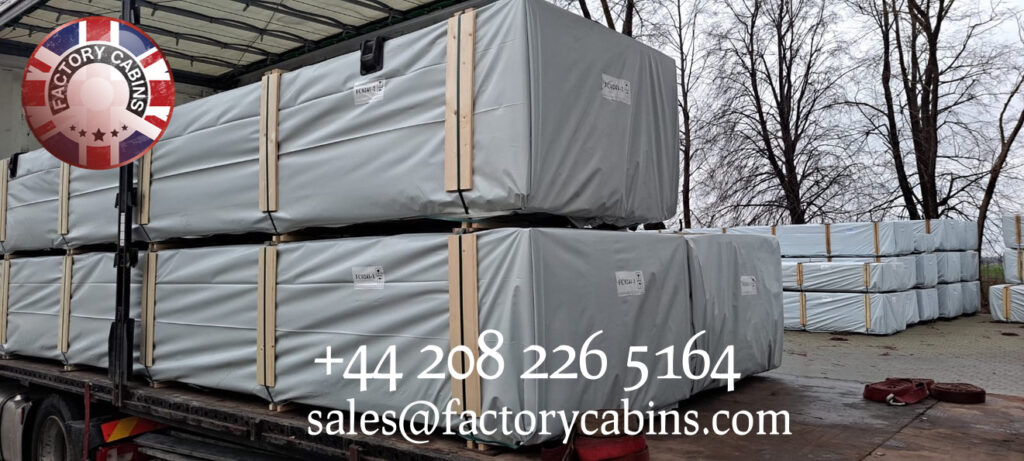
Here’s one of the best reasons to go with us—we aren’t resellers or middlemen. We’re the builders. Our factory’s in Lithuania, a place where timber craft runs deep. Having our own facility means we control every stage—from picking each log to the finishing coats. There’s no mystery, no passing the buck, and no mark-ups from wholesalers or showrooms. That means you get a totally bespoke, premium cabin at a price that beats the big UK retailers. And the best part? You talk straight to us. The people building your cabin are the ones you deal with—so nothing gets lost and nothing gets compromised.
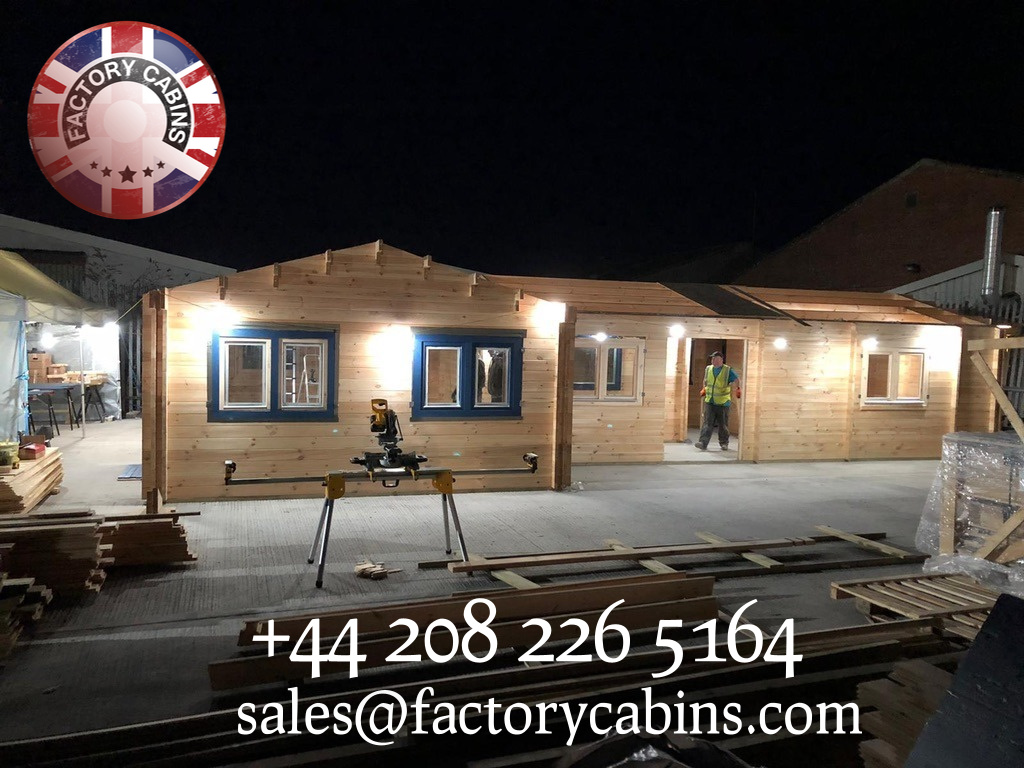
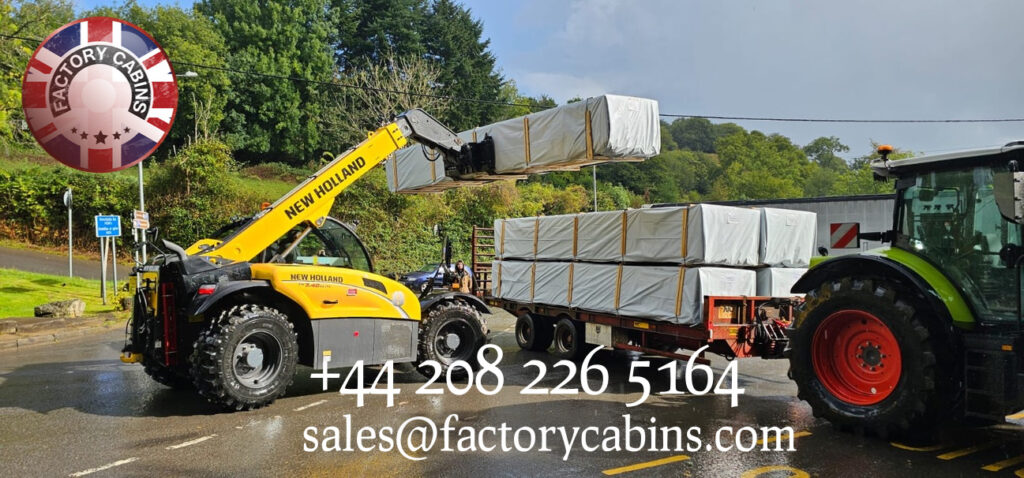
We do it all, too. Not just dump a flat-pack at your door and run. We offer the full package—base prep, expert assembly, electrics and plumbing. The whole lot, handled by people who know what they’re doing. Every part works together: a flat foundation, square walls, safe wiring, no leaks. You don’t have to stress about mistakes or guesswork. We make the process smooth from start to finish.
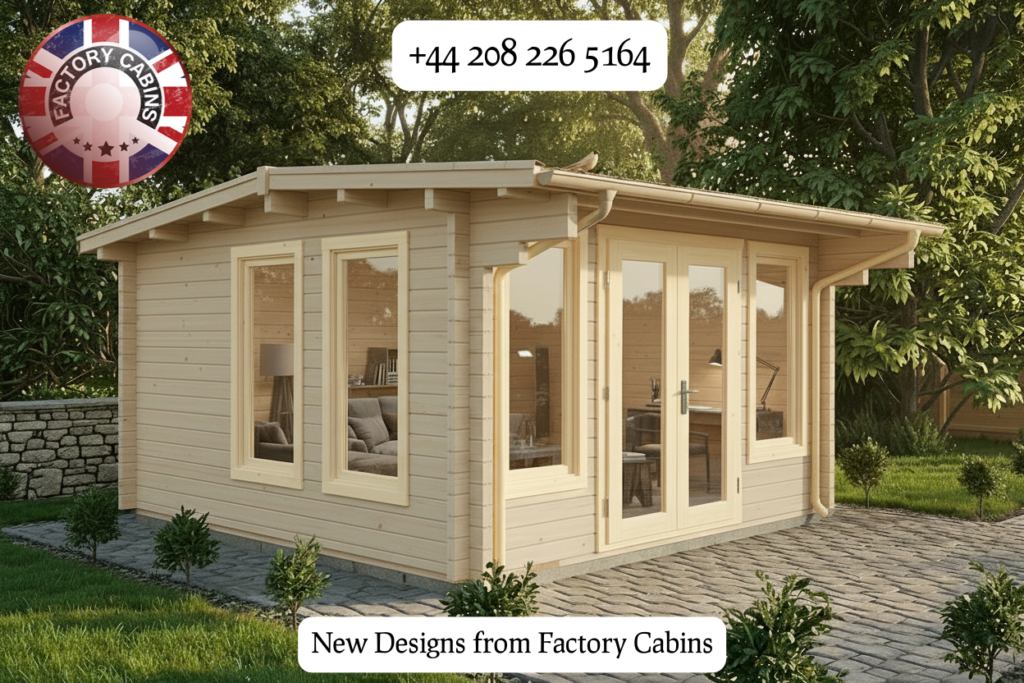
Unrivaled Materials: The Swedish Spruce Difference
The secret at the heart of every genuinely great log cabin? The timber. Here’s where we really set ourselves apart. We use only winter-cut, slow-grown Swedish spruce. Sounds technical, but it matters. Wood cut in winter, when the tree’s sap is low, comes out with less moisture—so it’s denser, stronger, way more stable. This spruce grows up north in a colder, harsher climate, making each ring tighter, the wood tougher, and naturally more rot-resistant.
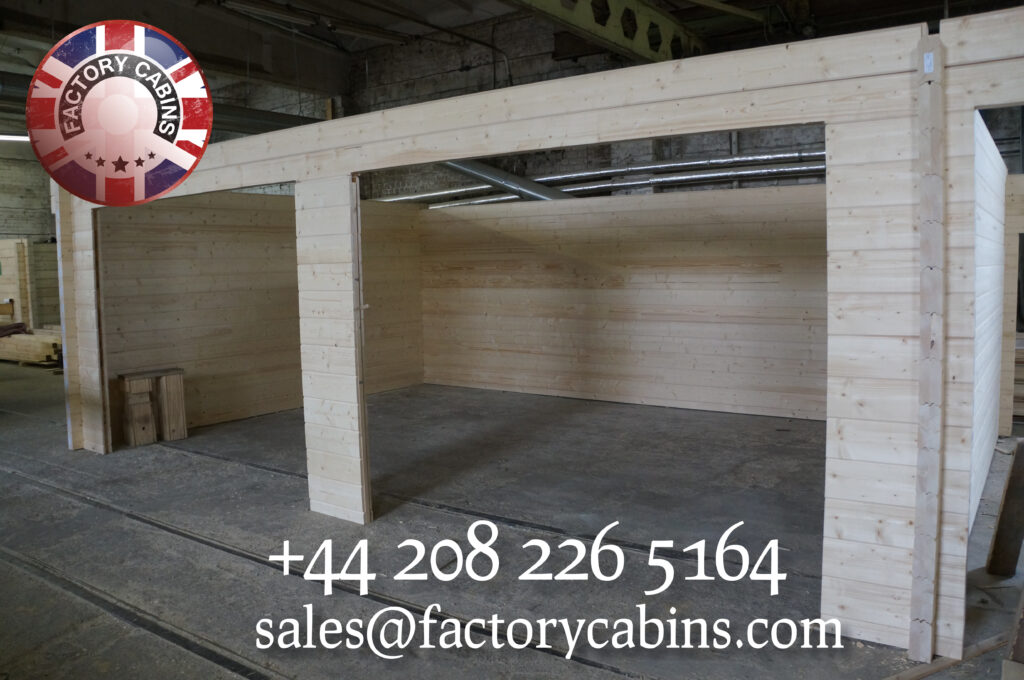
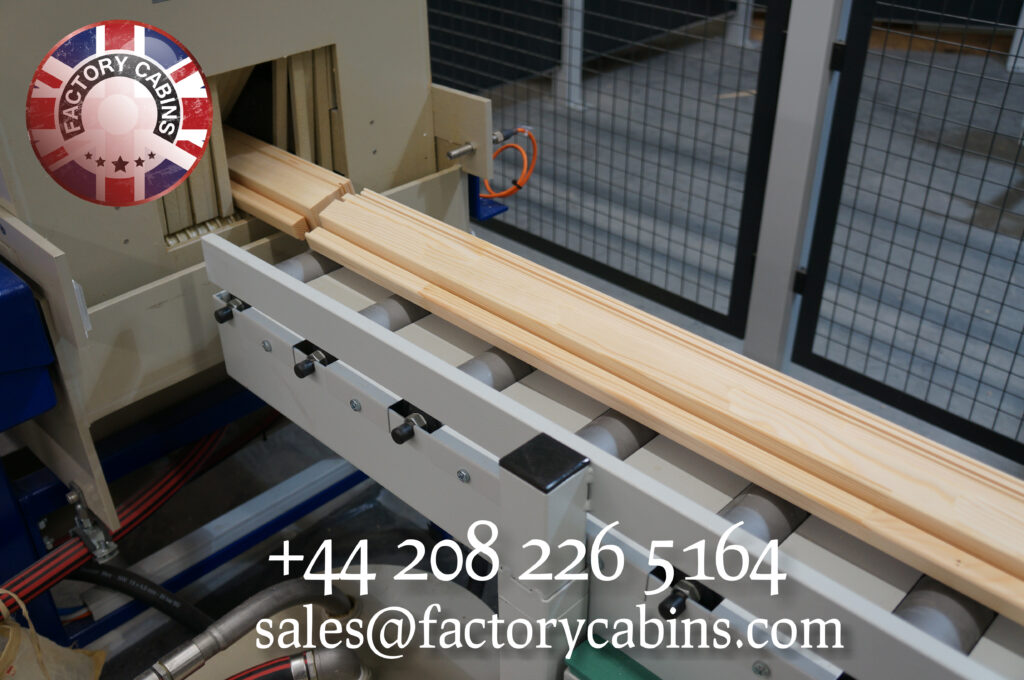
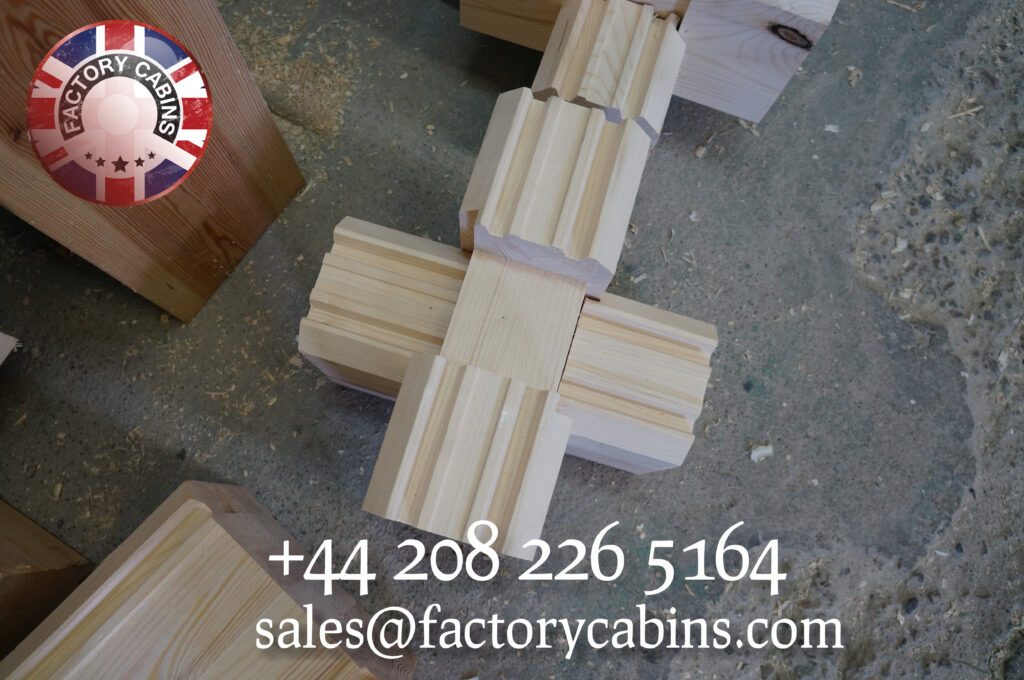
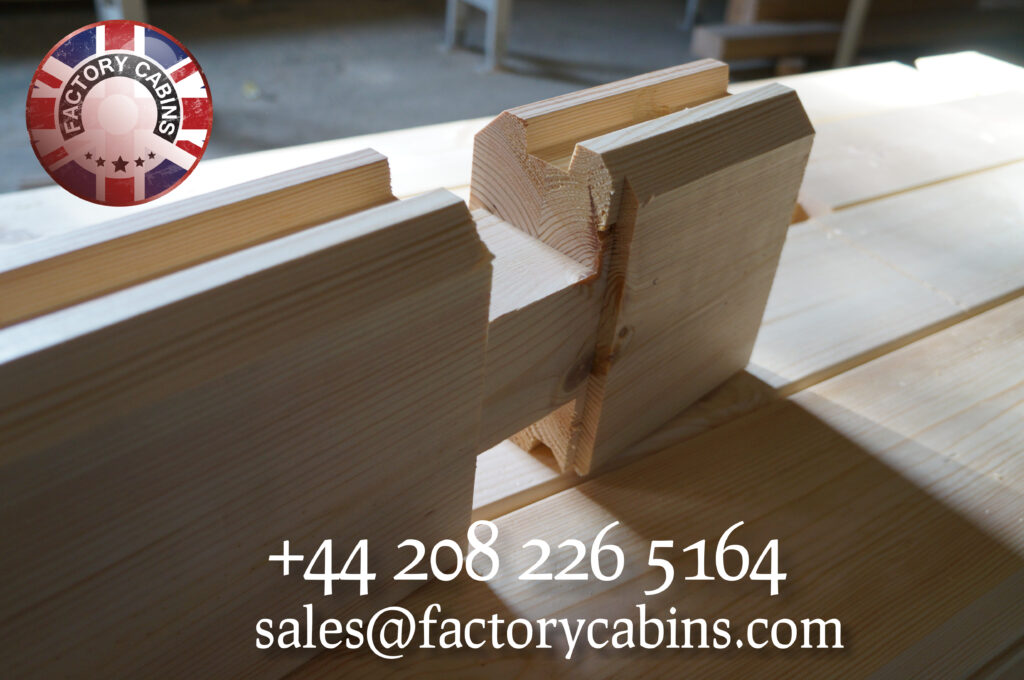
You can feel it in the logs, too. They’re heavier, smoother, and just more solid than the plantation pine you get from discount brands. We precision-mill everything with state-of-the-art CNC machines, so every joint and groove fits perfectly. Right from the start, your structure is air- and water-tight, giving you great insulation and a building that just lasts.
For windows and doors, we use thermally-modified timber. That means it’s heated in a special way that changes the wood’s chemistry, making it super-resistant to rot, moisture, and pests—without any nasty chemicals that might wash out over time. Put that together with our laminated door and window frames, and you get openings that don’t twist or stick, no matter how the weather turns.
The Twin-Skin Revolution: Year-Round Comfort
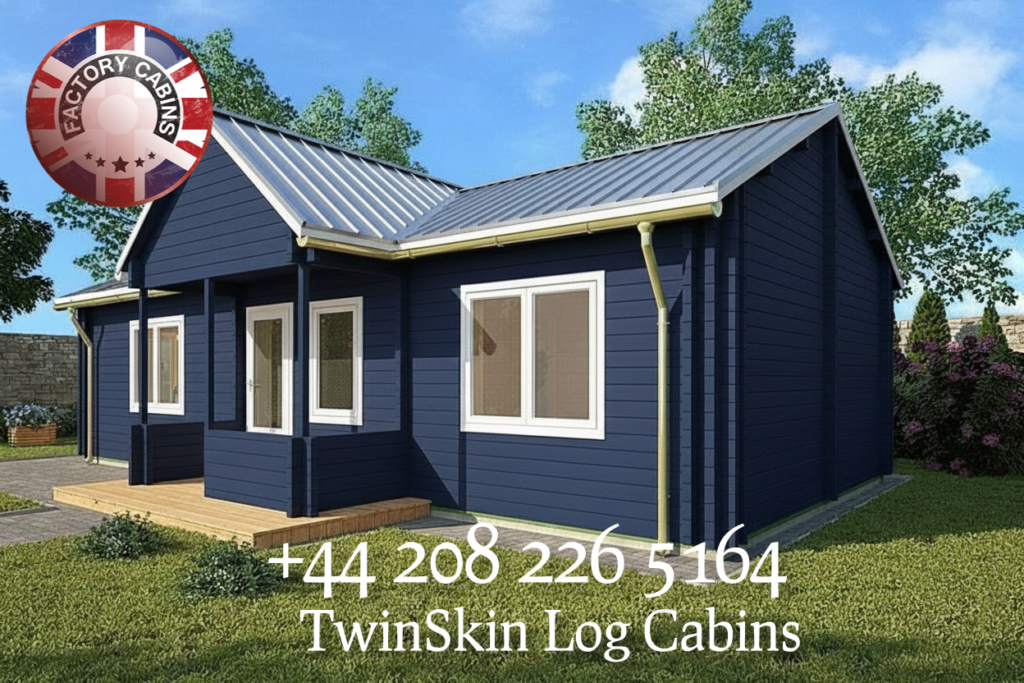
Probably the smartest idea in our line-up is the Twin-Skin system. Most cabins? They’re just one thick log wall. Ours? Two layers of timber, with a cavity in between for insulation. That gap gets packed with high-grade insulation—so the performance blows away anything you get from single-wall designs.
What’s that mean for you? Well, in winter, you keep the heat inside easily—so you spend way less on energy and always feel cozy. In summer, it keeps out the heat, so your cabin doesn’t turn into an oven. You get a building that’s comfortable all year, perfect for an office, holiday let, or even somewhere to live full-time—rain or shine.
It gets better. The double-layer setup blocks a ton of noise, too. Whether you’re in the city or deep in the countryside, it’s quiet inside. Structurally, Twin-Skin cabins don’t shift or twist like regular log buildings, either. The outer and inner walls support each other, so everything stays square. We’ve had our original Twin-Skin cabin up for over twenty years—no cracks, no settling, no drama.
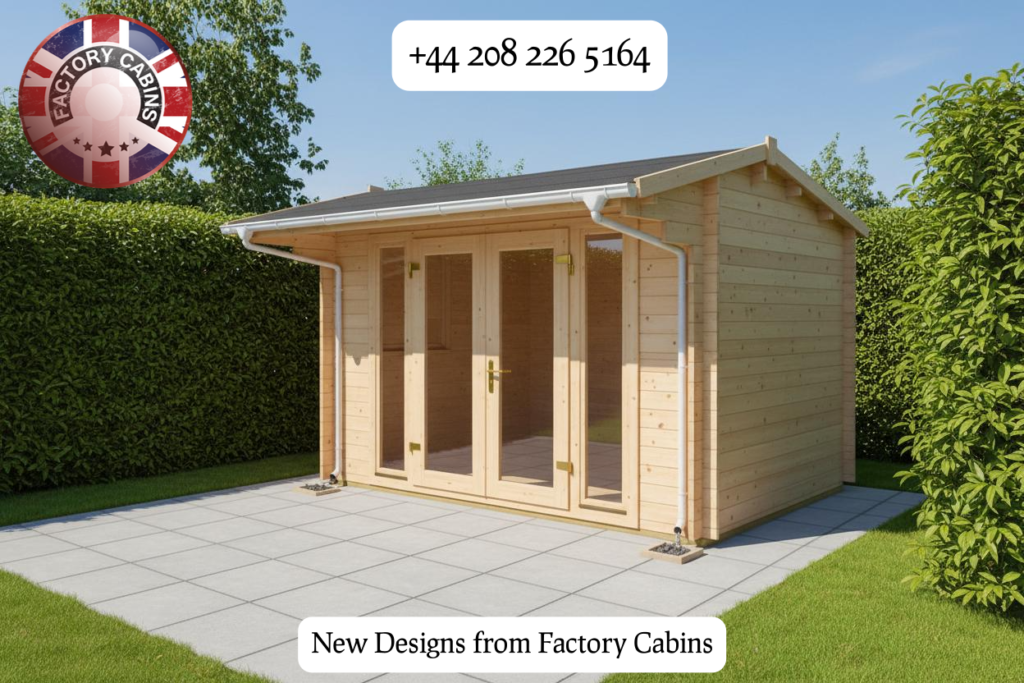
You get choices, too: 44mm x 44mm, 70mm x 70mm—whatever wall thickness you need. We can build tiny studios up to sprawling homes, all with the same tough specs.
Precision Engineering and Superior Hardware
A cabin’s only as good as its weakest part, and sadly, a lot of cheap cabins fall apart at the hardware. Sagging hinges, locks that freeze, windows that jam—sound familiar? We don’t mess around with hardware. Every fitting comes from top German manufacturers, known for their engineering and toughness. Your doors swing true, your windows are smooth, your locks are solid.
We fit double glazing as standard, usually 28mm toughened glass packs. They’re safer and better insulated—plus, if one ever breaks, it shatters safely, not into dangerous shards. With tilt-and-turn windows, you get secure ventilation and easy cleaning, and our insulated door frames mean you can always control airflow. Everything’s weather-tight, flexible, and built for the toughest UK weather.
Bespoke Design: Your Vision, Our Expertise
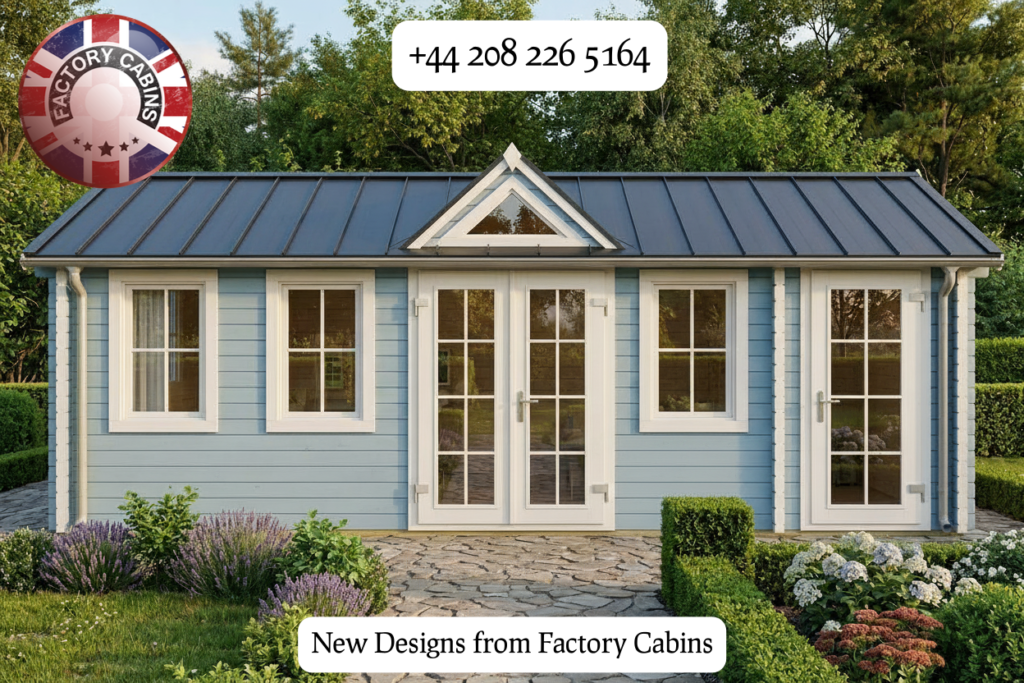
No two gardens—or people—are exactly the same. That’s why everything we do is custom. You’re not stuck with a set menu of boring models. We work with you to make a building that fits: your space, your style, your life.
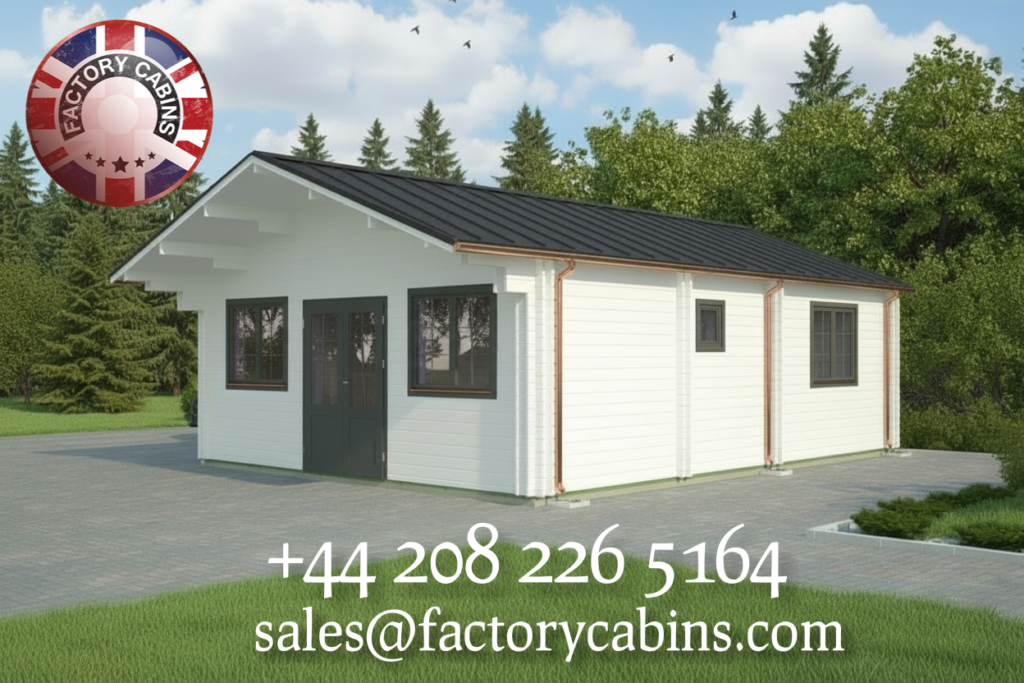
Want a net-zero eco-home? Something classic and cozy? A sharp-looking glamping pod? Complicated timber house? We’ve done it all. Our designers use real CAD software to map out every detail, so nothing’s left to chance. You can pick roof shapes, window spots, layouts, and every finish.
We’re big on sustainability, too. Our top-performing Twin-Skin insulation pairs well with solar and heat pumps, so you end up with a house that powers itself. Less carbon, lower bills, and you stay ahead of the energy curve.
If you’re in Sussex, Kent, or nearby, we know the local rules, ground conditions, and how to get the most from your site—sunlight, wind, planning permission—we’ll help you through it all.
The Human Element: Craftsmanship and Care
Behind every Factory Cabins building is a team of skilled craftspeople who truly care. Sure, we use the latest machines to cut wood precisely, but the finishing and inspections rely on real experience. Our people pick the best boards, take pride in how things look and fit, and never cut corners.
We believe trust matters. When you build with us, you become our partner, not just another order number. We’re here for the long haul, not the quick sale. Our customer service is always on your side—questions, updates, tips, whatever you need. Building a cabin’s a big deal, and we treat it that way.
And, we don’t disappear once the job’s done. Our after-sales support covers everything: solid warranties, helpful advice, quick problem solving. You can always reach us. We want your cabin to be loved for decades, and we’ll make sure it is.
Why Factory Cabins is the Only Sensible Choice
When you stack it all up, the choice is obvious. You can buy a throwaway, mass-made cabin that looks fine online but can’t handle real life. You might save a few pounds now, but you’ll pay for it later in repairs and replacements. Or you can make the sensible call—choose Factory Cabins.
Pick us and you get real quality, not disposable junk. You get a building made to last, from the best materials, built by pros who actually care about your investment. Our creativity, materials, and direct factory pricing just can’t be matched by anyone else.
In a world where “buy cheap, buy twice” is the rule, we give you the chance to buy right—once. You get a cabin that’s warm in winter, cool in summer, dry in the rain, and adds huge value to your property—and your life. Something you can be proud to hand down to your kids.
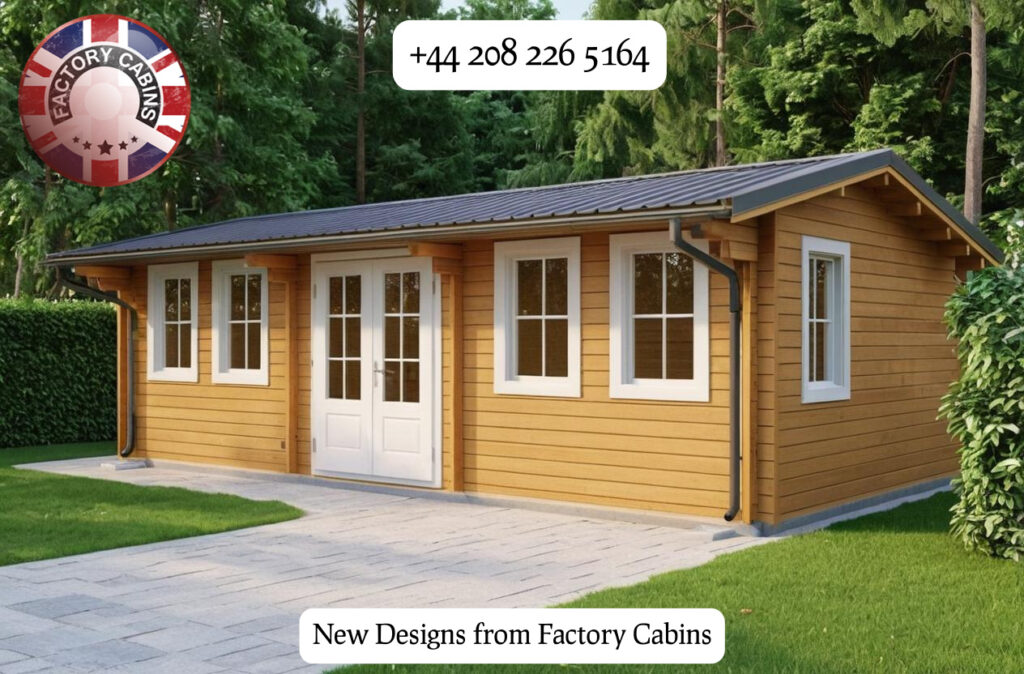
Don’t settle. Don’t gamble on something that won’t last. Make the choice that gives you certainty, excellence, and value: Factory Cabins. From our Lithuanian factory to your UK garden, we promise nothing but the very best. See the difference that real craft, smart design, and an unshakable focus on quality makes. Your perfect cabin’s waiting—and there’s nowhere better to find it.
So, whether you want a peaceful hideaway, a serious workspace, or a proper home, we’re ready to make it happen. Contact us, check out our range, and see why we’re the UK’s top name for high-end timber structures. Let’s build you something truly special—something that lasts, something you’ll love. With your home, your garden, and your future on the line, there’s only one sensible choice.
Please send us an email to sales@factorycabins.com
All bespoke designs are welcome. PLEASE call 0208 226 5164