Always pay with a debit or Credit Card
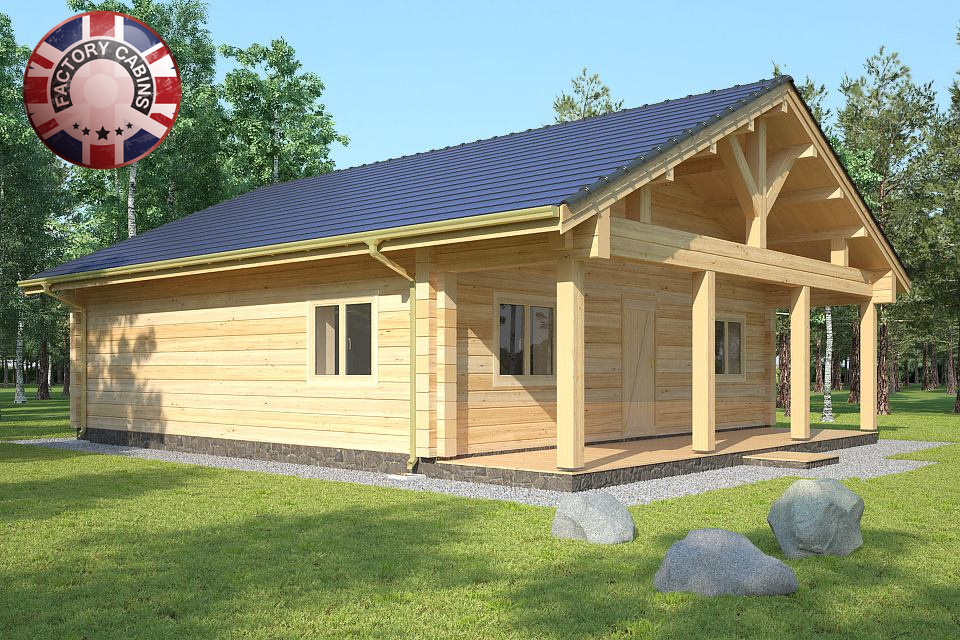
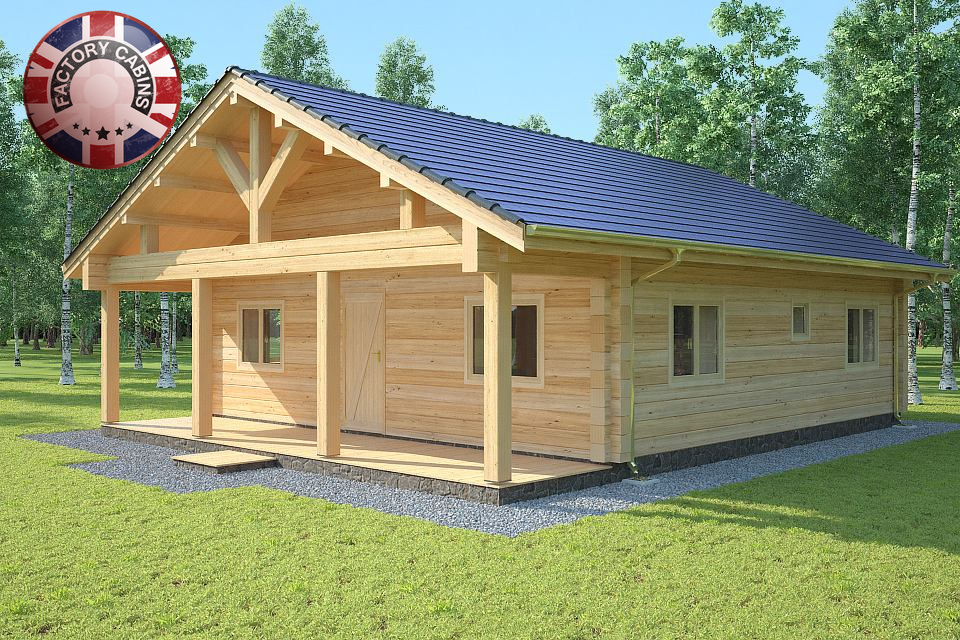
From the original designer come the Twin Skin Log Cabins.
Introduction to Twin-Skin Log Cabins
What are Twin Skin Log Cabins?
Definition and Characteristics
Construction Process
Advantages of Twin Skin Log Cabins
Durability
Insulation Properties
Customisation Options
Applications of Twin Skin Log Cabins
Residential Use
Commercial Use
Recreational Use
Choosing the Right Twin Skin Log Cabin
Budget Considerations
Size and Design Options
Location and Environmental Factors
Maintenance Tips for Twin Skin Log Cabins
Regular Inspections
Cleaning and Treatment
Repairs and Upkeep
Comparison with Other Types of Log Cabins
Single Skin Log Cabins
Insulated Log Cabins
Case Studies and Examples
Successful Twin Skin Log Cabin Projects
Customer Testimonials
Future Trends and Innovations
Technological Advancements
Sustainable practices
Environmental Impact of Twin Skin Log Cabins
Sustainability Features
Carbon Footprint Considerations
Cost-Benefit Analysis
Initial Investment vs. Long-Term Savings
Return on Investment
Common Misconceptions About Twin Skin Log Cabins
Expense
Maintenance Requirements
Expert Recommendations and Advice
Industry Insights
Professional Tips for Buyers
Conclusion
FAQs about Twin Skin Log Cabins
Exploring Our Twin Skin Log Cabins
Twin skin log cabins, often referred to as double-wall or dual-wall log cabins, have gained significant popularity in recent years due to their enhanced durability, insulation properties, and customisable designs. These structures offer a unique blend of traditional charm and modern functionality, making them an attractive option for residential, commercial, and recreational purposes.
What are Twin Skin Log Cabins?
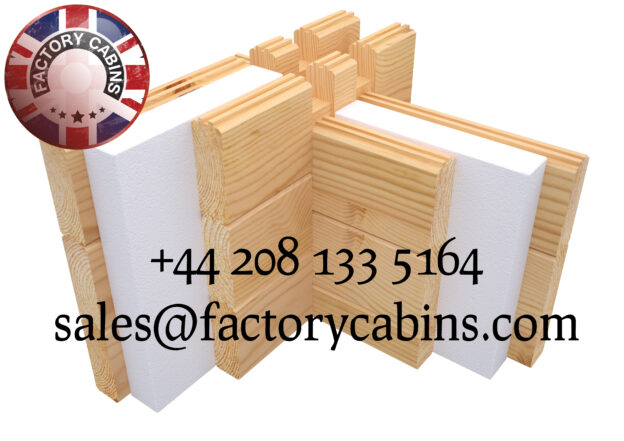
Twin skin log cabins consist of two separate walls, 44mm x 44mm with 100mm void between, or 70mm with an air gap between them, providing superior insulation compared to single-wall log cabins. Typically, the inner and outer walls are constructed using interlocking logs or timber panels, with insulation materials such as mineral wool or foam inserted between them. This design helps regulate indoor temperature and humidity levels, making twin skin log cabins suitable for year-round use in various climates.
Construction Process
The construction process of twin skin log cabins involves several stages, including site preparation, foundation installation, wall assembly, roof construction, and interior finishing. Skilled craftsmen carefully select and assemble high-quality logs or timber panels to ensure structural integrity and aesthetic appeal. Additionally, specialised insulation materials are installed between the walls to enhance thermal efficiency and acoustic performance.
Advantages of Twin Skin Log Cabins
Twin skin log cabins offer several advantages over traditional single-wall log cabins, making them an ideal choice for homeowners and businesses alike.
Durability
The dual-wall construction of twin skin log cabins provides added strength and stability, making them more resilient to environmental factors such as wind, rain, and snow. This durability ensures that the structure remains sturdy and secure for years to come, reducing the need for frequent repairs or maintenance.
Insulation Properties
One of the key benefits of twin skin log cabins is their excellent insulation properties, which help maintain comfortable indoor temperatures throughout the year. The air gap between the walls acts as a thermal barrier, preventing heat loss in the winter and heat gain in the summer. As a result, occupants can enjoy energy savings and reduced utility costs.
Customisation Options
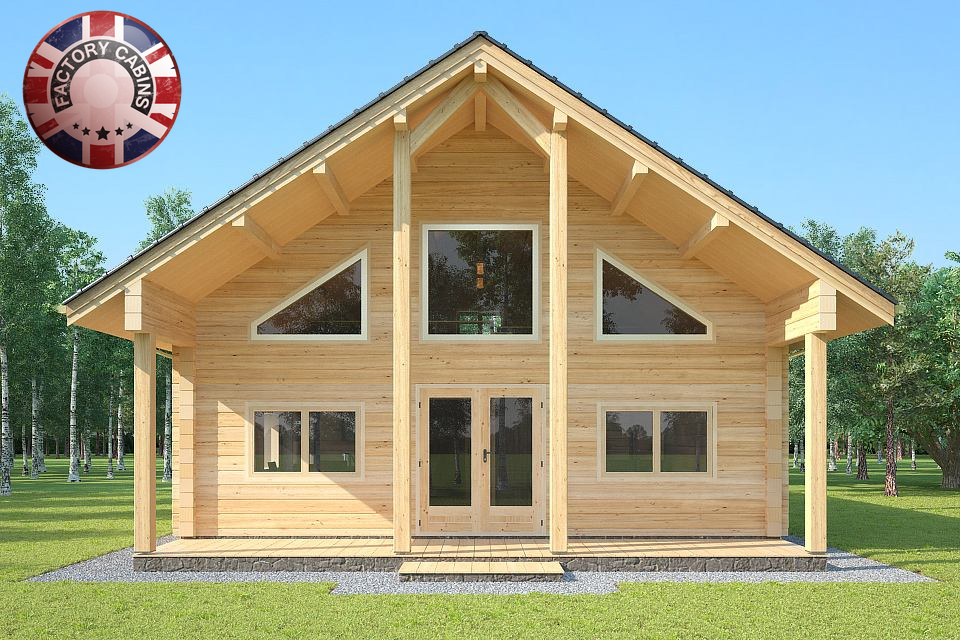
Twin skin log cabins offer endless customisation options to suit individual preferences and requirements. From traditional rustic designs to modern contemporary styles, homeowners can choose from a variety of finishes, layouts, and amenities to create their dream cabin. Additionally, optional upgrades such as skylights, balconies, and porches allow for personalised touches that enhance functionality and aesthetics.
Applications of Twin Skin Log Cabins
Twin skin log cabins are versatile structures that can be used for a wide range of purposes, including:
Residential Use: Twin skin log cabins serve as cosy retreats, guest houses, or primary residences for homeowners seeking a peaceful and sustainable living environment.
Commercial Use: Businesses can utilise twin skin log cabins as offices, retail stores, restaurants, or accommodation facilities, providing a unique and inviting space for customers and employees.
Recreational Use: Twin skin log cabins are perfect for recreational activities such as camping, hunting, fishing, or hosting gatherings with family and friends in nature.
Choosing the Right Twin Skin Log Cabin
When selecting a twin skin log cabin, it’s essential to consider the following factors:
Budget Considerations: Determine your budget and explore different pricing options, including standard models and custom designs tailored to your specifications.
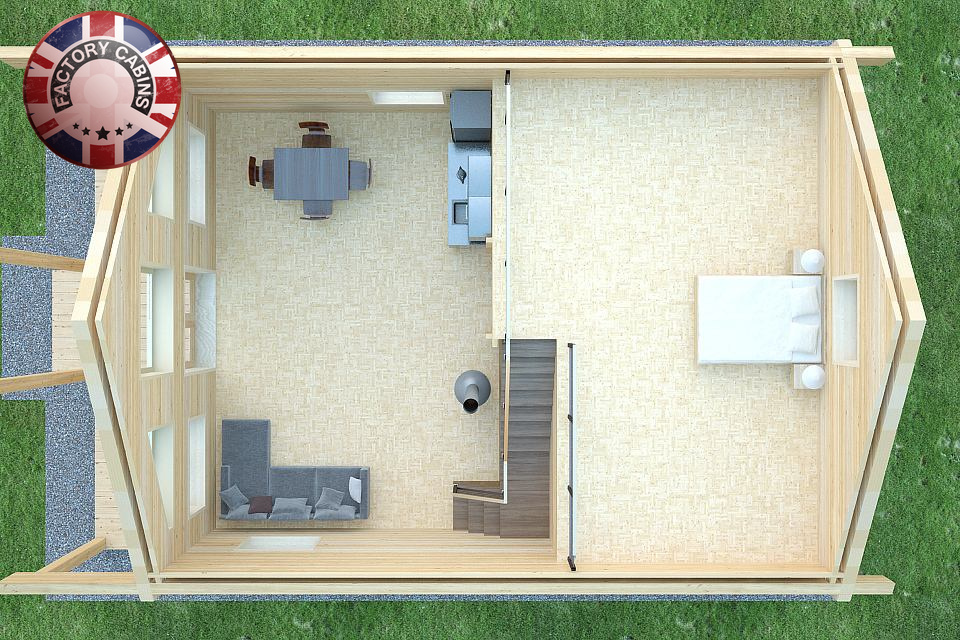
Size and Design Options: Assess your space requirements and preferences regarding cabin size, layout, and architectural style to ensure a perfect fit for your needs.
Location and Environmental Factors: Consider the climate, terrain, and local building regulations to determine the most suitable location and foundation type for your cabin.
Maintenance Tips for Twin Skin Log Cabins
To keep your twin skin log cabin in optimal condition, follow these maintenance tips:
Regular Inspections: Schedule routine inspections to check for signs of wear and tear, including cracks, leaks, and insect infestations.
Cleaning and Treatment: Clean the exterior surfaces regularly and apply protective coatings or treatments to prevent moisture damage, UV fading, and wood rot.
Repairs and Upkeep: Address any maintenance issues promptly to avoid further damage and prolong the lifespan of your cabin. Replace damaged logs, repair roof shingles, and seal gaps to maintain structural integrity and weatherproofing.
Comparison with Other Types of Log Cabins
While twin skin log cabins offer numerous benefits, it’s essential to compare them with other types of log cabins, such as single skin log cabins and insulated log cabins, to make an informed decision.
Single Skin Log Cabins
Single skin log cabins consist of a single wall without additional insulation, making them more affordable but less energy-efficient than twin skin log cabins. While suitable for seasonal use or mild climates, single skin log cabins may require additional heating and cooling systems to maintain comfort levels.
Insulated Log Cabins
Insulated log cabins feature a single wall with built-in insulation, offering improved thermal performance compared to single skin log cabins. However, they may not provide the same level of insulation as twin skin log cabins, particularly in extreme climates or high-traffic areas.
Case Studies and Examples
Numerous successful twin skin log cabin projects showcase the versatility and appeal of these structures in various settings. From cosy countryside retreats to modern urban dwellings, twin skin log cabins offer endless possibilities for homeowners and businesses alike. Customer testimonials and reviews highlight the quality craftsmanship, comfort, and sustainability of twin skin log cabins, making them a preferred choice for discerning buyers.
Future Trends and Innovations
As technology and sustainability practices continue to evolve, the future of twin skin log cabins looks promising. Advancements in construction materials, energy-efficient systems, and smart home technologies offer opportunities to enhance comfort, convenience, and environmental performance. Sustainable practices such as eco-friendly materials, passive solar design, and off-grid solutions contribute to reducing the carbon footprint of twin skin log cabins, making them a sustainable housing option for the future.
Environmental Impact of Twin Skin Log Cabins
Twin skin log cabins are inherently eco-friendly structures that promote sustainability and environmental responsibility. The use of renewable resources such as wood and timber reduces reliance on non-renewable materials and helps mitigate climate change. Additionally, the energy-efficient design and insulation properties of twin skin log cabins contribute to lower carbon emissions and energy consumption, resulting in a smaller environmental footprint compared to conventional construction methods.
Cost-Benefit Analysis
While the initial cost of twin skin log cabins may be higher than single skin log cabins or traditional construction methods, the long-term benefits outweigh the investment. Energy savings, reduced maintenance expenses, and increased property value contribute to the overall cost-effectiveness of twin skin log cabins. Furthermore, the durability and longevity of these structures ensure a high return on investment and years of enjoyment for homeowners and businesses.
Common Misconceptions About Twin Skin Log Cabins
Despite their numerous benefits, twin skin log cabins may be subject to common misconceptions, including:
Expense: While twin skin log cabins may have a higher upfront cost than other types of log cabins, they offer superior quality, durability, and insulation properties that justify the investment over time.
Maintenance Requirements: Some people believe that twin skin log cabins require excessive maintenance due to their complex construction. However, with proper care and upkeep, twin skin log cabins can remain in excellent condition for decades with minimal maintenance.
Expert Recommendations and Advice
Industry experts recommend considering the following factors when purchasing or building a twin-skin log cabin,
Industry Insights: Stay informed about the latest trends, regulations, and innovations in the log cabin industry to make informed decisions and maximise the value of your investment.
Professional Tips for Buyers: Consult with experienced architects, builders, and contractors to assess your needs, explore design options, and ensure a smooth construction process from start to finish.
So….
Twin skin log cabins offer a perfect blend of timeless charm and modern convenience, making them an attractive housing option for homeowners and businesses alike. With superior durability, insulation properties, and customisation options, twin skin log cabins provide a comfortable and sustainable living environment for people of all ages. Whether used as a primary residence, vacation retreat, or commercial space, twin skin log cabins offer endless possibilities for creativity, comfort, and enjoyment.
FAQs about Twin Skin Log Cabins
Are twin skin log cabins suitable for year-round living? Yes, twin skin log cabins are designed to provide comfortable indoor temperatures throughout the year, making them suitable for permanent residency in various climates.
How long do twin skin log cabins last? With proper maintenance and upkeep, twin skin log cabins can last for several decades or even centuries, depending on the quality of construction and materials used.
Can I customise the design of a twin skin log cabin? Absolutely! Twin skin log cabins offer endless customisation options, including size, layout, finishes, and amenities, to suit your preferences and requirements.
Do twin skin log cabins require a lot of maintenance? While twin skin log cabins may require occasional maintenance such as cleaning, sealing, and repairs, they generally require less upkeep compared to traditional homes or single skin log cabins.
Are twin-skin log cabins environmentally friendly? Yes, twin-skin log cabins are eco-friendly structures that promote sustainability and reduce carbon emissions through the use of renewable materials and energy-efficient design principles.