Category Archives: highly insulated timber frame buildings in kit form

Introducing Net Zero Buildings the Ultimate in Sustainable Living


The concept of Net Zero Buildings, which epitomises efficiency, sustainability, and environmental responsibility, has emerged as a ray of hope in our quest for a more ecologically friendly future. Factory Cabins Ltd. is glad to take you on a tour that will transform modern living and introduce you to the greatest Net Zero buildings.
What Characterises Net Zero Structures?

Net-zero buildings are architectural marvels built to the highest standards of sustainability and energy efficiency. They are designed to have a net-zero energy balance, which means they create as much energy as they use. To do this, innovative design, cutting-edge technology, and renewable energy sources are merged.

An Examination of the Net Zero Building Components

  1. Solar panels: Using the sun’s energy to generate power, solar panels are the cornerstone of Net Zero buildings. Their location is meant to maximise energy output while reducing reliance on the grid.
  2. High-Performance Insulation: The basis of energy efficiency is great insulation. Modern insulation solutions aid in lowering energy use and maintaining a constant interior temperature in our Net Zero buildings.
  3. Energy-Efficient Appliances: We install the most recent models of energy-efficient appliances in our Net Zero buildings. Every component, from Energy Star-rated appliances to LED lighting, contributes to lower carbon emissions.
  4. Heat Recovery Systems: By catching and recycling heat generated within the building, these systems ensure that no energy is lost. It’s a smart approach to comfort that doesn’t sacrifice sustainability.

Tiny Houses and the Minimalist Lifestyle

Tiny houses have grown highly popular across the world because they give a more eco-friendly, simpler way of life. Our compact houses are built with an emphasis on space efficiency and sustainability.

Net-Zero New Construction: Towards a More Sustainable Future

launching a new construction project? In our Net Zero New Builds, we employ cutting-edge sustainable design and technology. We ensure that your new structure satisfies the most stringent criteria for modern design, environmental responsibility, and energy efficiency from the ground up.

The Prospect of a Greener Future

Our objective at Factory Cabins Ltd. is to build a sustainable future, not only Net Zero Buildings. Every initiative we do displays our steadfast commitment to the environment.

Join us in our fight for a more sustainable and greener Earth. Our Net Zero Buildings represent the epitome of modern living and environmental consciousness.

Net-zero buildings will be the next generation of environmentally friendly architecture. Factory Cabins Ltd. is happy to have built these architectural wonders, which raise the standard for environmental responsibility and energy efficiency. It is about taking the lead in the transition to a greener, more promising future, not merely defeating the competition.

Advantages of Choosing Factory Cabins Ltd.

We understand you have alternatives when it comes to net-zero buildings. On the other hand, there are several reasons why choosing Factory Cabins Ltd. would set you on the path to unrivalled excellence in sustainable living.

Unrivalled expertise

Our team consists of experienced engineers, architects, and sustainability professionals who have perfected the art of producing Net Zero Buildings. Our years of experience guarantee that your task will be handled exactly and thoroughly.

Customised Resolutions

Every project is unique, as are the issues that may develop. Factory Cabins Ltd. is aware of this and offers tailored solutions. We design Net Zero buildings in close collaboration with our customers, tailoring them to their specific needs, interests, and locations.

Innovative Technology

Our commitment to excellence is evident in the technology we employ. We remain current on the latest innovations in sustainable building technology, so you can be confident that your Net Zero building has the finest and most effective solutions available.

Price Performance

Even if the initial cost appears to be considerable, the long-term cost savings on a net-zero building are enormous. You’ll save money on power bills, perhaps get tax rebates, and have a far lower carbon footprint.

Environmental Preservation

We are deeply committed to environmental protection. Eco-friendly ideals pervade all aspects of our operations, from waste management to material selection. We aim to not only reduce your environmental footprint but also have a positive impact on the health of the globe.

Superior Quality

Our signature is excellence. Our Net Zero buildings are built to last, so you may live comfortably and sustainably for a long time. We take great pride in providing work of the highest standard in every way.

Accept the Revolution of Sustainable Living

Choosing a net-zero building is more than just a sensible financial move in a world when environmental problems are vital; it is a vow to a more sustainable future. We kindly invite you to experience the finest Net Zero buildings made by Factory Cabins Ltd. and join the revolution in sustainable living.

Contact Us Right Now

Are you ready to take the first steps towards a more sustainable and green lifestyle? Contact us right away to start working on your own Net Zero building project. We can both live pleasant, ecologically friendly lifestyles and make a positive impact on the environment by working together.

To summarise, Factory Cabins Ltd. is a dependable partner to engage with while attaining net zero buildings. We provide expertise, innovation, and a genuine commitment to environmental stewardship. When you pick us, you are choosing a better, more sustainable future.

Our Responsibility for Sustainability

Factory Cabins Ltd. is committed to sustainability. We are more than a company that builds net-zero buildings; we are advocates for a better, more ecologically conscious future. This is how we put our commitment into action:

Continued Investigation and Improvement

Our mission is to continue to lead the way in sustainability. Our research and development teams are always pushing the limit in ecologically responsible building by studying new materials, technologies, and design methods.

Ecological Supply Chain

It all starts with the materials we use. To ensure that the whole supply chain is in accordance with our commitment to environmental responsibility, we prioritise purchasing items from suppliers that share our principles.

Material-Free Construction

We believe that trash should be reduced to a minimum at all levels of construction. From the initial site preparation to the last touches, we use techniques that result in the least amount of waste and the maximum degree of efficiency.

Instruction and Protest

We recognise that developing a culture of sustainability necessitates raising awareness. As a result, we actively promote sustainable building practises in the community and within the business through our participation in educational programmes.

Changing Things Together

We’d like to have you join us in making the world a more sustainable place. By choosing Factory Cabins Ltd for your Net Zero Building project, you are investing in both our planet’s and your own future.

Customer Testing

Don’t just believe what we say. Here are a few testimonials from satisfied customers:

Choosing Factory Cabins Ltd. proved to be the best decision we have ever made. In addition to meeting our energy demands, our Net Zero Building meets our desire to live sustainably.”

  • “Everything went smoothly thanks to the staff at Factory Cabins Ltd.” “Every part of our Net Zero Building demonstrates their incredible commitment to sustainability.”

Contact Us Right Now

Are you willing to make a good change? Contact us right now to join the solution, one Net Zero building at a time.
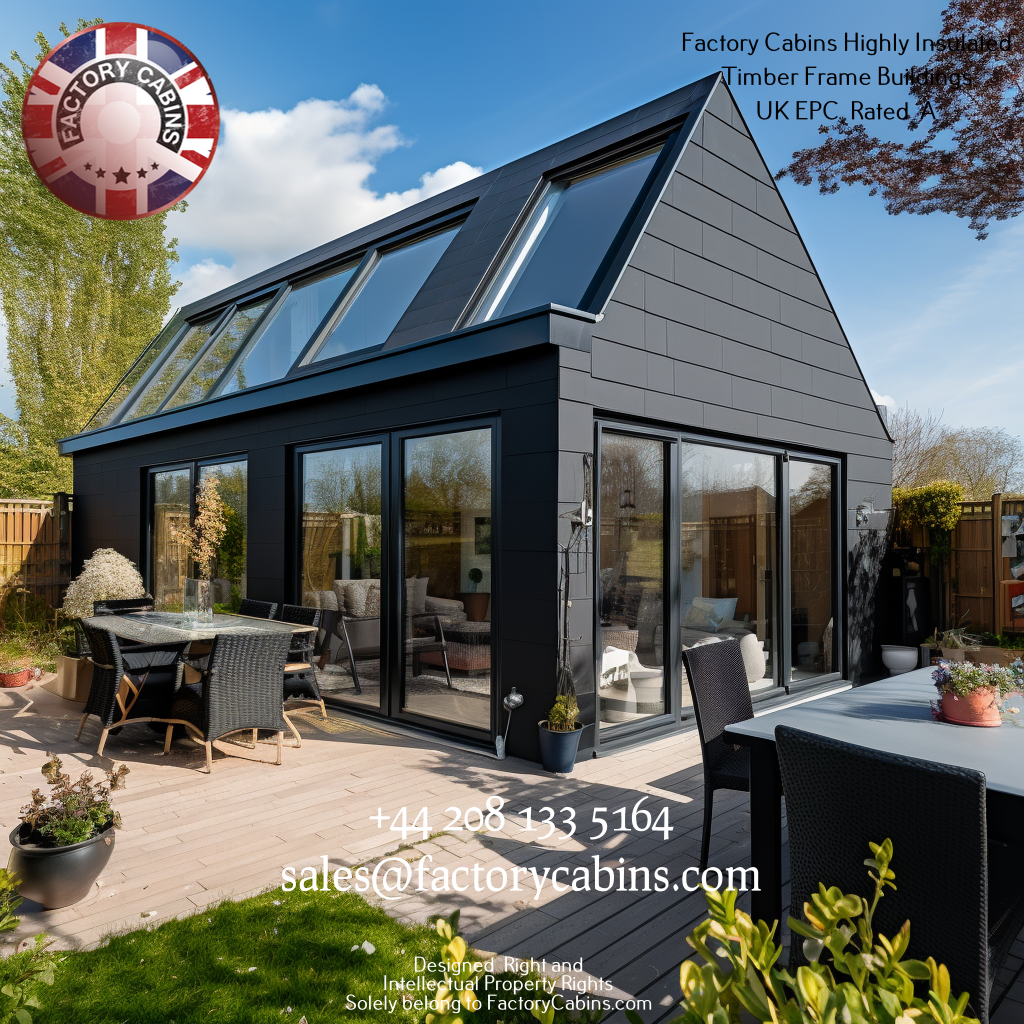
Thus, Factory Cabins Ltd. is more than just a maker of Net Zero buildings. Our dedication to sustainability drives every aspect of our work, and we would be delighted for you to join us on this cutting-edge journey towards a more sustainable and environmentally friendly future.

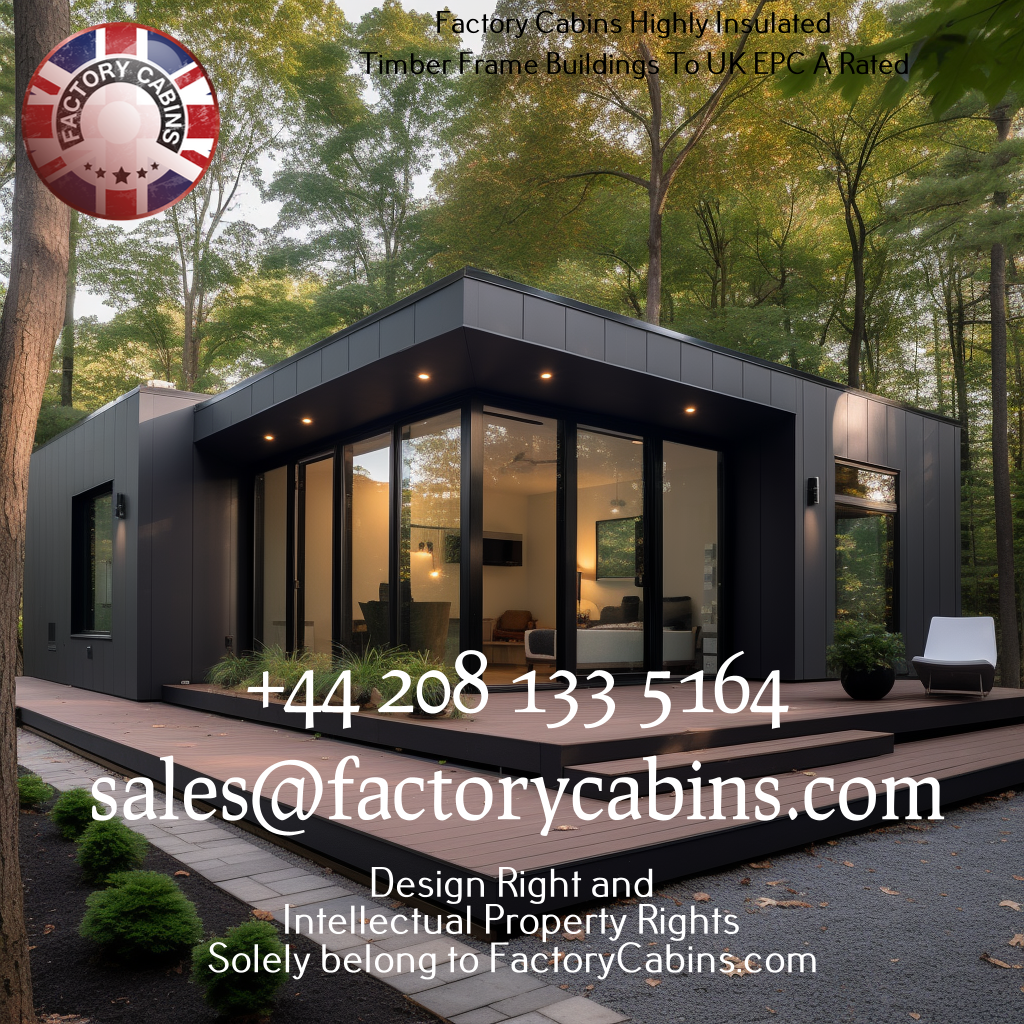
Net Zero Timber Frames are not Like for Like!

Now, let’s delve into the compelling reasons why it is fundamentally flawed to equate superior timber-frame net-zero buildings with their garden-variety counterparts. These distinctions encompass variations in construction techniques, materials, functionality, and overall value.

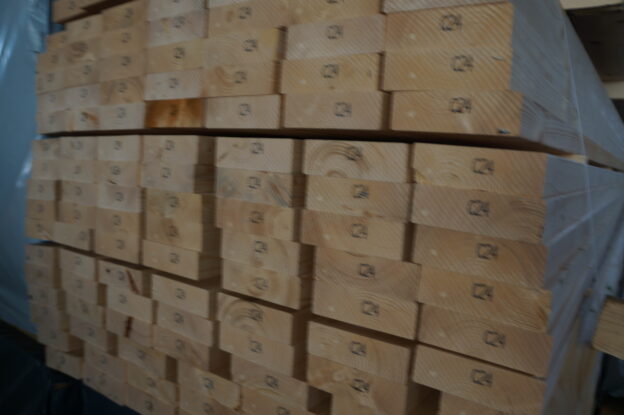
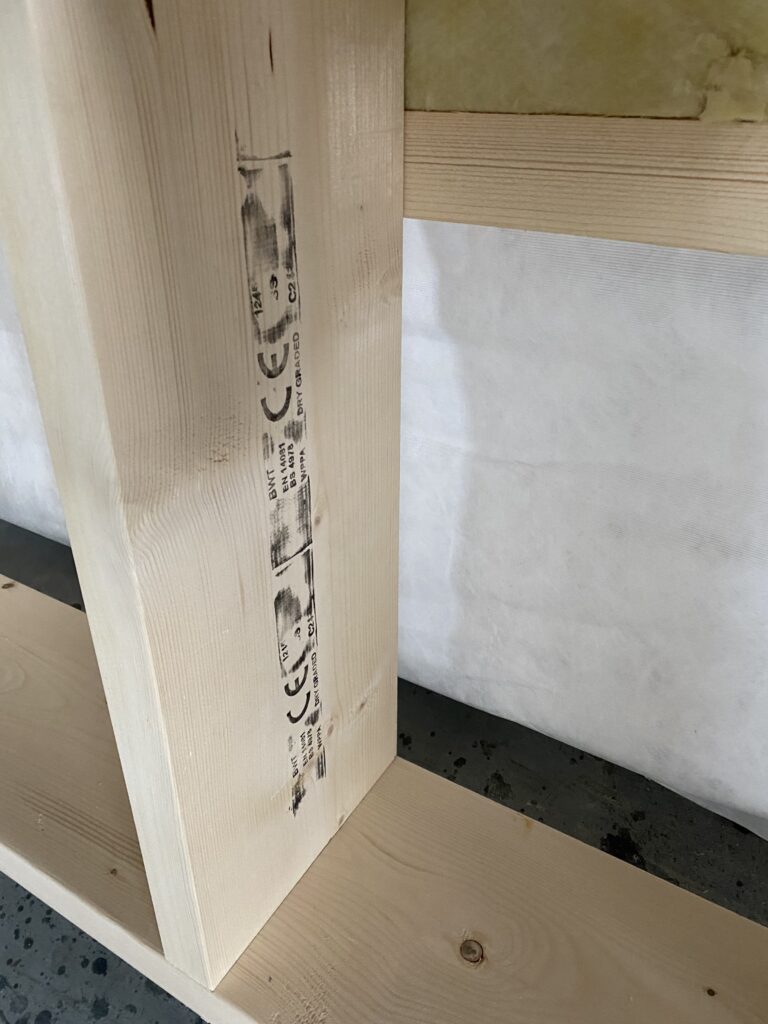
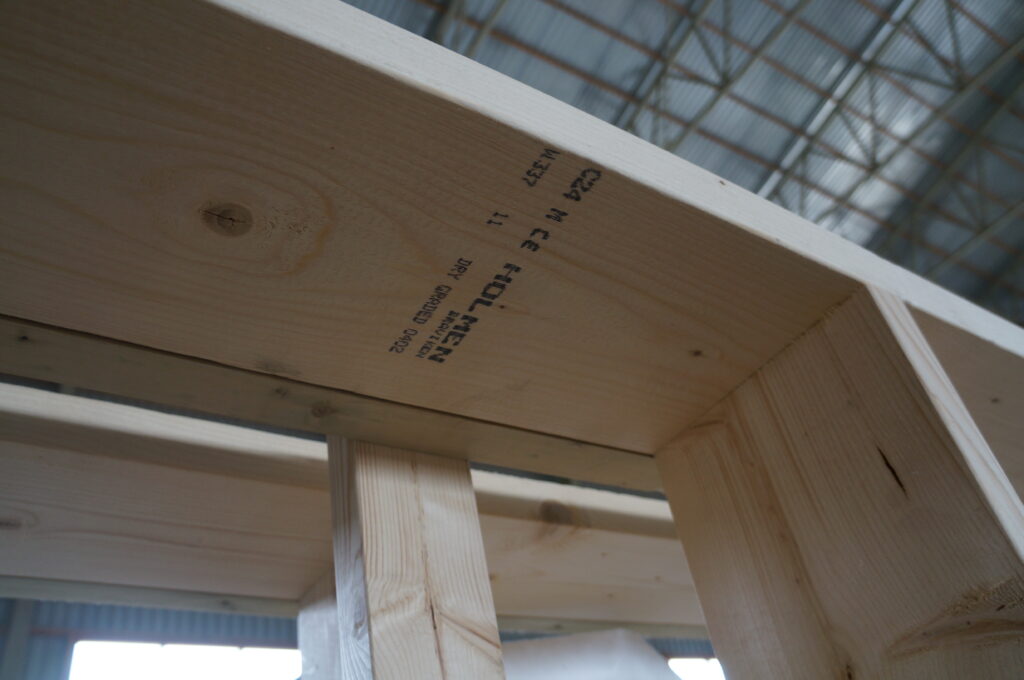
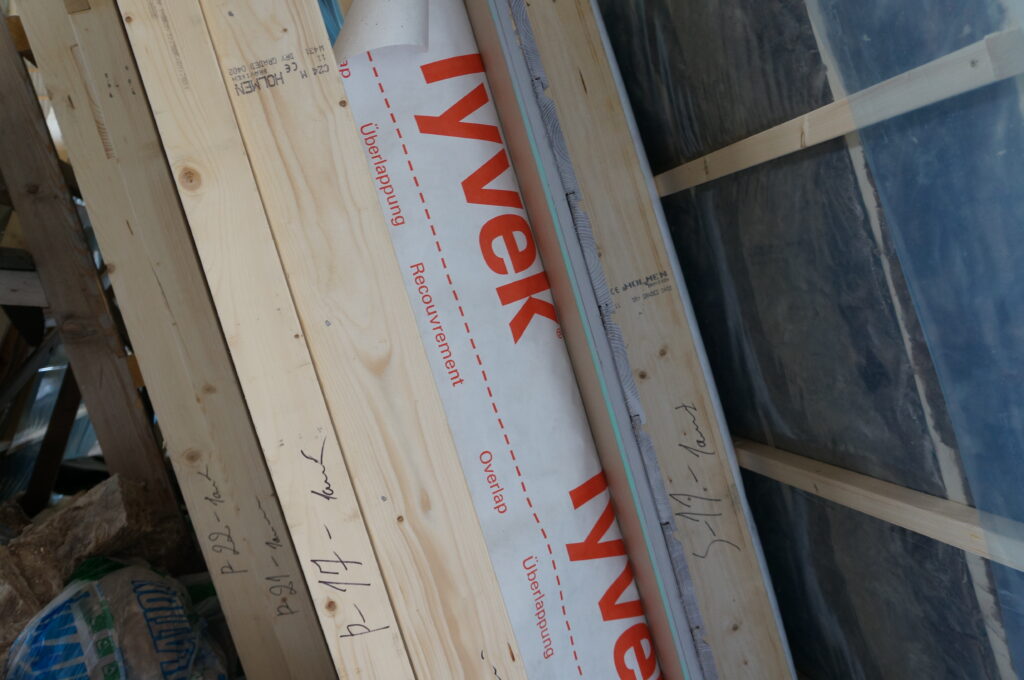
First and foremost, the materials employed in crafting superior timber frame net-zero buildings stand in stark contrast to those found in their garden-variety counterparts. Net-zero structures often utilize high-quality, sustainable materials. An exemplary instance is the meticulously selected and graded C24 wood, renowned for its durability and longevity. In contrast, garden-variety structures typically resort to unseasoned, low-quality wood bereft of any grading. The divergence in materials alone can significantly impact the quality and longevity of the final construction.

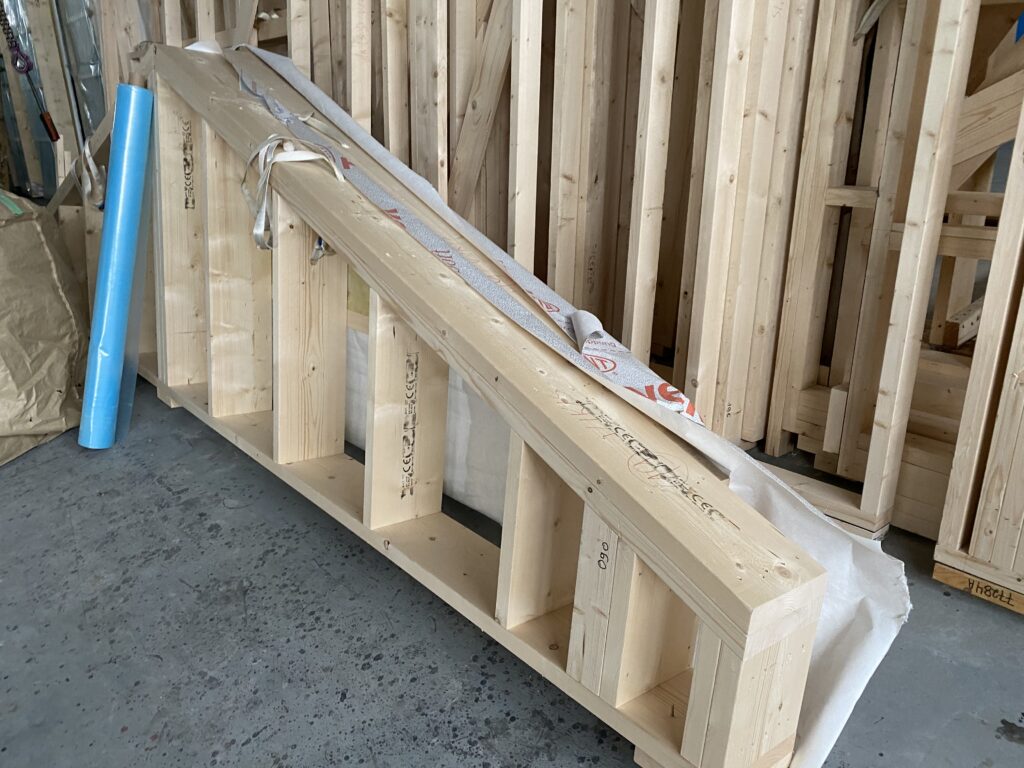
Moreover, the construction processes employed in crafting net-zero buildings far surpass the rudimentary techniques used in garden-variety structures. Advanced framing techniques are used in net-zero structures to prevent thermal bridging and improve insulation. This results in a structure that is very energy efficient. Conversely, garden-variety buildings resort to rudimentary framing techniques, resulting in insufficient insulation and a less efficient structure.

In terms of performance, net-zero buildings outshine their garden-variety counterparts. A meticulous focus on energy efficiency guides the creation of net-zero buildings, equipping them with features such as triple-glazed windows, superior insulation, and airtight construction. These features substantially reduce energy consumption and greenhouse gas emissions. On the contrary, garden-variety structures often compromise on insulation and persist with outdated, inefficient heating and cooling systems, leading to increased energy costs and a heightened environmental impact.

Total value is yet another critical factor that distinguishes superior net-zero timber frame buildings from their inferior garden-variety peers. While a net-zero timber frame building may entail a higher initial cost, its long-term value eclipses that of its less advanced counterpart. Thanks to their superior construction, durability, and energy efficiency, net-zero buildings boast a significantly lower long-term cost of ownership. Conversely, garden-variety structures may appear cheaper initially but often accrue higher long-term costs due to increased energy consumption and maintenance requirements.

To liken a high-quality timber-framed net-zero building to a garden-variety structure is akin to comparing a sleek, well-maintained car with a dilapidated, old vehicle. While they may share certain materials like rubber, glass, and metal, the disparities in total value, performance, and quality are unmistakable. Expecting a subpar building constructed with inferior materials and construction standards to rival its superior counterpart is simply unjust.

Furthermore, the very act of making this comparison is flawed, assuming the erroneous premise that all timber frame buildings are created equal. Just as there exists a spectrum of car performance and quality, the same holds true for timber frame houses. Not only is it erroneous to lump all timber frame buildings together, but it also disregards the progress and innovations occurring in the construction industry.

It is both misguided and misleading to equate superior timber-framed net-zero buildings with their garden-variety, poorly insulated counterparts. Material disparities, construction techniques, overall value, and performance stand as clear differentiators. By noticing these differences, we can really understand why premium timber-framed net-zero buildings are so valuable and of such high quality, as well as how important they are for promoting sustainability.

Our unwavering commitment lies in exploring the pivotal role that timber plays in achieving net-zero emissions by 2030 as we endeavour to create a sustainable and environmentally conscious future. Often underappreciated, timber holds significant ecological and economic benefits. In this comprehensive piece, we delve into its significance, its multitude of applications, and its potential to revolutionise various industries.

The Environmental Impact of Timber

Timber emerges as a potent ally in the battle against climate change, primarily due to its status as a renewable resource that sequesters carbon. In stark contrast to fossil fuels, the utilisation and production of timber contribute to reduced atmospheric carbon dioxide emissions, manifesting in the following ways:

  • Carbon Sequestration: Timber acts as a carbon sink, absorbing and storing carbon dioxide as it grows. Trees represent a natural means of curbing greenhouse gas emissions, with the potential to store up to 1,000 kg of carbon per cubic metre.
  • Ecological Stewardship: Responsible forestry practices, which involve selective harvesting of mature trees, maintain a favorable carbon balance in forests. Furthermore, sustainable forestry safeguards invaluable habitats and fosters biodiversity.
  • Energy Efficiency: Timber’s lightweight, insulating properties, and adaptability result in reduced energy consumption in buildings. Wood-framed structures exhibit a smaller carbon footprint and lower energy costs.

Harnessing Timber in Construction

The construction industry stands as one of the primary contributors to carbon emissions. However, we can significantly reduce its environmental impact by incorporating timber into construction projects, with the following benefits:

  • Eco-Friendly Building Materials: Timber provides a sustainable alternative to conventional construction materials like steel and concrete. Engineered wood materials such as cross-laminated timber (CLT) are enabling the construction of tall buildings with reduced carbon footprints.
  • Speedy Construction: Prefabrication of timber components facilitates faster and more cost-effective building completion, minimizing disruptions to neighboring communities.
  • Urban Planning: Wood’s versatility has inspired innovative architectural concepts, including timber skyscrapers, offering visually appealing and environmentally responsible solutions for urban expansion.

Timber’s Role in Industry

Timber’s influence extends beyond construction, particularly in industries with high emissions. It has made diverse and substantial contributions, including:

  • Automotive Sector: Manufacturers are increasingly turning to wood-based composites for vehicle interiors to reduce weight and lower environmental impact.
  • Furniture and Timber Products: The production of furniture and wood products is transitioning towards eco-friendly and sustainable practices, employing certified sustainable timber.
  • Shipping and Packaging: The use of timber pallets and containers, known for affordability, strength, and environmental friendliness, diminishes the carbon footprint of the shipping and packaging sector.

Timber as a Carbon Offset

Timber holds the potential to serve as a significant tool for mitigating carbon emissions. Planting trees and preserving forests become critical strategies for individuals and businesses seeking to reduce their carbon footprint:

  • Soil Restoration: Investment in sustainable forestry projects and reforestation initiatives can help individuals and businesses become more carbon-neutral, balancing out carbon emissions.
  • Carbon Emissions Offsetting: Carbon-sequestering timber projects can generate valuable carbon credits, enabling businesses to invest in sustainable practices and offset their emissions.

Beyond its role as a building material, timber emerges as a pivotal asset in our quest to achieve net-zero emissions by 2030. Its impact on the environment, adaptability in construction, versatility across various industries, and potential for carbon offsetting make it a formidable force for positive change.

Please call us for more inormtion.

+44 208 133 5164

Net Zero Timber Frame Buildings,

Factory Cabins uses only C24 in all our timber frame buildings, and here are a few reasons why:

What Is the Difference Between C16 and C24 Wood?
Choosing the proper type of timber is crucial to the success and longevity of your construction or timber building project. C16 and C24, two widely used timber grades, are frequently the source of concern and discussion. We shed light on the distinctions between C16 and C24 timber in this detailed reference, allowing you to make informed decisions while retaining the structural integrity of your construction.
Because we only utilise C24, we bring this up in today’s C16-C24 blog.

Examining C16 Timber in more Depth C16 softwood is a common softwood grade noted for its versatility and low cost. This grade is commonly utilised in a variety of building projects, such as roof trusses, floor joists, and stud walls. C16 wood has the following characteristics:

Durability and toughness
C16 wood has an average durability and life expectancy. Because it is acceptable for circumstances with less rigorous strength requirements, it is a common choice for light commercial and residential buildings.

Grading
C16’s letter ‘C’ stands for ‘Construction,’ indicating that it satisfies structural standards. The look, density, and structural qualities of timber are rated, with C16 being the lowest grade.

Common Applications
Internal framing and non-load-bearing buildings are common applications for C16 timber that do not require remarkable strength. It is an appealing alternative for a wide range of activities due to its versatility and low cost.

A Closer Look at C24 Wood
C24 timber provides a major advancement in terms of strength and durability. It is of the highest quality and is frequently used in high-end construction projects. Here’s all you need to know about C24 wood:

Extraordinary Results C24 timber is noted for its exceptional toughness and durability, making it ideal for structurally demanding applications. It is sturdy enough to withstand heavy weights while resisting bending and warping.

Grading
The letter ‘C’ in C24 also signifies structural certification. The ’24’ indicates a higher categorization than C16, implying exceptional capabilities.

Common Applications For high-load applications such as industrial buildings, bridges, and other vital structural sections, C24 timber is the material of choice. It is appropriate for applications requiring safety and longevity because to its high strength.

Choosing the Best Wood
It’s critical to evaluate your project’s individual requirements while picking between C16 and C24 lumber. Here are a few things to consider:

Capacity for Bearing Load
Because of its improved strength, C24 timber is the recommended choice for applications requiring large loads or crucial structural components.

Considerations for Cost
Because C16 lumber is less expensive, it is an appealing option for applications requiring less strength.

The Project Description
Take into account the nature of your project. C16 is typically utilised in residential and light commercial building, whereas C24 is employed in industrial or heavy-duty construction.

To summarise, understanding the distinction between C16 and C24 wood is critical for making informed building and woodworking decisions. While C16 is versatile and cost-effective, C24 stands out for its superior strength and durability. You may assure the structural integrity and endurance of your building initiatives by picking the appropriate grade according to the needs of your project.