Tag Archives: Winterized log cabins

Twin-Skin Log Cabins: Residential Gold Standard

Why Our Residential Twin-Skin Log Cabins Set the Standard
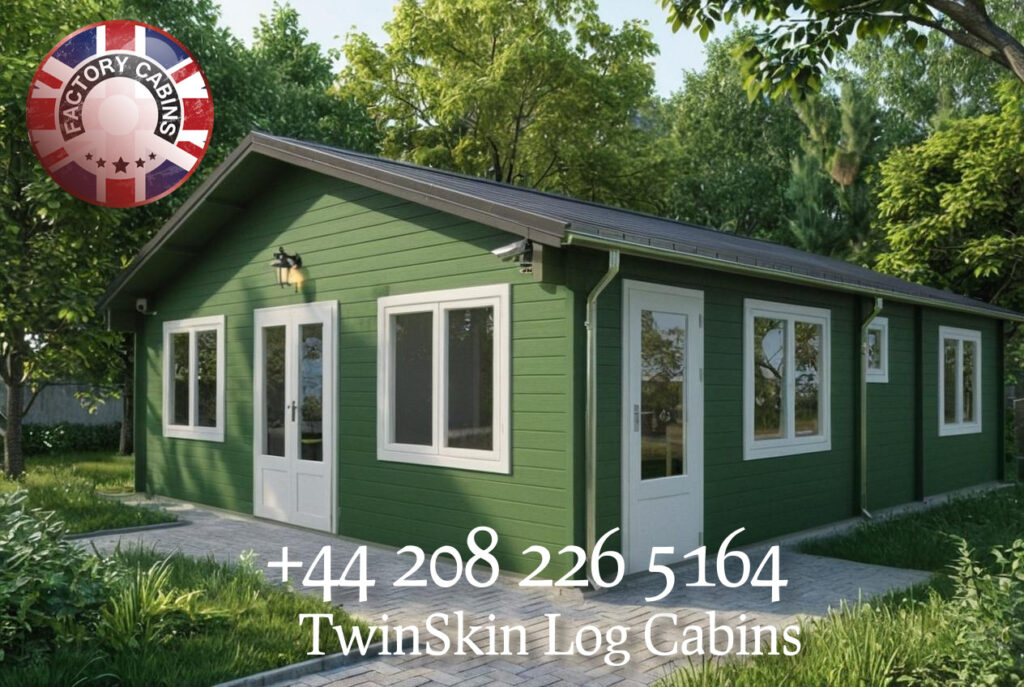
These days, the way people use their homes has changed a lot. Remote work is everywhere, and more families are living together across generations. So, folks are turning to their gardens for extra space. But the old garden shed or flimsy summerhouse just doesn’t cut it anymore.

People want something real—a space that’s comfortable all year, looks great, and doesn’t cost a fortune to heat. That’s where our residential twin-skin log cabins really shine. If you’re putting money into a new building—maybe for a home office, a guest room, or even a full-time living space—quality matters.

There are plenty of timber buildings out there, but almost none match the engineering, insulation, and style you get with a high-spec twin-skin cabin. Here’s what makes ours stand out from the rest. Twin-Skin Construction:

What’s the Big Deal? First, let’s be honest about single-skin log cabins. They look nice, sure, but you’re really just getting one thick wall of wood. That’s it. And wood moves with the weather. It expands, contracts, lets in drafts, and loses heat fast. If you want to actually live in one through the winter, you’d have to spend a lot more to upgrade it. Our cabins work differently.

We use two solid layers of timber, with a special cavity in between. And that cavity isn’t just air—it’s packed with high-density insulation. Think of it like the modern cavity walls you see in new brick homes: the natural look of wood on the outside, but real warmth and energy efficiency on the inside.

With this setup, there’s no direct path for heat to escape or for the cold to creep in. You stay warm in winter and cool in summer, and the whole building just feels better to be in. Stay warm and save money. Let’s talk about energy bills.
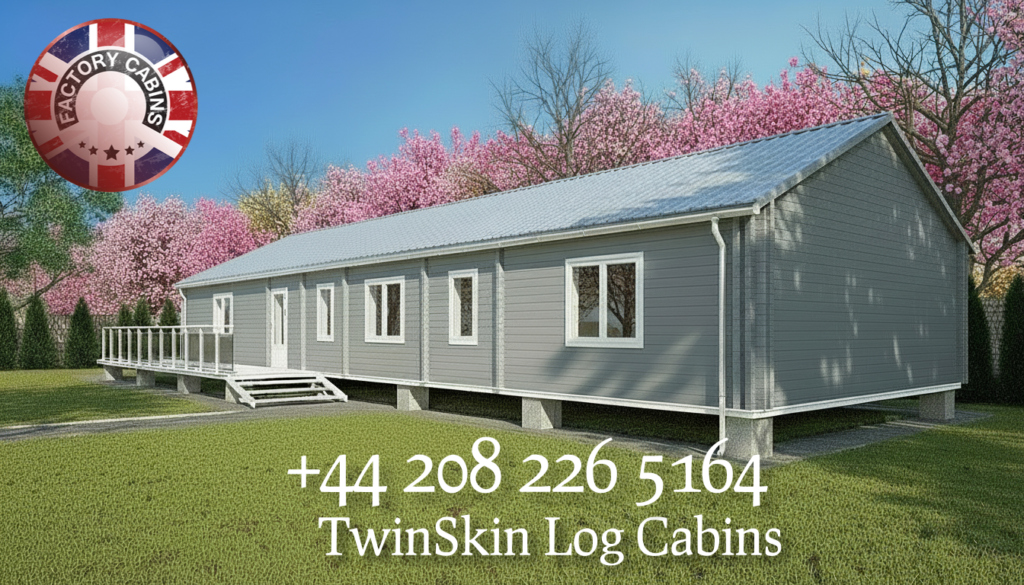
Heating a poorly insulated space is a nightmare—and expensive. Our twin-skin log cabins are designed to lock in warmth. The insulation goes right into the walls, not just in the roof or the floor, so the whole building works together to keep you comfortable. You won’t need to blast the heater just to take the edge off in January, and you won’t sweat through the summer, either.

Picture working in your garden office in the middle of winter, no coat needed. Or having friends stay over during a snowstorm and not worrying about the heating bill. Standard garden rooms just can’t compete.

Plus, the insulated design means no condensation issues—no dampness, no mould. It’s simply a healthier place for you and your family. Built to Last When you invest in a home, you want it to stick around. Single-skin cabins tend to warp and twist over time, thanks to moisture and sunlight. Our twin-skin cabins? They’re built to handle it.

The inside layer gives you a smooth, stable surface—you can plaster, paint, or wallpaper it like any other room in your house. The outer layer shields everything from rain, wind, and sun. That means less maintenance for you and a much longer lifespan for the building.

You get that classic log cabin look on the outside, but inside, it’s all comfort and clean lines. Quiet, Private, Yours Here’s something people don’t always think about: sound. If you’re working from home, making music, or just want a quiet retreat, noise matters.

Our cabins use two layers of timber and a thick layer of insulation, which blocks out sound way better than single-skin versions. It works both ways.

Your household noise stays out, and whatever you’re doing inside doesn’t bother the neighbours. You end up with a private, peaceful spot—perfect for focusing, relaxing, or just getting away from the chaos for a while. Step into one of our cabins, and you’ll feel the difference.
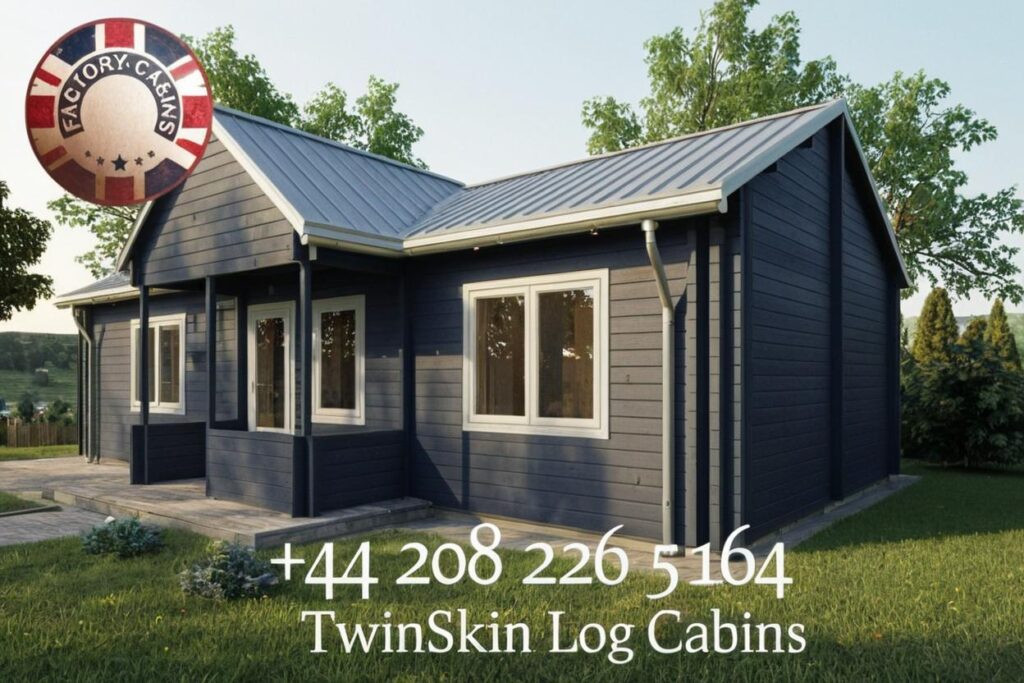
There’s real comfort, real privacy, and real quality—built to last for years, not just for a single season.

Built to Residential Standards When we say “residential”, we actually mean it. This isn’t some marketing gimmick—it’s a promise to build at a higher standard. Most garden buildings out there are really just temporary structures.

They’re not meant for real, everyday living. But our residential twin-skin log cabins? We design them for frequent or even full-time use.

That means we pick better timber, we use stronger joinery, and the floors stand up to heavy furniture and all the comings and goings of daily life. The windows and doors aren’t just basic—they’re double or even triple-glazed, with thermally broken frames to keep the cabin warm and energy bills low. We plan the electrical and plumbing with proper residential safety in mind.

So when you go for a residential-grade cabin, you’re getting real peace of mind—safe, built to last, and up to the mark. Aesthetic Versatility One of the best things about our twin-skin system is how flexible it is. Some people love that classic log cabin vibe; others want something more modern and clean.

Because the interior “skin” is separate from the exterior, you’ve got real freedom to make the inside your own without messing with the outside look. Keep the natural logs on the outside so the cabin fits right in with your garden, but inside, you can go as modern as you want—bright white walls, sleek finishes, and the works.
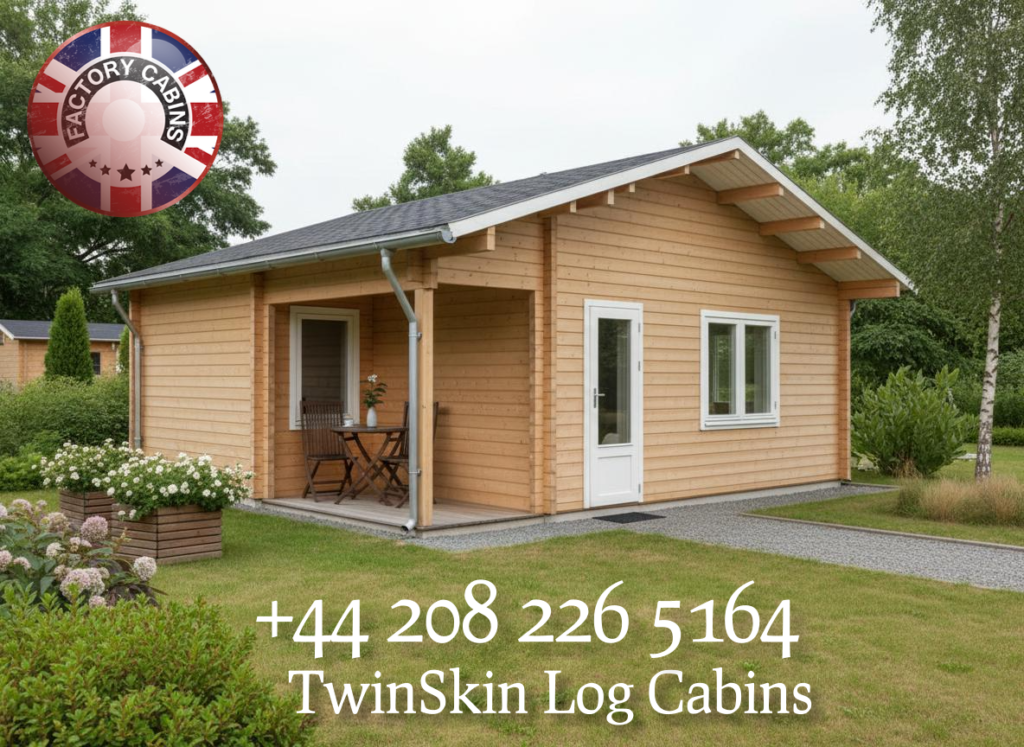
This kind of flexibility means your cabin isn’t just a nice extra; it actually adds value and style to your home. Conclusion There are loads of timber buildings out there, but not many are built to actually work as a real home extension.

When you look at thermal performance, solid construction, quiet interiors, and energy savings, the choice pretty much speaks for itself. Our residential twin-skin log cabins set the standard for garden buildings.

They’re not just fancy sheds—they’re comfortable, high-performance spaces built for real life. Whether you need a home office, a cosy annexe for family, or just somewhere special for your hobbies, a twin-skin cabin delivers the comfort and reliability you need. Why settle for something you can only use part of the year when you could have a real, year-round sanctuary? Go for the gold standard and see how much better garden living can be.

Please send us an email to sales@factorycabins.com

All bespoke designs are welcome. PLEASE call 0208 226 516
Insulated Garden Buildings and Assembly Practices

Enhance Your Living Space with a Twin Skin Insulated Log Cabin

Discover the charm and practicality of twin-skin, insulated log cabins for your living space. Learn about their benefits, construction, and design options to create your ideal retreat.

Introduction: Twin skin insulated log cabins offer a unique blend of rustic charm and modern comfort, making them a popular choice for homeowners seeking to enhance their living spaces.

These cabins provide an inviting environment that seamlessly merges with nature while offering excellent insulation for year-round use. In this comprehensive guide, we will explore the advantages of twin skin insulated log cabins, their construction process, design possibilities, and more.

Whether you’re looking for a cosy retreat in the woods or a versatile studio space in your backyard, twin-skin, insulated log cabins could be the perfect solution.

Table of Content
Advantages of Twin Skin Insulated Log Cabins
Construction Process
Design Options
Maintenance Tips
Environmental Benefits
Cost Considerations
Usage Ideas
Popular Manufacturers
Customer Reviews
FAQs

Advantages of Twin Skin Insulated Log Cabins

Twin skin insulated log cabins offer several advantages over traditional construction methods. From energy efficiency to aesthetic appeal, here are some key benefits:

Construction Process

Understanding the construction process is essential when considering a twin skin insulated log cabin for your property. Let’s delve into the steps involved in building these structures:

Design Options

One of the most exciting aspects of twin skin insulated log cabins is the wide range of design options available. From traditional to contemporary, explore the various styles to find the perfect fit for your preferences:

Maintenance Tips

Proper maintenance is crucial to ensuring the longevity and beauty of your twin-skin, insulated log cabin. Here are some essential tips to keep your cabin in top condition:

Environmental Benefits

In addition to their aesthetic and practical advantages, twin skin insulated log cabins offer significant environmental benefits. Discover how these structures contribute to sustainability:

Cost Considerations

When investing in a twin skin insulated log cabin, it’s essential to consider the upfront costs as well as long-term savings. Let’s break down the financial aspects of owning one:

Usage Ideas

The versatility of twin skin insulated log cabins opens up a world of possibilities for their usage. Explore creative ideas for incorporating these cabins into your lifestyle:

Popular Manufacturers

Choosing the right manufacturer is key to ensuring the quality and durability of your twin-skin, insulated log cabin. Here are some reputable companies known for their exceptional products:

Customer Reviews

Reading customer reviews can provide valuable insights into the performance and satisfaction levels of twin skin insulated log cabin owners. Here are some testimonials from happy customers:

FAQ

  1. Are twin-skin, insulated log cabins suitable for year-round living?
    • Yes, with proper insulation and heating systems, these cabins can be comfortably lived in throughout the year.
  2. How long does it take to construct a twin-skin, insulated log cabin?
    • The construction time varies depending on the size and complexity of the cabin, but it typically ranges from a few weeks to a few months.
  3. Can I customise the design of my twin-skin, insulated log cabin?
    • Yes, many manufacturers offer customisation options to tailor the cabin to your specific needs and preferences.
  4. Do twin skin insulated log cabins require a lot of maintenance?
    • While regular maintenance is necessary to preserve the cabin’s integrity, the upkeep is generally minimal compared to other types of structures.
  5. Are twin skin insulated log cabins eco-friendly?
    • Yes, these cabins are often considered eco-friendly due to their use of renewable materials and energy-efficient construction techniques.

So!!

Twin skin insulated log cabins offer a perfect blend of natural beauty and modern convenience, making them an ideal choice for homeowners seeking to enhance their living spaces. From cosy retreats to functional studios, these cabins provide endless possibilities for customisation and enjoyment. By understanding their advantages, construction process, and design options, you can make an informed decision about incorporating a twin skin insulated log cabin into your property. Explore the various manufacturers, read customer reviews, and consider the FAQs to ensure a seamless experience with your new cabin. With proper maintenance and care, your twin-skin, insulated log cabin can become a beloved retreat for years to come.

Best Practices for Constructing and Assembling Insulated Log Cabins

Introduction:
Log cabins have a long history and are known for their durability, natural beauty, and timeless appeal. However, recent trends in the construction and assembly of log cabins have raised concerns about the use of external cladding, screwing logs together, and improper insulation practices. This report aims to highlight the importance of following best practices in constructing and assembling log cabins to ensure their structural integrity and longevity.

Importance of Traditional Log Cabin Construction:
Traditional log cabin construction involves interlocking logs without the use of screws or nails. This method allows the logs to shrink naturally over time, which helps maintain the structural strength of the cabin. When logs are screwed together, this natural process is disrupted, leading to potential issues such as loss of structural strength and log movement.

Impact of External Cladding:
External cladding, while commonly used in modern construction practices, is not suitable for log cabins. Adding vertical timber to the exterior of a log cabin and screwing it on can prevent the logs from shrinking properly. As logs naturally shrink over time, failure to allow for this movement can result in structural issues and compromise the overall integrity of the cabin.

Insulation Considerations:
Proper insulation is essential for maintaining a comfortable indoor environment in a log cabin. However, improper insulation practices, such as adding plastic windows and doors, can hinder the natural movement of the logs. It is important to consult with experts to determine the best insulation methods that will not interfere with the natural shrinking process of the logs.

Assembly Practices:
The assembly of a log cabin requires careful attention to detail and adherence to traditional construction methods. Assemblers should be knowledgeable about the unique characteristics of log cabins and follow best practices to ensure the structural integrity of the building. Cutting corners or rushing the assembly process can lead to long-term issues and compromise the quality of the cabin.

Recommendations for Log Cabin Construction:
To ensure the longevity and structural integrity of a log cabin, it is recommended to follow these best practices:

1.  Use interlocking logs without screws or nails to allow for natural shrinkage.
2.  Avoid external cladding that can impede the movement of the logs.
3.  Consult with experts to determine the best insulation methods that do not interfere with log movement.
4.  Hire experienced assemblers who are familiar with traditional log cabin construction techniques.
5.  Prioritize quality over speed in the assembly process to avoid long-term issues.

The construction and assembly of log cabins require careful consideration of traditional building methods and best practices. By following these guidelines and avoiding practices that can compromise the structural integrity of the cabin, owners can ensure that their log cabin remains a durable and beautiful structure for years to come. It is essential to prioritise quality, expertise, and respect for the natural characteristics of the logs in the construction and assembly of log cabins.

If you have any further questions or need additional information, please feel free to reach out to us. +44 208 133 5164